

 In echtem Maßstab anzeigen
 Versenden als Grußkarte
 Teilen
 Details anzeigen
 Leitfaden öffnen

 Herunterladen
 Ähnliche Objekte
 Röntgenaufnahme
 Diashow
 Besucherstatistiken
Rocky Cliffs


 Mehr anzeigen
Handgefertigte Ölreproduktion
Handgemaltes Ölgemälde auf Leinwand in Ihrer Wunschgröße und mit Rahmen, auf Bestellung von unseren Künstlern angefertigt. ( Zum Druck wechseln Zum digitalen Bild wechseln)




P118B €10

P118H €10

P118W €10

P438Z €10

P508JH €12

P508YH €12

P805H €10

P805Z €10

P919BZ €10

P919G €10

P919XJ €10

P959ZH €10

P968JZ €12

W106C €8

W218G €10

W218JH €8

W218Y €10

W307PJ €10

W316G €10

W316PJ €8

W316Y €10

W398PJ €8

W4111J €10

W500HY €15

W500JH €15

W692G €12

W849H €8

W940BG €15

W953PJ €8




Wählen Sie aus unseren vordefinierten Formaten, die den ursprünglichen Proportionen des Kunstwerks entsprechen.

Geben Sie die Breite und die Höhe an, die Sie für Ihren Rahmen oder Ihre Wand benötigen. Da dieses Werk handgemalt ist, kann der Künstler bei einer anderen Form etwas mehr um das Bild herum malen oder etwas abschneiden – Sie entscheiden. Wir senden Ihnen ein digitales Mockup zur Freigabe, bevor mit dem Malen begonnen wird. Das auf dieser Seite gezeigte Bild stellt nicht das tatsächliche Ergebnis dar – dies tut nur das Mockup.
Nach der Bestellung wird das OriginalUniqueArt.com-Team dem Kunden Anweisungen per E-Mail zusenden und eine Mockup-Vorschau bereitstellen.
Weltweiter Versand () in nur 3 bis 4 Wochen statt der üblichen 5 Wochen. (22 Oktober). Keine Kompromisse bei der Qualität.

Kostenloser weltweiter Expressversand

Hochwertige Leinenleinwand

Vollständiger Versicherungsschutz beim Versand

Zollgebühren-Rückerstattungsgarantie

Garantie für exakte Farbtreue

100-tägiges Rückgaberecht (nur bei Mängeln)

100% Geld-zurück-Garantie

Angebot für Mengenrabatt
 Die Glasoption ist nur für Größen unter 110 cm verfügbar.

Rocky Cliffs
Reproduktionsmedium
Format der Reproduktion
-


Gesamtpreis
€ 263
A Vision of Turbulent Majesty
“Rocky Cliffs,” painted by Ivan Konstantinovich Aivazovsky in 1891, isn’t merely a landscape; it’s an immersive experience. The canvas explodes with the raw energy of the Black Sea, capturing a moment where nature and humanity collide with breathtaking drama. Aivazovsky, a titan of marine art, masterfully renders the relentless power of the ocean, transforming a simple coastal scene into a profound meditation on human resilience and the sublime indifference of the natural world.
The Painter's Technique: Layers of Light and Texture
Aivazovsky’s genius lies not just in his subject matter but also in his extraordinary technical skill. He employed a technique known as “alla prima,” working directly onto the wet surface of the canvas, layering paint with astonishing speed and precision. Thick impasto—heavy applications of pigment—dominates the cliffs, creating a palpable sense of roughness and solidity that contrasts sharply with the fluid movement of the waves. Notice how he builds up the texture of the rocks, using short, broken brushstrokes to suggest their jagged edges and weathered surfaces. The sky, rendered in delicate washes of blue and gray, subtly shifts in tone, conveying the ever-changing light conditions of a turbulent day. The use of complementary colors—the cool blues and grays of the sea against the warmer browns and ochres of the cliffs—further enhances the visual drama.
A Historical Echo: Romanticism at its Finest
“Rocky Cliffs” is firmly rooted in the Romantic movement, a period characterized by an intense fascination with nature’s power and the individual's emotional response to it. Aivazovsky, deeply influenced by this aesthetic, sought not just to depict the sea but to evoke a feeling—a sense of awe, wonder, and perhaps even a touch of fear in the face of its immensity. The painting reflects the era’s fascination with dramatic landscapes and heroic themes, mirroring the spirit of exploration and adventure that defined the 19th century. It's important to note Aivazovsky’s close relationship with the Russian Navy; his work often served as a visual record of naval exercises and battles, lending it an added layer of historical significance.
Symbolism in Motion: The Ship and the Sea
The small sailing vessel navigating the treacherous waves is more than just a compositional element. It represents humanity’s persistent, yet ultimately fragile, attempts to conquer nature's forces. The towering cliffs symbolize both grandeur and potential danger—a reminder of our own vulnerability in the face of overwhelming power. The turbulent sea itself embodies chaos, unpredictability, and the relentless passage of time. Aivazovsky masterfully uses these symbols to explore themes of human ambition, mortality, and the enduring relationship between humankind and the natural world. The painting invites contemplation on the balance between control and surrender.
A Legacy in Reproduction: Bringing the Sea Home
Reproductions of “Rocky Cliffs” capture a significant portion of Aivazovsky’s artistic vision, offering a window into this powerful seascape. When selecting a reproduction, consider the quality of materials used—a fine canvas and archival inks will ensure that the colors remain vibrant for years to come. Whether adorning a grand salon or a cozy study, “Rocky Cliffs” continues to inspire with its dramatic intensity and timeless beauty, reminding us of the enduring allure of the sea.
Fragen & Antworten
Aus welchem Land stammt das Romanticism-Werk „Rocky Cliffs"]?
"Rocky Cliffs" verbindet die Romanticism-Bewegung durch den Geburtsort ihres Schöpfers mit Russland.
Inwiefern lässt sich der Stil von "Rocky Cliffs" mit der Epoche seines Schöpfers in Verbindung bringen?
"Rocky Cliffs" von Iwan Aiwazowski lässt sich der Romanticism-Strömung innerhalb der – 19. Jahrhundert-Ära seines Schöpfers zuordnen.
Ist ein hochauflösender Download von "Rocky Cliffs" verfügbar?
"Rocky Cliffs" ist als ein hochauflösender digitaler Bild-Download erhältlich, direkt über die Seite Digitales Bild.
Biografie des Künstlers
Ivan Konstantinovich Aiwazowski: Ein Leben auf See
- Geboren: Feodosia, Russland (1817)
- Gestorben: 1900
- Herkunft: OriginalUniqueArt
- Stil: Russischer Romantischer Maler, Marinekunst
Frühes Leben und Ausbildung
- Ivan Konstantinovich Aiwazowski, getauft Hovhannes Aivazian, wurde am 29. Juli 1817 in Feodosia, Krim, in einer armenischen Familie geboren.
- Er erhielt seine frühe Schulbildung an der St.-Sargis-Armenisch-Kirche in Feodosia.
- Sein künstlerisches Talent wurde früh erkannt; er studierte Zeichnen unter Jacob Koch, einem lokalen Architekten.
- Im Jahr 1833 zog Aiwazowski nach Sankt Petersburg, um an der Kaiserlichen Akademie der Künste unter Maxim Worobjow zu studieren.
Karriere und künstlerische Entwicklung
- Aiwazowski reiste in den frühen 1840er Jahren ausgedehnt durch Europa und verbrachte Zeit in Italien.
- Nach seiner Rückkehr nach Russland wurde er zum Hauptmaler der russischen Marine ernannt, eine Position, die seine Karriere maßgeblich beeinflusste.
- Er entwickelte einen unverwechselbaren Stil, der sich durch dramatische und eindringliche Darstellungen von Meereslandschaften auszeichnete, oft mit turbulentem Wasser und mächtigen Stürmen.
- Aiwazowskis Werke zeigten häufig Seekämpfe und Szenen aus dem Seemannsleben und spiegelten seine enge Verbindung zur russischen Militär-Elite wider.
- Sein umfangreicher Output umfasste rund 6.000 Gemälde im Laufe seiner Karriere.
Hauptwerke und künstlerische Einflüsse
- Meeresansicht mit Vollmond: Ein Paradebeispiel für Aiwazowskis Meisterschaft in Licht und Atmosphäre bei der Darstellung des Meeres.
- Ein Schiff auf stürmischer See: Demonstriert seine Fähigkeit, die Kraft und Gefahr der Natur zu vermitteln.
- Der Gondoliere auf See bei Nacht: Zeigt sein Können, nächtliche Szenen mit bemerkenswerter Detailtreue einzufangen.
- Chaos (Die Schöpfung): Ein frühes Werk, das von Papst Gregor XVI. erworben wurde und eine göttliche Tat der Schöpfung darstellt.
- Die Neunte Welle: Arguabelt sein berühmtestes Gemälde, das eine dramatische Szene von Schiffbruchüberlebenden zeigt, die sich an Trümmer klammern.
Historische Bedeutung und Vermächtnis
- Aiwazowski gilt als einer der größten Meister der Marinekunst in der russischen Geschichte.
- Seine Werke werden für ihren Romantik, ihre technische Fertigkeit und ihre Fähigkeit gelobt, kraftvolle Emotionen hervorzurufen.
- Er leistete einen bedeutenden Beitrag zur Entwicklung der russischen Landschaftsmalerei und beeinflusste Generationen von Künstlern.
- Aiwazowskis Gemälde sind weiterhin beliebt und werden weltweit in Museen und Galerien ausgestellt.
- Sein Vermächtnis inspiriert weiterhin Kunstliebhaber und Künstler gleichermaßen und festigt seine Position als eine herausragende Figur der Kunst des 19. Jahrhunderts.

Iwan Aiwazowski
1817 - 1900 , Russland
Eckdaten zum Künstler
- Bemerkenswerte Werke:
- Meereslandschaft mit Vollmond
- Ein Schiff in stürmischer See
- Der Gondoliere auf See bei Nacht
- Chaos (Die Schöpfung)
- Die Neunte Welle
- Geburtsdatum: 29. Juli 1817
- Künstler, Die Diesen Künstler Beeinflussten:
- Maxim Worobjow
- J.M.W. Turner
- Künstlerische Bewegung: Russischer Romantik, Marinekunst
- Nationalität: Russisch, Armenisch
- Vollständiger Name: Iwan Konstantinowitsch Aiwasowski
Verwandte Artikel
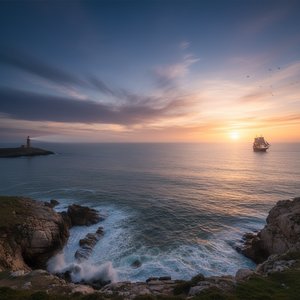
The Allure of the Horizon: A Comprehensive Exploration of Seascape Art Through History & Emotion
Explore the captivating world of seascape art! Discover its history, key artists & movements – from Dutch Masters to Impressionism. Expert insights for collectors and enthusiasts at OriginalUniqueArt.

Romantische Landschaften: Die 10 Meisterwerke, die eine Epoche prägten | OriginalUniqueArt
Entdecken Sie die 10 Meisterwerke der Romantischen Landschaftsmalerei! Von Caspar David Friedrich bis Turner – erleben Sie die Kunst, Emotion & Natur. Hochwertige Reproduktionen auf OriginalUniqueArt.com
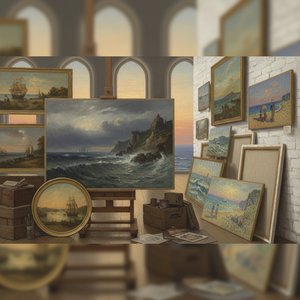
Evoking the Horizon: A Historical & Artistic Exploration of Coastal Scenes in Painting
Explore the rich history of coastal scenes in painting! Discover Impressionist masterpieces, American realism & contemporary visions. Learn about renowned artists and find your perfect seascape at OriginalUniqueArt.
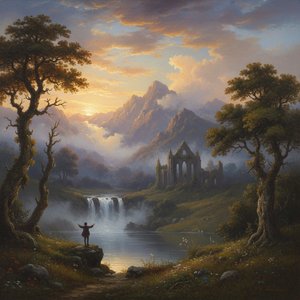
Evoking Emotion & Transcendence: Romantic Landscape Painting (18th-19th Century)
Explore the emotional depth of Romantic landscape painting (18th-19th century). Discover key artists like Friedrich & Cole, and the concepts of the sublime. Expert insights for art lovers & collectors.

Evoking Nature's Sublime: A Comprehensive Exploration of 19th-Century Landscape Painting
Explore the captivating world of 19th-century landscape painting! Discover renowned artists like Friedrich & Monet, key movements, and find the perfect artwork to bring nature's serenity into your home. Expert insights at OriginalUniqueArt.


