 Vorschau anzeigen
 Versenden
 Teilen
 Details anzeigen

 Herunterladen
 Ähnliche Objekte
 Röntgenaufnahme
 Diashow
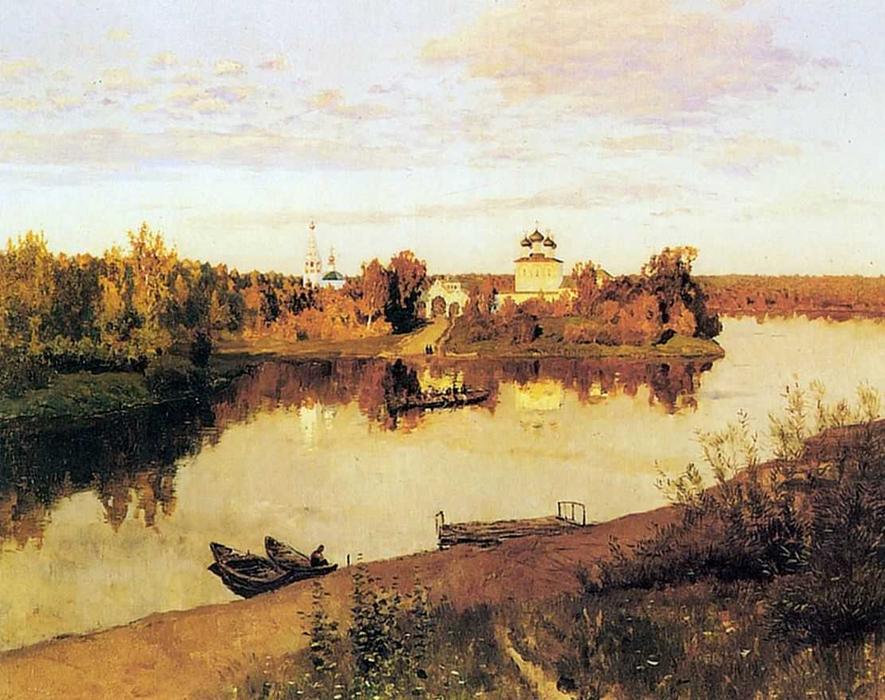
Vesper chimes
 Öl auf Leinwand
- Wandkunst
- Realism
 1892
1892 87.0 x 108.0 cm
 Tretyjakow-Galerie
 Weiterlesen
Giclée / Kunstdruck
Giclée- oder Leinwanddruck in Museumsqualität mit schneller Produktion und flexiblen Veredelungsoptionen. ( Handgemalte Reproduktion bestellen Bild kaufen)




P118B $10

P118H $10

P118W $10

P438Z $10

P508JH $12

P508YH $12

P805H $10

P805Z $10

P919BZ $10

P919G $10

P919XJ $10

P959ZH $10

P968JZ $12

W106C $8

W218G $10

W218JH $8

W218Y $10

W307PJ $10

W316G $10

W316PJ $8

W316Y $10

W398PJ $8

W4111J $10

W500HY $15

W500JH $15

W692G $12

W849H $8

W940BG $15

W953PJ $8




Wählen Sie aus unseren vordefinierten Formaten, die den ursprünglichen Proportionen des Kunstwerks entsprechen.

Sie können Ihre eigenen Maße eingeben, um ein bestimmtes Format oder einen speziellen Platz einzupassen. Wenn das von Ihnen gewählte Format nicht den Proportionen des Originalbildes entspricht, werden wir das Kunstwerk entweder beschneiden oder das Bild mit einem gespiegelten oder einfarbigen Rand erweitern. Ein digitaler Entwurf wird Ihnen zur Genehmigung zugesandt, bevor die Produktion beginnt.
Bitte beachten Sie, dass die Vorschau auf dem Bildschirm nicht den tatsächlichen Zuschnitt oder die Erweiterung widerspiegelt. Nur der Entwurf zeigt die endgültige Komposition präzise an.
Obwohl Sondermaße verfügbar sind, empfehlen wir die Auswahl eines Maßes aus der vordefinierten Liste, um die ursprünglichen Proportionen zu bewahren.
Weltweiter Versand () innerhalb von 2 Wochen statt der üblichen 4/5 Wochen. (21 August)

Kostenloser weltweiter Expressversand

Hochwertige Leinenleinwand

Umfassender Versicherungsschutz beim Versand

Zollgebühren-Rückerstattungsgarantie

Garantie für exakte Farbtreue

60 Tage Rückgaberecht (nur bei Mängeln)

100% Geld-zurück-Garantie

Mengenrabatt verfügbar
 Die Glasoption ist nur für Größen unter 110 cm verfügbar.

Vesper chimes
Giclée / Kunstdruck
Format der Reproduktion
-


Gesamtpreis
$ 80
Sammlerstück-Beschreibung
Vesper Chimes: A Russian Soul Captured in Light
Isaac Levitan’s “Vesper Chimes,” painted in 1892, isn't merely a landscape; it’s a distillation of the Russian soul—a poignant meditation on solitude, spirituality, and the ephemeral beauty of twilight. This oil-on-canvas masterpiece, currently residing within the hallowed halls of the Tretyakov Gallery in Moscow, invites viewers into a serene world where nature whispers secrets and time seems to slow to a contemplative pace. Levitan, a master of the “mood landscape,” expertly captures not just what he saw but also the profound emotions evoked by the Russian countryside – a longing for peace, a connection to something larger than oneself, and an appreciation for the quiet grandeur of the natural world.
The scene unfolds along the banks of a gently flowing river, bathed in the golden hues of a setting sun. A small boat rests peacefully on the water’s surface, its presence suggesting a moment of respite, perhaps a solitary fisherman or a traveler seeking solace. In the background, a cluster of trees frames a distant church spire, rising like a beacon against the fading light. The composition is deliberately understated, prioritizing atmosphere and mood over dramatic detail. Levitan eschews sharp outlines and bold colors in favor of subtle gradations of tone and delicate brushwork, creating an illusion of depth and tranquility that draws the eye into the heart of the scene.
The Painter’s Technique: A Symphony of Light and Shadow
Levitan's skill as a landscape painter is particularly evident in his masterful manipulation of light. He doesn’t simply depict the sun setting; he embodies its warmth, its melancholy, and its transformative power. Notice how the golden light spills across the water, reflecting in shimmering patterns that dance with the ripples. The trees are rendered with a delicate touch, their branches silhouetted against the vibrant sky, while the distant church is softened by the haze of twilight. Levitan’s brushstrokes are loose and expressive, conveying a sense of movement and spontaneity—as if he were capturing a fleeting moment in time. He employed an impasto technique, building up layers of paint to create texture and depth, particularly noticeable in the foliage and the reflections on the water.
The painting’s color palette is restrained yet remarkably evocative. Dominated by warm yellows, oranges, and browns—the colors of a dying sun—it's subtly punctuated by cool blues and greens that hint at the approaching night. This careful balance creates a sense of harmony and tranquility, reflecting the stillness of the scene. The use of atmospheric perspective – where distant objects appear paler and less distinct – further enhances the painting’s depth and realism.
Symbolism and Context: Echoes of Russian Spirituality
“Vesper Chimes” is more than just a pretty picture; it's imbued with symbolic meaning. The church spire, rising above the landscape, represents faith, hope, and spiritual connection—a common theme in Russian art. The solitary boat suggests introspection and contemplation, inviting the viewer to pause and reflect on their own place within the vastness of nature. The title itself, “Vesper Chimes,” evokes a sense of evening prayer and quiet reverence – a time for reflection and communion with the divine.
Painted in 1892, during a period of significant social and political change in Russia, the painting reflects a growing interest in traditional values and spirituality. Levitan’s work resonated deeply with his contemporaries, who sought solace and meaning in the beauty of the Russian countryside. His paintings often explored themes of rural life, nature, and the human condition—themes that continue to resonate with viewers today.
A Timeless Masterpiece: Reproduction and Beyond
“Vesper Chimes” remains one of Isaac Levitan’s most beloved works, celebrated for its exquisite beauty and profound emotional impact. Reproductions offer a wonderful opportunity to bring this timeless masterpiece into your home or office—a source of inspiration and tranquility. When selecting a reproduction, consider the quality of materials used and the attention to detail paid in recreating Levitan's delicate brushwork and atmospheric effects. A high-quality print will capture the essence of the original painting, allowing you to experience its beauty and serenity firsthand.
For those seeking to delve deeper into the life and work of Isaac Levitan, we encourage you to visit the Tretyakov Gallery in Moscow or explore online resources such as Wikipedia and WikiArt.org. “Vesper Chimes” is a testament to the power of art to transport us to another time and place—a reminder of the beauty and wonder that can be found in the simplest of moments.
Über den Künstler
Isaak Iljitsch Lewitan: Ein Leben in der Landschaft
Isaak Iljitsch Lewitan (1860-1900) war ein renommierter russischer Landschaftsmaler, der zu einer entscheidenden Figur bei der Entwicklung von stimmungsvollen Landschaften wurde. Seine Werke fingen die Essenz der russischen Landschaft ein und waren von lyrischem Charme und emotionaler Tiefe geprägt.
Frühes Leben und Ausbildung
- Geboren am 30. August 1860 in Kibarty (heute Litauen), in einer jüdischen Familie, die später nach Moskau zog.
- Zeigte früh künstlerisches Talent und erhielt Privatunterricht, bevor er sich formell dem Kunststudium widmete.
- Im Jahr 1873 trat er in die Moskauer Schule für Malerei, Bildhauerei und Architektur ein, wo er unter einflussreichen Künstlern wie Alexei Sawrassow, Wassili Perow und Wassili Polenow studierte.
- Sawrassows Einfluss war besonders bedeutsam und förderte Lewitans Liebe zum Darstellen der subtilen Nuancen der russischen Natur.
Künstlerische Entwicklung und Stil
- Lewitan unterschied sich schnell durch seine Fähigkeit, Atmosphäre und Emotionen durch Landschaftsmalerei zu vermitteln.
- Er begründete das Genre der „Stimmungslandschaft“ und ging über die bloße topografische Darstellung hinaus, um menschliche Gefühle und spirituelle Verbindungen zur Natur auszudrücken.
- Seine Palette war oft gedämpft und konzentrierte sich auf naturalistische Farben und poetische Elemente anstelle von lebhaften Farbtönen.
- Obwohl seine späteren Arbeiten eine Vertrautheit mit dem Impressionismus zeigten, bewahrte er ein einzigartig russisches Gefühl.
Wichtige Werke und Errungenschaften
- Zu seinen bekanntesten Werken gehören: Herbsttag in Sokolniki (1879), Die Vladimirka Straße (1892) und Ewiger Frieden (1894). Diese Gemälde sind prominent in der Tretjakow-Galerie ausgestellt.
- Weitere bemerkenswerte Werke sind „Frühlingsflut“, „Stürmischer Tag“, „Vesperglocken“ und „Stillfriedhof“.
- Im Jahr 1897 wurde Lewitan in die Akademie der Künste aufgenommen, was ein Beweis für seine wachsende Anerkennung war.
- Er wurde 1898 Leiter des Landschaftsstudios an seiner Alma Mater und förderte so die nächste Generation russischer Landschaftsmaler.
Einflüsse und Zusammenarbeit
- Lewitan wurde tief von den Werken Alexei Sawrassows beeinflusst, dessen melancholische Landschaften mit seiner eigenen künstlerischen Vision in Resonanz standen.
- Er arbeitete mit anderen Künstlern wie Konstantin Korovin, Michail Nesterow und Nikolai Tschechow zusammen.
- Er steuerte Illustrationen für die Zeitschrift „Moskau“ bei und entwarf Bühnenbilder für die private Russische Oper von Sawwa Mamontow.
Historische Bedeutung und Vermächtnis
- Lewitans Werk spielte eine entscheidende Rolle bei der Gestaltung der Entwicklung der russischen Landschaftsmalerei.
- Er erweiterte das Genre über die bloße Darstellung hinaus und verlieh ihm emotionale Tiefe und spirituelle Resonanz.
- Seine Gemälde berufen weiterhin ein starkes Gefühl nationaler Identität und Wertschätzung für die Schönheit der russischen Landschaft hervor.
- Im Jahr 1941 wurden seine Überreste auf den Nowodewitschi-Friedhof in Moskau umgebettet, wo er neben seinem engen Freund Anton Tschechow begraben liegt, was ihre künstlerische Verbundenheit symbolisiert.
Lewitans Vermächtnis lebt als Meister der atmosphärischen Landschaftsmalerei und als tiefgründiger Interpret der russischen Seele fort.

Isaak Ilyich Levitan
1860 - 1900 , Russland
Kurzinfos
- Bemerkenswerte Werke:
- Herbsttag in Sokolniki
- Die Vladimirka Straße
- Ewige Ruhe
- Frühlingsflut
- Geburtsdatum: 30. August 1860
- Künstlerische Einflüsse: ['Alexei Savrasov']
- Künstlerische Richtung: Landschaftsmalerei, Stimmungslandschaft
- Nationalität: Russisch
- Vollständiger Name: Isaak Iljitsch Lewitan
Ähnliche Artikel
Die schönsten Landschaftsbilder: 10 Meisterwerke für Ihr Zuhause | OriginalUniqueArt.com
Entdecken Sie die 10 schönsten Landschaftsbilder der Kunstgeschichte! Von Monet bis Van Gogh – erfahren Sie die Geschichten hinter Meisterwerken & finden Sie Inspiration für Ihr Zuhause. Hochwertige Kunstdrucke auf OriginalUniqueArt.com.

Aleksey Savrasov: The Poetic Realism That Defined Russian Landscape Painting
Explore the poetic realism of Aleksey Savrasov, founder of Russian lyrical landscape painting. Discover his masterpieces like 'The Rooks Have Returned' and learn about his lasting influence on 19th-century art. OriginalUniqueArt offers high-quality reproductions.

Romantische Landschaften: Die 10 Meisterwerke, die eine Epoche prägten | OriginalUniqueArt
Entdecken Sie die 10 Meisterwerke der Romantischen Landschaftsmalerei! Von Caspar David Friedrich bis Turner – erleben Sie die Kunst, Emotion & Natur. Hochwertige Reproduktionen auf OriginalUniqueArt.com
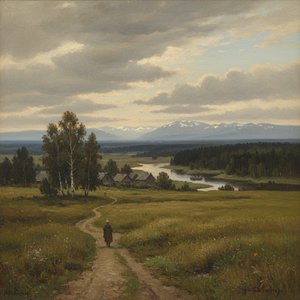
Fyodor Vasilyev: A Poetic Vision of Russian Landscape – Life, Legacy, and the Transience of Nature
Explore the captivating world of Fyodor Vasilyev, a pioneering Russian landscape painter. Discover his lyrical style, influential works like 'Clouds' & lasting legacy. Learn about his life, artistic journey & impact on Russian art history.

Evocations of Place: A Historical Journey Through Landscape Art
Explore the rich history of landscape art with OriginalUniqueArt. Discover renowned artists, movements like Impressionism & Romanticism, and expert guidance for collecting timeless pieces. Find your perfect serene escape today!