
 Vorschau anzeigen
 Versenden
 Teilen
 Details anzeigen

 Herunterladen
 Ähnliche Objekte
 Röntgenaufnahme
 Diashow
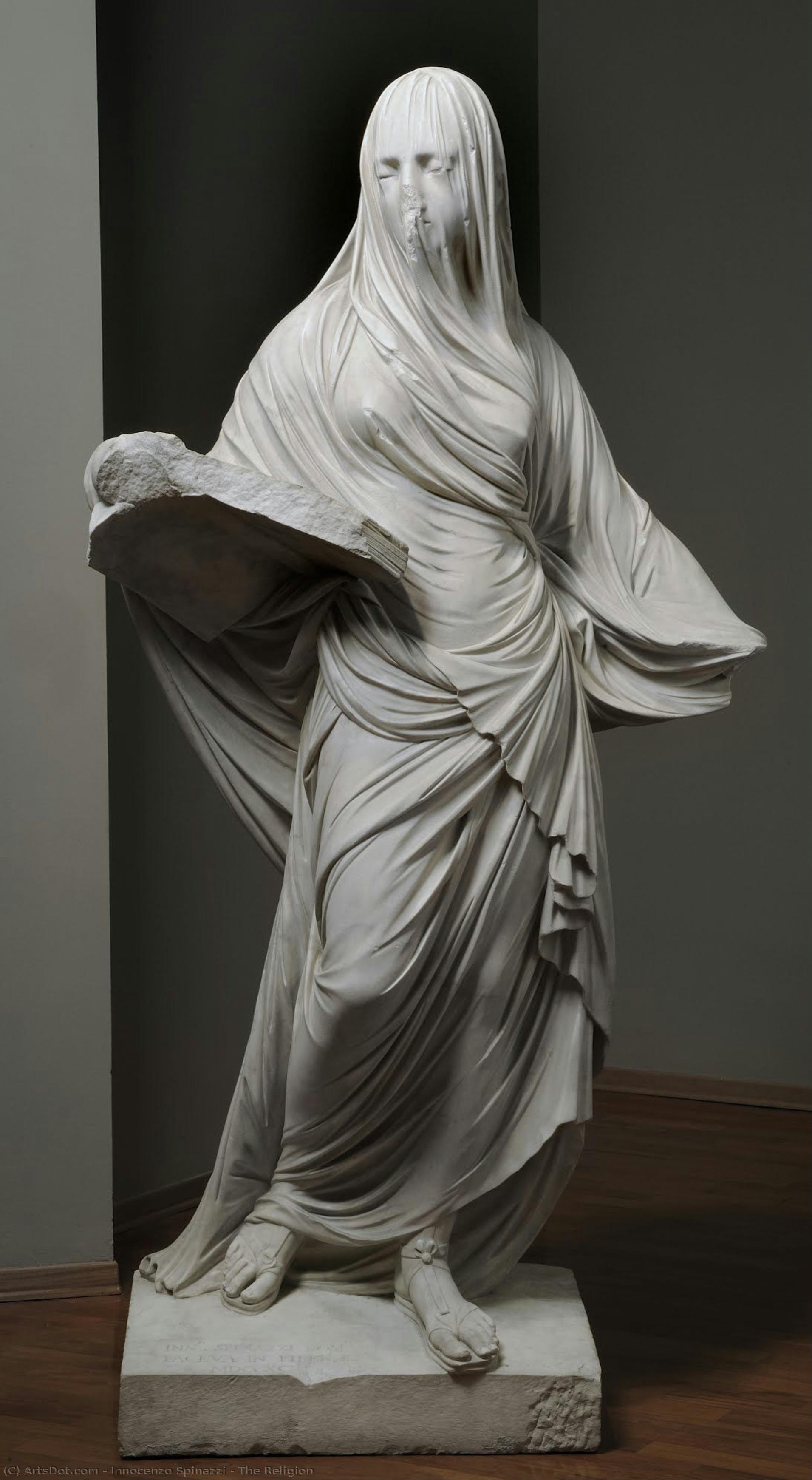
The Religion
 Neoclassicism
 115.0 x 215.0 cm
 Galleria Civica di Arte Moderna e Contemporanea Torino
 Weiterlesen
Giclée / Kunstdruck
Giclée- oder Leinwanddruck in Museumsqualität mit schneller Produktion und flexiblen Veredelungsoptionen. ( Handgemalte Reproduktion bestellen Bild kaufen)




































Wählen Sie aus unseren vordefinierten Formaten, die den ursprünglichen Proportionen des Kunstwerks entsprechen.

Sie können Ihre eigenen Maße eingeben, um ein bestimmtes Format oder einen speziellen Platz einzupassen. Wenn das von Ihnen gewählte Format nicht den Proportionen des Originalbildes entspricht, werden wir das Kunstwerk entweder beschneiden oder das Bild mit einem gespiegelten oder einfarbigen Rand erweitern. Ein digitaler Entwurf wird Ihnen zur Genehmigung zugesandt, bevor die Produktion beginnt.
Bitte beachten Sie, dass die Vorschau auf dem Bildschirm nicht den tatsächlichen Zuschnitt oder die Erweiterung widerspiegelt. Nur der Entwurf zeigt die endgültige Komposition präzise an.
Obwohl Sondermaße verfügbar sind, empfehlen wir die Auswahl eines Maßes aus der vordefinierten Liste, um die ursprünglichen Proportionen zu bewahren.
Weltweiter Versand () innerhalb von 2 Wochen statt der üblichen 4/5 Wochen. (16 August)

Kostenloser weltweiter Expressversand

Hochwertige Leinenleinwand

Umfassender Versicherungsschutz beim Versand

Zollgebühren-Rückerstattungsgarantie

Garantie für exakte Farbtreue

60 Tage Rückgaberecht (nur bei Mängeln)

100% Geld-zurück-Garantie

Mengenrabatt verfügbar
 Die Glasoption ist nur für Größen unter 110 cm verfügbar.

The Religion
Giclée / Kunstdruck
Format der Reproduktion
-


Gesamtpreis
$ 80
Sammlerstück-Beschreibung
Über den Künstler
Innocenzo Spinazzi: Florentine Rococo and the Legacy of Antiquity
Innocenzo Spinazzi (1726–1798) stands as a towering figure in Florentine Baroque sculpture, embodying the artistic fervor of Enlightenment Italy while simultaneously honoring the traditions of classical antiquity. Born into a family of silversmiths in Rome, Spinazzi’s formative years instilled within him an appreciation for meticulous craftsmanship and refined aesthetics—qualities that would define his entire oeuvre. His training under Giovanni Battista Maini provided him with foundational knowledge of sculptural technique and artistic theory, setting the stage for his remarkable ascent to prominence as Florence's foremost sculptor.Early Career in Rome: The Foundations of Mastery
Spinazzi’s initial success stemmed from his monumental statue of St Joseph Calasanctius (1755) commissioned for the nave of St Peter’s Basilica, a project that showcased his mastery of marble carving and demonstrated an understanding of Baroque grandeur. This ambitious undertaking solidified his reputation as a sculptor capable of tackling challenging undertakings and conveying profound spiritual themes—a hallmark of Gianlorenzo Bernini's artistic vision. The commission underscored Spinazzi’s ability to translate theological concepts into breathtaking sculptural form, establishing him as a leading voice in the Baroque movement.Florence Beckons: Patronage and Artistic Renewal
Recognizing the burgeoning artistic landscape of Florence under Leopold II, Spinazzi relocated to the city in 1769, swiftly securing the prestigious position of official court sculptor—a role that afforded him unparalleled access to influential patrons and fueled his creative output. This patronage enabled Spinazzi to undertake monumental projects aimed at revitalizing Florentine cultural heritage, reflecting a deep engagement with civic ideals and artistic innovation. He skillfully blended classical influences with Baroque dynamism, shaping the aesthetic sensibilities of Florence during this pivotal period.Restoration and Rediscovery: Honouring Antiquity
Spinazzi’s contribution to Florentine art extended far beyond mere decoration; he undertook monumental projects aimed at revitalizing the city's cultural heritage. Notably, he spearheaded the restoration of antique sculptures within the Medici collections—a task that demanded meticulous scholarship and technical skill. His dedication to preserving classical masterpieces demonstrated a profound respect for artistic history and reaffirmed Spinazzi’s commitment to upholding humanist values. The careful reconstruction of *Niobe* exemplifies his meticulous approach to art conservation and underscores his understanding of the importance of scholarly research in shaping aesthetic judgment.Portraiture and Psychological Depth: Capturing Essence
Spinazzi’s talent extended beyond monumental sculpture; he excelled at portraiture, capturing likeness with remarkable accuracy while conveying psychological depth—a skill evident in his iconic bust of Leopold II (1771–74), housed in the Pitti Palace. This masterpiece exemplifies Spinazzi's ability to distill complex human emotions into sculpted form, reflecting a fascination with humanist ideals and demonstrating an exceptional grasp of artistic technique. The portrait’s subtle expressions reveal Spinazzi’s profound understanding of human psychology—a testament to his artistic sensitivity and intellectual curiosity.A Legacy Enduring: Sculpture and Academia
Spinazzi's influence extended beyond his own creations; he served as professor of sculpture at the Accademia di Belle Arti, Florence, from 1784 until his death, nurturing a new generation of artists and shaping the stylistic landscape of Florentine art. He instilled in his pupils a dedication to craft and artistic innovation—a legacy that continues to inspire sculptors today. Among his notable students was Francesco Carradori, who carried Spinazzi’s torch forward, ensuring the continuation of Florentine sculptural excellence into the nineteenth century. His death marked the end of an era – a sculptor whose unwavering commitment to artistry cemented his place as one of the most significant figures of the Rococo period and secured his enduring legacy in Florentine art history.
Innocenzo Spinazzi
1726 - 1798 , Italien
Kurzinfos
- Artistic Movement Or Style: Rokoko
- Artists Or Movements Influenced By This Artist: ['Antonio Corradini']
- Artists Who Influenced This Artist:
- Giovanni Battista Maini
- Gian Lorenzo Bernini
- Date Of Birth: Rom Italien 1726
- Date Of Death: Florenz Italien 1798
- Full Name: Innocenzo Spinazzi
- Nationality: Italienisch
- Notable Artworks:
- Glaube
- Religion
- Place Of Birth: Rom Italien
Ähnliche Artikel

The Enduring Allure of Marble in Art History: From Classical Sculpture to Modern Abstraction
Explore the captivating history of marble sculpture from ancient Greece to modern art. Discover renowned artists like Canova & Michelangelo, carving techniques, and investment insights at OriginalUniqueArt.

Bronze-Meisterwerke: Die 10 Skulpturen, die Kunstgeschichte schrieben | OriginalUniqueArt
Entdecken Sie die 10 legendärsten Bronze Skulpturen der Kunstgeschichte! Von Michelangelo bis Rodin – erfahren Sie die Geschichten hinter den Meisterwerken und lassen Sie sich von Wanddeko-Ideen inspirieren. Hochwertige Kunstdrucke auf OriginalUniqueArt.com.

Timeless Elegance: A Complete Guide to the Sublime Beauty and Artistry of Marble Sculpture
Discover the sublime beauty of marble art through an expert exploration of Renaissance and Neoclassical masterpieces. From the delicate textures of Carpeaux to the grandeur of Sansovino, immerse yourself in a guide to timeless elegance and sculptural perfection.

The Enduring Form: Exploring Themes & Techniques in Sculpture Across Historical Periods
Explore the rich history of sculpture from ancient masterpieces to contemporary innovations. Discover key techniques, influential artists & investment potential for discerning art collectors.
The Enduring Form: Sculpture Across History, Technique & Emotional Resonance
Explore the rich history of sculpture with OriginalUniqueArt. Discover key techniques, influential artists & investment potential for discerning collectors. Expert insights into valuing and collecting timeless masterpieces.

