
 In echtem Maßstab anzeigen
 Versenden als Grußkarte
 Teilen
 Details anzeigen
 Leitfaden öffnen

 Herunterladen
 Ähnliche Objekte
 Röntgenaufnahme
 Diashow
 Besucherstatistiken
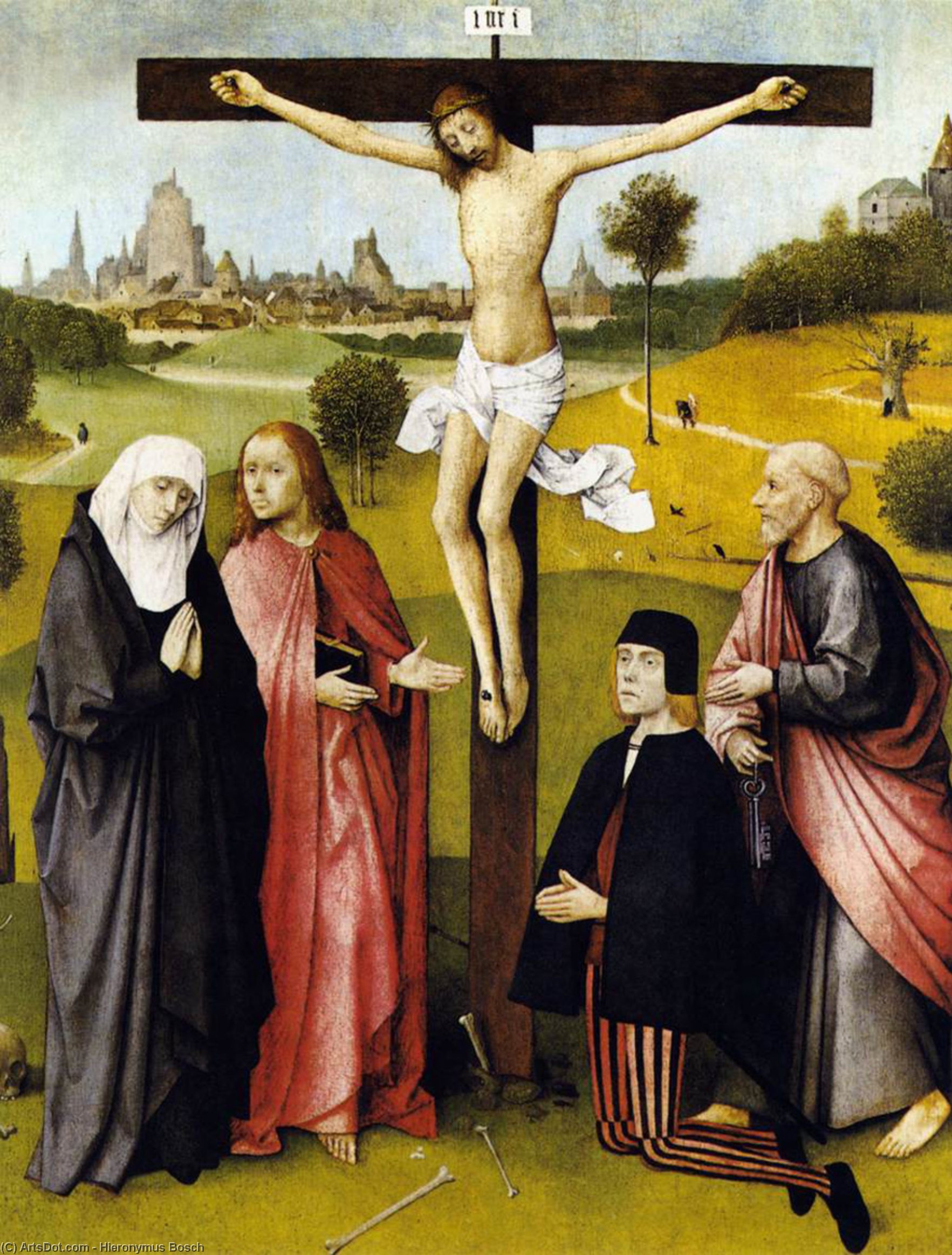
Kreuzigung mit einem Stifter
 Öl auf Tafel
- Frühflämische Kunst
 1480
1480- Renaissance
 74.0 x 61.0 cm
 Musées Royaux des Beaux-Arts
 Mehr anzeigen
Handgefertigte Ölreproduktion
Handgemaltes Ölgemälde auf Leinwand in Ihrer Wunschgröße und mit Rahmen, auf Bestellung von unseren Künstlern angefertigt. ( Zum Druck wechseln Zum digitalen Bild wechseln)




P118B €10

P118H €10

P118W €10

P438Z €10

P508JH €12

P508YH €12

P805H €10

P805Z €10

P919BZ €10

P919G €10

P919XJ €10

P959ZH €10

P968JZ €12

W106C €8

W218G €10

W218JH €8

W218Y €10

W307PJ €10

W316G €10

W316PJ €8

W316Y €10

W398PJ €8

W4111J €10

W500HY €15

W500JH €15

W692G €12

W849H €8

W940BG €15

W953PJ €8




Wählen Sie aus unseren vordefinierten Formaten, die den ursprünglichen Proportionen des Kunstwerks entsprechen.

Type the width and the height you need, to fit your frame or your wall. This is hand-painted, so for a size with a different shape the artist can paint a bit more around the picture, or cut a bit — you choose. We send you a digital mockup to approve before the painting starts. The picture shown on this page does not show the real result — only the mockup does.
Nach der Bestellung wird das OriginalUniqueArt.com-Team dem Kunden Anweisungen per E-Mail zusenden und eine Mockup-Vorschau bereitstellen.
Weltweiter Versand () in nur 3 bis 4 Wochen statt der üblichen 5 Wochen. (14 Oktober). Keine Kompromisse bei der Qualität.

Kostenloser weltweiter Expressversand

Hochwertige Leinenleinwand

Vollständiger Versicherungsschutz beim Versand

Zollgebühren-Rückerstattungsgarantie

Garantie für exakte Farbtreue

100-tägiges Rückgaberecht (nur bei Mängeln)

100% Geld-zurück-Garantie

Angebot für Mengenrabatt
 Die Glasoption ist nur für Größen unter 110 cm verfügbar.

Kreuzigung mit einem Stifter
Reproduktionsmedium
Format der Reproduktion
-


Gesamtpreis
€ 325
A Window into Faith and Mystery: Hieronymus Bosch’s *Crucifixion with a Donor*
This captivating oil on panel, created around 1480 by the enigmatic Hieronymus Bosch, offers a profound meditation on faith, suffering, and salvation. Currently housed at the Musées Royaux des Beaux-Arts in Brussels, Belgium, this work exemplifies the distinctive style of the Early Netherlandish movement – a pivotal moment in Northern Renaissance art. Measuring 74 x 61 cm, it’s a piece that rewards close contemplation, revealing layers of symbolism and artistic mastery.Subject and Composition
The painting centers on the harrowing scene of Christ's crucifixion. Bosch doesn’t present a graphic depiction of agony; instead, he focuses on the solemnity and spiritual weight of the event. Figures surround the cross – some kneeling in reverence, others observing with quiet contemplation. A prominent figure, richly dressed and holding symbols of authority (a crown and scepter), is believed to be a donor or a representation of earthly power witnessing this divine sacrifice. The composition is tightly framed, drawing the viewer’s eye directly to Christ and fostering an intimate connection with the scene. A landscape unfolds in the background, providing depth but remaining subordinate to the central drama.Bosch's Unique Style & Technique
Bosch was a true original, and *Crucifixion with a Donor* showcases his signature style. He masterfully blends realism with fantastical elements, creating an atmosphere that is both grounded in earthly observation and imbued with spiritual mystery. His technique involved building up layers of translucent oil glazes on oak panel, resulting in luminous colors and incredibly fine detail. The precision of the lines defining figures and architectural elements speaks to a meticulous approach, while the overall effect is one of otherworldly beauty.Symbolism & Interpretation
Bosch’s work is renowned for its complex symbolism, and this painting is no exception. The inclusion of seemingly minor details – a book, a bird in flight, a cup placed to the right – invites multiple interpretations. The donor figure may represent the patron who commissioned the work, but also symbolizes humanity's role in Christ’s sacrifice. The bird, often associated with the soul or divine messenger, could signify hope or spiritual ascension. Each element contributes to a rich tapestry of meaning, encouraging viewers to engage actively with the artwork and formulate their own understanding.Historical Context & Artistic Significance
Painted during a period of religious fervor and artistic innovation, *Crucifixion with a Donor* reflects the spiritual concerns of the late 15th century. Bosch’s work stands apart from the more conventional depictions of the crucifixion prevalent at the time. He wasn’t interested in simply illustrating biblical narratives; he sought to explore the psychological and spiritual dimensions of faith. He influenced generations of artists, including Pieter Bruegel the Elder, and continues to inspire awe and fascination today. This piece is a testament to the artistic evolution within the Early Netherlandish Art Movement, demonstrating its unique blend of realism, symbolism, and religious devotion.Emotional Impact & Interior Design
This painting evokes a sense of solemnity, contemplation, and spiritual yearning. While depicting a tragic event, it doesn’t dwell on brutality but rather emphasizes the profound sacrifice at its heart. Its muted color palette – dominated by earth tones with accents of vibrant red – lends itself well to various interior design schemes.- In a traditional setting, it would complement dark wood furnishings and rich textiles.
- A more modern space could use the painting as a focal point, contrasting its historical style with contemporary elements.
- Its contemplative mood makes it ideal for libraries, studies, or meditation spaces.
Fragen & Antworten
Ist "Kreuzigung mit einem Stifter" als Kunstdruck erhältlich?
"Kreuzigung mit einem Stifter" is available as ein Fine Art Print auf Baumwollkanvas oder Archiv-Leinwandpapier. Orders are placed on its Fine Art Print page, in the size of your choice.
Welche nationale Herkunft steht hinter der Frühflämische Kunst von „Kreuzigung mit einem Stifter“?
"Kreuzigung mit einem Stifter" wurde von Hieronymus Bosch geschaffen, der in Niederlande geboren wurde, und ist der Frühflämische Kunst-Bewegung zuzuordnen. Die Herkunft des Künstlers verbindet das Werk mit der Frühflämische Kunst, wie sie von Künstlern aus Niederlande praktiziert wird.
Wie fügt sich „Kreuzigung mit einem Stifter“ in die Themen und den Stil von Hieronymus Bosch ein?
"Kreuzigung mit einem Stifter" gehört zu Hieronymus Boschs Werk der Frühflämische Kunst-Epoche, dessen dokumentierte Themen unter anderem religiöse allegorie & symbolik, mittelalterliche moralphragen, frührenaissance einflüsse, menschliches leiden & urteil, boschs düstere visionen, spende als kritik, komplex, schichtweise erzählung umfassen.
Biografie des Künstlers
Leben und Karriere
Hieronymus Bosch, ein bedeutender niederländischer/niederländischer Maler aus Brabant, wurde um 1450 in 's-Hertogenbosch, Niederlande, geboren. Sein Leben bleibt einem Mysterium geweiht, mit nur wenigen Aufzeichnungen über seine Existenz. Trotz des Mangels an biografischen Informationen hat sich Boschs Kunst einen tiefgreifenden Einfluss auf die nordeuropäische Kunst erarbeitet, insbesondere im 16. Jahrhundert.Künstlerischer Stil und Einflüsse
Boschs einzigartiger Stil, der durch **surreale und fantasievolle Darstellungen religiöser Themen** gekennzeichnet ist, hat weitreichende Einflüsse ausgeübt. Seine Ölgemälde auf Eichenholz, oft mit **düsteren und traumhaften Visionen der Hölle** ausgestattet, wurden zahlreichen Interpretationen unterzogen. Das Triptychon des letzten Gerichts (ca. 1480-1490) und das Garten der sinnlichen Freuden (ca. 1490-1510) sind zwei seiner bekanntesten Werke, die seine Meisterschaft in der Technik demonstrieren.Bekannte Werke und Sammlungen
* Aufstieg der Seligen (Nordische Renaissance, Öl auf Holzplatte): Ein seltenes Beispiel von Boschs Werk, das eine traumhafte, andereweltliche Szene zeigt. * Epifanie (ca. 1495, Prado Museum, Madrid): Ein Triptychon, das Boschs innovative Verwendung von Öl auf Holz demonstriert. * Kopf eines Halberdiers (Prado Museum, Madrid): Ein feines Beispiel für Boschs Porträtkunst, das seine Detailgenauigkeit zeigt.Museen und Sammlungen mit Boschs Werken
* Das Prado Museum, Madrid: Beherbergt einige seiner berühmtesten Werke, darunter Epifanie und das Triptychon des letzten Gerichts. * Das Philadelphia Museum of Art, Philadelphia: Präsentiert eine Version der Epifanie und bietet so einen einzigartigen Blick auf Boschs künstlerischen Stil.- Erfahren Sie mehr über die Werke von Hieronymus Bosch unter https://OriginalUniqueArt.com/@/hieronymus-bosch
- Entdecken Sie die frühe niederländische Kunstbewegung und ihre wichtigsten Figuren, darunter Jan van Eyck und Pieter Bruegel der Ältere, unter https://OriginalUniqueArt.com/@@/a@d3cpaf-the-erly-netherlandish-art-movement
- Erfahren Sie mehr über das Leben und Werk von Pieter Bruegel dem Älteren unter https://en.wikipedia.org/wiki/pieter_bruegel_the_elder
Vermächtnis
Hieronymus Boschs rätselhafter Stil hat Kunstliebhaber seit Jahrhunderten in seinen Bann gezogen, und sein Einfluss ist auch heute noch bei zahlreichen Künstlern zu sehen. Seine einzigartige Kombination aus **Surrealismus und tiefgründigen Einsichten in die menschliche Natur** hat seine Position als Meister der niederländischen Malerei gefestigt.
Hieronymus Bosch
1450 - 1516 , Niederlande
Eckdaten zum Künstler
- Beeinflusste Künstler: ['Pieter Bruegel d.Ä.']
- Bemerkenswerte Werke:
- Garten der Lüste
- Letztes Gericht Triptychon
- Aufstieg der Seligen
- Epiphanias
- Geburtsdatum: ca. 1450
- Geburtsort: 's-Hertogenbosch, Niederlande
- Künstlerische Einflüsse:
- Jan van Eyck
- Pieter Bruegel d.Ä.
- Künstlerischer Stil: Frühflämische Malerei
- Nationalität: Niederländisch
- Sterbedatum: 1516
- Vollständiger Name: Hieronymus Bosch
Verwandte Artikel

The Enduring Legacy of Oil on Canvas: Technique, History & Aesthetic Impact
Explore the rich history & techniques of oil painting – from Renaissance masters to Impressionism. Discover pigments, layering methods, and why this timeless medium endures. Expert insights for artists & art enthusiasts.

The Enduring Power of Painting: A Historical & Contemporary Exploration of Form and Emotion
Explore the rich history & enduring techniques of oil painting with OriginalUniqueArt. Discover masterpieces, learn about art collecting, and find authentic handmade reproductions crafted by skilled artists.
Hieronymus Bosch: Die Entschlüsselung einer visionären Meisterwerk und seiner tiefgründigen Symbolik
Entdecken Sie die faszinierende Welt des Hieronymus Bosch! Unsere Expertenanalyse enthüllt die tiefgründige Symbolik seiner Meisterwerke, von 'Der Garten der Lüste' bis zum Triptychon des Heiligen Antonius. Erfahren Sie mehr über Leben, Werk und bleibenden Einfluss dieses einzigartigen Künstlers.
Öl auf Holz: 10 Meisterwerke, die Kunstgeschichte veränderten |
Entdecken Sie die 10 legendärsten Gemälde auf Holz – von Renaissance bis Impressionismus! Erfahren Sie die Geschichten der Künstler & ihre Meisterwerke. Hochwertige Reproduktionen bei .
Hieronymus Bosch: Die 25 Meisterwerke des düsteren Genies – Kunst für Ihr Zuhause | OriginalUniqueArt
Entdecken Sie die 25 faszinierendsten Meisterwerke von Hieronymus Bosch! Tauchen Sie ein in die düstere Schönheit niederländischer Malerei, religiöse Symbolik und fantastische Welten. Hochwertige Kunstdrucke & Inspiration für Ihr Zuhause auf OriginalUniqueArt.com.


