

 In echtem Maßstab anzeigen
 Versenden als Grußkarte
 Teilen
 Details anzeigen
 Leitfaden öffnen

 Herunterladen
 Ähnliche Objekte
 Röntgenaufnahme
 Diashow
 Besucherstatistiken
A Bristol Committee
 Oil On Canvas
- WallArt
- Contemporary Realism
 1921
1921 23.0 x 33.0 cm
 Bristol Museum – Kunstgalerie
 Mehr anzeigen
Die auf dieser Seite dargestellten Kunstwerke sind urheberrechtlich geschützt, was bedeutet, dass wir keine identische Reproduktion rechtmäßig erstellen oder verkaufen dürfen. Dieser Schutz wird durch internationale Abkommen wie die Berner Übereinkunft und durch nationale Gesetze, einschließlich derer, die von den ... festgelegt wurden US-Urheberrecht – Titel 17.
Diese Methode entspricht vollumfänglich den Urheberrechtsbestimmungen, da sie keine Kopie oder Vervielfältigung des geschützten Kunstwerks darstellt. Stattdessen handelt es sich um eine kreative Neuinterpretation – ein neues Gemälde, das vom Original inspiriert, aber nicht identisch mit ihm ist.
Giclée / Kunstdruck
Giclée- oder Leinwanddruck in Museumsqualität mit schneller Produktion und flexiblen Veredelungsoptionen. ( Handgemalte Reproduktion kaufen Zum digitalen Bild wechseln)




P118B €10

P118H €10

P118W €10

P438Z €10

P508JH €12

P508YH €12

P805H €10

P805Z €10

P919BZ €10

P919G €10

P919XJ €10

P959ZH €10

P968JZ €12

W106C €8

W218G €10

W218JH €8

W218Y €10

W307PJ €10

W316G €10

W316PJ €8

W316Y €10

W398PJ €8

W4111J €10

W500HY €15

W500JH €15

W692G €12

W849H €8

W940BG €15

W953PJ €8




Wählen Sie aus unseren vordefinierten Formaten, die den ursprünglichen Proportionen des Kunstwerks entsprechen.

Geben Sie die Breite und die Höhe an, die Sie benötigen, damit der Druck perfekt in Ihren Rahmen oder an Ihre Wand passt. Ein Druck kann nur beschnitten werden und niemals größer als das Originalbild gemacht werden; daher verliert ein Format mit einer anderen Proportion einen Teil des Bildes. Wir senden Ihnen ein digitales Mockup zur Freigabe, bevor wir den Druck ausführen. Das auf dieser Seite gezeigte Bild zeigt nicht den tatsächlichen Beschnitt – dies ist nur im Mockup ersichtlich.
Weltweiter Versand () innerhalb von 2 Wochen statt der üblichen 4/5 Wochen. (25 Oktober)

Kostenloser weltweiter Expressversand

Hochwertige Leinenleinwand

Vollständiger Versicherungsschutz beim Versand

Zollgebühren-Rückerstattungsgarantie

Garantie für exakte Farbtreue

100-tägiges Rückgaberecht (nur bei Mängeln)

100% Geld-zurück-Garantie

Angebot für Mengenrabatt
 Die Glasoption ist nur für Größen unter 110 cm verfügbar.

A Bristol Committee
Giclée / Kunstdruck
Format der Reproduktion
-


Gesamtpreis
€ 70
A Glimpse into Authority: Henry Lamb’s “A Bristol Committee”
Henry Lamb's "A Bristol Committee," painted in 1921, isn’t merely a depiction of a boardroom meeting; it’s a carefully constructed tableau of power, deliberation, and the quiet weight of professional life. The canvas breathes with an understated formality, capturing a moment suspended between decision and action within the heart of Bristol's burgeoning commercial landscape. Lamb, a key figure in British Primitivism – a movement that sought to capture raw emotion and subjective experience rather than photographic realism – imbues this scene with a palpable sense of seriousness and restrained energy.
The composition immediately draws the eye to the central group of men seated around the imposing wooden table. Their postures, rendered with meticulous detail, suggest both engagement and a certain guardedness. The arrangement isn’t haphazard; it's deliberately structured, reflecting the hierarchical nature of the setting. A window in the background offers a subtle, almost melancholic view of an exterior world – a reminder that these men are bound by duty and responsibility within their enclosed space. Lamb masterfully employs perspective to create depth, drawing the viewer’s eye towards the receding table and hinting at the vastness of the room, while simultaneously anchoring us in the immediate intimacy of the conversation.
The Language of Form: Technique and Style
Lamb's technique is distinctly characterized by a blend of realism and expressive brushwork. He utilizes oil paints with remarkable control, building up layers of color to achieve a rich, textured surface. The muted palette – dominated by browns, greens, and blues – contributes significantly to the painting’s somber atmosphere. Notice how he subtly models forms through variations in tone and shadow, giving each figure a tangible presence. The brushstrokes themselves are visible, adding a layer of immediacy and spontaneity that contrasts with the overall sense of formality. This interplay between meticulous detail and expressive gesture is a hallmark of Lamb's style – a testament to his ability to capture both the objective reality and the subjective experience of his subjects.
- Color Palette: Muted browns, greens, blues - evoking seriousness and restraint.
- Brushwork: Visible yet controlled, blending realism with expressive energy.
- Perspective: Creates depth and anchors the viewer within the scene’s enclosed space.
A Window into a Time: Historical Context
“A Bristol Committee” was painted in 1921, a period of significant social and economic transformation in Britain. Bristol, a major port city with deep roots in trade and industry, was experiencing rapid growth and modernization. The painting reflects this dynamism, capturing the spirit of a city engaged in shaping its future. The presence of these men – likely representatives of local businesses or civic organizations – speaks to the importance of commerce and governance within Bristol’s community. It's a snapshot of a society grappling with the complexities of progress and the responsibilities that come with it.
Lamb’s work is deeply intertwined with the broader context of British Primitivism, a movement that emerged in response to the perceived artificiality of academic art. Artists like Lamb sought to capture raw emotion and subjective experience through direct observation and expressive brushwork, rejecting idealized representations in favor of a more immediate and visceral approach. This commitment to capturing the essence of his subjects is evident in the painting’s powerful sense of atmosphere and its subtle portrayal of human interaction.
Symbolism and Emotional Resonance
Beyond its surface depiction, “A Bristol Committee” carries a wealth of symbolic meaning. The large table serves as a focal point, representing the space for negotiation, decision-making, and the exercise of authority. The men themselves embody the weight of responsibility and the complexities of leadership. The muted colors and somber atmosphere contribute to a sense of seriousness and contemplation – suggesting that these are not frivolous discussions but rather weighty matters at hand. Ultimately, Lamb’s painting invites us to consider the nature of power, the dynamics of human interaction, and the enduring questions surrounding commerce and governance.
Fragen & Antworten
Sind die Farben von "A Bristol Committee" von Henry Lamb gesättigt oder gedämpft?
Die Farbpalette von "A Bristol Committee" weist eine Sättigung von Subtle Color auf.
Welche Stimmung vermittelt "A Bristol Committee" von Henry Lamb innerhalb der Contemporary Realism?
"A Bristol Committee" vermittelt eine Melancholic emotionale Stimmung innerhalb der Contemporary Realism-Strömung.
Welche nationale Herkunft steht hinter der Contemporary Realism von „A Bristol Committee“?
"A Bristol Committee" wurde von Henry Lamb geschaffen, der in Australien geboren wurde, und ist der Contemporary Realism-Bewegung zuzuordnen. Die Herkunft des Künstlers verbindet das Werk mit der Contemporary Realism, wie sie von Künstlern aus Australien praktiziert wird.
Biografie des Künstlers
Frühes Leben und Ausbildung
- Geboren: Henry Taylor Lamb, 21. Juni 1883, Adelaide, Australien
- Gestorben: 8. Oktober 1960 (77 Jahre alt), Salisbury, Wiltshire, England
- Eltern: Sir Horace Lamb (Professor für Mathematik an der Universität Adelaide)
- Ausbildung: Manchester Grammar School, Manchester University Medical School, Guy’s Hospital, Chelsea School of Art, Académie de La Palette (Paris)
- Sein frühes Leben wurde maßgeblich von der akademischen Karriere seines Vaters und der Umzug seiner Familie nach England geprägt. Er brach 1906 sein Medizinstudium ab, um sich dem Malen zu widmen. Er studierte unter Augustus John an der Chelsea School of Art. Seine Zeit an der Académie de la Palette führte ihn frühzeitig mit kubistischen Ideen in Berührung.
Künstlerische Karriere und Einflüsse
- Früher Stil: Ursprünglich vom Impressionismus beeinflusst, entwickelte sich Lambs Stil hin zu einem ausdrucksstärkeren Postimpressionismus.
- Wichtige Beziehungen: Heiratete Nina Forrest (später Euphemia Lamb) im Jahr 1906; später heiratete er Lady Pansy Pakenham im Jahr 1928. Seine Beziehungen hatten einen bedeutenden Einfluss auf sein Leben und seine künstlerische Arbeit.
- Camden Town Group & London Group: Gründungsmitglied beider Gruppen, was sein Engagement für die Avantgarde-Kunstbewegung in Großbritannien unterstreicht. Diese Zugehörigkeiten platzierten ihn in einem Kreis einflussreicher Künstler, die den Modernismus erforschten.
- Einflüsse: Augustus John war ein wichtiger Einfluss, der sich in Lambs Porträtstil widerspiegelt. Die frühe Auseinandersetzung mit kubistischen Ideen an der Académie de la Palette prägte seinen Ansatz bezüglich Form und Perspektive.
- Bemerkenswerte Werke: Der Tod eines Bauern (ca. 1910) gilt als sein berühmtestes Werk, das seine Fähigkeit zeigt, rohe Emotionen und Realismus einzufangen. Weitere bedeutende Arbeiten sind Porträts von Lytton Strachey und verschiedenen Militärfiguren während des Ersten Weltkriegs.
Erster Weltkrieg und Kriegskunst
- Militärdienst: Qualifizierte sich als Arzt und diente im Royal Army Medical Corps während des Ersten Weltkriegs, wobei er aktiv an der Westfront und in Palästina kämpfte. Er wurde für seinen Mut mit dem Military Cross ausgezeichnet.
- Kriegskünstler: Vom British War Memorials Committee beauftragt, Irische Truppen auf den Judäischen Hügeln überrascht von einem türkischen Bombardement (1919) zu schaffen, das sich heute im Imperial War Museum befindet.
- Spätere Kriegskommissionen: Im Jahr 1940 zum hauptamtlichen Kriegskünstler beim War Office ernannt und produzierte zahlreiche Porträts und Figurenbilder von Soldaten während des Zweiten Weltkriegs. Diese Werke dokumentierten die Realität des Krieges mit Sensibilität und Geschick.
Stil und Vermächtnis
- Porträtkunst: Lamb ist besonders bekannt für seinen unverwechselbaren Porträtstil, der sich durch langgestreckte Figuren, ausdrucksstarke Pinselstriche und einen Fokus auf die Erfassung psychologischer Tiefe auszeichnet. Seine Porträts vermitteln oft ein Gefühl stiller Intensität und Kontemplation.
- Postimpressionismus & Realismus: Obwohl er von postimpressionistischen Techniken beeinflusst war, zeigt Lambs Werk auch ein starkes Engagement für den Realismus, insbesondere in seinen Darstellungen militärischer Themen.
- Mitgliedschaft im Royal Academy: 1940 zum Associate und 1949 zum Vollmitglied der Royal Academy gewählt, was eine Anerkennung von der etablierten Kunstwelt darstellt.
- Treuhänderrollen: War Treuhänder der National Portrait Gallery (1942-?) und der Tate Gallery (1944-1951), was sein Engagement für die Förderung der britischen Kunst unterstreicht.
- Historische Bedeutung: Lambs Werk bietet wertvolle Einblicke in die frühe 20. Jahrhundert britische Gesellschaft, insbesondere durch seine Porträts von prominenten Persönlichkeiten und seine Dokumentation von Kriegserfahrungen. Seine Beiträge zur Camden Town Group und London Group trugen dazu bei, die Entwicklung der modernen britischen Kunst zu gestalten.

Henry Lamb
1883 - 1960 , Australien
Eckdaten zum Künstler
- Bemerkenswerte Werke:
- Death of a Peasant
- Irische Truppen im Judäa
- Sergeant Watts, Royal Tank
- The Poor Bloody Infantry
- Geburtsdatum: 21. Juni 1883
- Geburtsort: Adelaide, Australien
- Künstlerische Einflüsse: ['Augustus John']
- Künstlerische Richtung: Post-Impressionismus
- Nationalität: Britisch
- Sterbedatum: 8. Oktober 1960
- Vollständiger Name: Henry Taylor Lamb
Verwandte Artikel

Öl auf Leinwand: Eine historische und technische Erkundung eines zeitlosen künstlerischen Mediums
Entdecken Sie die faszinierende Welt der Ölmalerei! Von historischen Techniken bis zur modernen Anwendung – wir bieten Expertenwissen, Restaurierungstipps und hochwertige Reproduktionen. Jetzt informieren!

Henri Matisse: Die 25 Meisterwerke des Farbgenies – Kunst für Ihr Zuhause | OriginalUniqueArt
Entdecken Sie die 25 Meisterwerke von Henri Matisse! Tauchen Sie ein in die Welt des Fauvismus, der leuchtenden Farben und ikonischen Formen. Kunstreproduktionen & Inspiration für Ihr Zuhause – exklusiv auf OriginalUniqueArt.com.
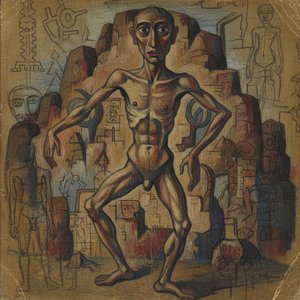
Henry Lamb: Reassessing Modern British Primitivism & the Poetics of Discomfort
Explore the compelling work of Henry Lamb, a key figure in British Primitivism. Discover his unsettling portraits, poignant war art & unique artistic vision. A deep dive into his life and legacy.

The Enduring Power of Painting: A Historical & Contemporary Exploration of Form and Emotion
Explore the rich history & enduring techniques of oil painting with OriginalUniqueArt. Discover masterpieces, learn about art collecting, and find authentic handmade reproductions crafted by skilled artists.

The Enduring Legacy of Oil on Canvas: Technique, History & Aesthetic Impact
Explore the rich history & techniques of oil painting – from Renaissance masters to Impressionism. Discover pigments, layering methods, and why this timeless medium endures. Expert insights for artists & art enthusiasts.


