
 Vorschau anzeigen
 Versenden
 Teilen
 Details anzeigen
 Leitfaden

 Herunterladen
 Ähnliche Objekte
 Röntgenaufnahme
 Diashow
 Fragen & Antworten
 Statistiken
Provençal Winter


 Weiterlesen
Giclée / Kunstdruck
Giclée- oder Leinwanddruck in Museumsqualität mit schneller Produktion und flexiblen Veredelungsoptionen. ( Handgemalte Reproduktion bestellen Zum digitalen Bild wechseln)




P118B €10

P118H €10

P118W €10

P438Z €10

P508JH €12

P508YH €12

P805H €10

P805Z €10

P919BZ €10

P919G €10

P919XJ €10

P959ZH €10

P968JZ €12

W106C €8

W218G €10

W218JH €8

W218Y €10

W307PJ €10

W316G €10

W316PJ €8

W316Y €10

W398PJ €8

W4111J €10

W500HY €15

W500JH €15

W692G €12

W849H €8

W940BG €15

W953PJ €8




Wählen Sie aus unseren vordefinierten Formaten, die den ursprünglichen Proportionen des Kunstwerks entsprechen.

Geben Sie die benötigte Breite und Höhe an, damit der Druck perfekt in Ihren Rahmen oder an Ihre Wand passt. Ein Druck kann nur beschnitten, aber niemals größer als das Originalbild angefertigt werden; daher verliert ein Format mit anderen Proportionen einen Teil des Bildes. Wir senden Ihnen ein digitales Mockup zur Freigabe, bevor wir den Druck ausführen. Das auf dieser Seite gezeigte Bild zeigt nicht den tatsächlichen Beschnitt – dies ist nur im Mockup ersichtlich.
Weltweiter Versand () innerhalb von 2 Wochen statt der üblichen 4/5 Wochen. (4 November)

Kostenloser weltweiter Expressversand

Hochwertige Leinenleinwand

Umfassender Versicherungsschutz beim Versand

Zollgebühren-Rückerstattungsgarantie

Garantie für exakte Farbtreue

100 Tage Rückgaberecht (nur bei Mängeln)

100% Geld-zurück-Garantie

Mengenrabatt verfügbar
 Die Glasoption ist nur für Größen unter 110 cm verfügbar.

Provençal Winter
Giclée / Kunstdruck
Format der Reproduktion
-


Endpreis
€ 72
A Moment Frozen in Provençal Light: Exploring Henry Herbert La Thangue’s “Provençal Winter”
Henry Herbert La Thangue's "Provençal Winter," painted in 1903, isn’t merely a depiction of a rural scene; it’s an immersion into the very soul of the South of France. This oil on canvas transports us to a sun-drenched hillside, where a woman diligently harvests lemons beneath a canopy of roses and ancient trees – a tableau brimming with quiet industry and understated beauty. La Thangue, a key figure in the New English Art Club movement, masterfully captured the essence of Impressionism while firmly rooted in British realist tradition, creating an artwork that resonates with both familiarity and exotic allure.
The painting’s genesis lies within La Thangue's extensive travels throughout Europe. Following his time in Paris, where he honed his skills under Jean-Léon Gérôme, the artist sought to translate the vibrant light and atmosphere of Provence onto canvas. This period marked a significant shift in his style – moving away from purely academic representation towards a more evocative approach that prioritized capturing fleeting moments of natural beauty. “Provençal Winter” exemplifies this evolution; it’s less about precise detail and more about conveying the feeling of warmth, tranquility, and the rhythm of rural life.
Decoding the Palette: Technique and Artistic Choices
La Thangue's technique is characterized by a remarkable sensitivity to light and color. He employs broken brushstrokes – short, distinct marks that blend optically rather than through meticulous layering – creating a shimmering effect reminiscent of sunlight filtering through foliage. The dominant hues are warm earth tones: ochres, siennas, and umbers create the foundation for the landscape, while bursts of pink from the roses and the pale yellows of the lemons inject vibrant energy into the composition. Notice how he uses subtle gradations of color to suggest depth and volume; the distant trees recede into a hazy blue-grey, creating an illusion of atmospheric perspective.
The artist’s choice of medium – oil on canvas – further contributes to the painting's richness and texture. The slow drying time of oil paint allowed La Thangue to build up layers of color gradually, achieving a remarkable sense of luminosity and tactile quality. He skillfully utilizes impasto—thickly applied paint—to accentuate the rough bark of the trees and the textured surface of the lemons, adding a tangible dimension to the scene.
Symbolism and Narrative Resonance
Beyond its aesthetic beauty, “Provençal Winter” is rich in symbolic meaning. The woman harvesting lemons represents not just labor but also abundance, fertility, and the cyclical nature of life. Lemons, traditionally associated with prosperity and vitality, are a potent symbol within this context. The roses, with their delicate fragrance and vibrant color, evoke themes of love, beauty, and fleeting moments of joy. The scene itself suggests a harmonious relationship between humanity and nature – a quiet celebration of the simple pleasures of rural existence.
Furthermore, the painting’s setting—a sun-drenched hillside in Provence—holds historical significance. The region has long been associated with artistic inspiration, attracting painters like Cézanne and Van Gogh who sought to capture its unique light and atmosphere. La Thangue's work reflects this legacy, drawing upon the traditions of plein air painting while forging his own distinctive style.
A Timeless Masterpiece: Reproduction and Legacy
"Provençal Winter" stands as a testament to Henry Herbert La Thangue’s artistic vision and technical skill. OriginalUniqueArt.com offers meticulously crafted, hand-painted oil reproductions that faithfully capture the essence of this iconic artwork. These reproductions are created by skilled artisans using high-quality materials, ensuring that they retain the luminosity, texture, and emotional impact of the original. Whether adorning a living room wall or gracing a corporate office, “Provençal Winter” continues to evoke feelings of serenity, warmth, and timeless beauty—a perfect embodiment of the idyllic charm of Provence.
Fragen & Antworten
Welche Platzierung passt zum Format von "Provençal Winter" von Henry Herbert La Thangue?
Das Format Landscape von "Provençal Winter" von Henry Herbert La Thangue wird für ein Living Room empfohlen. Format und Raumgestaltung leiten gemeinsam die Platzierung einer Reproduktion.
Ist "Provençal Winter" typisch für das Werk von Henry Herbert La Thangue?
Unter den dokumentierten Themen von Henry Herbert La Thangue – landscape focus, british countryside, light & color study, french plein air, impressionist light, rural british scene, rural life values, seasonal beauty – setzt „Provençal Winter“ einen ganz eigenen Fokus auf rural landscape, winter scene, floral composition, lemon still life, british countryside, impressionist colors, peaceful setting.
Welche Farbe dominiert in "Provençal Winter" von Henry Herbert La Thangue?
Die dominante Farbe von "Provençal Winter" von Henry Herbert La Thangue ist Clay (#9c7232).
Künstlerbiografie
Der visionäre Realismus von Henry Herbert La Thangue
Henry Herbert La Thangue nimmt eine zentrale Stellung im Gefüge der britischen realistischen Landschaftsmalerei ein – ein Meister, dessen Pinsel die stille Würde der englischen Landschaft und das flüchtige Licht des europäischen Kontinents einzufangen wusste. Geboren 1859 in Croydon, Surrey, begann seine künstlerische Reise inmitten des intellektuellen Aufbruchs im viktorianischen London. Geprägt durch die Verbindung zu Mitstreitern wie Stanhope Forbes und Frederick Goodall während seiner Zeit am Dulwich College, entwickelte La Thangue schon früh eine tiefe Wertschätzung für akribische Beobachtung. Diese prägende Phase festigte in ihm eine Hingabe zum Detail, die zum Markenzeichen seines bleibenden Vermächtnisses werden sollte.
Seine formale Ausbildung war von strenger Disziplin geprägt und umfasste sowohl die Lambeth School of Art als auch die prestigeträchtige Royal Academy in London. Das Jahr 1879 erwies sich als Wendepunkt, als ihm eine begehrte Goldmedaille verliehen wurde – ein Erfolg, der ihn zu einem transformativen Stipendium in das Atelier von Jean-Lund Gérôme nach Paris führte. In diesem französischen Umfeld begegnete La Thangue dem Ethos der Barbizon-Schule. Während seine Lehrer gelegentlich seine Neigung zum Romantischen kritisierten, gelang es La Thangue, die Prinzipien der plein air-Malerei mit einer unerschütterlichen Hingabe zum Realismus zu verschmelzen, indem er lernte, die unmittelbare, atmosphärische Essenz des natürlichen Lichts einzufangen.
Eine Reise durch Licht und Landschaft
La Thangues schöpferischer Geist kannte keine Grenzen. Zwischen 1881 und 1882 ermöglichten ihm Expeditionen nach der Bretagne und ins Rhonetal bei Donzère, in die vielfältigen Landschaften Frankreichs einzutauchen. Diese Reisen erweiterten seinen künstlerischen Horizont und führten eine Palette aus sanften Farben und stiller Schönheit ein, die sich später in Werken wie „A Provençal Stream“ manifestieren sollte. Dieses Stück dient als heiteres Zeugnis seiner impressionistischen Einflüsse, wobei die Bewegung des Wassers und die Wärme der Sonne mit einem zarten, evokativen Pinselstrich dargestellt werden.
Nach seiner Rückkehr nach England im Jahr 1886 wurde La Thangue zu einem aktiven Teilnehmer an den sich wandelnden Strömungen des britischen Kunstbetriebs. Seine Mitgliedschaft im Royal Institute of Oil Painters festigte seinen beruflichen Status, doch im Herzen blieb er ein Reformer. Sein Engagement in der Bewegung, den traditionalistischen Griff der Royal Academy herauszufordern, trug letztlich zur Gründung des New English Art Club (NEAC) bei. Über dieses neue Forum setzte er sich für einen demokratischeren Kunstansatz ein und präsentierte Werke, die die ehrliche, ungeschönte Schönheit des Landlebens und die Arbeit der arbeitenden Klasse feierten.
Meisterschaft der ländlichen Erzählung
Die wahre Seele von La Thangues Œuvre liegt in seiner Fähigkeit, gewöhnliche landwirtschaftliche Szenen in tiefgreifende emotionale Erlebnisse zu verwandeln. In seinen späteren Jahren, insbesondere während seiner Zeit in South Walsham, Norfolk, vertiefte sich sein Fokus auf die Rhythmen des Landes. In Meisterwerken wie „The Last Furrow“ (1895) fängt er die ergreifende Schönheit der Ernte ein und nutzt dabei eine realistische Technik, welche die Mühsal und die Anmut des ländlichen Daseins ehrt. Seine Arbeiten verwenden oft eine reiche Impasto-Textur, um der auf seiner Leinwand dargestellten Erde und dem Himmel physisches Gewicht zu verleihen.
Vielleicht kein Werk verkörpert seine Fähigkeit, Symbolik mit Naturalismus zu verbinden, besser als „Nightfall“, auch bekannt als „The Gleaners“. In diesem bewegenden Ölgemälde von 1895 nutzt La Thangue warme Farben und das Gefühl herannahenden Schattens, um die Feierlichkeit der Erntezeit heraufzubeschwören. Durch seine Augen ist die Landschaft nicht bloß eine Kulisse, sondern ein lebendiger Charakter, durchdrungen von der Geschichte derer, die auf ihr arbeiten. Sein Vermächtnis bleibt ein wesentlicher Bestandteil der Tradition der Newlyn School und bietet ein Fenster in eine vergangene Ära des britischen pastoralen Lebens – betrachtet durch eine Linse exquisiten, lichtdurchfluteten Realismus.

Henry Herbert La Thangue
1859 - 1929 , Vereinigtes Königreich
Kurzinfos
- Artistic Movement Or Style: Realist Landschaftsgemälde & Genrebilder
- Artists Who Influenced This Artist:
- Jean-Léon Gérôme
- Bastien Lepage
- Dagnan Bouveret
- Date Of Birth: 1859
- Full Name: Henry Herbert La Thangue
- Nationality: Englisch
- Notable Artworks:
- Die Apfelbaumwiese
- Der Erntearbeiter
- Der Mann mit dem Dreschflegel
- Place Of Birth: Croydon, Vereinigtes Königreich
Ähnliche Artikel

Impressionistische Landschaften: Die 10 Meisterwerke, die eine Epoche prägten | OriginalUniqueArt
Entdecken Sie die 10 Meisterwerke des Impressionismus! Von Monet bis Renoir – erleben Sie die Geschichte, Technik und zeitlose Schönheit ikonischer Landschaftsbilder. Hochwertige Kunstdrucke auf OriginalUniqueArt.com. Jetzt entdecken!
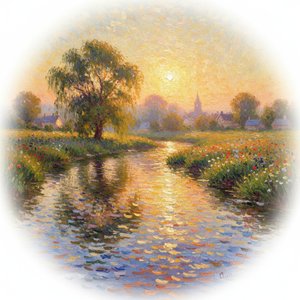
Capturing Light: A Masterclass in the Ethereal Beauty of Impressionistic Landscapes
Explore the ethereal beauty of Impressionist landscapes. Discover how masters like Monet captured fleeting light through color and texture, and learn to curate these timeless, luminous masterpieces for your home collection.

Die 25 besten Gemälde von Paul Cézanne: Meisterwerke der Form
Entdecken Sie die 25 Meisterwerke von Paul Cézanne und den Postimpressionismus. Alle Klassiker auf OriginalUniqueArt.com online erleben.

Evocations of Place: A Historical Journey Through Landscape Art
Explore the rich history of landscape art with OriginalUniqueArt. Discover renowned artists, movements like Impressionism & Romanticism, and expert guidance for collecting timeless pieces. Find your perfect serene escape today!

Impressionistische Landschaften: Die 10 Meisterwerke, die eine Kunstrichtung prägten | OriginalUniqueArt
Entdecken Sie die 10 Meisterwerke des Impressionismus! Von Monet bis Van Gogh – erleben Sie die Geschichten hinter berühmten Landschaftsbildern. Hochwertige Kunst Reproduktionen für Ihr Zuhause auf OriginalUniqueArt.com.
