

 Vorschau anzeigen
 Versenden
 Teilen
 Details anzeigen

 Herunterladen
 Ähnliche Objekte
 Röntgenaufnahme
 Diashow
Le Reflet
 Post-Impressionism
 1904
1904 92.0 x 73.0 cm
 Weiterlesen
Handgefertigte Ölreproduktion
Handgemaltes Ölgemälde auf Leinwand in Ihrer Wunschgröße und mit Rahmen, auf Bestellung von unseren Künstlern angefertigt. ( Druck kaufen Bild kaufen)




































Wählen Sie aus unseren vordefinierten Formaten, die den ursprünglichen Proportionen des Kunstwerks entsprechen.

Sie können Ihre eigenen Maße eingeben, um einen bestimmten Rahmen oder Platz auszufüllen. Wenn die gewählte Größe nicht den Proportionen des Originalbildes entspricht, werden wir das Kunstwerk entweder beschneiden oder das Gemälde durch zusätzliche, handgemalte Elemente erweitern. Ein digitales Mockup wird Ihnen zur Genehmigung zugesandt, bevor die Produktion beginnt.
Bitte beachten Sie, dass die Bildschirmvorschau nicht die tatsächliche Beschneidung oder Erweiterung widerspiegelt. Nur das Mockup zeigt die endgültige Komposition exakt an.
Obwohl Sondermaße verfügbar sind, empfehlen wir, eine Größe aus der vordefinierten Liste zu wählen, um die ursprünglichen Proportionen beizubehalten.
Nach der Bestellung wird das OriginalUniqueArt.com-Team dem Kunden Anweisungen per E-Mail zusenden und eine Mockup-Vorschau bereitstellen.
Weltweiter Versand () in nur 3 bis 4 Wochen statt der üblichen 5 Wochen. (13 August). Keine Kompromisse bei der Qualität.

Kostenloser weltweiter Expressversand

Hochwertige Leinenleinwand

Umfassender Versicherungsschutz beim Versand

Zollgebühren-Rückerstattungsgarantie

Garantie für exakte Farbtreue

60 Tage Rückgaberecht (nur bei Mängeln)

100% Geld-zurück-Garantie

Mengenrabatt verfügbar
 Die Glasoption ist nur für Größen unter 110 cm verfügbar.

Le Reflet
Art der Reproduktion
Format der Reproduktion
-


Gesamtpreis
$ 325
Über den Künstler
Henri Charles Manguin: Pioneer of Fauvist Color
Henri Charles Manguin (1874-1949) stands as a pivotal figure in the history of 20th-century art, indelibly marked by his association with the Fauvist movement. Born in Paris to a family steeped in artistic tradition—his father was a sculptor—Manguin’s early life fostered an appreciation for visual expression that would propel him toward groundbreaking innovation. He enrolled at the École des Beaux-Arts under Gustave Moreau, alongside luminaries like Henri Matisse and Charles Camoin, forging friendships that proved crucial to his artistic trajectory. Like Matisse and Camoin, Manguin undertook ambitious reproductions of Renaissance masterpieces at the Louvre, honing his observational skills and absorbing stylistic nuances from masters past—a practice deeply rooted in the Beaux-Arts tradition and reflecting a desire to engage critically with artistic heritage.Early Influences: Moreau’s Vision
Gustave Moreau exerted a profound influence on Manguin's formative years, championing expressive color and psychological depth as paramount considerations within artistic creation. Moreau’s exploration of symbolism and mythology—particularly his depictions of biblical narratives—provided Manguin with invaluable conceptual frameworks for interpreting the world around him. This intellectual engagement mirrored the broader humanist spirit of the École des Beaux-Arts curriculum, encouraging students to grapple with complex philosophical questions alongside mastering technical skills. Furthermore, Moreau's insistence on conveying emotion through visual means instilled in Manguin a conviction that art should serve as a conduit for profound psychological insight—a principle that would permeate his entire oeuvre.Friendship with Matisse & Camoin: Collaborative Spirit
The camaraderie fostered between Manguin and Henri Matisse proved instrumental in fueling experimentation and challenging conventional artistic norms. Their shared commitment to pushing boundaries extended beyond mere stylistic imitation; it encompassed a willingness to engage in spirited debates about artistic purpose and aesthetic values—a characteristic of the École des Beaux-Arts cohort that sought to redefine the role of art within society. Like Camoin, Manguin recognized the importance of dialogue and collaboration as catalysts for artistic progress—beliefs that underpinned his lifelong pursuit of innovation and cemented his reputation as a visionary artist. Their discussions about color theory and compositional techniques undoubtedly enriched Manguin’s artistic understanding and contributed to the distinctive character of his paintings.Louvre Reproductions: Mastering Renaissance Technique
Manguin's involvement in reproducing Renaissance masterpieces at the Louvre served as an indispensable training ground for honing his observational skills and absorbing stylistic nuances from masters past. This undertaking demanded meticulous attention to detail—a characteristic that would permeate Manguin’s artistic practice throughout his career. He painstakingly studied the techniques employed by artists such as Raphael and Michelangelo, analyzing brushstrokes, pigment layering, and chiaroscuro effects—skills he subsequently applied with remarkable precision in his own landscapes and portraits. The Louvre reproductions instilled in him a deep appreciation for the legacy of Western art history and underscored the importance of grounding artistic innovation within a framework of scholarly understanding.The Birth of Fauvism: Bold Color Rebellion
Manguin’s artistic vision crystallized during the early years of the 20th century, coinciding with the burgeoning of Impressionism—though he swiftly rejected its limitations in favor of a bolder aesthetic approach. Embracing the audacious palette championed by Monet and Renoir, Manguin utilized vibrant pastel hues—particularly yellows and reds—to convey emotion and immediacy—a decisive break from naturalistic representation that would become synonymous with Fauvism. The term “Fauve,” coined by critic Louis Vauxcelles after the Salon d’automne exhibition of 1905—following a scathing critique of Matisse's contribution—captured the movement’s rebellious spirit and its audacious disregard for artistic conventions—a sentiment perfectly embodied by Manguin’s uncompromising stylistic choices. Vauxcelles famously described Fauvist painters as “donatello chez les fauves,” highlighting their deliberate contrast with traditional sculpture and emphasizing the movement’s rejection of academic formalism. This provocative declaration solidified Fauvist identity as a defiant assertion of artistic freedom—a stance that resonated deeply with Manguin's intellectual convictions.Landscape Painting: Capturing Mediterranean Light
Manguin’s landscapes are characterized by an unparalleled intensity of color and texture—reflecting his profound engagement with the beauty of the Mediterranean region. His paintings depict scenes of rugged coastlines, olive groves, and vibrant wildflowers bathed in radiant sunlight—a testament to his unwavering devotion to capturing the essence of nature through color and form. Like Matisse, Manguin skillfully employed impasto technique—layering thick brushstrokes to create palpable surfaces that vibrate with energy—capturing fleeting moments of light and atmosphere with remarkable precision. Works such as “Le Rocher” exemplify this masterful approach—demonstrating his ability to convey emotion and experience through visual means—a hallmark of Fauvist art and a lasting legacy of Manguin’s artistic genius. His landscapes are not merely depictions of scenery; they are expressions of feeling—infused with the spirit of observation and imbued with an unwavering belief in the transformative power of color.
Henri Charles Manguin
1874 - 1949 , Frankreich
Kurzinfos
- Artistic Movement Or Style: Fauvismus
- Artists Who Influenced This Artist:
- Gustave Moreau
- Henri Matisse
- Date Of Birth: 23. März 1874
- Date Of Death: 25. September 1949
- Full Name: Henri Charles Manguin
- Nationality: Französisch
- Notable Artworks:
- Le Rocher
- Jeanne dans un transat à l'oustalet
- Place Of Birth: Paris, Frankreich
Ähnliche Artikel

Impressionismus und Postimpressionismus: Eine vergleichende Analyse
Entdecken Sie die Welt des Impressionismus und Postimpressionismus! Expertenwissen über Künstler wie Monet, Van Gogh & Cézanne. Jetzt lesen!

Postimpressionismus: Die 10 Meisterwerke, die eine Ära prägten –
Entdecken Sie die 10 Meisterwerke des Postimpressionismus! Van Gogh, Cézanne & Co. – ihre Geschichten, Techniken und zeitlose Schönheit. Kunstdrucke in Museumsqualiät auf . Jetzt entdecken!

Jenseits des Impressionismus: Die emotionale Tiefe der postimpressionistischen Malerei
Entdecken Sie die emotionale Tiefe des Postimpressionismus! Analysieren Sie Cézanne, van Gogh, Gauguin & Seurat. Expertenwissen über Kunstgeschichte und Einfluss auf die Moderne.

Impressionism vs. Post-Impressionism: A Masterclass in the Revolution of Light, Color, and Emotion
Master the nuances of Impressionism vs. Post-Impressionism with our expert guide. Explore the revolutionary shift from Monet’s fleeting light to Van Gogh’s emotional depth. Discover how these iconic movements continue to inspire fine art collectors and modern interiors today.
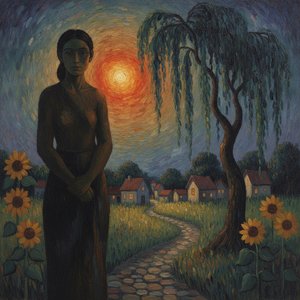
Beyond the Light: Discovering the Soul and Emotional Depth of Post-Impressionism
Embark on a cultural journey through Post-Impressionism. Discover the profound emotional depth of masters like Van Gogh and Cézanne, exploring how they moved beyond light to capture the very soul of human experience through vibrant color and symbolic form.

