
 Vorschau anzeigen
 Versenden
 Teilen
 Details anzeigen

 Herunterladen
 Ähnliche Objekte
 Röntgenaufnahme
 Diashow
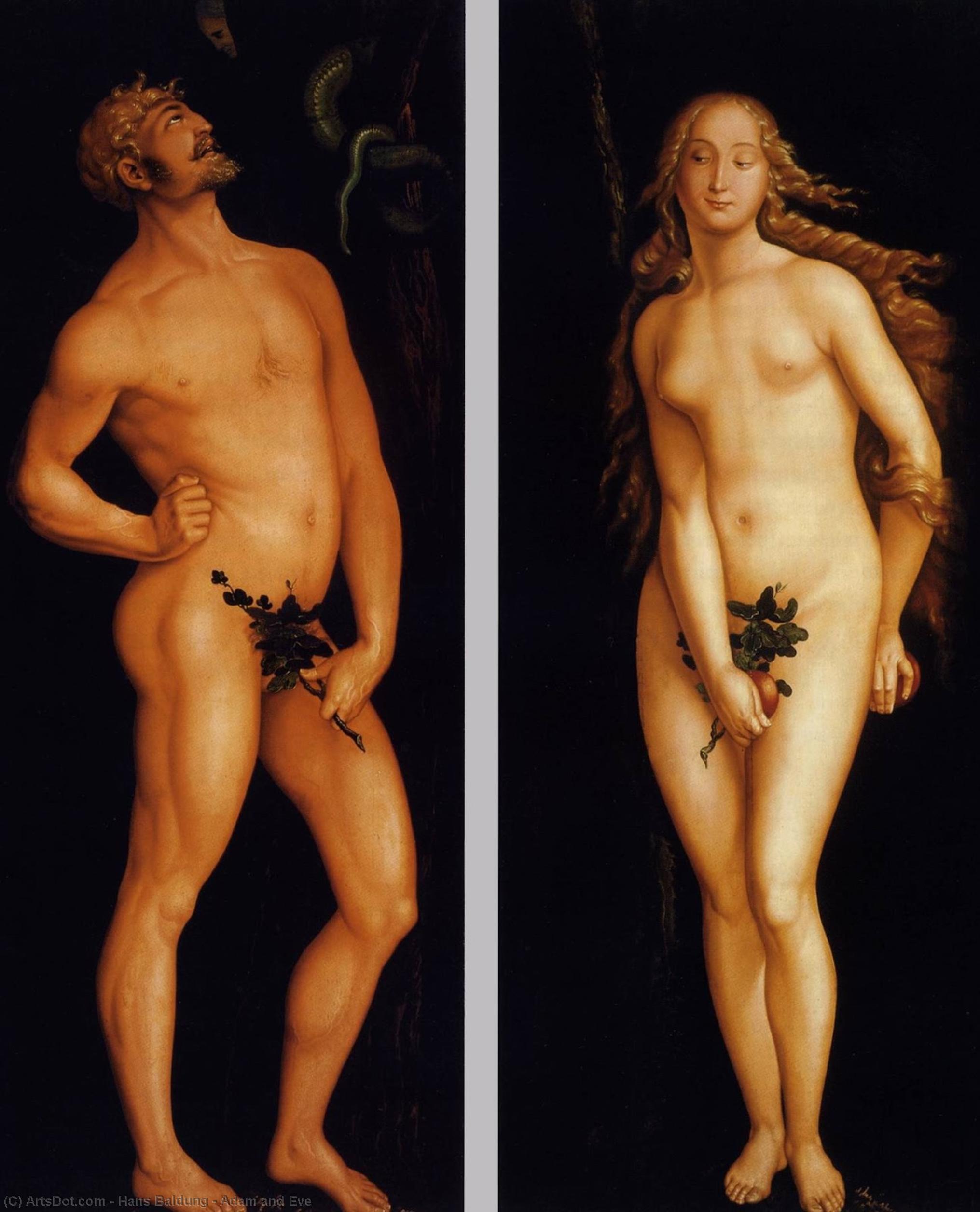
Adam and Eve
 Oil On Panel
- Northern Renaissance
 1524
1524- Renaissance
 208.0 x 83.0 cm
 Weiterlesen
Handgefertigte Ölreproduktion
Handgemaltes Ölgemälde auf Leinwand in Ihrer Wunschgröße und mit Rahmen, auf Bestellung von unseren Künstlern angefertigt. ( Druck bestellen Bild kaufen)




P118B $10

P118H $10

P118W $10

P438Z $10

P508JH $12

P508YH $12

P805H $10

P805Z $10

P919BZ $10

P919G $10

P919XJ $10

P959ZH $10

P968JZ $12

W106C $8

W218G $10

W218JH $8

W218Y $10

W307PJ $10

W316G $10

W316PJ $8

W316Y $10

W398PJ $8

W4111J $10

W500HY $15

W500JH $15

W692G $12

W849H $8

W940BG $15

W953PJ $8




Wählen Sie aus unseren vordefinierten Formaten, die den ursprünglichen Proportionen des Kunstwerks entsprechen.

Sie können Ihre eigenen Maße eingeben, um einen bestimmten Rahmen oder Platz auszufüllen. Wenn die gewählte Größe nicht den Proportionen des Originalbildes entspricht, werden wir das Kunstwerk entweder beschneiden oder das Gemälde durch zusätzliche, handgemalte Elemente erweitern. Ein digitales Mockup wird Ihnen zur Genehmigung zugesandt, bevor die Produktion beginnt.
Bitte beachten Sie, dass die Bildschirmvorschau nicht die tatsächliche Beschneidung oder Erweiterung widerspiegelt. Nur das Mockup zeigt die endgültige Komposition exakt an.
Obwohl Sondermaße verfügbar sind, empfehlen wir, eine Größe aus der vordefinierten Liste zu wählen, um die ursprünglichen Proportionen beizubehalten.
Nach der Bestellung wird das OriginalUniqueArt.com-Team dem Kunden Anweisungen per E-Mail zusenden und eine Mockup-Vorschau bereitstellen.
Weltweiter Versand () in nur 3 bis 4 Wochen statt der üblichen 5 Wochen. (21 August). Keine Kompromisse bei der Qualität.

Kostenloser weltweiter Expressversand

Hochwertige Leinenleinwand

Umfassender Versicherungsschutz beim Versand

Zollgebühren-Rückerstattungsgarantie

Garantie für exakte Farbtreue

60 Tage Rückgaberecht (nur bei Mängeln)

100% Geld-zurück-Garantie

Mengenrabatt verfügbar
 Die Glasoption ist nur für Größen unter 110 cm verfügbar.

Adam and Eve
Art der Reproduktion
Format der Reproduktion
-


Gesamtpreis
$ 300
Beschreibung des Kunstwerks
Hans Baldung's Adam and Eve: A Study in Human Emotion
Hans Baldung’s “Adam and Eve,” painted in 1524, is more than just a depiction of the biblical narrative; it’s a profound exploration of human emotion rendered with masterful skill. Executed in oil on panel, this artwork measures 208 x 83 cm and stands as a cornerstone of Northern Renaissance art, showcasing Baldung's unique ability to infuse religious subjects with a strikingly personal and often unsettling quality. The scene depicts the newly formed Adam and Eve standing before a grove of trees, their vulnerability and nascent connection immediately apparent. Baldung’s deliberate choice to portray them nude – a bold move for the time – elevates the work beyond a simple illustration, transforming it into an intensely psychological study of innocence and burgeoning sexuality.
- Style & Technique: Baldung's style is characterized by a dramatic interplay of light and shadow, achieved through meticulous layering of oil paint. He employs a technique known as ‘sfumato’ – a subtle blurring of edges – to create an atmospheric depth that draws the viewer into the scene. The use of color is rich and expressive, with earthy tones dominating alongside vibrant accents in the flowers held by Eve, adding to the painting's sensual impact.
- Composition: The composition itself is carefully constructed. The figures are positioned almost symmetrically, yet their postures subtly diverge, hinting at the complexities of their relationship. Baldung’s masterful use of perspective and spatial relationships further enhances the sense of realism and immediacy.
Symbolism and Interpretation
“Adam and Eve” is laden with symbolic meaning, reflecting the anxieties and intellectual currents of the early 16th century. The nudity of the figures isn’t merely a matter of artistic license; it represents humanity's primal state – untainted by sin but also vulnerable to temptation. The trees surrounding them symbolize the Garden of Eden, a paradise lost, while the flowers held by Eve represent fertility and new life. Baldung’s depiction of their exposed genitals adds a layer of unsettling realism, prompting viewers to confront uncomfortable truths about human nature. This wasn't simply a celebration of creation; it was an acknowledgement of its inherent vulnerability.
The painting’s emotional impact is palpable. Baldung captures the raw emotion of this pivotal moment with remarkable sensitivity. The figures aren’t idealized heroes, but rather flawed and vulnerable beings grappling with their newfound freedom and responsibility. This honesty contributes significantly to the artwork's enduring power.
Historical Context and Artistic Influence
Created during a period of significant artistic and intellectual ferment – the Northern Renaissance – “Adam and Eve” reflects the movement’s emphasis on realism, humanism, and individual expression. Hans Baldung was a pivotal figure in this era, bridging the gap between Gothic and Renaissance styles. His work anticipated Mannerism, with its distorted figures and exaggerated emotions, foreshadowing developments in later art movements. Comparisons to works by Hans Holbein the Younger, particularly his own “Adam and Eve,” reveal distinct stylistic differences; Baldung’s version possesses a greater emotional intensity and a more ambiguous portrayal of the subjects.
Handmade oil paintings reproductions of Hans Baldung's works, including Adam and Eve, are available at https://OriginalUniqueArt.com. These reproductions are created by skilled artists who use high-quality materials to ensure that the final product is identical to the original painting.
Über den Künstler
Frühe Jahre und Ausbildung
Hans Baldung, ein deutscher Maler und Grafiker, wurde um 1484 in Schwäbisch Gmünd (damals eine freie Reichsstadt) geboren. Er war der erste Mann seiner Familie, der kein Universitätsstudium aufnahm, sondern sich stattdessen dem künstlerischen Beruf widmete. Seine Ausbildung begann gegen 1500 im Oberrheinland bei einem Straßburger Künstler.Meisterlehre bei Albrecht Dürer
Im Jahr 1503 wurde Hans Baldung Lehrling in der Werkstatt von Albrecht Dürer in Nürnberg. Diese Zeit hatte einen tiefgreifenden Einfluss auf seine künstlerische Entwicklung. Er eignete sich schnell Dürers Stil und Techniken an und die beiden wurden enge Freunde. Während Dürers zweiter Reise nach Venedig leitete Baldung dessen Werkstatt.Künstlerischer Stil und Themen
Hans Baldung entwickelte einen unverwechselbaren Stil, der sich durch Farbenreichtum, Ausdruckskraft und Vorstellungskraft auszeichnete. Seine Talente waren vielfältig, und er schuf eine große Bandbreite an Werken, darunter:- Porträts
- Holzschnitte
- Altarbilder
- Zeichnungen
- Tapestries
- Allegorien
- mythologische Motive
Hauptwerke und Vermächtnis
Viele von Hans Baldungs Gemälden sind kleinformatig und zeigen rätselhafte, oft erotische Allegorien und mythologische Szenen. Seine Arbeit am Hochaltar in Münster zeigt seine Unterstützung für die Reformation.Museen und Sammlungen
Die Gemäldegalerie Alte Meister in Deutschland beherbergt eine bedeutende Sammlung europäischer Gemälde aus dem 15. bis 18. Jahrhundert. Sie bietet einen Kontext für das Verständnis der Epoche, in der Baldung lebte und wirkte. erfahren Sie mehr über die Gemäldegalerie Alte Meister auf OriginalUniqueArtSchlussfolgerung
Hans Baldung Grien oder Grün bleibt eine bedeutende Figur in der deutschen Kunstgeschichte, dank seiner einzigartigen Mischung aus Farbe, Ausdruckskraft und Vorstellungskraft. Seine Auseinandersetzung mit Themen wie Hexerei und dem Übernatürlichen verleiht seinem Werk eine faszinierende Dimension.
Hans Baldung
1485 - 1545 , Deutschland
Kurzinfos
- Beeinflusste Künstler: ['Albrecht Dürer']
- Bemerkenswerte Werke:
- Tod und die Weise
- Grien Johannes auf Patmos
- Dreikönigsaltar (offen)
- Geburtsdatum: ca. 1484
- Geburtsort: Schwäbisch Gmünd, Deutschland
- Künstlerische Bewegung: Deutsche Renaissance
- Nationalität: Deutsch
- Todatum: 1545
- Vollständiger Name: Hans Baldung Grien
Ähnliche Artikel
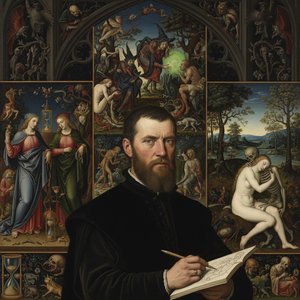
Hans Baldung Grien: Allegorie, Innovation und das Groteske – Ein Renaissance-Meister zwischen Reformation und Mystik
Entdecken Sie das faszinierende Werk von Hans Baldung Grien! Analysieren Sie mit uns die allegorischen Gemälde, grotesken Motive und den einzigartigen Stil dieses Renaissance-Meisters. Expertenwissen zur deutschen Kunstgeschichte.
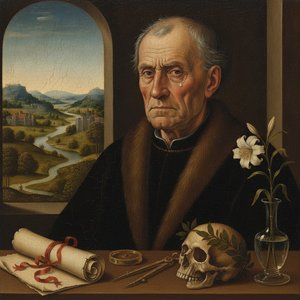
The Northern Renaissance: A Masterclass in Hyper-Realism, Oil Innovation, and Symbolic Depth
Explore the profound mastery of Northern Renaissance art. Discover the technical brilliance of Flemish oil painting, the intricate symbolism of Bosch and Bruegel, and the revolutionary realism that redefined European art history through an expert historical lens.

The Enduring Legacy of Oil on Canvas: Technique, History & Aesthetic Impact
Explore the rich history & techniques of oil painting – from Renaissance masters to Impressionism. Discover pigments, layering methods, and why this timeless medium endures. Expert insights for artists & art enthusiasts.

Öl auf Leinwand: Eine historische und technische Erkundung eines zeitlosen künstlerischen Mediums
Entdecken Sie die faszinierende Welt der Ölmalerei! Von historischen Techniken bis zur modernen Anwendung – wir bieten Expertenwissen, Restaurierungstipps und hochwertige Reproduktionen. Jetzt informieren!

The Enduring Power of Painting: A Historical & Contemporary Exploration of Form and Emotion
Explore the rich history & enduring techniques of oil painting with OriginalUniqueArt. Discover masterpieces, learn about art collecting, and find authentic handmade reproductions crafted by skilled artists.



