

 In echtem Maßstab anzeigen
 Versenden als Grußkarte
 Teilen
 Details anzeigen
 Leitfaden öffnen

 Herunterladen
 Ähnliche Objekte
 Röntgenaufnahme
 Diashow
 Besucherstatistiken
Billiards
 Oil On Canvas
- WallArt
- Impressionist Painting
 1876
1876- 19th Century
 60.0 x 81.0 cm
 Mehr anzeigen
Giclée / Kunstdruck
Giclée- oder Leinwanddruck in Museumsqualität mit schneller Produktion und flexiblen Veredelungsoptionen. ( Handgemalte Reproduktion kaufen Zum digitalen Bild wechseln)




P118B €10

P118H €10

P118W €10

P438Z €10

P508JH €12

P508YH €12

P805H €10

P805Z €10

P919BZ €10

P919G €10

P919XJ €10

P959ZH €10

P968JZ €12

W106C €8

W218G €10

W218JH €8

W218Y €10

W307PJ €10

W316G €10

W316PJ €8

W316Y €10

W398PJ €8

W4111J €10

W500HY €15

W500JH €15

W692G €12

W849H €8

W940BG €15

W953PJ €8




Wählen Sie aus unseren vordefinierten Formaten, die den ursprünglichen Proportionen des Kunstwerks entsprechen.

Geben Sie die Breite und die Höhe an, die Sie benötigen, damit der Druck perfekt in Ihren Rahmen oder an Ihre Wand passt. Ein Druck kann nur beschnitten werden und niemals größer als das Originalbild gemacht werden; daher verliert ein Format mit einer anderen Proportion einen Teil des Bildes. Wir senden Ihnen ein digitales Mockup zur Freigabe, bevor wir den Druck ausführen. Das auf dieser Seite gezeigte Bild zeigt nicht den tatsächlichen Beschnitt – dies ist nur im Mockup ersichtlich.
Weltweiter Versand () innerhalb von 2 Wochen statt der üblichen 4/5 Wochen. (23 Oktober)

Kostenloser weltweiter Expressversand

Hochwertige Leinenleinwand

Vollständiger Versicherungsschutz beim Versand

Zollgebühren-Rückerstattungsgarantie

Garantie für exakte Farbtreue

100-tägiges Rückgaberecht (nur bei Mängeln)

100% Geld-zurück-Garantie

Angebot für Mengenrabatt
 Die Glasoption ist nur für Größen unter 110 cm verfügbar.

Billiards
Giclée / Kunstdruck
Format der Reproduktion
-


Gesamtpreis
€ 70
A Moment Frozen in Time: Gustave Caillebotte’s “Billiards”
Gustave Caillebotte's "Billiards," painted in 1876, is more than just a depiction of a game; it’s a meticulously observed snapshot of Parisian life at the cusp of modernity. Measuring a modest 60 x 81 cm, this oil on canvas offers an intimate glimpse into a billiard hall, a space that was rapidly becoming a social hub for the burgeoning middle class in late 19th-century Paris. The painting’s quiet drama resides not in grand gestures but in the subtle tension of the scene – a man poised with his hands upon the table, seemingly lost in concentration, while the room around him hints at conversation and leisure.
The Impressionist's Eye: Technique and Influence
Caillebotte’s style, heavily influenced by his early fascination with photography, is immediately recognizable. He employs a precise, almost photographic eye for detail, rendering the textures of the table, the worn leather chairs, and the muted colors with remarkable accuracy. However, unlike a purely documentary photograph, Caillebotte imbues the scene with an Impressionist sensibility – a focus on capturing fleeting light and atmosphere. Note the dappled reflections on the billiard table’s surface, created by the soft glow of the room's illumination, and the subtle shifts in tone that convey depth and volume. This technique was revolutionary for its time, moving away from traditional academic painting towards a more subjective representation of reality.
A Parisian Portrait: Context and Social Commentary
"Billiards" provides a valuable window into the social landscape of Paris during the Second Empire. Billiard halls were not merely places to play; they were spaces for socializing, conducting business, and observing the latest fashions. Caillebotte’s choice of subject – a solitary man absorbed in his game – suggests a certain detachment from the bustling city outside, yet also hints at the growing individualism that was beginning to characterize Parisian society. The inclusion of the couch and other figures in the background subtly underscores the social dynamics at play within this particular space.
Symbolism and Emotional Resonance
The painting’s quiet stillness evokes a sense of contemplation and perhaps even melancholy. The man's posture, absorbed in his game, suggests a moment of intense focus, inviting the viewer to consider themes of competition, skill, and the pursuit of mastery. Caillebotte masterfully uses light and shadow to create a mood that is both intimate and evocative. The composition draws us into this private world, prompting reflection on the nature of leisure, concentration, and the human condition. This piece exemplifies Caillebotte's ability to transform everyday scenes into works of art with profound emotional resonance.
Fragen & Antworten
Wann wurde "Billiards" geschaffen und welcher Stilrichtung lässt es sich zuordnen?
"Billiards" von Gustave Caillebotte datiert aus dem Jahr 1876 und gehört zur Impressionist Painting.
Wie bekannt ist "Billiards" von Gustave Caillebotte?
"Billiards" von Gustave Caillebotte weist ein Recognized Popularitätsniveau auf. Diese Klassifizierung spiegelt die weite Verbreitung und Bekanntheit des Werkes wider.
Ist "Billiards" von Gustave Caillebotte ein Gemälde, eine Zeichnung oder ein Druck?
"Billiards" ist ein Werk der Art WallArt.
Biografie des Künstlers
Frühes Leben und Ausbildung
Gustave Caillebotte, ein französischer Maler, wurde am 19. August 1848 in Paris aus einer wohlhabenden Familie geboren. Sein Vater, Martial Caillebotte, war Erbe der Familienfirma für Militärtuchstoffe und diente auch als Richter am Tribunal de Commerce des Départements Seine. Gustave’s frühes Interesse an Fotografie als Kunstform beeinflusste später seinen Malstil.Künstlerische Karriere
Gustave erwarb 1868 einen Jurabachelor und 1870 eine Zulassung zur Rechtsausübung, doch seine wahre Leidenschaft galt der Kunst. Er begann, das Atelier des Malers Léon Bonnat zu besuchen, wo er ernsthaft Malerei studierte. Caillebotte’s Stil, der durch seinen Realismus gekennzeichnet ist, wurde von seinen impressionistischen Kollegen beeinflusst, darunter Edgar Degas und Giuseppe de Nittis.Bemerkenswerte Werke und Stil
- Les Raboteurs de Parquet (Die Bodenabroller) (1875): Dieses frühe Meisterwerk, das sich heute im Musée d'Orsay befindet, zeigt Caillebotte’s einzigartige Mischung aus Realismus und impressionistischen Einflüssen.
- Vue de toits (Effet de neige) (Aussicht auf Dächer (Schneeeffekt)) (1878): Demonstriert seine Verwendung von erhöhten Perspektiven, eine Technik, die möglicherweise durch japanische Drucke und Fotografie beeinflusst wurde.
Vermächtnis und Einfluss
Caillebotte’s Stil, obwohl Teil der Schule des Realismus, wurde stark von seinen impressionistischen Kollegen beeinflusst. Seine Werke zeichnen sich durch eine präzise Beobachtungsgabe und eine detailgetreue Wiedergabe der Wirklichkeit aus. Er trug dazu bei, die Wahrnehmung des Alltagslebens in der Kunst zu verändern und neue Wege der Darstellung urbaner Szenen aufzuzeigen. Obwohl er zu Lebzeiten nicht immer Anerkennung fand, wird Caillebotte heute als ein bedeutender Vertreter des Impressionismus und Realismus gewürdigt.Weitere Werke
- Mann am Fenster (1875)
- Pink Villas at Trouville (1884)
- Pariser Straße, Regentag

Gustave Caillebotte
1848 - 1894 , Frankreich
Eckdaten zum Künstler
- Beeinflusste Künstler:
- Edgar Degas
- Giuseppe De Nittis
- Bemerkenswerte Werke:
- Les Raboteurs de Parquet
- Vue de toits (Effet de neige)
- Boulevard vu d'en haut
- Geburtsdatum: 19. August 1848
- Geburtsort: Paris, Frankreich
- Künstlerische Richtung: Realismus, Impressionismus
- Nationalität: Französisch
- Sterbedatum: 1894
- Vollständiger Name: Gustave Caillebotte
Verwandte Artikel
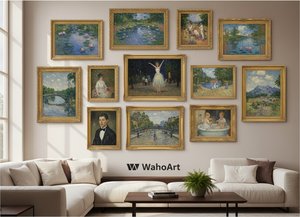
Impressionismus: Die 10 Meisterwerke, die eine Kunstbewegung prägten | OriginalUniqueArt
Entdecken Sie die 10 Meisterwerke des Impressionismus! Von Monet bis Renoir – erfahren Sie die Geschichten hinter ikonischen Gemälden, Techniken & Farben. Hochwertige Reproduktionen auf OriginalUniqueArt.com.

Impressionistische Landschaften: Die 10 Meisterwerke, die eine Kunstrichtung prägten | OriginalUniqueArt
Entdecken Sie die 10 Meisterwerke des Impressionismus! Von Monet bis Van Gogh – erleben Sie die Geschichten hinter berühmten Landschaftsbildern. Hochwertige Kunst Reproduktionen für Ihr Zuhause auf OriginalUniqueArt.com.
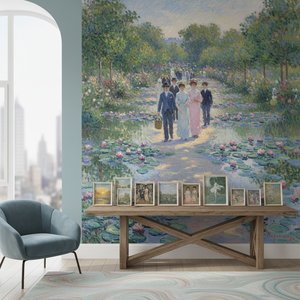
Impressionismus: Die 10 Meisterwerke, die eine Kunstbewegung prägten |
Entdecken Sie die 10 Meisterwerke des Impressionismus! Von Monet bis Renoir – erfahren Sie die Geschichten hinter berühmten Gemälden & ihre einzigartigen Techniken. Kunstdrucke in Museumsqualiät auf .

Giclée Prints: Archival Quality & Aesthetic Nuances for the Discerning Collector
Explore the world of giclée prints with OriginalUniqueArt. Learn about archival quality, aesthetic nuances & investment potential. Expert guidance for discerning art collectors seeking museum-quality reproductions and lasting value.

Impressionismus Meisterwerke: Die Top 10 Kunstwerke für Ihr Zuhause | OriginalUniqueArt
Entdecken Sie die Top 10 Meisterwerke des Impressionismus! Von Monet bis Renoir – erfahren Sie die Geschichten hinter berühmten Gemälden, Techniken & Farben. Hochwertige Kunstdrucke auf OriginalUniqueArt.com.


