 Gemälde kaufen Bild kaufen
 Versenden
 Teilen
 Details anzeigen
 Zu Favoriten hinzufügen

 Herunterladen
 Ähnliche Objekte
 Röntgenaufnahme
 Diashow anzeigen
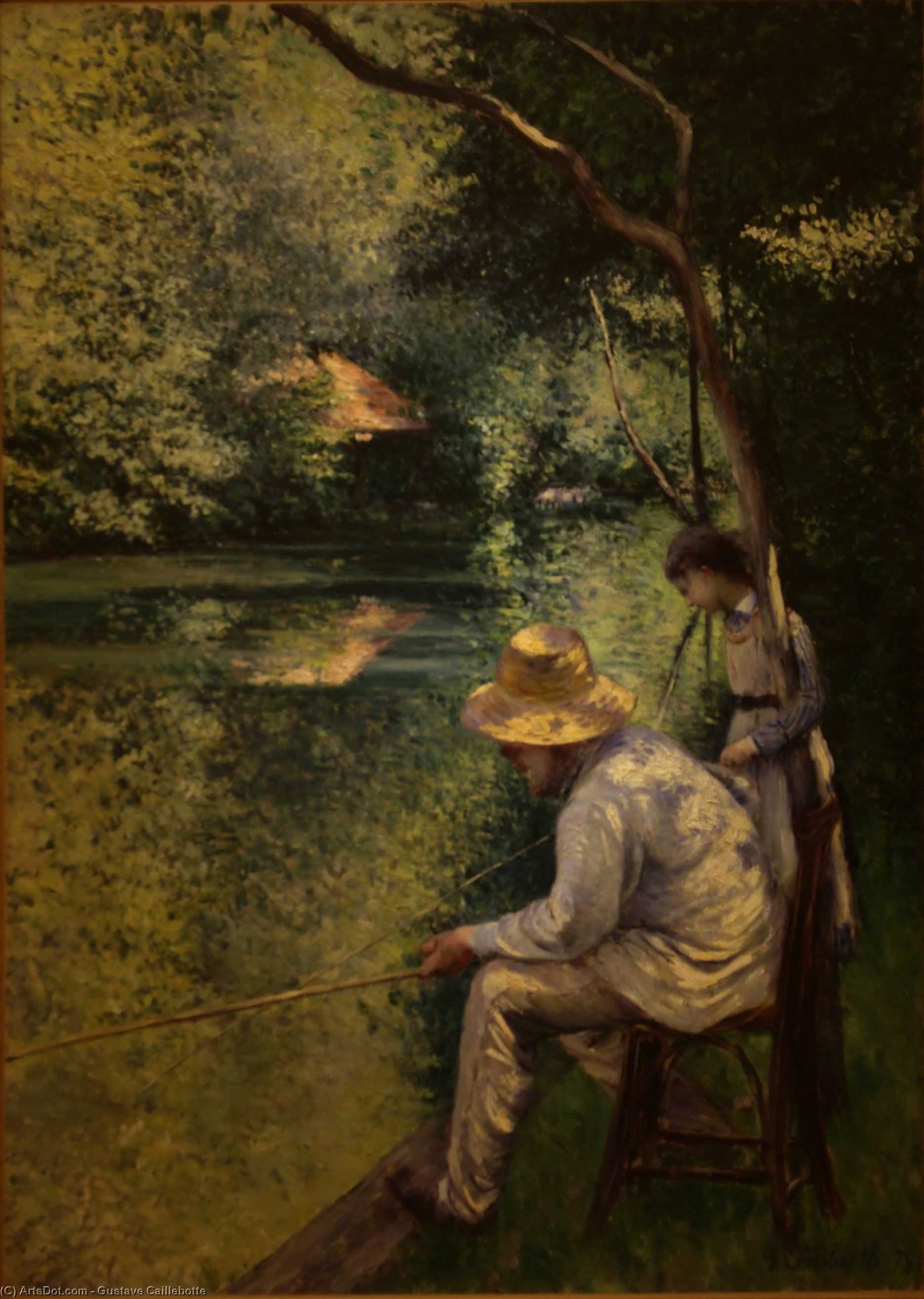
Angling
 Acrylic On Canvas
- WallArt
- Realism
 1878
1878- 19th Century
 100.0 x 75.0 cm
 Weiterlesen
Giclée / Kunstdruck
Giclée- oder Leinwanddruck in Museumsqualität mit schneller Produktion und flexiblen Veredelungsoptionen.




P118B $10

P118H $10

P118W $10

P438Z $10

P508JH $12

P508YH $12

P805H $10

P805Z $10

P919BZ $10

P919G $10

P919XJ $10

P959ZH $10

P968JZ $12

W106C $8

W218G $10

W218JH $8

W218Y $10

W307PJ $10

W316G $10

W316PJ $8

W316Y $10

W398PJ $8

W4111J $10

W500HY $15

W500JH $15

W692G $12

W849H $8

W940BG $15

W953PJ $8




Wählen Sie aus unseren vordefinierten Größen, die den ursprünglichen Proportionen des Kunstwerks entsprechen.

Sie können Ihre eigenen Maße eingeben, um ein bestimmtes Format oder einen speziellen Platz einzupassen. Wenn das von Ihnen gewählte Format nicht den Proportionen des Originalbildes entspricht, werden wir das Kunstwerk entweder beschneiden oder das Bild mit einem gespiegelten oder einfarbigen Rand erweitern. Ein digitaler Entwurf wird Ihnen zur Genehmigung zugesandt, bevor die Produktion beginnt.
Bitte beachten Sie, dass die Vorschau auf dem Bildschirm nicht den tatsächlichen Zuschnitt oder die Erweiterung widerspiegelt. Nur der Entwurf zeigt die endgültige Komposition präzise an.
Obwohl Sondermaße verfügbar sind, empfehlen wir die Auswahl eines Maßes aus der vordefinierten Liste, um die ursprünglichen Proportionen zu bewahren.
Weltweiter Versand () innerhalb von 2 Wochen statt der üblichen 4/5 Wochen. (21 Juli)

Kostenloser weltweiter Expressversand

Hochwertige Leinenleinwand

Umfassender Versicherungsschutz beim Versand

Zollsteuer-Rückerstattungsgarantie

Garantie für echte Farbtreue

60-Tage-Rückgaberecht (nur bei Mängeln)

100% Geld-zurück-Garantie

Mengenrabatt verfügbar
 Die Glasoption ist nur in Größen unter 110 cm verfügbar.

Angling
Giclée / Kunstdruck
Größe der Reproduktion
-


Endpreis aller Optionen
-
Beschreibung des Sammlerstücks
Gustave Caillebotte’s “Angling”: A Snapshot of Parisian Leisure
Angling, painted in 1878, offers a remarkably intimate glimpse into the burgeoning leisure culture of late nineteenth-century Paris. Executed by Gustave Caillebotte, a pivotal figure of the Impressionist movement yet distinctly his own, this work transcends a simple depiction of two individuals fishing; it’s a carefully constructed tableau that speaks volumes about social life, artistic innovation, and the evolving relationship between art and modernity.
- Subject Matter: The scene unfolds along the banks of a tranquil river, capturing a quintessential Parisian pastime – angling. Two figures, a man and a woman, are engaged in this activity, their postures relaxed and suggesting a shared moment of quiet enjoyment.
- Composition: Caillebotte’s masterful composition utilizes a shallow depth of field, characteristic of his engagement with photography, to draw the viewer into the scene. The placement of the figures, the strategically positioned chairs and bench, and the framing by the surrounding trees create a sense of immediacy and invite participation.
Technique and Artistic Innovation
Caillebotte’s technique is both precise and subtly impressionistic. He employs short, broken brushstrokes – a direct influence from his early fascination with photography – to render the textures of the riverbank, the clothing of the figures, and the foliage. The use of light and shadow is particularly noteworthy, creating a luminous quality that enhances the sense of atmosphere. Unlike many of his contemporaries who sought to capture fleeting moments in vibrant color, Caillebotte favors a more subdued palette, dominated by earthy tones – browns, greens, and blues – reflecting the natural environment.
His approach reflects a key shift within Parisian art circles at this time. While Impressionists were pushing boundaries with bold color and loose brushwork, Caillebotte demonstrated an ability to combine these influences with a rigorous attention to detail and perspective, reminiscent of academic training but filtered through a distinctly modern sensibility.
Historical Context and Symbolism
Painted in 1878, “Angling” reflects the growing importance of leisure activities within Parisian society. The rise of industrialization had created a new class of wealthy individuals who sought escape from the pressures of urban life. Fishing became a popular pastime, offering an opportunity for relaxation and social interaction. The inclusion of both a man and a woman suggests a depiction of bourgeois domesticity – a carefully constructed image of respectability and refinement.
Furthermore, Caillebotte’s interest in photography is evident in the painting's precise composition and attention to detail. This fascination with the medium would become increasingly central to his artistic practice, influencing his approach to subject matter, perspective, and ultimately, his unique visual language.
Emotional Impact and Aesthetic Value
“Angling” possesses a quiet charm that resonates deeply. It’s not a dramatic or overtly emotional scene, but rather one imbued with a sense of tranquility and understated beauty. The painting invites the viewer to contemplate the simple pleasures of life – the connection between people and nature, the pursuit of leisure, and the enduring appeal of a timeless activity. This 100 x 75 cm reproduction captures the essence of Caillebotte’s vision with exceptional fidelity, offering an ideal addition to any discerning collection or a captivating element for interior design.
Biografie des Künstlers
Frühes Leben und Ausbildung
Gustave Caillebotte, ein französischer Maler, wurde am 19. August 1848 in Paris aus einer wohlhabenden Familie geboren. Sein Vater, Martial Caillebotte, war Erbe der Familienfirma für Militärtuchstoffe und diente auch als Richter am Tribunal de Commerce des Départements Seine. Gustave’s frühes Interesse an Fotografie als Kunstform beeinflusste später seinen Malstil.Künstlerische Karriere
Gustave erwarb 1868 einen Jurabachelor und 1870 eine Zulassung zur Rechtsausübung, doch seine wahre Leidenschaft galt der Kunst. Er begann, das Atelier des Malers Léon Bonnat zu besuchen, wo er ernsthaft Malerei studierte. Caillebotte’s Stil, der durch seinen Realismus gekennzeichnet ist, wurde von seinen impressionistischen Kollegen beeinflusst, darunter Edgar Degas und Giuseppe de Nittis.Bemerkenswerte Werke und Stil
- Les Raboteurs de Parquet (Die Bodenabroller) (1875): Dieses frühe Meisterwerk, das sich heute im Musée d'Orsay befindet, zeigt Caillebotte’s einzigartige Mischung aus Realismus und impressionistischen Einflüssen.
- Vue de toits (Effet de neige) (Aussicht auf Dächer (Schneeeffekt)) (1878): Demonstriert seine Verwendung von erhöhten Perspektiven, eine Technik, die möglicherweise durch japanische Drucke und Fotografie beeinflusst wurde.
Vermächtnis und Einfluss
Caillebotte’s Stil, obwohl Teil der Schule des Realismus, wurde stark von seinen impressionistischen Kollegen beeinflusst. Seine Werke zeichnen sich durch eine präzise Beobachtungsgabe und eine detailgetreue Wiedergabe der Wirklichkeit aus. Er trug dazu bei, die Wahrnehmung des Alltagslebens in der Kunst zu verändern und neue Wege der Darstellung urbaner Szenen aufzuzeigen. Obwohl er zu Lebzeiten nicht immer Anerkennung fand, wird Caillebotte heute als ein bedeutender Vertreter des Impressionismus und Realismus gewürdigt.Weitere Werke
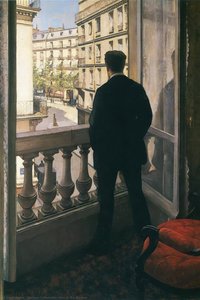
- Mann am Fenster (1875)
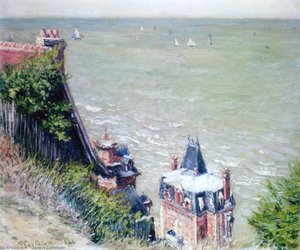
- Pink Villas at Trouville (1884)
- Pariser Straße, Regentag

Gustave Caillebotte
1848 - 1894 , Frankreich
Kurzinfos
- Beeinflusste Künstler:
- Edgar Degas
- Giuseppe De Nittis
- Bemerkenswerte Werke:
- Les Raboteurs de Parquet
- Vue de toits (Effet de neige)
- Boulevard vu d'en haut
- Geburtsdatum: 19. August 1848
- Geburtsort: Paris, Frankreich
- Künstlerische Richtung: Realismus, Impressionismus
- Nationalität: Französisch
- Sterbedatum: 1894
- Vollständiger Name: Gustave Caillebotte
Ähnliche Artikel
Die 25 Meisterwerke des Metropolitan Museum of Art: Kunst für Ihr Zuhause | OriginalUniqueArt
Entdecken Sie die 25 berühmtesten Kunstwerke des Metropolitan Museum of Art, New York! Von Van Gogh bis Monet – erleben Sie Geschichten hinter Meisterwerken. Hochwertige Reproduktionen & Inspiration für Ihr Zuhause auf OriginalUniqueArt.com.

Dante Gabriel Rossetti: Die 25 Meisterwerke des Präraffelitismus | OriginalUniqueArt
Entdecken Sie die 25 schönsten Gemälde von Dante Gabriel Rossetti! Tauchen Sie ein in die Welt der Präraffeliten, symbolistischer Kunst & viktorianischer Romantik. Hochwertige Reproduktionen für Ihr Zuhause – jetzt bei OriginalUniqueArt.com!

James Abbott McNeill Whistler: Die 25 Meisterwerke für Ihr Zuhause | OriginalUniqueArt
Entdecken Sie die 25 Meisterwerke von James Abbott McNeill Whistler! Von den berühmten Nocturnes bis zu ikonischen Porträts – erleben Sie Ästhetizismus, Impressionismus & Tonalismus. Hochwertige Reproduktionen auf OriginalUniqueArt.com.
Die 25 Meisterwerke der National Gallery Washington: Kunst für Ihr Zuhause | OriginalUniqueArt
Entdecken Sie die 25 ikonischsten Meisterwerke der National Gallery Washington! Von Cézanne bis Picasso – erfahren Sie die Geschichten hinter berühmten Gemälden, Kunststilen & Farbpaletten. Hochwertige Kunstdrucke online bei OriginalUniqueArt.com.

Sir Alfred James Munnings: Die 25 Meisterwerke des Pferdebildes | OriginalUniqueArt
Entdecken Sie die 25 Meisterwerke von Sir Alfred James Munnings! Erleben Sie seine beeindruckenden Pferdebilder, geprägt vom Impressionismus und Realismus. Hochwertige Kunstdrucke & Reproduktionen auf OriginalUniqueArt.com – für elegante Wandkunst & stilvolles Interieurdesign.