Symbolismus · 1896
Junius (Gustav Klimt, 1896)
Gustav Klimt (1862–1918) schuf Junius. Es stammt aus dem Jahr 1896. Es gehört zur Symbolismus-Strömung. Es ist aus Acryl auf Leinwand gefertigt. Die Maße sind 41 × 31 cm.
- 1896
- Acryl auf Leinwand
- 41 × 31 cm

 Vorschau anzeigen

 Handgemaltes Ölgemälde
 Versenden
 Teilen
 Datenblatt


 Herunterladen
 Ähnliche Objekte
 Röntgenaufnahme
 Diashow
 Fragen & Antworten

 Statistiken
Junius im Überblick
- Titel
- Junius
- Künstler
- Gustav Klimt (1862–1918)
- Geburtsjahr des Künstlers
- Baumgarten, Österreich
- Datum
- 1896
- Medium
- Acryl auf Leinwand
- Maße
- 41 × 31 cm
- Bewegung
- Symbolismus
- Motiv
- allegories, crowns, symbolism, female figure, contemplation, renaissance
Was stellt Junius dar?
Junius: A Symbolist Masterpiece
Gustav Klimt’s “Junius,” created in 1896 during his formative years as a Symbolist painter, stands as a testament to the artistic fervor of Vienna Secession and Art Nouveau. Measuring 41 x 31 cm, this chalk drawing transcends mere representation; it delves into profound psychological depths and embodies Klimt’s fascination with esoteric imagery—a characteristic hallmark of his oeuvre during that era. The artwork depicts two figures intertwined in an embrace, adorned with crowns symbolizing power and spiritual enlightenment – a motif recurrent throughout Klimt's celebrated works like “The Kiss.”Symbolic Layers: Crowns and Contemplation
The prominent crowns are not merely decorative elements but potent symbols reflecting the elevated status of the subjects and their connection to realms beyond the tangible. Their downward gaze—one figure looking downwards—suggests introspection, a contemplative stance that invites viewers to ponder on themes of inner reflection and spiritual yearning. Klimt skillfully employs these visual cues to elevate “Junius” beyond a simple depiction of human interaction, transforming it into an exploration of existential questions. The artist’s meticulous attention to detail – the intricate textures of fabric and skin—further reinforces this symbolic dimension.Influences Shaping Klimt's Vision
Klimt’s artistic trajectory was significantly shaped by movements like Symbolism and Art Nouveau, blending their aesthetic principles into a singular visual language. Symbolist artists sought to express inner emotions and spiritual truths through evocative imagery and allegory, prioritizing mood and emotion over literal accuracy. Similarly, Art Nouveau championed organic forms and flowing lines—elements subtly present in “Junius,” mirroring the stylistic trends of the time. Klimt’s masterful technique – blending chalk with subtle shading – contributes to the painting's ethereal quality and enhances its expressive power.A Legacy Preserved: The Museum Georg Schäfer
“Junius” finds its home within The Museum Georg Schäfer in Germany, safeguarding a remarkable collection of 19th-century German paintings—a treasure trove for art historians and enthusiasts alike. These institutions play an indispensable role in ensuring the longevity of artistic masterpieces, allowing future generations to appreciate Klimt’s genius and the enduring beauty of Symbolist art. The museum's dedicated conservation efforts guarantee that “Junius” continues to inspire awe and contemplation for years to come.Experience Klimt's Art: Reproductions Available
For those seeking to immerse themselves in Klimt’s artistic universe or explore similar stylistic explorations—such as Julio Ruelas’ vibrant Mexican symbolism—OriginalUniqueArt.com offers exceptional reproductions crafted with meticulous care. Discover the captivating allure of “Junius” and countless other iconic artworks, brought to life in stunning detail through hand-painted oil paintings. Visit OriginalUniqueArt.com today: The Museum Georg Schäfer, Germany & Julio Ruelas. Let OriginalUniqueArt.com transform your space with the timeless beauty of original art reproductions!Hochauflösende Bilder von Junius

Gemeinfrei: Der Künstler verstarb im Jahr 1918.
Andere Formate, Ausschnitte und Zitierhinweise →Gustav Klimt, Junius (1896). Gemeinfreiheit
Fragen zu Junius, beantwortet
Wann wurde "Junius" geschaffen?
"Junius" stammt aus dem Jahr 1896. Dieses Datum ordnet das Werk in die Schaffensperiode von Gustav Klimt sowie in dessen Epoche ein.
Mit welcher Technik wurde "Junius" erstellt?
Das Medium von "Junius" von Gustav Klimt ist Acryl auf Leinwand. Die Reproduktionen zielen darauf ab, die Optik dieser Technik wiederzugeben.
Welche Maße hat "Junius" von Gustav Klimt im Original?
Die Maße von "Junius" von Gustav Klimt betragen 41 x 31 cm. Reproduktionen können in anderen Größen bestellt werden, wobei die Proportionen beibehalten werden.
Was stellt "Junius" dar?
Die Themen in "Junius" von Gustav Klimt umfassen allegories, crowns, symbolism, female figure, contemplation, renaissance, ornament und fassen gemeinsam den Gegenstand des Kunstwerks zusammen.
Ist die Abbildung von "Junius" von Gustav Klimt gemeinfrei?
Was das Urheberrecht betrifft, so ist "Junius" gemeinfrei – das Urheberrecht ist abgelaufen.
Wer ist der Künstler hinter "Junius"?
Der Künstler hinter „Junius“ ist Gustav Klimt. Das Werk ist unter dem Namen von Gustav Klimt katalogisiert.
Welcher Kunstrichtung lässt sich "Junius" von Gustav Klimt zuordnen?
Die mit "Junius" von Gustav Klimt verbundene Stilrichtung ist Symbolismus. Diese Klassifizierung ordnet das Werk in den Kontext verwandter Künstler und Kunstwerke ein.
Welcher Phase in der künstlerischen Entwicklung von Gustav Klimt lässt sich "Junius" zuordnen?
„Junius“ entstammt der Mature Period von Gustav Klimt. Diese Einordnung setzt das Werk in Bezug zur künstlerischen Entwicklung des Künstlers.
Wie alt war Gustav Klimt, als „Junius“ im Jahr 1896 geschaffen wurde?
Gustav Klimt schuf „Junius“ im Alter von 34. Der Künstler wurde 1862 geboren, und das Werk datiert auf 1896.
Über den Künstler, Gustav Klimt

1862–1918, Österreich
Gustav Klimt
Frühes Leben, Familie und Ausbildung In der kleinen Stadt Baumgarten, unweit von Wien, wurde Gustav Klimt in eine Welt hineingeboren, in der das Schimmern von Metall eine ständige Begleiterin war. Sein Vater, Ernst Klimt, widmete seine Tage dem Handwerk des Goldengravierers – ein Beruf, der eine ruhige Hand und ein unerbittliches Auge für die feinsten Details erforderte. Diese frühe Vertrautheit mit Edelmetallen und der Präzision des Gravierens sollte schließlich bis in die tiefste Seele seiner späteren Kompositionen vordringen. Doch das Leben war nicht immer nur von Glanz und Leichtigkeit geprägt.
Ebenfalls von Gustav Klimt
 Der Kuss1908
 Porträt von Adele Bloch-Bauer I1907
 Judith1901
 Porträt von Baronin Elisabeth Bachofen-Echt1916

Essays zu Junius
 Meisterwerke der Habsburger: Die 25 wichtigsten Kunstwerke der Albertina in WienEntdecken Sie die 25 Meisterwerke der Albertina, von Klimt bis Dürer. Erleben Sie Kunst auf OriginalUniqueArt.com.
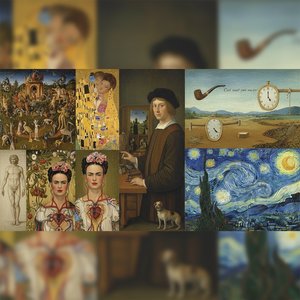 Symbolismus in der Kunst: Die 10 bedeutendsten Werke für Ihr Zuhause | OriginalUniqueArtEntdecken Sie die faszinierende Welt des Symbolismus! Von Klimt bis Munch – wir präsentieren 10 ikonische Gemälde und ihre tiefgründige Bed…
 Goldener Glanz: Die 25 ikonischsten Meisterwerke von Gustav KlimtTauchen Sie ein in die goldene Welt von Gustav Klimt. Entdecken Sie die 25 ikonischsten Meisterwerke der Wiener Secession – von Symbolismus…