Vorschau anzeigen
 Versenden
 Teilen
 Details anzeigen
 Leitfaden

 Herunterladen
 Ähnliche Objekte
 Röntgenaufnahme
 Diashow
 Q&A
Q&A Statistiken
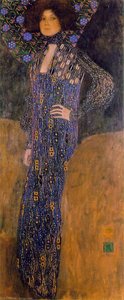
Beethovenfries: Leerer Abschnitt aus Gips (Panel 8, rechter Seitenwand)

- 215.0 x 397.0 cm


 Weiterlesen
Giclée / Kunstdruck
Giclée- oder Leinwanddruck in Museumsqualität mit schneller Produktion und flexiblen Veredelungsoptionen. ( Handgemalte Reproduktion bestellen Zum digitalen Bild wechseln)




P118B €10

P118H €10

P118W €10

P438Z €10

P508JH €12

P508YH €12

P805H €10

P805Z €10

P919BZ €10

P919G €10

P919XJ €10

P959ZH €10

P968JZ €12

W106C €8

W218G €10

W218JH €8

W218Y €10

W307PJ €10

W316G €10

W316PJ €8

W316Y €10

W398PJ €8

W4111J €10

W500HY €15

W500JH €15

W692G €12

W849H €8

W940BG €15

W953PJ €8




Wählen Sie aus unseren vordefinierten Formaten, die den ursprünglichen Proportionen des Kunstwerks entsprechen.

Geben Sie die benötigte Breite und Höhe an, damit der Druck perfekt in Ihren Rahmen oder an Ihre Wand passt. Ein Druck kann nur beschnitten, aber niemals größer als das Originalbild angefertigt werden; daher verliert ein Format mit anderen Proportionen einen Teil des Bildes. Wir senden Ihnen ein digitales Mockup zur Freigabe, bevor wir den Druck ausführen. Das auf dieser Seite gezeigte Bild zeigt nicht den tatsächlichen Beschnitt – dies ist nur im Mockup ersichtlich.
Weltweiter Versand () innerhalb von 2 Wochen statt der üblichen 4/5 Wochen. (1 November)

Kostenloser weltweiter Expressversand

Hochwertige Leinenleinwand

Umfassender Versicherungsschutz beim Versand

Zollgebühren-Rückerstattungsgarantie

Garantie für exakte Farbtreue

100 Tage Rückgaberecht (nur bei Mängeln)

100% Geld-zurück-Garantie

Mengenrabatt verfügbar
 Die Glasoption ist nur für Größen unter 110 cm verfügbar.

Beethovenfries: Leerer Abschnitt aus Gips (Panel 8, rechter Seitenwand)
Giclée / Kunstdruck
Format der Reproduktion
-


Endpreis
€ 71
Das Fragmentierte Echo der Musik: Klimts "Beethoven Frieze" – Ein Blick auf Panel 8
Gustav Klimt’s “Beethoven Frieze: Empty section of plaster (Panel 8, right sidewall)” is not merely a missing piece of a larger mural; it's a concentrated distillation of the artist’s vision for this monumental work, commissioned for the University Hospital in Vienna. Created in 1901, during Klimt’s most intensely productive and experimental period, this panel offers an intimate glimpse into the process of creation and reveals a profound engagement with music, mythology, and the human condition. The stark contrast between the rough, unfinished plaster surface – a testament to the ongoing construction – and the ghostly suggestion of the frieze itself immediately draws the viewer in, prompting questions about what was intended and how Klimt envisioned its completion.
- The Context: The Beethoven Frieze was conceived as a sprawling narrative celebrating the power of music and its ability to heal. It drew heavily on Wagnerian mythology, particularly the legend of Tristan und Isolde, intertwining musical themes with elements of ancient Greek drama and symbolism. Klimt’s approach, however, moved beyond mere illustration; he sought to capture the *essence* of Beethoven's music through visual representation.
- Technique & Materiality: The panel’s current state – a deliberately incomplete section – is crucial to understanding Klimt’s artistic strategy. He employed a technique known as “Verfremdungseffekt” (alienation effect), intentionally disrupting the traditional conventions of mural painting. The use of plaster, rather than canvas, adds a tactile quality and emphasizes the work's unfinished nature, mirroring the transient and evolving process of artistic creation.
Die Sprache des Goldes und der Form
Klimt’s signature style is powerfully evident even in this fragment. The dominant visual element – the suggestion of a figure emerging from the plaster – hints at Beethoven himself, perhaps contemplating his music or lost in thought. The surrounding white surface isn't simply a backdrop; it’s treated with a delicate layering of paint and possibly gold leaf, creating an ethereal glow that evokes the shimmering quality often associated with musical sound. This deliberate use of gold, a recurring motif in Klimt’s work, elevates the panel to something more than a mere depiction – it becomes a meditation on beauty, transcendence, and the divine within art.
- Symbolism: The empty space itself is laden with symbolic weight. It represents both the incompleteness of life and the potential for artistic creation. It’s an invitation to imagine, to fill in the gaps with our own interpretations and emotions.
- Klimt's Aesthetic: This panel exemplifies Klimt’s embrace of decorative art – a fusion of painting, sculpture, and applied arts. The flowing lines, intricate patterns, and opulent use of color are characteristic of his “Secession” style, which rejected academic traditions in favor of a more sensual and expressive approach to art.
Ein Fenster zur Seele: Emotionale Wirkung und Interpretation
Despite its fragmentary state, "Beethoven Frieze" possesses a remarkable emotional resonance. The unfinished quality invites contemplation on themes of loss, longing, and the pursuit of artistic perfection. It’s not a triumphant declaration but rather a poignant reflection on the human experience – a recognition that even the most profound works are ultimately subject to time and decay. The panel speaks to our own desire for completion, for understanding, and for connecting with something larger than ourselves.
As a reproduction, this piece offers an opportunity to bring Klimt’s visionary aesthetic into any space. The textured plaster surface and the subtle interplay of light and shadow create a captivating visual experience, while the underlying symbolism invites ongoing interpretation. It's more than just a painting; it’s a portal to the artist’s soul, a reminder of the power of art to evoke emotion and stimulate the imagination.
OriginalUniqueArt: Eine hochwertige Reproduktion
OriginalUniqueArt is proud to offer a meticulously crafted reproduction of Gustav Klimt's “Beethoven Frieze: Empty section of plaster (Panel 8, right sidewall)”. Using archival-quality materials and advanced printing techniques, we ensure that this artwork captures the original’s nuances and vibrancy with exceptional fidelity. Whether you are an art collector, interior designer, or simply a lover of Klimt's work, our reproduction provides a beautiful and authentic way to experience this iconic masterpiece. Contact us today to discuss custom sizes and framing options.
Fragen & Antworten
Wann und mit welchen Materialien wurde "Beethovenfries: Leerer Abschnitt aus Gips (Panel 8, rechter Seitenwand)" geschaffen?
"Beethovenfries: Leerer Abschnitt aus Gips (Panel 8, rechter Seitenwand)" entstand im Jahr 1901 mit der Technik Acryl auf Leinwand. Material und Datum beschreiben, wie und wann das Original geschaffen wurde.
Wie stellt "Beethovenfries: Leerer Abschnitt aus Gips (Panel 8, rechter Seitenwand)" von Gustav Klimt eine Verbindung zwischen Jugendstil und dem Heimatland des Künstlers her?
Das Werk "Beethovenfries: Leerer Abschnitt aus Gips (Panel 8, rechter Seitenwand)" aus der Epoche des Jugendstil wurde von einem Künstler geschaffen, der in Österreich geboren wurde.
Welche Stellung nimmt „Beethovenfries: Leerer Abschnitt aus Gips (Panel 8, rechter Seitenwand)“ unter den wiederkehrenden Motiven von Gustav Klimt ein?
Unter den dokumentierten Themen von Gustav Klimt – vienna secession, gold leaf, musicality, klimt’s style, beethoven legacy – setzt „Beethovenfries: Leerer Abschnitt aus Gips (Panel 8, rechter Seitenwand)“ einen ganz eigenen Fokus auf beethoven, vienna, klimt, plaster, gold, fragment, wall, 1901.
Künstlerbiografie
Gustav Klimt: Leben, Kunst und Vermächtnis
Frühes Leben und Ausbildung (1862-1883)
- Geboren am 14. Juli 1862 in Baumgarten, nahe Wien, Österreich.
- Sohn von Ernst Klimt, einem Goldschmied, und Anna Finster. Die Familie sah sich mit finanziellen Schwierigkeiten konfrontiert, was zu häufigen Umzügen innerhalb Wiens führte.
- Früben Talent: Zeigte schon früh zeichnerische Fähigkeiten, die durch den Beruf seines Vaters und familiäre künstlerische Neigungen gefördert wurden.
- Er studierte 1876 an der Wiener Kunstgewerbeschule (Schule für Angewandte Künste) Architekturmalerei bei Ferdinand Laufberger. Dies bot eine solide technische Ausbildung, aber auch die Exposition gegenüber traditionellen akademischen Stilen.
- Im Jahr 1877 gründete er mit seinem Bruder Ernst und Franz von Matsch die „Gesellschaft der Künstler“ und sichere Aufträge für dekorative Wandmalereien und Decken.
Die Gesellschaft der Künstler und Früher Erfolg (1883-1900)
- Arbeitete weiterhin mit der „Gesellschaft der Künstler“ nach dem Verlassen der Kunstgewerbeschule und erhielt Anerkennung für dekorative Projekte wie Wandmalereien im Theater von Karlsbad und Treppenhäuser im Burgtheater in Wien.
- Tragte zur Dekoration des Kunsthistorischen Museums in Wien bei, demonstrierte technische Fertigkeit, deutete aber auch auf ein Verlangen hin, künstlerische Zwänge zu brechen.
Die Decke der Universität Wien und Kontroversen (1900)
- Erfuhr um 1900 eine prestigeträchtige Beauftragung, Deckenmalereien für den Großen Saal der Universität Wien zu malen, die Philosophie, Jurisprudenz und Theologie darstellten.
- Kontroverse Werke: Die Wandmalereien, insbesondere *Philosophie*, wurden von Kritikern als provokativ und sogar pornografisch angesehen, was zu öffentlicher Empörung führte.
- Klimt lehnte nach der Kontroverse weitere öffentliche Aufträge ab und markierte damit einen Wendepunkt in seiner Karriere.
Die „Goldene Phase“ und künstlerische Reife (1901-1918)
- Betrat seine „goldene Phase“, die durch den luxuriösen Einsatz von Blattgold inspiriert vom byzantinischen Mosaik und mittelalterlichen illuminierten Handschriften gekennzeichnet war.
- Wichtige Werke: *Der Kuss* (1907-1908) veranschaulicht den opulenten Stil und die symbolische Fülle dieser Ära.
- *Porträts:* Porträts wie *Portrait of Adele Bloch-Bauer I* (1907) wurden sehr begehrt und zeigten seine Fähigkeit, sowohl physische Erscheinung als auch psychologische Tiefe einzufangen.
- Integriert zunehmend dekorative Elemente in Kompositionen und verwischte die Grenzen zwischen Malerei und Ornamentik.
Einflüsse und künstlerischer Stil
- Hans Makart: Frühe Bewunderung für den führenden Historienmaler Wiens beeinflusste seine anfängliche akademische Ausbildung.
- Japanische Kunst (Japonismus): Wurde tief von japanischen Holzschnitten beeinflusst, insbesondere durch ihre flache Perspektive, dekorative Muster und Betonung der Linie.
- Byzantinische Kunst: Der Einsatz von Blattgold und reicher Ornamentik in byzantinischen Mosaiken hatte einen tiefgreifenden Einfluss auf seine „goldene Phase.”
- Stilmerkmale: Ein einzigartiges Zusammenspiel von Symbolismus, Jugendstil und dekorativen Elementen; kräftige Farben, komplizierte Muster und sinnliche Darstellungen der weiblichen Form.
Späte Jahre und Vermächtnis (1918)
- Malte weiterhin produktiv bis zu seinem Tod am 6. Februar 1918 durch einen Schlaganfall.
- Seine späteren Werke erforschten abstraktere Formen und Landschaften und zeigten eine kontinuierliche künstlerische Entwicklung.
- Historische Bedeutung: Wird als eine der wichtigsten Figuren in der österreichischen Kunstgeschichte und als einer führenden Vertreter des Wiener Secessions anerkannt. Seine Gemälde erzielen hohe Preise auf Auktionen, und sein Einfluss ist in der zeitgenössischen Kunst und im Design zu sehen.
- Das Kunsthistorische Museum Wien beherbergt eine bedeutende Sammlung seiner Werke und sichert so das Vermächtnis, das weiterhin inspiriert.

Gustav Klimt
1862 - 1918 , Österreich
Kurzinfos
- Beeinflusste Künstler: ['Egon Schiele']
- Bemerkenswerte Werke:
- Der Kuss
- Adele Bloch-Bauer I
- Geburtsdatum: 1862-07-14
- Geburtsort: Baumgarten, Österreich
- Künstlerische Einflüsse:
- Hans Makart
- Japanische Kunst
- Byzantinische Kunst
- Künstlerische Richtung: Wiener Secession
- Nationalität: Österreichisch
- Todatum: 1918-02-06
- Vollständiger Name: Gustav Klimt
Ähnliche Artikel
Maßgeschneiderte Wandmalerei: Wie sie Ihre Markenidentität visuell stärkt
Maßgeschneiderte Wandmalereien für Hotels & Gastronomie! Experten-Beratung, hochwertige Materialien & einzigartige Designs. Verleihen Sie Ihrem Raum Persönlichkeit – .

Designers lieben Wandgemälde: So verwandeln sie Räume in stilvolle Rückzugsorte
Entdecken Sie die Welt der Wandmalerei für Hotels & Design! Expertenratgeber zu Materialien, Stilen & individuellen Lösungen. Verwandeln Sie Räume in Kunstwerke – mit .
Goldene Meisterwerke: Die 25 besten Kunstwerke von Gustav Klimt
Erleben Sie Klimts goldene Meisterwerke der Wiener Secession. Entdecken Sie alle Highlights auf OriginalUniqueArt.com.

Von Dschungelmotiven zu Goldblattgeometrie: Die Top Wandmalereitrends für Hotels
Entdecken Sie die neuesten Wandmalereitrends für Hotels! Exklusive Designs, hochwertige Materialien & Expertenberatung von – Ihr Partner für einzigartige Raumgestaltung.
Art Nouveau Meisterwerke: Die 10 prägendsten Kunstwerke für Ihr Zuhause |
Entdecken Sie die 10 prägendsten Art Nouveau Meisterwerke! Von Mucha bis Klimt – erfahren Sie die Geschichten hinter ikonischen Gemälde & dekorativer Kunst. Hochwertige Kunstdrucke online kaufen auf