
 In echtem Maßstab anzeigen
 Versenden als Grußkarte
 Teilen
 Details anzeigen
 Leitfaden öffnen

 Herunterladen
 Ähnliche Objekte
 Röntgenaufnahme
 Diashow
 Besucherstatistiken
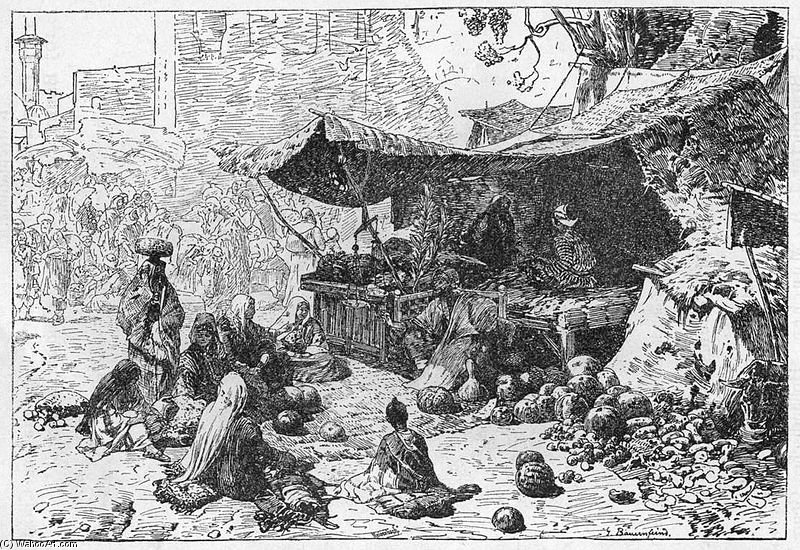
Markt In Jaffa
 Mehr anzeigen
Handgefertigte Ölreproduktion
Handgemaltes Ölgemälde auf Leinwand in Ihrer Wunschgröße und mit Rahmen, auf Bestellung von unseren Künstlern angefertigt. ( Zum Druck wechseln Zum digitalen Bild wechseln)




































Wählen Sie aus unseren vordefinierten Formaten, die den ursprünglichen Proportionen des Kunstwerks entsprechen.

Sie können Ihre eigenen Maße eingeben, um einen bestimmten Rahmen oder Platz auszufüllen. Wenn die gewählte Größe nicht den Proportionen des Originalbildes entspricht, werden wir das Kunstwerk entweder beschneiden oder das Gemälde durch zusätzliche, handgemalte Elemente erweitern. Ein digitales Mockup wird Ihnen zur Genehmigung zugesandt, bevor die Produktion beginnt.
Bitte beachten Sie, dass die Bildschirmvorschau nicht die tatsächliche Beschneidung oder Erweiterung widerspiegelt. Nur das Mockup zeigt die endgültige Komposition exakt an.
Obwohl Sondermaße verfügbar sind, empfehlen wir, eine Größe aus der vordefinierten Liste zu wählen, um die ursprünglichen Proportionen beizubehalten.
Nach der Bestellung wird das OriginalUniqueArt.com-Team dem Kunden Anweisungen per E-Mail zusenden und eine Mockup-Vorschau bereitstellen.
Weltweiter Versand () in nur 3 bis 4 Wochen statt der üblichen 5 Wochen. (26 September). Keine Kompromisse bei der Qualität.

Kostenloser weltweiter Expressversand

Hochwertige Leinenleinwand

Vollständiger Versicherungsschutz beim Versand

Zollgebühren-Rückerstattungsgarantie

Garantie für exakte Farbtreue

100-tägiges Rückgaberecht (nur bei Mängeln)

100% Geld-zurück-Garantie

Angebot für Mengenrabatt
 Die Glasoption ist nur für Größen unter 110 cm verfügbar.

Markt In Jaffa
Reproduktionsmedium
Format der Reproduktion
-


Gesamtpreis
$ 400
Biografie des Künstlers
Der Maler der Landschaften des Heiligen Landes
Gustav Bauernfeind (1848-1904) gilt als eine zentrale Figur der deutschen Orientalismusmalerei, bekannt für seine akribischen Darstellungen Jerusalems und der weiten Landschaften Palästinas im späten 19. Jahrhundert. Sein Werk geht weit über bloße topografische Genauigkeit hinaus; es verkörpert eine tiefgreifende Auseinandersetzung mit biblischen Themen und eine meisterhafte Beherrschung künstlerischer Technik – Eigenschaften, die seinen Ruf als einer der gefeiertesten Künstler jener Ära festigten. Geboren in Sulz am Neckar, Deutschland, begann Bauernfeinds künstlerische Reise inmitten familiärer Einflüsse, die in jüdischem Erbe verwurzelt waren, was sein Weltbild prägte und seine kreative Vision auf subtile Weise beeinflusste.
Die prägenden Jahre Bauernfeinds waren von einem engagierten Studium der Architektur am Polytechnischen Institut Stuttgart geprägt. Dieses Fundament in den Prinzipien des Designs sollte sich als unschätzbar wertvoll erweisen, als er bei Wilhelm Bäumer und Adolph Gnauth in die Lehre ging und seine Fähigkeiten gemeinsam mit anderen Kunsthandwerkern verfeinerte – eine Partnerschaft, die nicht nur technische Versiertheit, sondern auch eine Wertschaszätzung für detaillierte Beobachtung und künstlerische Darstellung förderte. Zu Beginn erkundeten Bauernfeinds Leinwände vertraute deutsche Landschaften, wie Ausblicke auf die Bayerischen Alpen und ruhige Szenen am Rhein, wodurch ein grundlegender Stil etabliert wurde, der durch Realismus und tonale Subtilität gekennzeichnet war. Doch die transformative Erfahrung seiner Expedition in die Levante zwischen 1880 und 1882 entfachte eine Leidenschaft für den Orient, die seine nachfolgenden künstlerischen Bestrebungen dominieren sollte.
Eine Reise durch die Levante
Die Pilgerreise nach Palästina veränderte Bauernfeinds künstlerischen Werdegang unwiderruflich. Er kehrte wiederholt nach Jerusalem und in den Libanon zurück und tauchte tief in die Anblicke und Klänge des nahöstlichen Lebens ein – eine Faszination, die sich in seinen zunehmend ehrgeizigen Kompositionen widerspiegelte. Im Gegensatz zu seinen früheren Werken, die friedliche Landschaften priorisierten, fingen Bauernfeinds spätere Gemälde die pulsierende Energie der Marktplätze, religiöser Prozessionen und architektonischer Pracht ein. Seine Fähigkeit, die heiligen Steine Jerusalems in emotional resonante Kunst zu übersetzen, ermöglichte es ihm, die Brücke zwischen der physischen Welt und der spirituellen Hingabe zu schlagen.
In seinen berühmtesten Werken, wie etwa Das Tor der Großen Umayyaden-Moschee, verwendet Bauernfeind eine Palette aus warmen Ockergelb-, Terrakottarot- und Erdbrauntönen. Diese sonnenverbrannten Nuancen spiegeln die Wüstenlandschaft wider und verleihen seinen Szenen einen Hauch von Authentizität. Durch lockere, ausdrucksstarke Pinselstriche vermittelt er die Bewegung drängelnder Menschenmengen und lebhafter Gespräche, wodurch ein spürbares Gefühl von Unmittelbarkeit entsteht. Seine Meisterschaft zeigt sich oft darin, wie er den Blick des Betrachters auf imposante Kuppeln oder antike Mauern lenkt und so durch eine pyramidale Komposition Glauben und zeitlose Schönheit symbolisiert.
Vermächtnis und künstlerische Bedeutung
Über sein technisches Geschick als Maler hinaus war Bauernfeind auch ein talentierter Illustrator und Architekt – eine Vielseitigkeit, die es ihm ermöglichte, das strukturelle Wesen der Städte, die er besuchte, einzufangen. Sein Vermächtnis wird durch mehrere wesentliche Beiträge zur orientalistischen Bewegung definiert:
- Architektonische Präzision: Seine Ausbildung in Stuttgart ermöglichte es ihm, die komplizierten Details der nahöstlichen Architektur mit beispielloser Genauigkeit darzustellen.
- Kulturelle Dokumentation: Seine Werke dienen als wichtiges visuelles Zeugnis des Lebens im 19. Jahrhundert in Jerusalem, Jaffa und Marokko.
- Emotionale Tiefe: Er ging über den einfachen Exotismus hinaus, um die spirituelle Atmosphäre und die religiöse Bedeutung des Heiligen Landes einzufangen.
Letztendlich bleibt Gustav Bauernfeind eine wesentliche Gestalt für all jene, die das Zusammentreffen von deutschem Realismus und orientalistischer Faszination verstehen wollen. Sein Leben, das 1904 in Jerusalem endete, war ein Zeugnis seiner lebenslangen Hingabe an jene Landschaften, die seine Seele ergriffen, und hinterließ ein Werk, das die Betrachter bis heute in eine lebendige, vergangene Ära zurückversetzt.

Gustav Bauernfeind
1848 - 1904 , Deutschland
Eckdaten zum Künstler
- Artistic Movement Or Style: Orientalismus
- Artists Or Movements Influenced By This Artist: ['Symbolismus']
- Artists Who Influenced This Artist:
- Wilhelm Bäumer
- Adolph Gnauth
- Date Of Birth: 4. September 1848
- Date Of Death: 24. Dezember 1904
- Full Name: Gustav Bauernfeind
- Nationality: Deutsch
- Notable Artworks:
- Die Wailing Wall
- Hafen von Jaffa
- Place Of Birth: Sulz am Neckar, Deutschland