In echtem Maßstab anzeigen
 Versenden als Grußkarte
 Teilen
 Details anzeigen
 Leitfaden öffnen

 Herunterladen
 Ähnliche Objekte
 Röntgenaufnahme
 Diashow
 Besucherstatistiken
The Cook
 Acryl auf Leinwand
- Wandkunst
- Renaissance Mannerism
 1570
1570 53.0 x 41.0 cm
 Nationalmuseum
 Mehr anzeigen
Giclée / Kunstdruck
Giclée- oder Leinwanddruck in Museumsqualität mit schneller Produktion und flexiblen Veredelungsoptionen. ( Handgemalte Reproduktion kaufen Zum digitalen Bild wechseln)




P118B €10

P118H €10

P118W €10

P438Z €10

P508JH €12

P508YH €12

P805H €10

P805Z €10

P919BZ €10

P919G €10

P919XJ €10

P959ZH €10

P968JZ €12

W106C €8

W218G €10

W218JH €8

W218Y €10

W307PJ €10

W316G €10

W316PJ €8

W316Y €10

W398PJ €8

W4111J €10

W500HY €15

W500JH €15

W692G €12

W849H €8

W940BG €15

W953PJ €8




Wählen Sie aus unseren vordefinierten Formaten, die den ursprünglichen Proportionen des Kunstwerks entsprechen.

Geben Sie die Breite und die Höhe an, die Sie benötigen, damit der Druck perfekt in Ihren Rahmen oder an Ihre Wand passt. Ein Druck kann nur beschnitten werden und niemals größer als das Originalbild gemacht werden; daher verliert ein Format mit einer anderen Proportion einen Teil des Bildes. Wir senden Ihnen ein digitales Mockup zur Freigabe, bevor wir den Druck ausführen. Das auf dieser Seite gezeigte Bild zeigt nicht den tatsächlichen Beschnitt – dies ist nur im Mockup ersichtlich.
Weltweiter Versand () innerhalb von 2 Wochen statt der üblichen 4/5 Wochen. (22 Oktober)

Kostenloser weltweiter Expressversand

Hochwertige Leinenleinwand

Vollständiger Versicherungsschutz beim Versand

Zollgebühren-Rückerstattungsgarantie

Garantie für exakte Farbtreue

100-tägiges Rückgaberecht (nur bei Mängeln)

100% Geld-zurück-Garantie

Angebot für Mengenrabatt
 Die Glasoption ist nur für Größen unter 110 cm verfügbar.

The Cook
Giclée / Kunstdruck
Format der Reproduktion
-


Gesamtpreis
€ 70
The Culinary Portrait: Giuseppe Arcimboldo’s “The Cook”
Giuseppe Arcimboldo's "The Cook," painted around 1570 and now residing in the Nationalmuseum of Stockholm, isn’t merely a still life; it’s a meticulously constructed illusion, a vibrant testament to the Renaissance fascination with metamorphosis and symbolic representation. More than just a depiction of roasted meats arranged within a human form, this painting is an invitation into a world where art transcends the boundaries of realism and embraces the power of suggestion.
At first glance, the image presents a somewhat grotesque, yet undeniably compelling, male head. However, a subtle shift in perspective – turning the canvas upside down – reveals a startling transformation: the figure’s eye becomes the watchful gaze of a chicken, the nose morphs into a plump turkey, and the mouth is framed by a generous helping of sausages. This ingenious visual trickery, known as pareidolia, immediately draws attention to Arcimboldo's masterful manipulation of form and his profound understanding of how viewers perceive images. The arrangement isn’t random; each element – the glistening cuts of meat, the vibrant vegetables, the carefully positioned fruits – contributes to a larger narrative, hinting at abundance, feasting, and perhaps even the fleeting nature of earthly pleasures.
A Renaissance Riddle: Symbolism and Context
Arcimboldo’s work emerged during a period of intense intellectual ferment in Europe. The Renaissance witnessed a renewed interest in classical antiquity, alongside burgeoning scientific inquiry and philosophical speculation. The concept of *memento mori* – the reminder of mortality – was prevalent, prompting artists to explore themes of transience and decay. Arcimboldo’s “The Cook” can be interpreted through this lens, with its emphasis on perishable goods serving as a poignant meditation on the ephemeral nature of life.
Furthermore, the painting reflects the lavish tastes and conspicuous consumption of the European courts during the late 16th century. Emperors Rudolf II and Maximilian I were renowned for their extravagant collections of exotic objects – animals, plants, minerals, and artworks – which served as symbols of power and prestige. Arcimboldo’s portraits, often commissioned by these rulers, cleverly incorporated elements from their personal collections, transforming everyday items into elaborate allegories.
Technique and Artistic Innovation
Arcimboldo's technique was remarkably innovative for his time. He employed a meticulous layering of oil paint on panel, painstakingly arranging each object to create the illusion of depth and volume. The use of vibrant colors – rich reds, browns, yellows, and greens – further enhances the painting’s visual impact. Crucially, he didn't simply glue or attach objects; he painted them directly onto the surface, seamlessly integrating them into the overall composition.
The artist’s skill lies not only in his technical proficiency but also in his ability to manipulate perspective and create a convincing illusion of three-dimensionality. The careful positioning of each element – from the glistening cuts of meat to the delicate arrangement of fruits – contributes to the painting's overall sense of realism, despite its fantastical nature. It’s a testament to Arcimboldo’s artistic vision that he could transform disparate objects into a cohesive and compelling portrait.
A Timeless Masterpiece: Emotional Resonance
"The Cook" transcends mere visual spectacle; it evokes a complex range of emotions. The painting's humor, combined with its subtle melancholy, invites viewers to contemplate the beauty and fragility of life. There’s an element of playful trickery, but also a deeper sense of reflection on mortality and the transient nature of earthly pleasures.
Arcimboldo’s work continues to fascinate audiences today, demonstrating his enduring artistic genius and his ability to create images that are both intellectually stimulating and emotionally resonant. Whether viewed as a whimsical portrait or a profound meditation on life and death, “The Cook” remains a captivating masterpiece of the Renaissance era.
Fragen & Antworten
Wie stark ist der Kontrast in "The Cook" von Giuseppe Arcimboldo?
Der Hell-Dunkel-Kontrast von „The Cook“ wird mit Aussagekraft angegeben. Der Kontrast beschreibt, wie stark sich helle und dunkle Bereiche voneinander unterscheiden.
Wie intensiv sind die Farben von "The Cook"?
Die Farben von "The Cook" von Giuseppe Arcimboldo weisen eine Ausgewogen sanft Sättigung mit einer Ausgewogen Intensität auf.
Wie harmonisch sind die Farben von "The Cook" von Giuseppe Arcimboldo?
Die Farben von "The Cook" von Giuseppe Arcimboldo zeigen eine Ausgewogene Harmonie Harmonie. Harmonie beschreibt, wie die Farben zueinander in Beziehung stehen.
Biografie des Künstlers
Frühe Jahre und Karriere
Giuseppe Arcimboldo, ein renommierter italienischer Maler, wurde 1527 in Mailand, Italien, geboren. Sein Vater, Biagio Arcimboldo, war ebenfalls Künstler, was wahrscheinlich Giuseppes frühes Interesse an der Kunst beeinflusste. Im Alter von 21 Jahren begann Giuseppe seine Karriere als Designer für Glasfenster und Fresken in lokalen Kathedralen.Hofmaler der Habsburger
1562 wurde Arcimboldo zum Hofporträtisten von Ferdinand I am habsburgischen Hof in Wien, Österreich, ernannt. Später diente er als Maler für Maximilian II. und seinen Sohn Rudolf II. am Hof in Prag. Diese Zeit seines Lebens ist geprägt von seiner Arbeit als Hofdekorateur und Kostümbildner.Das manieristische Meisterwerk: Portraits aus Objekten
Arcimboldos konventionelle Arbeiten zu traditionellen religiösen Themen sind weitgehend in Vergessenheit geraten, aber seine Porträts, die aus Gegenständen wie Früchten, Gemüse, Blumen, Meeresfrüchten und Baumwurzeln bestehen, faszinieren Kunstliebhaber weiterhin. Diese Werke, die durch ihre Verwendung von Alltagsgegenständen zur Schaffung menschlicher anatomischer Formen gekennzeichnet sind, waren nicht nur dekorativ, sondern vermittelten auch eine tiefere Bedeutung.- "Der Bibliothekar", ein Porträt aus Objekten, die die Buchkultur der Zeit symbolisieren, war nicht nur eine skurrile Kreation, sondern auch eine Kritik an wohlhabenden Personen, die Bücher sammelten, ohne sie zu lesen.
- Diese Werke waren nicht zufällig; jeder Gegenstand wurde sorgfältig ausgewählt, um sich auf das Motiv zu beziehen.
Künstlerischer Stil und Vermächtnis
Arcimboldos künstlerischer Stil, der oft als skurril oder als Produkt eines verwirrten Geistes angesehen wird, wird von Wissenschaftlern größtenteils als eine Anpassung an den Geschmack der Renaissance für Rätsel, Puzzles und das Bizarre gewertet. Seine Verwendung von Objekten zur Schaffung menschlicher Formen war ein einzigartiger Aspekt seiner Arbeit, der ihn von anderen manieristischen Künstlern unterschied. Bemerkenswerte Werke:- "Floral Stillleben" (1590), ein Gemälde, das die italienische Manierismus-Bewegung verkörpert, ist ein ikonisches Beispiel für Arcimboldos einzigartigen Stil.
- "Die vier Jahreszeiten", ein zusammengesetztes Porträt von Rudolf II., zeigt Arcimboldos Meisterschaft in der manieristischen Kunst.
Museen und Sammlungen
Arcimboldos Werke finden sich in verschiedenen Museen, darunter das Kunsthistorische Museum in Wien und Schloss Ambras in Innsbruck.Vermächtnis und Einfluss
Arcimboldo starb nach seinem Rücktritt vom Prager Dienst in Mailand, Italien. Sein Vermächtnis wird durch Gedichte und Manuskripte gefeiert, die sein illustres Wirken ehren.
Giuseppe Arcimboldo
1527 - 1593 , Italien
Eckdaten zum Künstler
- Bemerkenswerte Kunstwerke:
- Floral Stillleben
- Der Bibliothekar
- Luft
- Vertumnus (Vertumno)
- Sommer 1
- Die vier Jahreszeiten
- Geburtsdatum: 5. April 1527
- Geburtsort (Stadt, Land): Mailand, Italien
- Künstlerische Bewegung/Stil: Manierismus
- Nationalität: Italiener
- Sterbedatum: 11. Juli 1593
- Vollständiger Name: Giuseppe Arcimboldo
Verwandte Artikel
Kulinarische Visionen als Wandkunst: Menüs transformieren Innenräume – Ein Leitfaden für Hoteldesigner
Entdecken Sie, wie kulinarische Visionen Ihre Hotelräume transformieren! Expertenrat zu Farbpsychologie, historischen Einflüssen & individueller Wandkunst von OriginalUniqueArt.com – für eine einzigartige Atmosphäre.
Mannerismus Meisterwerke: Die Top 10, die Kunstgeschichte prägten | OriginalUniqueArt
Entdecken Sie die Top 10 Meisterwerke des Mannerismus! Pontormo, Rosso Fiorentino & Co. prägten eine neue Eleganz in der Kunst. Erfahren Sie mehr über Künstler, Techniken und bestellen Sie hochwertige Reproduktionen auf OriginalUniqueArt.com.
Anbau und Ästhetik: Ökologische Repräsentationen von Farm-to-Table-Philosophien in der zeitgenössischen Kunst
Entdecken Sie die Verbindung von Kunst und Nachhaltigkeit! Expertenwissen über Farm-to-Table-Philosophien, Land Art & aktuelle Trends. Hochwertige Reproduktionen & individuelle Beratung bei OriginalUniqueArt.
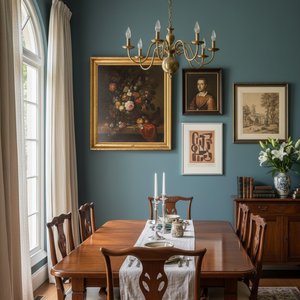
Cultivating Ambiance: Selecting Art Reproductions for the Dining Room – A Historical & Aesthetic Guide
Elevate your dining room with expertly curated art reproductions! Explore historical context, aesthetic considerations & modern applications for a captivating space. Discover the perfect artwork to inspire conversation and enhance every meal.
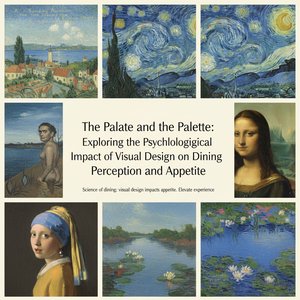
Die Palette und der Gaumen: Psychologische Ästhetik von Speisen und ihre Wirkung auf die Wahrnehmung
Entdecken Sie die psychologische Ästhetik von Speisen! Erfahren Sie, wie visuelle Gestaltung den Genuss steigert und Marken in der Gastronomie prägt. Expertenwissen für Hoteldesigner & Restaurateure.