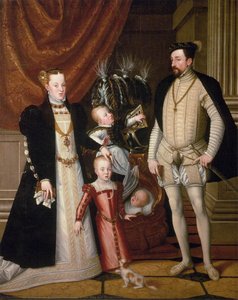
Vorschau anzeigen
 Versenden
 Teilen
 Details anzeigen

 Herunterladen
 Ähnliche Objekte
 Röntgenaufnahme
 Diashow
Sketch for a Mask


 Weiterlesen
Giclée / Kunstdruck
Giclée- oder Leinwanddruck in Museumsqualität mit schneller Produktion und flexiblen Veredelungsoptionen. ( Handgemalte Reproduktion bestellen Bild kaufen)




P118B $10

P118H $10

P118W $10

P438Z $10

P508JH $12

P508YH $12

P805H $10

P805Z $10

P919BZ $10

P919G $10

P919XJ $10

P959ZH $10

P968JZ $12

W106C $8

W218G $10

W218JH $8

W218Y $10

W307PJ $10

W316G $10

W316PJ $8

W316Y $10

W398PJ $8

W4111J $10

W500HY $15

W500JH $15

W692G $12

W849H $8

W940BG $15

W953PJ $8




Wählen Sie aus unseren vordefinierten Formaten, die den ursprünglichen Proportionen des Kunstwerks entsprechen.

Sie können Ihre eigenen Maße eingeben, um ein bestimmtes Format oder einen speziellen Platz einzupassen. Wenn das von Ihnen gewählte Format nicht den Proportionen des Originalbildes entspricht, werden wir das Kunstwerk entweder beschneiden oder das Bild mit einem gespiegelten oder einfarbigen Rand erweitern. Ein digitaler Entwurf wird Ihnen zur Genehmigung zugesandt, bevor die Produktion beginnt.
Bitte beachten Sie, dass die Vorschau auf dem Bildschirm nicht den tatsächlichen Zuschnitt oder die Erweiterung widerspiegelt. Nur der Entwurf zeigt die endgültige Komposition präzise an.
Obwohl Sondermaße verfügbar sind, empfehlen wir die Auswahl eines Maßes aus der vordefinierten Liste, um die ursprünglichen Proportionen zu bewahren.
Weltweiter Versand () innerhalb von 2 Wochen statt der üblichen 4/5 Wochen. (22 August)

Kostenloser weltweiter Expressversand

Hochwertige Leinenleinwand

Umfassender Versicherungsschutz beim Versand

Zollgebühren-Rückerstattungsgarantie

Garantie für exakte Farbtreue

60 Tage Rückgaberecht (nur bei Mängeln)

100% Geld-zurück-Garantie

Mengenrabatt verfügbar
 Die Glasoption ist nur für Größen unter 110 cm verfügbar.

Sketch for a Mask
Giclée / Kunstdruck
Format der Reproduktion
-


Gesamtpreis
$ 80
Sammlerstück-Beschreibung
A Portrait of the Mind – The Enigmatic Sketch for a Mask
Giuseppe Arcimboldo's “Sketch for a Mask,” created in 1585, isn’t merely a drawing; it’s a meticulously constructed puzzle box of observation and symbolism. Within its monochrome confines lies a profound meditation on identity, transformation, and the very nature of representation – a hallmark of the artist’s unique approach to portraiture during the late Renaissance. The piece immediately draws the eye with its startling realism: a strikingly detailed profile of a woman, rendered entirely from carefully arranged elements—pearls clustered like tiny jewels, an elaborate headdress bursting with spiraling foliage and miniature figures, and a rich, flowing gown sculpted from subtle shading and precise linework. Yet, this apparent naturalism belies a deeper complexity, inviting the viewer to decipher the layers of meaning embedded within the composition.
Arcimboldo’s genius lay in his ability to elevate the mundane—fruits, vegetables, books, even musical instruments—into objects of extraordinary beauty and significance. He wasn't simply arranging items; he was crafting a narrative, a visual allegory that resonated with the intellectual currents of his time. The Renaissance fascination with classical mythology, particularly the story of Vertumnus, the Roman god of seasons and transformation, heavily influenced Arcimboldo’s work. This deity could shapeshift into various forms – a tree, a river, or even a human – mirroring the very essence of the portrait itself: a fleeting representation of an individual constantly evolving and adapting.
The Techniques of Illusion – Dry Point and Layered Detail
Examining the “Sketch for a Mask” reveals Arcimboldo’s masterful command of technique. Primarily executed using dry point—a method involving scratching into a copper plate with a needle—he achieved an astonishing level of detail through painstaking application of black ink on aged parchment. The delicate lines, varying in weight and pressure, create a remarkable sense of texture and volume. Notice how the individual strands of hair are meticulously rendered, each curl and wave captured with precision. Similarly, the folds of the gown appear to ripple and flow, suggesting both its luxurious fabric and the movement of the figure within it.
- Dry Point: The technique creates a subtle tonal range and delicate lines, contributing to the drawing’s overall realism.
- Hatching & Cross-hatching: Arcimboldo skillfully employs hatching (parallel lines) and cross-hatching (intersecting lines) to build up shadows and create depth, giving the figure a tangible presence.
- Geometric Forms: The composition relies heavily on geometric shapes – circles for the pearls, spirals for the headdress, and elongated ovals for the facial features – creating a balanced and harmonious arrangement.
A Portrait of Power and Intrigue – Historical Context
Created in 1585, during the reign of Emperor Rudolf II of Prague, “Sketch for a Mask” reflects the opulent and intellectually stimulating atmosphere of the Habsburg court. Rudolf II was a renowned patron of the arts and sciences, fostering an environment where artists like Arcimboldo were encouraged to push the boundaries of creative expression. The portrait’s elaborate details—the jewels, the headdress, the intricate clothing—were not merely decorative; they served as potent symbols of wealth, status, and power. The inclusion of books within the composition further underscores the importance of learning and knowledge during this era.
Furthermore, the portrait’s allegorical nature speaks to the broader cultural anxieties of the time. The concept of transformation—represented by the mask itself—was a recurring theme in Renaissance art and literature, reflecting a fascination with mortality, illusion, and the potential for deception. The sketch can be interpreted as a commentary on the ephemeral nature of beauty and identity, suggesting that appearances can be deceiving and that true worth lies beneath the surface.
Beyond the Sketch – A Legacy of Imagination
“Sketch for a Mask” stands as a testament to Giuseppe Arcimboldo’s unparalleled artistic vision. It's more than just a portrait; it’s an invitation to engage in a visual dialogue, to decipher its hidden meanings, and to appreciate the extraordinary skill with which he transformed ordinary objects into works of art. Reproductions of this captivating sketch offer a glimpse into the mind of a Renaissance genius—a master of illusion, symbolism, and the enduring power of representation. Its timeless appeal continues to inspire artists and collectors alike, cementing its place as one of Arcimboldo’s most iconic creations.
Über den Künstler
Frühe Jahre und Karriere
Giuseppe Arcimboldo, ein renommierter italienischer Maler, wurde 1527 in Mailand, Italien, geboren. Sein Vater, Biagio Arcimboldo, war ebenfalls Künstler, was wahrscheinlich Giuseppes frühes Interesse an der Kunst beeinflusste. Im Alter von 21 Jahren begann Giuseppe seine Karriere als Designer für Glasfenster und Fresken in lokalen Kathedralen.Hofmaler der Habsburger
1562 wurde Arcimboldo zum Hofporträtisten von Ferdinand I am habsburgischen Hof in Wien, Österreich, ernannt. Später diente er als Maler für Maximilian II. und seinen Sohn Rudolf II. am Hof in Prag. Diese Zeit seines Lebens ist geprägt von seiner Arbeit als Hofdekorateur und Kostümbildner.Das manieristische Meisterwerk: Portraits aus Objekten
Arcimboldos konventionelle Arbeiten zu traditionellen religiösen Themen sind weitgehend in Vergessenheit geraten, aber seine Porträts, die aus Gegenständen wie Früchten, Gemüse, Blumen, Meeresfrüchten und Baumwurzeln bestehen, faszinieren Kunstliebhaber weiterhin. Diese Werke, die durch ihre Verwendung von Alltagsgegenständen zur Schaffung menschlicher anatomischer Formen gekennzeichnet sind, waren nicht nur dekorativ, sondern vermittelten auch eine tiefere Bedeutung.- "Der Bibliothekar", ein Porträt aus Objekten, die die Buchkultur der Zeit symbolisieren, war nicht nur eine skurrile Kreation, sondern auch eine Kritik an wohlhabenden Personen, die Bücher sammelten, ohne sie zu lesen.
- Diese Werke waren nicht zufällig; jeder Gegenstand wurde sorgfältig ausgewählt, um sich auf das Motiv zu beziehen.
Künstlerischer Stil und Vermächtnis
Arcimboldos künstlerischer Stil, der oft als skurril oder als Produkt eines verwirrten Geistes angesehen wird, wird von Wissenschaftlern größtenteils als eine Anpassung an den Geschmack der Renaissance für Rätsel, Puzzles und das Bizarre gewertet. Seine Verwendung von Objekten zur Schaffung menschlicher Formen war ein einzigartiger Aspekt seiner Arbeit, der ihn von anderen manieristischen Künstlern unterschied. Bemerkenswerte Werke:- "Floral Stillleben" (1590), ein Gemälde, das die italienische Manierismus-Bewegung verkörpert, ist ein ikonisches Beispiel für Arcimboldos einzigartigen Stil.
- "Die vier Jahreszeiten", ein zusammengesetztes Porträt von Rudolf II., zeigt Arcimboldos Meisterschaft in der manieristischen Kunst.
Museen und Sammlungen
Arcimboldos Werke finden sich in verschiedenen Museen, darunter das Kunsthistorische Museum in Wien und Schloss Ambras in Innsbruck.Vermächtnis und Einfluss
Arcimboldo starb nach seinem Rücktritt vom Prager Dienst in Mailand, Italien. Sein Vermächtnis wird durch Gedichte und Manuskripte gefeiert, die sein illustres Wirken ehren.
Giuseppe Arcimboldo
1527 - 1593 , Italien
Kurzinfos
- Bemerkenswerte Kunstwerke:
- Floral Stillleben
- Der Bibliothekar
- Luft
- Vertumnus (Vertumno)
- Sommer 1
- Die vier Jahreszeiten
- Geburtsdatum: 5. April 1527
- Geburtsort (Stadt, Land): Mailand, Italien
- Künstlerische Bewegung/Stil: Manierismus
- Nationalität: Italiener
- Sterbedatum: 11. Juli 1593
- Vollständiger Name: Giuseppe Arcimboldo
Ähnliche Artikel
The Eloquent Line: Exploring the Artistic Significance of Sketches Across Movements and Media
Explore the profound artistic significance of sketches throughout history. From Renaissance masters to modern innovators like Van Gogh & Guston, discover how these foundational works reveal technique, emotion, and vision. Learn more at OriginalUniqueArt.
Raw Energy: Why Sketch Studies are the Ultimate Urban Vibe for Your Walls
Elevate your space with the raw energy of sketch studies. Discover how the unfiltered power of charcoal, line, and gesture creates the ultimate urban vibe for modern interiors. Expert trends in contemporary wall art curation for the design-conscious professional.
Leonardo da Vinci: Die 25 Meisterwerke für Ihr Zuhause | OriginalUniqueArt
Entdecken Sie die 25 Meisterwerke von Leonardo da Vinci! Erfahren Sie faszinierende Geschichten hinter Gemälden wie der Mona Lisa & Das letzte Abendmahl. Hochwertige Reproduktionen für Ihr Zuhause – jetzt bei OriginalUniqueArt entdecken!
Unveiling the Mystery: A Journey Through the World's Most Iconic Mask Artworks
Embark on a profound journey through the world's most iconic mask artworks. Explore the spiritual depth, intricate craftsmanship, and rich cultural heritage of global traditions, from Chhau to Gomira, in this expert-led exploration of ancestral artistry and symbolic beauty.
Mastering the Line: A Comprehensive Expert Guide to Technical Precision and Expressive Depth in Drawing
Elevate your artistic practice with this expert guide to mastering the line. Discover advanced techniques in graphite, charcoal, and contour drawing designed for art students seeking technical precision and expressive depth in their fine art studies.