Vorschau anzeigen
 Versenden
 Teilen
 Details anzeigen
 Leitfaden

 Herunterladen
 Ähnliche Objekte
 Röntgenaufnahme
 Diashow
 Statistiken
Nature studies (10)


 Weiterlesen
Giclée / Kunstdruck
Giclée- oder Leinwanddruck in Museumsqualität mit schneller Produktion und flexiblen Veredelungsoptionen. ( Handgemalte Reproduktion bestellen Zum digitalen Bild wechseln)




P118B €10

P118H €10

P118W €10

P438Z €10

P508JH €12

P508YH €12

P805H €10

P805Z €10

P919BZ €10

P919G €10

P919XJ €10

P959ZH €10

P968JZ €12

W106C €8

W218G €10

W218JH €8

W218Y €10

W307PJ €10

W316G €10

W316PJ €8

W316Y €10

W398PJ €8

W4111J €10

W500HY €15

W500JH €15

W692G €12

W849H €8

W940BG €15

W953PJ €8




Wählen Sie aus unseren vordefinierten Formaten, die den ursprünglichen Proportionen des Kunstwerks entsprechen.

Geben Sie die benötigte Breite und Höhe an, damit der Druck perfekt in Ihren Rahmen oder an Ihre Wand passt. Ein Druck kann nur beschnitten, aber niemals größer als das Originalbild angefertigt werden; daher verliert ein Format mit anderen Proportionen einen Teil des Bildes. Wir senden Ihnen ein digitales Mockup zur Freigabe, bevor wir den Druck ausführen. Das auf dieser Seite gezeigte Bild zeigt nicht den tatsächlichen Beschnitt – dies ist nur im Mockup ersichtlich.
Weltweiter Versand () innerhalb von 2 Wochen statt der üblichen 4/5 Wochen. (27 Oktober)

Kostenloser weltweiter Expressversand

Hochwertige Leinenleinwand

Umfassender Versicherungsschutz beim Versand

Zollgebühren-Rückerstattungsgarantie

Garantie für exakte Farbtreue

100 Tage Rückgaberecht (nur bei Mängeln)

100% Geld-zurück-Garantie

Mengenrabatt verfügbar
 Die Glasoption ist nur für Größen unter 110 cm verfügbar.

Nature studies (10)
Giclée / Kunstdruck
Format der Reproduktion
-


Endpreis
€ 70
Giuseppe Arcimboldo’s “Nature Studies (10)” – A Renaissance Rhapsody of Form and Flora
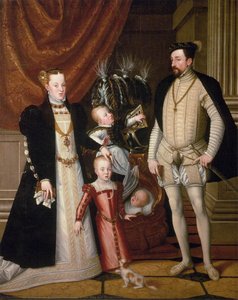
Giuseppe Arcimboldo's "Nature Studies (10)," painted in 1578, isn’t merely a portrait; it’s an immersive theatrical tableau, a vibrant testament to the Renaissance fascination with symbolism, illusion, and the interconnectedness of all things. Housed within the Österreichische Nationalbibliothek in Vienna, this remarkable watercolor on parchment invites viewers into a meticulously constructed world where the boundaries between human and nature blur, creating a deeply affecting and intellectually stimulating experience. The painting’s immediate impact is one of joyous abundance – a riot of avian forms, each rendered with astonishing detail and imbued with distinct personalities. Arcimboldo masterfully employs a technique reminiscent of still life painting, yet elevates it to the level of allegory, transforming commonplace objects into profound visual statements.
A Symphony of Birds: Symbolism in Flight
The four birds depicted – a black heron, an egret, a crane, and a goose – are far more than decorative elements. Each species carries a carefully considered symbolic weight rooted in Renaissance thought. The heron, with its long, elegant beak, often represents wisdom and vigilance, qualities highly valued within the intellectual circles of the time. The white egret, embodying purity and grace, stands as a counterpoint to the heron’s more grounded nature. The crane, a symbol of longevity and fidelity, suggests an enduring connection between humanity and the natural world. Finally, the goose, traditionally associated with abundance and prosperity, anchors the composition with its robust presence. Arcimboldo's skill lies not just in his technical proficiency but in his ability to imbue these familiar creatures with layers of meaning, transforming a simple bird study into a complex meditation on human values.
The Mannerist Masterpiece: A World Reimagined
“Nature Studies (10)” firmly establishes Arcimboldo as a pivotal figure within the Mannerist movement. Mannerism, flourishing in Europe during the late 16th century, rejected the strict realism of the High Renaissance in favor of heightened emotion, dramatic compositions, and an embrace of illusionistic techniques. Arcimboldo’s work exemplifies this shift perfectly. He deliberately manipulates perspective and employs a flattened spatial arrangement to create a sense of theatricality, drawing the viewer into his constructed world. The painting's background, a simple expanse of white, serves only to amplify the vibrant colors and intricate details of the birds themselves, directing all attention towards their captivating forms. His approach aligns with the broader Renaissance interest in Neo-Platonism – the belief that beauty and truth could be found within the natural world—and his art reflects this philosophy through its celebration of organic forms and harmonious relationships.
Beyond Decoration: Arcimboldo’s Political and Personal Statements
While initially commissioned for the court of Rudolf II, Holy Roman Emperor, “Nature Studies (10)” transcends mere decorative function. Arcimboldo's portraits were often laden with political symbolism, reflecting the emperor’s power, wealth, and intellectual pursuits. The careful selection of each bird—its color, posture, and even its arrangement within the composition—served as a visual language, communicating complex ideas about governance, prosperity, and the relationship between humanity and nature. Furthermore, Arcimboldo's life itself was marked by intrigue and transformation; he served multiple emperors, constantly reinventing himself through his art. This fluidity of identity is mirrored in “Nature Studies (10),” where the boundaries between reality and illusion are deliberately blurred, inviting viewers to question their own perceptions and consider the multifaceted nature of human experience.
A Timeless Legacy: Reproduction and Inspiration
Today, "Nature Studies (10)" continues to captivate audiences with its ingenious artistry and profound symbolism. OriginalUniqueArt offers meticulously crafted reproductions that faithfully capture Arcimboldo’s original vision, allowing art lovers to bring this remarkable masterpiece into their homes or offices. Beyond its aesthetic appeal, the painting serves as a powerful reminder of the enduring relevance of nature study—a practice that encourages us to observe, appreciate, and understand the world around us with both our eyes and our minds. Consider how Arcimboldo’s innovative approach to portraiture has influenced countless artists throughout history, demonstrating his lasting impact on the evolution of visual art.
Fragen & Antworten
Welche emotionale Stimmung prägt den Stil der Mannerism-Epoche in „Nature studies (10)“?
Innerhalb der Mannerism-Strömung ist „Nature studies (10)“ mit einem Tranquil Ton festgehalten.
Wo kann ich einen Druck von "Nature studies (10)" von Giuseppe Arcimboldo kaufen?
"Nature studies (10)" ist als ein Fine Art Print auf Baumwollkanvas oder Archiv-Leinwandpapier erhältlich. Bestellungen können in der gewünschten Größe auf der Kunstdruck in Premiumqualität-Seite aufgegeben werden.
Wo kann ich eine handgemalte Reproduktion von "Nature studies (10)" von Giuseppe Arcimboldo kaufen?
"Nature studies (10)" ist als eine handgemalte Ölreproduktion auf Leinenleinwand erhältlich. Die Bestellung kann auf der Seite Handgemalte Ölreproduktion in verschiedenen Größen vorgenommen werden.
Künstlerbiografie
Frühe Jahre und Karriere
Giuseppe Arcimboldo, ein renommierter italienischer Maler, wurde 1527 in Mailand, Italien, geboren. Sein Vater, Biagio Arcimboldo, war ebenfalls Künstler, was wahrscheinlich Giuseppes frühes Interesse an der Kunst beeinflusste. Im Alter von 21 Jahren begann Giuseppe seine Karriere als Designer für Glasfenster und Fresken in lokalen Kathedralen.Hofmaler der Habsburger
1562 wurde Arcimboldo zum Hofporträtisten von Ferdinand I am habsburgischen Hof in Wien, Österreich, ernannt. Später diente er als Maler für Maximilian II. und seinen Sohn Rudolf II. am Hof in Prag. Diese Zeit seines Lebens ist geprägt von seiner Arbeit als Hofdekorateur und Kostümbildner.Das manieristische Meisterwerk: Portraits aus Objekten
Arcimboldos konventionelle Arbeiten zu traditionellen religiösen Themen sind weitgehend in Vergessenheit geraten, aber seine Porträts, die aus Gegenständen wie Früchten, Gemüse, Blumen, Meeresfrüchten und Baumwurzeln bestehen, faszinieren Kunstliebhaber weiterhin. Diese Werke, die durch ihre Verwendung von Alltagsgegenständen zur Schaffung menschlicher anatomischer Formen gekennzeichnet sind, waren nicht nur dekorativ, sondern vermittelten auch eine tiefere Bedeutung.- "Der Bibliothekar", ein Porträt aus Objekten, die die Buchkultur der Zeit symbolisieren, war nicht nur eine skurrile Kreation, sondern auch eine Kritik an wohlhabenden Personen, die Bücher sammelten, ohne sie zu lesen.
- Diese Werke waren nicht zufällig; jeder Gegenstand wurde sorgfältig ausgewählt, um sich auf das Motiv zu beziehen.
Künstlerischer Stil und Vermächtnis
Arcimboldos künstlerischer Stil, der oft als skurril oder als Produkt eines verwirrten Geistes angesehen wird, wird von Wissenschaftlern größtenteils als eine Anpassung an den Geschmack der Renaissance für Rätsel, Puzzles und das Bizarre gewertet. Seine Verwendung von Objekten zur Schaffung menschlicher Formen war ein einzigartiger Aspekt seiner Arbeit, der ihn von anderen manieristischen Künstlern unterschied. Bemerkenswerte Werke:- "Floral Stillleben" (1590), ein Gemälde, das die italienische Manierismus-Bewegung verkörpert, ist ein ikonisches Beispiel für Arcimboldos einzigartigen Stil.
- "Die vier Jahreszeiten", ein zusammengesetztes Porträt von Rudolf II., zeigt Arcimboldos Meisterschaft in der manieristischen Kunst.
Museen und Sammlungen
Arcimboldos Werke finden sich in verschiedenen Museen, darunter das Kunsthistorische Museum in Wien und Schloss Ambras in Innsbruck.Vermächtnis und Einfluss
Arcimboldo starb nach seinem Rücktritt vom Prager Dienst in Mailand, Italien. Sein Vermächtnis wird durch Gedichte und Manuskripte gefeiert, die sein illustres Wirken ehren.
Giuseppe Arcimboldo
1527 - 1593 , Italien
Kurzinfos
- Bemerkenswerte Kunstwerke:
- Floral Stillleben
- Der Bibliothekar
- Luft
- Vertumnus (Vertumno)
- Sommer 1
- Die vier Jahreszeiten
- Geburtsdatum: 5. April 1527
- Geburtsort (Stadt, Land): Mailand, Italien
- Künstlerische Bewegung/Stil: Manierismus
- Nationalität: Italiener
- Sterbedatum: 11. Juli 1593
- Vollständiger Name: Giuseppe Arcimboldo
Ähnliche Artikel

Die 10 legendärsten Aquarellwerke der Kunstgeschichte – Meisterwerke für Ihr Zuhause
Entdecken Sie die 10 legendärsten Aquarellwerke der Kunstgeschichte! Von Turner bis Monet – erleben Sie die Geschichten, Techniken & Farben dieser Meisterwerke. Finden Sie hochwertige Kunstdrucke auf OriginalUniqueArt.com und gestalten Sie Ihr Zuhause mit zeitloser Eleganz.

Ephemeral Visions: Exploring the Artistic Legacy & Contemporary Practice of Watercolor Painting
Explore the captivating world of watercolor painting! Discover its rich history, essential techniques, influential artists & collecting tips. A comprehensive guide for art enthusiasts from OriginalUniqueArt.

Flüchtige Visionen: Die Geschichte und emotionale Resonanz der Aquarellmalerei
Entdecken Sie die faszinierende Welt der Aquarellmalerei! Von historischen Ursprüngen bis zu modernen Techniken – wir bieten Expertenwissen, Inspiration und Tipps für Anfänger & Fortgeschrittene.

Ephemeral Visions: Exploring the Artistic Legacy & Nuances of Watercolor Painting
Explore the captivating world of watercolor painting! Discover its rich history, essential techniques, influential artists & collecting tips from art experts. A comprehensive guide for enthusiasts.

Liquid Gold: Master the Bold & Fluid Power of Watercolor Art
Unlock the bold energy of watercolor art. From historical masterpieces to custom photo-to-watercolor transformations, discover how to master the fluid power of light and pigment for your modern space. Expertly curated, high-impact art for the contemporary collector.