
 Vorschau anzeigen
 Versenden
 Teilen
 Details anzeigen

 Herunterladen
 Ähnliche Objekte
 Röntgenaufnahme
 Diashow
 Statistiken
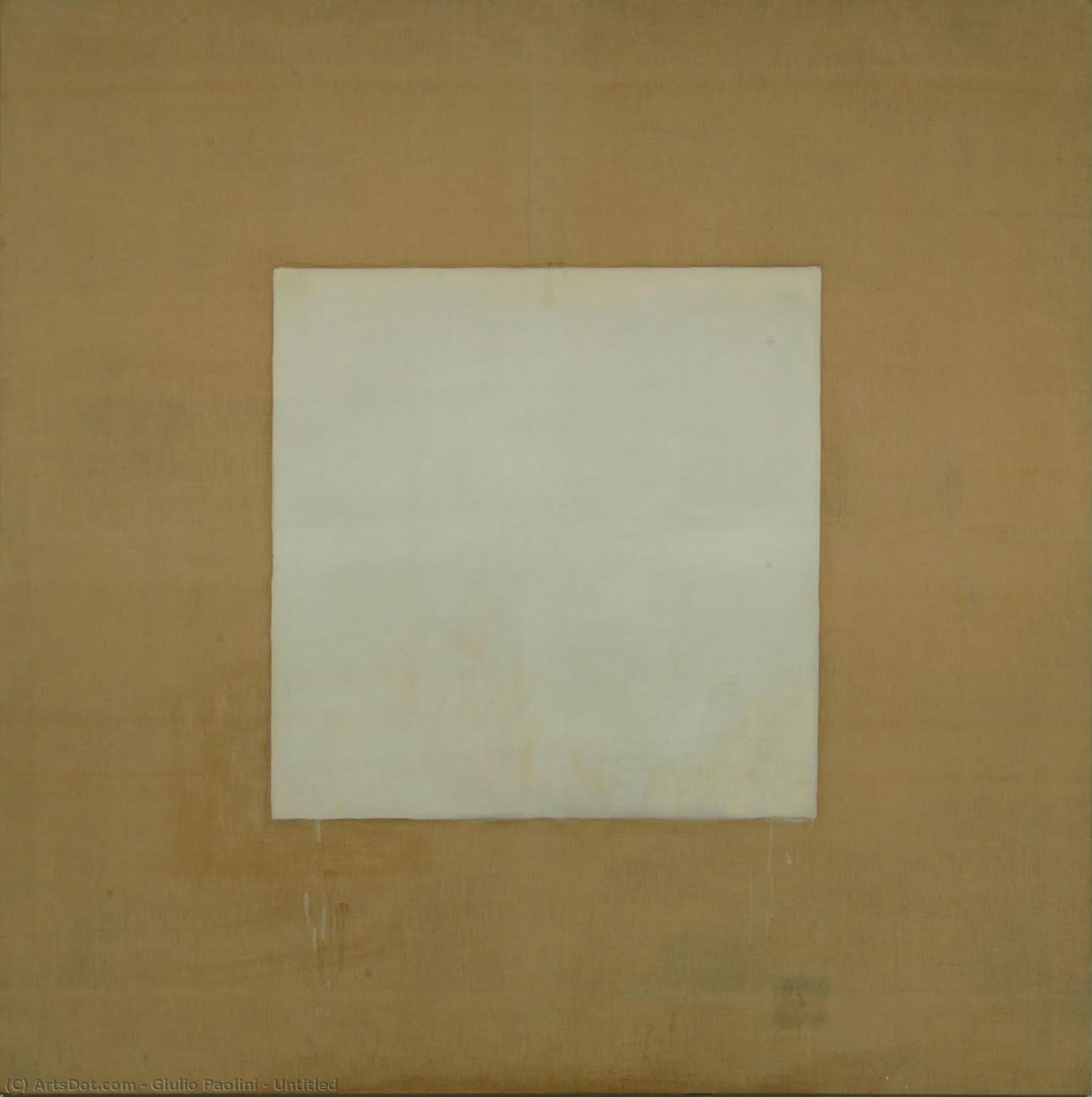
Untitled
 201.0 x 200.0 cm
 Galleria Civica di Arte Moderna e Contemporanea Torino
 Weiterlesen
Handgefertigte Ölreproduktion
Handgemaltes Ölgemälde auf Leinwand in Ihrer Wunschgröße und mit Rahmen, auf Bestellung von unseren Künstlern angefertigt. ( Zu Druck wechseln Zum digitalen Bild wechseln)




































Wählen Sie aus unseren vordefinierten Formaten, die den ursprünglichen Proportionen des Kunstwerks entsprechen.

Sie können Ihre eigenen Maße eingeben, um einen bestimmten Rahmen oder Platz auszufüllen. Wenn die gewählte Größe nicht den Proportionen des Originalbildes entspricht, werden wir das Kunstwerk entweder beschneiden oder das Gemälde durch zusätzliche, handgemalte Elemente erweitern. Ein digitales Mockup wird Ihnen zur Genehmigung zugesandt, bevor die Produktion beginnt.
Bitte beachten Sie, dass die Bildschirmvorschau nicht die tatsächliche Beschneidung oder Erweiterung widerspiegelt. Nur das Mockup zeigt die endgültige Komposition exakt an.
Obwohl Sondermaße verfügbar sind, empfehlen wir, eine Größe aus der vordefinierten Liste zu wählen, um die ursprünglichen Proportionen beizubehalten.
Nach der Bestellung wird das OriginalUniqueArt.com-Team dem Kunden Anweisungen per E-Mail zusenden und eine Mockup-Vorschau bereitstellen.
Weltweiter Versand () in nur 3 bis 4 Wochen statt der üblichen 5 Wochen. (13 September). Keine Kompromisse bei der Qualität.

Kostenloser weltweiter Expressversand

Hochwertige Leinenleinwand

Umfassender Versicherungsschutz beim Versand

Zollgebühren-Rückerstattungsgarantie

Garantie für exakte Farbtreue

100-Tage-Rückgaberecht (nur bei Mängeln)

100% Geld-zurück-Garantie

Mengenrabatt verfügbar
 Die Glasoption ist nur für Größen unter 110 cm verfügbar.

Untitled
Art der Reproduktion
Format der Reproduktion
-


Gesamtpreis
$ 300
Über den Künstler
Giulio Paolini: Bridging Arte Povera and Conceptual Thought
Giulio Paolini stands as a singular figure in Italian art, embodying the spirit of Arte povera while simultaneously delving into the intricacies of conceptual art. Born in Genoa in 1940, his artistic journey began amidst formative influences – a childhood spent in Bergamo instilled a deep appreciation for visual culture and fostered an early engagement with museums and galleries. His fascination extended beyond mere observation; he actively sought knowledge through art periodicals and meticulously studied the works of masters. This intellectual curiosity propelled him toward painting after graduating from the Giambattista Bodoni State Industrial Technical School of Graphics and Photography in 1959, specializing in graphic design.- Early Explorations: Paolini’s initial artistic endeavors centered on monochrome abstractions, reflecting a desire to distill visual experience into its purest form. The discovery of modern graphics – his brother Cesare's architectural pursuits – profoundly impacted his aesthetic sensibilities, shaping his approach to representation. He was particularly drawn to the minimalist aesthetics championed by artists like Lucio Fontana and Yves Klein, recognizing their commitment to reducing art to its essential elements.
- The Pioneering Gesture: His breakthrough came with “ disegno geometrico” (geometric drawing), a seminal piece executed in 1960. This ambitious undertaking involved squaring a canvas painted entirely white tempera – an act of deliberate negation intended to liberate the image from preconceived notions and establish a foundational conceptual principle. Paolini viewed this gesture as a symbolic confrontation with tradition, asserting that art should challenge established conventions and provoke contemplation about its own nature.
- Conceptual Foundations: Paolini’s artistic philosophy revolved around capturing “eternal recurrence,” recognizing that each creative moment holds inherent significance and contributes to the artist's self-discovery. This perspective underpinned his subsequent explorations into the very components of painting – tools and space—marking a decisive shift toward conceptual concerns. He embraced the ideas of Martin Heidegger and Jacques Derrida, analyzing how language shapes our understanding of reality and questioning the possibility of objective truth.
The Rise of Arte Povera and Photographic Realism
Paolini’s artistic trajectory gained momentum in the early 1960s as he embraced photography, expanding his investigation into the relationship between artist and artwork. This collaboration with Carla Lonzi proved pivotal, introducing him to Marisa Volpi who would soon produce influential critical analyses of his burgeoning talent. The encounter solidified Paolini's connection to Arte povera—an artistic movement characterized by its use of humble materials – wood, plaster, burlap – and rejection of traditional techniques – brushstrokes, glazing – prioritizing textural qualities and conveying emotional resonance. He saw Arte povera as a reaction against the excesses of Abstract Expressionism and Pop Art, advocating for an art that speaks to the viewer’s senses and confronts fundamental questions about existence.- Early Exhibitions: His debut solo exhibition at Gian Tommaso Liverani’s La Salita gallery in Rome in 1964 showcased “leant against or hanging on the wall” panels—a deliberate provocation designed to disrupt conventional notions of display and underscore the ongoing process of artistic creation. Critics like Carla Lonzi and Marisa Volpi recognized Paolini's innovative approach, establishing him as a voice within the burgeoning Arte povera movement.
- Material Exploration: Paolini’s subsequent works consistently prioritized raw materials—wood, plaster, photography—transforming them into evocative sculptures and images. These pieces eschewed polished surfaces and elaborate ornamentation, prioritizing textural qualities and conveying emotional resonance. He famously stated that “the material is the idea,” emphasizing that artistic expression should emerge organically from the chosen medium.
Notable Achievements and Artistic Legacy
Paolini’s enduring influence stems from his unwavering dedication to artistic innovation—his refusal to adhere to conventional standards and his persistent pursuit of expressive truth. His exploration of photographic realism—evident in “senza titolo” (1965)—challenged viewers to confront the complexities of representation, prompting reflection on how images convey meaning beyond mere visual appearance. Furthermore, his sculptural endeavors, such as “Untitled (936),” exemplify Arte povera’s commitment to confronting existential themes through understated materials and forms. He was awarded the Premio Nazionale Italiano Arti Figurative in 1972 for his contribution to contemporary art, cementing his reputation as a visionary artist who pushed the boundaries of artistic expression.- Critical Recognition: Paolini's work garnered considerable acclaim from prominent art critics and curators who championed his distinctive aesthetic vision. Lonzi and Volpi’s initial assessments established him as a key figure in the Arte povera movement, securing his place within the history of Italian contemporary art.
- Continuing Relevance: Giulio Paolini continues to inspire artists today who strive to forge new paths within the realm of visual art—artists who embrace experimentation and challenge accepted notions of beauty and artistic merit. His legacy resides in his unwavering belief that art should serve as a catalyst for intellectual inquiry and emotional engagement.

Giulio Paolini
1940 - , Italien
Kurzinfos
- Artistic Movement Or Style: Arte Povera & Konzeptkunst
- Artists Or Movements Influenced By This Artist: ['Minimalismus']
- Artists Who Influenced This Artist: ['Luciano Fabro']
- Date Of Birth: 1940
- Date Of Death: Living
- Full Name: Giulio Paolini
- Nationality: Italienisch
- Notable Artworks:
- Leant against or hanging on the wall
- Untitled (936)
- Place Of Birth: Genoa, Italien