

 Vorschau anzeigen
 Versenden
 Teilen
 Details anzeigen

 Herunterladen
 Ähnliche Objekte
 Röntgenaufnahme
 Diashow
Recital


 Weiterlesen
Giclée / Kunstdruck
Giclée- oder Leinwanddruck in Museumsqualität mit schneller Produktion und flexiblen Veredelungsoptionen. ( Handgemalte Reproduktion bestellen Bild kaufen)




P118B $10

P118H $10

P118W $10

P438Z $10

P508JH $12

P508YH $12

P805H $10

P805Z $10

P919BZ $10

P919G $10

P919XJ $10

P959ZH $10

P968JZ $12

W106C $8

W218G $10

W218JH $8

W218Y $10

W307PJ $10

W316G $10

W316PJ $8

W316Y $10

W398PJ $8

W4111J $10

W500HY $15

W500JH $15

W692G $12

W849H $8

W940BG $15

W953PJ $8




Wählen Sie aus unseren vordefinierten Formaten, die den ursprünglichen Proportionen des Kunstwerks entsprechen.

Sie können Ihre eigenen Maße eingeben, um ein bestimmtes Format oder einen speziellen Platz einzupassen. Wenn das von Ihnen gewählte Format nicht den Proportionen des Originalbildes entspricht, werden wir das Kunstwerk entweder beschneiden oder das Bild mit einem gespiegelten oder einfarbigen Rand erweitern. Ein digitaler Entwurf wird Ihnen zur Genehmigung zugesandt, bevor die Produktion beginnt.
Bitte beachten Sie, dass die Vorschau auf dem Bildschirm nicht den tatsächlichen Zuschnitt oder die Erweiterung widerspiegelt. Nur der Entwurf zeigt die endgültige Komposition präzise an.
Obwohl Sondermaße verfügbar sind, empfehlen wir die Auswahl eines Maßes aus der vordefinierten Liste, um die ursprünglichen Proportionen zu bewahren.
Weltweiter Versand () innerhalb von 2 Wochen statt der üblichen 4/5 Wochen. (2 September)

Kostenloser weltweiter Expressversand

Hochwertige Leinenleinwand

Umfassender Versicherungsschutz beim Versand

Zollgebühren-Rückerstattungsgarantie

Garantie für exakte Farbtreue

60 Tage Rückgaberecht (nur bei Mängeln)

100% Geld-zurück-Garantie

Mengenrabatt verfügbar
 Die Glasoption ist nur für Größen unter 110 cm verfügbar.

Recital
Giclée / Kunstdruck
Format der Reproduktion
-


Gesamtpreis
$ 80
A Portrait of Belle Époque Grace: Giovanni Boldini’s “Recital”
Giovanni Boldini's "Recital," painted in 1884, is more than just a portrait; it’s a meticulously crafted evocation of the elegance and social grace that defined the Belle Époque. This captivating scene, depicting a woman lost in the music of her piano, immediately transports the viewer to a world of refined leisure and artistic aspiration. Boldini, a master of capturing fleeting moments and the subtle nuances of human expression, expertly utilizes light and color to create an image brimming with atmosphere and emotion.
- Subject Matter: The central figure is a woman engaged in a private recital, her posture suggesting both concentration and vulnerability. Her attire – a dress designed to flatter her form – speaks of wealth and social standing, hallmarks of the era.
- Composition: Boldini’s masterful composition draws the eye directly to the pianist, utilizing a shallow depth of field that emphasizes her presence while subtly hinting at the supporting figures within the scene. The placement of the window behind her not only provides natural light but also creates a sense of narrative – she is performing for an unseen audience.
The Boldini Technique: Light, Color, and Illusion
Boldini’s technique was renowned for its remarkable ability to create an illusion of depth and movement. He achieved this through a combination of meticulous brushwork—often applied in short, broken strokes—and his masterful manipulation of light and color. Notice the way he renders the piano keys, not with rigid detail but with shimmering highlights that suggest their reflective surfaces. The use of warm tones – ochres, reds, and golds – contrasts beautifully with the cooler blues and greens of the background, creating a dynamic visual harmony. This technique, heavily influenced by his time with the Macchiaioli, prioritized capturing the *impression* of light rather than photographic realism.
- Broken Brushwork: Boldini’s signature style involved layering countless tiny strokes to build up color and form, resulting in a luminous effect.
- Color Palette: The carefully chosen palette contributes significantly to the painting's mood – opulent yet intimate.
Symbolism and Context within the Belle Époque
"Recital" is deeply rooted in the social and artistic climate of the late 19th century. Boldini was a prominent figure in Parisian society, frequently commissioned to paint portraits of wealthy industrialists, artists, and actresses. The scene reflects the era’s fascination with music, performance, and the pursuit of beauty. The presence of the two supporting figures – one standing behind the pianist and another further back – adds to the narrative, suggesting an audience or perhaps a fellow musician. This was a time when portraiture wasn't simply about likeness; it was about projecting status, wealth, and cultural refinement.
- Social Portraiture: The painting exemplifies the trend of social portraiture during the Belle Époque, where artists captured not just physical appearances but also social roles and aspirations.
- The Macchiaioli Influence: Boldini’s work demonstrates the lasting impact of his encounter with the Macchiaioli movement, particularly in its emphasis on vibrant color and spontaneous brushwork.
Emotional Impact and Artistic Legacy
"Recital" continues to resonate with viewers today due to its evocative portrayal of a moment of quiet contemplation and artistic expression. Boldini’s ability to capture the sitter's personality—her poise, her focus, her vulnerability—is truly remarkable. This painting stands as a testament to Boldini’s genius and his enduring legacy as one of the most celebrated portraitists of the Belle Époque. A hand-painted reproduction offers an unparalleled opportunity to experience the beauty and artistry of this iconic work firsthand.
Über den Künstler
Frühes Leben und Ausbildung
Giovanni Boldini, ein italienischer Genre- und Porträtmaler, wurde am 31. Dezember 1842 in Ferrara, Italien, geboren. Sein Vater, ein Maler religiöser Themen, förderte sein frühes Interesse an der Kunst. Im Jahr 1862 zog Boldini für sechs Jahre nach Florenz, um dort zu studieren und das Malen zu betreiben. Dort lernte er die Macchiaioli kennen, eine Gruppe italienischer Realisten, die den Impressionismus vorausgingen.Künstlerische Laufbahn
Boldinis künstlerischer Stil zeichnete sich durch seine fließende, spontane Reaktion auf die Natur aus, wie man sie in seinen Landschaftsbildern sehen kann. Doch gerade seine Porträts brachten ihm weitreichende Anerkennung. Er wurde als der "Meister des Schwungs" bekannt, ein Titel, den Time Magazine 1933 prägte. Seine Fähigkeit, die Eleganz und das Flair der Pariser Gesellschaft einzufangen, machte ihn berühmt. Boldini war ein begnadeter Beobachter und sein Pinsel fange die Bewegung und Energie seiner Modelle auf eine einzigartige Weise ein. Er malte oft Frauen in luxuriösen Umgebungen, wobei er ihre Schönheit und ihren Stil betonte.Wichtige Werke und Ausstellungen
- Das Porträt der Gräfin de Rasty liegend (Impressionismus) ist ein bemerkenswertes Beispiel für seine Arbeit und zeigt seine Fähigkeit, das Wesen seiner Motive einzufangen.
- Im Jahr 1897 hatte er eine Einzelausstellung in New York City, die seinen Ruf als Porträtmaler weiter festigte.
- Er nahm an der Biennale von Venedig im Jahr 1895, 1903, 1905 und 1912 teil und demonstrierte damit sein Engagement für die Kunstwelt.
Einflüsse und Entwicklung
Boldini wurde von verschiedenen Künstlern beeinflusst, darunter Edgar Degas und Auguste Renoir. Er bewunderte ihre Fähigkeit, Bewegung und Licht einzufangen, und versuchte, diese Elemente in seine eigenen Werke zu integrieren. Im Laufe seiner Karriere entwickelte Boldini einen unverwechselbaren Stil, der durch fließende Pinselstriche, eine lebendige Farbpalette und eine Vorliebe für das Porträtieren von Frauen bekannt ist. Er experimentierte mit verschiedenen Techniken, darunter auch die Verwendung von Pastellfarben und Ölfarben, um unterschiedliche Effekte zu erzielen. Seine frühen Werke zeigen Einflüsse des Realismus, während seine späteren Arbeiten stärker impressionistischen Zügen unterworfen sind.Vermächtnis
Giovanni Boldini verstarb am 11. Juli 1931 in Paris und hinterließ ein Vermächtnis als einer der modischsten Porträtmaler seiner Zeit. Seine Arbeit inspiriert weiterhin Künstler und Kunstliebhaber gleichermaßen.- Erkunden Sie weitere Werke von Giovanni Boldini unter [https://OriginalUniqueArt.com/@/giovanni-boldini](https://OriginalUniqueArt.com/@/giovanni-boldini).
- Entdecken Sie das Museo Giovanni Boldini (Italien) und seine Bedeutung für die italienische Kunst unter [https://OriginalUniqueArt.com/@@/a@d3astr-museo-giovanni-boldini-(italy)-a-hidden-gem-of-italian-art](https://OriginalUniqueArt.com/@@/a@d3astr-museo-giovanni-boldini-(italy)-a-hidden-gem-of-italian-art).

Giovanni Boldini
1842 - 1931 , Italien
Kurzinfos
- Bemerkenswerte Werke: ['Die Countess de Rasty liegend']
- Geburtsdatum: 31. Dezember 1842
- Geburtsort (Stadt, Land): Ferrara, Italien
- Künstler, Die Diesen Künstler Beeinflussten: ['Macchiaioli-Bewegung']
- Künstlerische Bewegung Oder Stil: Impressionismus
- Nationalität: Italienisch
- Sterbedatum: 11. Juli 1931
- Vollständiger Name: Giovanni Boldini
Ähnliche Artikel

Giovanni Boldini: Ein Meister der Belle Époque und sein Kult um die Persönlichkeit
Entdecken Sie Giovanni Boldini, den Meister der Belle Époque! Erfahren Sie mehr über seinen einzigartigen Malstil, die Porträts der High Society und sein Vermächtnis in der Kunstgeschichte. Expertenanalyse & Hintergrundinformationen.

Giclée Prints: Archival Quality & Aesthetic Nuances for the Discerning Collector
Explore the world of giclée prints with OriginalUniqueArt. Learn about archival quality, aesthetic nuances & investment potential. Expert guidance for discerning art collectors seeking museum-quality reproductions and lasting value.

The Enduring Legacy of Fine Art Prints: Technique, History & Aesthetic Impact
Explore the rich history & techniques of fine art prints. Discover investment potential, assess authenticity, and learn how to preserve your collection with expert guidance. Trusted insights for discerning collectors.
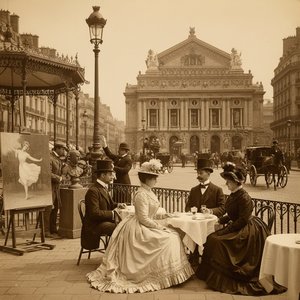
Echoes of 1882: Art, Culture & the Belle Époque's Lasting Impression
Explore the art & culture of the Belle Époque! Discover Impressionism, Realism, and iconic Parisian paintings from Degas, Béraud & more. High-quality reproductions at OriginalUniqueArt.

Echoes of Time: Exploring the Enduring Appeal & Historical Context of Vintage Art Prints
Explore the captivating world of vintage art prints! Discover their history, collecting tips & enduring appeal. Expert insights on chromolithography and building a legacy collection with OriginalUniqueArt.



