
 Vorschau anzeigen
 Versenden
 Teilen
 Details anzeigen
 Leitfaden

 Herunterladen
 Ähnliche Objekte
 Röntgenaufnahme
 Diashow
 Fragen & Antworten
 Statistiken
Baroncelli Polyptych (Detail)


 Weiterlesen
Giclée / Kunstdruck
Giclée- oder Leinwanddruck in Museumsqualität mit schneller Produktion und flexiblen Veredelungsoptionen. ( Handgemalte Reproduktion bestellen Zum digitalen Bild wechseln)




P118B €10

P118H €10

P118W €10

P438Z €10

P508JH €12

P508YH €12

P805H €10

P805Z €10

P919BZ €10

P919G €10

P919XJ €10

P959ZH €10

P968JZ €12

W106C €8

W218G €10

W218JH €8

W218Y €10

W307PJ €10

W316G €10

W316PJ €8

W316Y €10

W398PJ €8

W4111J €10

W500HY €15

W500JH €15

W692G €12

W849H €8

W940BG €15

W953PJ €8




Wählen Sie aus unseren vordefinierten Formaten, die den ursprünglichen Proportionen des Kunstwerks entsprechen.

Geben Sie die benötigte Breite und Höhe an, damit der Druck perfekt in Ihren Rahmen oder an Ihre Wand passt. Ein Druck kann nur beschnitten, aber niemals größer als das Originalbild angefertigt werden; daher verliert ein Format mit anderen Proportionen einen Teil des Bildes. Wir senden Ihnen ein digitales Mockup zur Freigabe, bevor wir den Druck ausführen. Das auf dieser Seite gezeigte Bild zeigt nicht den tatsächlichen Beschnitt – dies ist nur im Mockup ersichtlich.
Weltweiter Versand () innerhalb von 2 Wochen statt der üblichen 4/5 Wochen. (11 November)

Kostenloser weltweiter Expressversand

Hochwertige Leinenleinwand

Umfassender Versicherungsschutz beim Versand

Zollgebühren-Rückerstattungsgarantie

Garantie für exakte Farbtreue

100 Tage Rückgaberecht (nur bei Mängeln)

100% Geld-zurück-Garantie

Mengenrabatt verfügbar
 Die Glasoption ist nur für Größen unter 110 cm verfügbar.

Baroncelli Polyptych (Detail)
Giclée / Kunstdruck
Format der Reproduktion
-


Endpreis
€ 73
Baroncelli Polyptych (detail): A Window Into Florentine Spirituality
The Baroncelli Polyptych (detail) stands as a cornerstone of Early Renaissance art—a testament to Giotto Di Bondone’s revolutionary vision and his profound understanding of human emotion. Created in 1334 for the Baroncelli Chapel in Florence, Italy, this monumental fresco isn't merely decoration; it’s an immersive experience designed to convey theological concepts with unprecedented realism. Its enduring appeal lies not just in its aesthetic beauty but also in its ability to transport viewers back to a pivotal moment in artistic history.The Genius of Giotto Di Bondone: Breaking Free From Byzantium
Before Giotto, Byzantine art dominated the Florentine landscape—characterized by flattened figures and shimmering gold backgrounds intended to evoke divine splendor. Giotto decisively rejected these conventions, embarking on a path toward naturalism that would reshape Western painting forever. His influence extended far beyond his immediate contemporaries; he established a new standard for portraying human beings with dignity and compassion – a departure from the stylized representations of previous eras. The artist’s meticulous attention to detail—particularly in capturing facial expressions and body postures—marked an astonishing advance toward depicting the human form accurately, mirroring life as it truly appeared.A Detailed Examination: Composition and Symbolism
The polyptych's central panel depicts a serene tableau featuring two figures – a man and a woman – engaged in a tender gesture of intimacy. The man gently places his hand on the woman’s head, symbolizing paternal care and divine protection—a motif frequently found in religious iconography of the time. Simultaneously, the woman delicately covers her stomach, representing pregnancy and foreshadowing the incarnation of Christ. These figures are draped in flowing white robes, a deliberate choice signifying purity and innocence – values central to Christian faith. Surrounding them is an intricate red and gold design, reflecting the chapel’s opulent setting and reinforcing its spiritual significance. The careful arrangement of elements contributes to a harmonious balance that draws the eye inward, inviting contemplation.Technique: Tempera Paint—A Masterful Innovation
Giotto's mastery of tempera paint—a medium known for its luminosity and durability—is evident throughout the polyptych. Unlike oil paints which require extended drying times, tempera dries quickly, allowing for vibrant colors and precise blending. Giotto skillfully utilized this technique to achieve remarkable textural effects, conveying a palpable sense of depth and volume. The artist’s meticulous layering of pigments created an illusionistic space that captivated viewers and elevated the polyptych beyond mere representation—it became a conduit for spiritual experience.Historical Context: Patronage and Artistic Transformation
Commissioned by the Baroncelli family – prominent Florentine bankers – this polyptych exemplifies the flourishing artistic patronage of the era. Giotto’s work coincided with a broader cultural shift toward humanism, where artists increasingly sought to depict human beings in their natural state—a reaction against the rigid formalism of medieval art. The Baroncelli Polyptych stands as an emblem of this transformative period, demonstrating Giotto's unwavering commitment to innovation and his profound understanding of how art could communicate spiritual truths. Its legacy continues to inspire artists today, cementing Giotto Di Bondone’s place among the titans of Western art history.- For a deeper appreciation of Giotto’s artistic achievements, explore Baroncelli Polyptych and Baroncelli Polyptych (detail) on OriginalUniqueArt.
- Consider visiting the Musée Jacquemart-André in Paris (Musée Jacquemart-André) to examine other masterpieces from the Renaissance period.
- Delve into Giotto’s influence on subsequent artists via Wikipedia: Giotto
Fragen & Antworten
Kann ich eine Röntgenaufnahme von "Baroncelli Polyptych (Detail)" von Giotto Di Bondone sehen?
„Baroncelli Polyptych (Detail)“ kann auf der Röntgenblick-Seite des Kunstwerks Schicht für Schicht untersucht werden – ein Viewer, inspiriert von der Leuchttisch eines Restaurators, mit elf optischen Ebenen des Bildes.
Welcher Künstler und welcher Stil stecken hinter "Baroncelli Polyptych (Detail)"?
Giotto Di Bondone schuf „Baroncelli Polyptych (Detail)“ im Rahmen der Proto-Renaissance-Bewegung.
Welche Gemeinsamkeiten weist "Baroncelli Polyptych (Detail)" mit dem restlichen Werk von Giotto Di Bondone auf?
"Baroncelli Polyptych (Detail)" gehört zu Giotto Di Bondones Werk der Proto-Renaissance-Epoche, dessen dokumentierte Themen unter anderem byzantine legacy, humanistic vision, religious narrative, florence patronage, innovation in perspective, symbolic imagery, key renaissance masterpiece umfassen.
Künstlerbiografie
Das Leben und die Ursprünge von Giotto Di Bondone
Giotto Di Bondone entsprang um das Jahr 1267 den sanften Hügeln in der Nähe von Florenz, Italien. Als Maler und Architekt widmete er sein Leben dem Übergang vom Mittelalter zur Renaissance. Während sein voller Name das Gewicht seiner Abstammung in sich trägt, war er oft schlicht als Giotto bekannt. Sein Wirken in der florentinischen Landschaft war geprägt von einem grundlegenden Wandel in der Art und Weise, wie Figuren den Raum einnahmen; er löste sich von den flachen, goldgrundigen Ikonen der byzantinischen Tradition und schuf stattdessen ein greifbares Gefühl von Schwere und menschlicher Präsenz.
Sein Leben war tief in der toskanischen Landschaft verwurzelt, und er blieb bis zu seinem Tod am 8. Januar 1337 eine zentrale Figur im künstlerischen Leben von Florenz. Er zog durch die Städte Italiens und hinterließ die Spuren seiner Hand in zahlreichen Kapellen und öffentlichen Bauwerken. Sein Werk war kein plötzlicher Bruch mit dem Vergangenen, sondern eine stetige, beobachtende Evolution dessen, wie Licht und Schatten eine Form definieren können. Er blickte auf die Welt und suchte danach, ihre physische Realität einzufangen, indem er seinen Motiven eine gewisse Erdenschwere und einen Platz innerhalb einer glaubwürdigen, dreidimensionalen Umgebung verlieh.
Frühes Leben, Familie und Ausbildung
Geboren in Florenz, Italien, war er der Sohn eines Schmieds namens Bondone. Seine frühen Jahre werden oft durch die Legende eines Hirtenjungen beschrieben. In dieser Erzählung verbrachte er seine Zeit damit, die Abbilder von Schafen auf flache Felsen zu zeichnen. Diese Gewohnheit erregte die Aufmerksamkeit des Meisters Cimabue, der den Jungen als Lehrling aufnahm. Ob diese Geschichte eine wörtliche Wahrheit ist oder lediglich dazu dient, sein natürliches Talent zu erklären, bleibt offen – doch sie deutet auf eine Kindheit hin, die dem Beobachten der Bewegung und des Gewichts lebendiger Wesen gewidmet war.
Seine Ausbildung unter Cimabue legte das technische Fundament für sein späteres Schaffen. Er löste sich von den starren, flächigen Stilen, die jene Ära prägten, und konzentrierte sich stattdessen darauf, wie Figuren den Raum einnehmen. Er lernte, die Welt unmittelbar zu betrachten, stets bestrebt, die Art und Weise einzufangen, wie ein Körper sein eigenes Gewicht trägt. Dieser Fokus auf die physische Realität seiner Motive wurde zum Markenzeichen seines künstlerischen Ansatzes. Er kopierte nicht bloß die Ikonen seiner Zeit; er suchte nach dem tieferen Verständnis der Anatomie und der eigentlichen Präsenz der Menschen, die er malte.
Arbeit in Rom und Assisi
Gegen Ende des dreizehnten Jahrhunderts weitete sich die künstlerische Präsenz von Giotto Di Bondone weit über den florentinischen Einflussbereich hinaus aus. In den Jahren zwischen 1297 und 1300 wirkte er in Rom, einer Epoche, in der er sich mit der monumentalen Pracht der religiösen Zentren der Stadt auseinandersetzte. Eine seiner bedeutendsten Aufgaben in dieser Zeit war die Schöpfung eines gewaltigen Mosaiks für die Navicella, die einst die Fassade der alten Petersbasilika schmückte. Dieses Werk verlangte nach einer ganz anderen Form der Präzision als die Fresken seiner Jugend; es erforderte den Umgang mit der Beständigkeit von Stein und Glas, um einen heiligen Raum physisch und spirituell zu formen.
Sein künstlerischer Einfluss reichte jedoch auch bis in die sanften Hügel von Assisi. Während die genaue Natur seines Engagements dort bis heute Gegenstand wissenschaftlicher Debatten bleibt, erkennen viele Experten seine Handschrift in den Fresken der Oberen Basilika des Heiligen Franziskus wieder. In diesen sakralen Räumen schuf er in einer Zeit tiefster religiöser Inbrunst, als er ein Zeitgenosse bedeutender Gestalten wie Dante Alighieri und Duccio di Buoninsegna war. Sein Wirken in Assisi trug maßgeblich dazu bei, die religiöse Ikonografie von den flachen, hochstilisierten Mustern der Vergangenheit zu lösen, und lenkte den Blick stattdessen auf eine neue Wahrnehmung von Schwere und menschlicher Präsenz innerhalb der Kapellenmauern.
Das Meisterwerk der Scrovegni-Kapelle
In Padua beherbergt die Scrovegni-Kapelle – oft auch als Arena-Kapelle bezeichnet – das Werk, das Giotto Di Bondone um 1305 vollendete. Enrico Scrovegni gab den Auftrag für diesen Raum, und die daraus entstandenen Fresken bedecken die Wände in einer kontinuierlichen Erzählung. Die Szenen folgen dem Leben der Jungfrau Maria und dem Leben Christi. Anstelle der für diese Ära üblichen flachen, goldlastigen Hintergründe nehmen die Figuren hier einen Raum ein, der sich schwer und real anfühlt. Man kann das Gewicht in ihren Körpern spüren und sehen, wie sie durch einfache, direkte Gesten aufeinander reagieren.
Die Wände entfalten die Geschichten der Bibel mit einem Sinn für menschliches Drama. In den Szenen aus dem Leben Christi existieren die Figuren nicht bloß als Symbole; sie besitzen die physische Präsenz von Menschen, die Trauer oder stille Beobachtung erleben. Der Einsatz von Licht und Schatten hilft dabei, den Faltenwurf ihrer Kleidung und die Konturen ihrer Gesichter zu formen. Dieser Ansatz lässt die heiligen Ereignisse so wirken, als fänden sie in einer greifbaren, dreidimensionalen Umgebung statt, anstatt in einer fernen, spirituellen Leere.
Das Ausmaß des Werkes ist immens und erstreckt sich im Inneren der Kapelle vom Boden bis zur Decke. Das Jüngste Gericht nimmt einen großen Teil der Wand ein und präsentiert eine eindringliche Vision vom Ende der Zeiten. Die Figuren sind geerdet, ihre Füße ruhen auf festem Boden, und ihre Gesichtsausdrücke spiegeln eine ganze Bandbreite menschlicher Emotionen wider. Es ist ein Ort, an dem das Göttliche durch den sorgfältigen Einsatz von Farbe und Form auf ein menschliches Maß herabgeholt wird.
Architektonische Beiträge und Florenz
Im Jahr 1334 traf die Kommune von Florenz eine weichenstellende Entscheidung über die zukünftige Silhouette der Kathedrale. In der Folge des Todes von Arnolfo di Cambio wurde Giotto Di Bondone als dessen Nachfolger nominiert. Er widmete einen Großteil seiner späteren Energie dem Entwurf und dem Bau eines neuen Campanile für die Kathedrale. Dieser Glockenturm sollte majestätisch neben der Basilika Santa Maria del Fiore emporragen, und der Grundstein wurde am 19. Juli 1334 gelegt.
Sein architektonischer Ansatz für den Turm wich von einem einfachen, skelettartigen gotischen Rahmen ab. Stattdessen gestaltete er eine Oberfläche aus farbigem Marmor in geometrischen Mustern, wobei er weißen Marmor aus Carrara, grünen Marmor aus Prato und roten Marmor aus Siena verwendete. In seinem Entwurf nutzte er Chiaroscuro und eine Form der Perspektive, wodurch er das Bauwerk fast wie ein gemaltes Objekt behandelte. Der Turm weist einen quadratischen Grundriss auf, erreicht eine Höhe von 84,7 Metern und ist in fünf horizontale Etagen unterteilt. Obwohl er verstarb, bevor das Werk seine volle Höhe erreichte, bleibt sein Entwurf für das untere Stockwerk ein fester Bestandteil der Florentiner Skyline.
Technik und künstlerischer Stil
Giotto Di Bondone löste sich von der starren, flächigen Stilisierung, die einen Großteil der mittelalterlichen Kunst prägte. Anstatt der distanzierten, symbolhaften Figuren, wie sie in der byzantinischen Tradition üblich waren, konzentrierte er sich auf eine klare und schlichte Struktur. Er suchte danach, die Welt so darzustellen, wie sie dem Auge erschien, und führte die Praxis ein, präzise nach dem Vorbild des Lebens zu zeichnen. Dieser Wandel verlieh seinen Motiven ein Gefühl von Gewicht und Volumen und ließ sie einen greifbaren, dreidimensionalen Raum einnehmen, anstatt lediglich vor einem goldenen Hintergrund zu schweben.
In der Art und Weise, wie er seine Figuren behandelte, zeigt sich eine stille psychologische Tiefe. Er nutzte Licht und Schatten, um Formen zu modellieren, und verlieh dem Körper so eine physische Präsenz und Schwere. Diese Aufmerksamkeit für die menschliche Verfassung ermöglichte es ihm, ein breites Spektrum an Emotionen durch Gestik und Mimik zu vermitteln. In seinem Werk ist das Göttliche keine ferne Abstraktion, sondern etwas, das sich geerdet und real anfühlt. Sein Ansatz wies bereits auf die Innovationen des Renaissance-Stils hin und bewegte die Kunst hin zu einer naturalistischeren Darstellung der menschlichen Erfahrung.
- Kruzifix (1290)
- Madonna in Maest (um 1310)
- Das Stefaneschi-Triptychon (1320)
Hauptwerke und religiöse Malerei
Im Mittelschiff der Santa Maria Novella in Florenz hängt ein großes Holzkreuz, meisterhaft in Tempera und Gold ausgeführt. Dieses um 1290–1295 entstandene Werk zeigt den Körper Christi in einer vertikalen, naturalistischen Pose. Die Last der Figur zieht den Betrachk zum Schauen nach unten; der Kopf ist geneigt, die Rippen treten deutlich hervor. Am Fuße des Kreuzes ruht es auf kargem Gestein, das den Berg Golgatha evoziert – ein Ort, an dem das Blut Christi in eine Vertiefung rinnt, in der die Knochen Adams ruhen.
Das Badia-Polyptychon, das heute in den Uffizien in Florenz zu bewundern ist, offenbart eine weitere Facette seines außergewöhnlichen Geschicks im Umgang mit sakralen Sujets. Das Schaffen von Giotto Di Bondone konzentrierte sich oft auf die menschliche Erfahrung innerhalb religiöser Erzählungen. Dies zeigt sich eindrucksvoll in der Ognissanti-Madonna, auch bekannt als die Madonna in Maestà, die um 1310 gemalt wurde. In diesem Werk besitzen die Figuren eine spürbare Schwere und ein Volumen, das sich radikal von den flachen, goldlastigen Stilen der Vergangenheit absetzt. Ebenso schuf er den Abstieg in das Limbo – eine Szene, die diesen Fokus auf psychologische Tiefe und physische Präsenz konsequent fortsetzt.
- Kruzifix (Santa Maria Novella)
- Badia-Polyptychon
- Ognissanti-Madonna
- Abstieg in das Limbo
Vermächtnis und Einfluss auf die Kunstgeschichte
Der Wandel in der Art und Weise, wie Maler die menschliche Gestalt darstellten, nahm seinen Anfang in seinen Händen. Indem er sich von den flachen, mit Gold hinterlegten Figuren der byzantinischen Tradition abwandte, veränderte er die gesamte Richtung der italienischen Malerei. Er führte eine neue Art des Sehens ein, die das Gewicht eines Körpers und das Spiel des Lichts auf einer Oberfläche in den Mittelpunkt rückte. Dieser fundamentale Wandel ermöglichte der Kunst den Weg zur Renaissance und schuf das Fundament für jenen Naturalismus, auf dem spätere Meister ihre Werke aufbauten. Oft wird er als der Vater der europäischen Malerei bezeichnet, da er die Kunst von rein symbolischen Ikonen hin zu einer greifbaren, physischen Realität führte.
Sein tiefer Einfluss lässt sich durch die Werke all jener nachvollziehen, die auf seinen Spuren gingen. Die Art und Weise, wie er den Raum und die menschliche Emotion nutzte, lieferte die Blaupause für Künstler wie Masaccio und Michelangelo. Er bewies, dass eine Figur Volumen besitzen und einen realen, dreidimensionalen Raum einnehmen kann. Dieser Ansatz verwandelte religiöse Szenen in gelebte Erfahrungen, in denen die Charaktere eine psychologische Tiefe besaßen, die in den früheren, starreren Stilen noch völlig fehlte. Sein Schaffen schlug die Brücke zwischen dem Mittelalter und der frühen Renaissance und setzte einen Maßstab dafür, wie Geschichten durch visuelles Gewicht und ausdrucksstarke Gestik erzählt werden können.
- Kruzifix (1290)
- Das Stefaneschi-Triptychon (1330)
- Baroncelli-Polyptychon (1334)
Wo man seine Werke heute bewundern kann
Um die Meisterschaft seiner Hand hautnah zu erleben, muss man eine Reise nach Padua in Italien antreten. Die Scrovegni-Kapelle beherbergt jene monumentalen Freskenzyklen, die die Art und Weise, wie Geschichten an Wänden erzählt wurden, grundlegend revolutioniert haben. Die Leuchtkraft der Farben und die Art und Weise, wie die Figuren den Raum einnehmen, lassen sich nur dort wirklich begreifen, wenn man selbst in dieser Kapelle steht. Es ist ein Ort der Stille, an dem die Schwere der gemalten Körper in einem faszinierenden Dialog mit der Architektur steht und sich beinahe greifbar anfühlt.
In Florenz sind ebenfalls mehrere seiner bedeutenden Werke erhalten geblieben. Das Kruzifix in Santa Maria Novella prangt im Zentrum des Kirchenschiffs. Es zeigt einen Körper, der unter seinem eigenen Gewicht zu versinken scheint – ein radikaler Bruch mit den starren Formen der Vergangenheit. Nicht weit davon entfernt bewahrt die Uffizien das Badia-Polyptychon auf. Diese Kunstwerke in ihrem jeweiligen italienischen Kontext zu sehen, verleiht einem ein tiefes Verständnis für die gewaltigen Dimensionen, in denen Giotto Di Bondone schuf.
Andere seiner Schöpfungen wurden in verschiedene Sammlungen überführt. Das Stefaneschi-Triptychon befindet sich in der Vatikanischen Pinakothek in der Vatikanstadt. Den Blick auf diese Werke an ihren heutigen Standorten zu richten, ermöglicht es, nachzuvollziehen, wie sein Stil durch die verschiedenen sakralen Räume der Welt wanderte.

Giotto Di Bondone
1267 - 1337 , Italien
Kurzinfos
- Beeinflusste Künstler: ['Cimabue']
- Bemerkenswerte Werke:
- Scrovegni Kapelle
- Ognissanti Madonna
- Geburtsdatum: 1267
- Geburtsort: Florenz, Italien
- Künstlerische Bewegung: Proto-Renaissance, Gotik
- Nationalität: Italienisch
- Todatum: 1337
- Vollständiger Name: Giotto di Bondone
- Von Künstlern Beeinflusst: ['Byzantinische Kunst']
Ähnliche Artikel
Das Familienerbe an die Wand bringen: Wandgemälde als Generationenschatz
Verwandeln Sie Ihre Familiengeschichte in ein beeindruckendes Wandgemälde! Expertenrat & hochwertige Handwerkskunst für einzigartige Kunstwerke, die Generationen verbinden. Entdecken Sie jetzt!
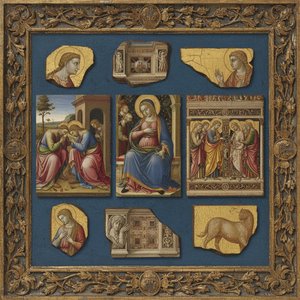
Proto-Renaissance Meisterwerke: Die 10 Kunstwerke, die eine Epoche prägten | OriginalUniqueArt
Entdecken Sie die 10 prägendsten Meisterwerke der Proto-Renaissance! Von Giotto bis Duccio – erleben Sie die Geschichten, Techniken & zeitlose Schönheit italienischer Frührenaissance Kunst. Hochwertige Reproduktionen auf OriginalUniqueArt.com.

Bronze-Meisterwerke: Die 10 Skulpturen, die Kunstgeschichte schrieben | OriginalUniqueArt
Entdecken Sie die 10 legendärsten Bronze Skulpturen der Kunstgeschichte! Von Michelangelo bis Rodin – erfahren Sie die Geschichten hinter den Meisterwerken und lassen Sie sich von Wanddeko-Ideen inspirieren. Hochwertige Kunstdrucke auf OriginalUniqueArt.com.

Die 25 besten Kunstwerke von Giotto di Bondone: Meisterwerke der Renaissance
Entdecken Sie die 25 besten Werke von Giotto di Bondone. Erfahren Sie alles über die Proto-Renaissance. Jetzt die Kollektion auf OriginalUniqueArt.com erleben!
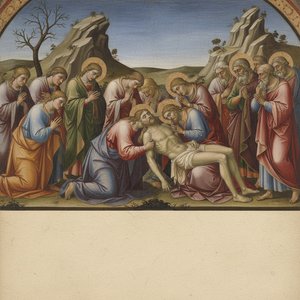
Giotto di Bondone: Revolutionierung der spätmittelalterlichen Malerei durch narrative Innovation
Entdecken Sie Giotto di Bondones revolutionäre Malerei! Erfahren Sie mehr über seine bahnbrechenden Fresken, den Übergang zur Renaissance und seinen Einfluss auf die Kunstgeschichte. Expertenwissen von OriginalUniqueArt.


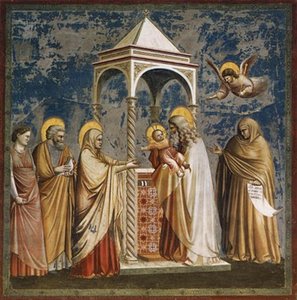


![Scrovegni - [05] - Joachims Traum](/media/artworks/images-thumb/8f/67/8f67bb5da87296bd452b3f0b237b528d.jpg)


