
 Vorschau anzeigen
 Versenden
 Teilen
 Details anzeigen
 Leitfaden

 Herunterladen
 Ähnliche Objekte
 Röntgenaufnahme
 Diashow
 Q&A
Q&A Statistiken
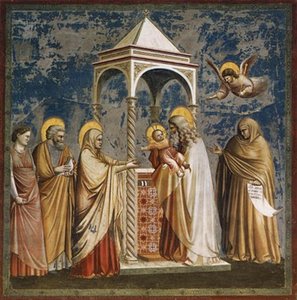
Annunciation: The Virgin Receiving the Message

- 150.0 x 195.0 cm


 Weiterlesen
Giclée / Kunstdruck
Giclée- oder Leinwanddruck in Museumsqualität mit schneller Produktion und flexiblen Veredelungsoptionen. ( Handgemalte Reproduktion bestellen Zum digitalen Bild wechseln)




P118B €10

P118H €10

P118W €10

P438Z €10

P508JH €12

P508YH €12

P805H €10

P805Z €10

P919BZ €10

P919G €10

P919XJ €10

P959ZH €10

P968JZ €12

W106C €8

W218G €10

W218JH €8

W218Y €10

W307PJ €10

W316G €10

W316PJ €8

W316Y €10

W398PJ €8

W4111J €10

W500HY €15

W500JH €15

W692G €12

W849H €8

W940BG €15

W953PJ €8




Wählen Sie aus unseren vordefinierten Formaten, die den ursprünglichen Proportionen des Kunstwerks entsprechen.

Geben Sie die benötigte Breite und Höhe an, damit der Druck perfekt in Ihren Rahmen oder an Ihre Wand passt. Ein Druck kann nur beschnitten, aber niemals größer als das Originalbild angefertigt werden; daher verliert ein Format mit anderen Proportionen einen Teil des Bildes. Wir senden Ihnen ein digitales Mockup zur Freigabe, bevor wir den Druck ausführen. Das auf dieser Seite gezeigte Bild zeigt nicht den tatsächlichen Beschnitt – dies ist nur im Mockup ersichtlich.
Weltweiter Versand () innerhalb von 2 Wochen statt der üblichen 4/5 Wochen. (2 November)

Kostenloser weltweiter Expressversand

Hochwertige Leinenleinwand

Umfassender Versicherungsschutz beim Versand

Zollgebühren-Rückerstattungsgarantie

Garantie für exakte Farbtreue

100 Tage Rückgaberecht (nur bei Mängeln)

100% Geld-zurück-Garantie

Mengenrabatt verfügbar
 Die Glasoption ist nur für Größen unter 110 cm verfügbar.

Annunciation: The Virgin Receiving the Message
Giclée / Kunstdruck
Format der Reproduktion
-


Endpreis
€ 71
A Revolutionary Vision: Giotto’s Annunciation
Giotto di Bondone, born around 1267 in Florence, stands as a monumental figure in the artistic landscape of his era—a pivotal conduit between medieval tradition and the burgeoning Renaissance. Legend recounts his discovery as a shepherd boy sketching remarkably lifelike sheep on rocks, an anecdote that perfectly embodies Giotto’s innate genius: an unparalleled ability to portray the natural world with unprecedented realism and profound emotional resonance. Taken under the tutelage of Cimabue, Giotto swiftly surpassed his mentor, absorbing technical prowess while forging a path distinctly his own—a path marked by a courageous departure from established conventions. The prevailing Byzantine style prioritized stylized figures, flattened perspectives, and opulent gold backgrounds – visual emblems of spiritual elevation rather than earthly observation. Yet Giotto possessed an unwavering desire to transcend these limitations, driven by a conviction that art could genuinely capture the human experience.- Subject Matter: The fresco depicts the iconic biblical narrative of the Annunciation—the moment when Gabriel announces to Mary that she will conceive Jesus Christ.
- Style: Giotto’s work embodies Proto Renaissance style, representing a transformative step toward naturalism and humanism within art history.
Innovative Technique & Perspective
Giotto fundamentally reshaped artistic practice through groundbreaking innovations that challenged the stylistic norms of his time. He decisively moved away from the rigid flatness characteristic of Byzantine painting, introducing a more convincing illusion of depth—a nascent form of perspective—that dramatically enhanced the visual impact of the scene. This pioneering approach wasn’t merely about technical accuracy; it served to heighten emotional engagement by immersing viewers within the depicted space and fostering a palpable sense of immediacy. Furthermore, Giotto meticulously crafted facial expressions conveying genuine emotion – grief, joy, contemplation – capturing nuances previously absent from medieval art. These subtle gestures communicated profound psychological insight, elevating the artwork beyond mere representation to become a vessel for spiritual contemplation.- Perspective: Giotto’s use of linear perspective created a more realistic depiction of space and depth.
- Emotion: Facial expressions conveyed genuine emotion, demonstrating Giotto's mastery of psychological realism.
Symbolism & Context within the Scrovegni Chapel
The Annunciation resides within the Scrovegni Chapel in Padua—a UNESCO World Heritage Site—and its placement is deliberately significant. Commissioned by Enrico Scrovegni, a wealthy textile merchant, the chapel represents an extraordinary testament to patronage and artistic ambition. Giotto’s fresco serves as the centerpiece of a larger cycle depicting scenes from the life of Mary Magdalene, reflecting the fervent piety of the era. The composition itself is laden with symbolism: Mary sits on a bench—a gesture signifying humility and receptiveness—while Gabriel stands beside her, conveying divine grace. The architectural setting reinforces this spiritual atmosphere, emphasizing the sacredness of the event. Giotto’s masterpiece exemplifies the Proto Renaissance's aspiration to portray biblical narratives with profound emotional truth and artistic innovation – an enduring legacy that continues to inspire artists and collectors alike.Emotional Impact & Enduring Legacy
Giotto’s Annunciation transcends mere visual beauty; it resonates deeply with viewers on an emotional level, conveying a palpable sense of reverence and devotion. The artist's masterful depiction of Mary’s serene contemplation and Gabriel’s solemn proclamation captures the essence of faith—a belief in divine providence and the transformative power of grace. Giotto’s influence extended far beyond his lifetime, establishing him as a foundational figure in Renaissance art and shaping artistic conventions for centuries to come. His unwavering commitment to realism and emotional expression paved the way for subsequent generations of artists who sought to emulate his visionary approach—a testament to the enduring significance of Giotto di Bondone's revolutionary contribution to Western art history.Fragen & Antworten
Welche Größe wird für "Annunciation: The Virgin Receiving the Message" in einem Wohnbereich empfohlen?
Für einen Wohnbereich wird für „Annunciation: The Virgin Receiving the Message“ ein Druckformat von Großformatig empfohlen.
Wie gesättigt ist die Farbpalette von "Annunciation: The Virgin Receiving the Message"?
"Annunciation: The Virgin Receiving the Message" von Giotto di Bondone zeichnet sich durch eine Mäßig sanfte Sättigung Sättigung aus.
Kann ich eine Ölreproduktion von "Annunciation: The Virgin Receiving the Message" bestellen?
Eine handgemalte Reproduktion von "Annunciation: The Virgin Receiving the Message" von Giotto di Bondone können Sie direkt auf der entsprechenden Handgemalte Ölreproduktion-Seite bestellen: eine handgemalte Ölreproduktion auf Leinenleinwand, auf Bestellung angefertigt.
Künstlerbiografie
**Ein Leben der Innovation und künstlerischer Revolution**
Giotto di Bondone, der renommierte italienische Maler und Architekt, hinterließ einen unauslöschlichen Eindruck auf die Kunstwelt mit seinen wegweisenden Beiträgen zur proto-renaissance und gotischen Periode. Geboren 1267 in Florenz, Italien, bleibt das Leben Giottos bis heute weitgehend ein Rätsel, doch sein künstlerisches Erbe ist unbestreitbar.**Künstlerische Beiträge und Innovationen**
Giottos bekannteste Arbeit, die Scrovegni-Kapelle (oder Arena-Kapelle) in Padua, die um 1305 fertiggestellt wurde, ist ein Beweis für seinen innovativen Geist. Diese Freskenzyklis, die das Leben der Jungfrau und das Leben Christi darstellt, zeigt nicht nur sein künstlerisches Genie, sondern demonstriert auch eine Erzähfkraft, die einen bedeutenden Abgang von der stilisierten byzantinischen Herangehensweise darstellte.- Revolutionierung der Malerei: Giottos Betonung auf Naturalismus, Aufmerksamkeit für menschliche Emotionen und Erforschung räumlicher und volumetrischer Figuren in der Malerei legten den Grundstein für die Entwicklungen in der westlichen Kunst, die im Anschluss kamen.
- Architektonische Beiträge: Seine Beauftragung im Jahr 1334 durch die Florentiner Kommune zur Gestaltung des neuen Glockenturms (Campanile) der Florentinischen Kathedrale bekräftigt sein duales Talent als Künstler und Architekt.
**Bekannte Werke und ihre Bedeutung**
- Die Verkündigung: Die Jungfrau empfängt die Botschaft (ansicht auf OriginalUniqueArt.com): ein Paradebeispiel für Giottos proto-renaissance Stil, der durch seine Verwendung von Naturalismus und Detailgenauigkeit gekennzeichnet ist.
- Die Geburt Christi (ansicht auf OriginalUniqueArt.com): demonstriert Giottos Fähigkeit, komplexe Erzählungen durch seine Fresken zu vermitteln, ein Markenzeichen der proto-renaissance Periode.
- Madonna in Maest (Ognissanti Madonna) (ansicht auf OriginalUniqueArt.com): Dieses Altarbild, das von der Ognissanti Kirche in Florenz bestellt wurde, ist ein bedeutendes Beispiel für Giottos Panelmalerei und seine Verwendung von Tempera.
**Vermächtnis und Einfluss**
Giottos Einfluss auf die westliche Kunst ist tiefgreifend und legte den Grundstein für die Renaissance-Kunstbewegung. Seine Betonung auf Naturalismus, menschliche Emotionen und räumliches Bewusstsein in der Malerei hat Bestand, wodurch er seine Position als eine grundlegende Figur in der europäischen Kunstgeschichte gesichert hat. Erfahren Sie mehr über Giottos Werke und Vermächtnis auf OriginalUniqueArt.com.
Giotto di Bondone
1267 - 1337 , Italien
Kurzinfos
- Beeinflusste Künstler: ['Cimabue']
- Bemerkenswerte Werke:
- Scrovegni Kapelle
- Ognissanti Madonna
- Geburtsdatum: 1267
- Geburtsort: Florenz, Italien
- Künstlerische Bewegung: Proto-Renaissance, Gotik
- Nationalität: Italienisch
- Todatum: 1337
- Vollständiger Name: Giotto di Bondone
- Von Künstlern Beeinflusst: ['Byzantinische Kunst']
Ähnliche Artikel

Das Familienerbe an die Wand bringen: Wandgemälde als Generationenschatz
Verwandeln Sie Ihre Familiengeschichte in ein beeindruckendes Wandgemälde! Expertenrat & hochwertige Handwerkskunst für einzigartige Kunstwerke, die Generationen verbinden. Entdecken Sie jetzt!

Die 25 besten Meisterwerke von Giotto di Bondone: Der Vater der Renaissance
Entdecken Sie die 25 Meisterwerke von Giotto di Bondone. Erleben Sie die Geburtsstunde der Renaissance auf OriginalUniqueArt.com.

The Enduring Legacy of Fresco: Technique, History & Artistic Expression Across Cultures
Explore the rich history & enduring legacy of fresco painting! Discover ancient techniques, Giotto's masterpieces, and modern applications. Expert insights for art lovers & professionals.

The Enduring Legacy of Fresco Painting: Techniques, History & Contemporary Relevance
Explore the rich history & enduring artistry of fresco painting – from Giotto to Michelangelo! Discover techniques, conservation efforts, & modern applications. Learn how OriginalUniqueArt brings this timeless art form to your home.

25 Meisterwerke von Dante Gabriel Rossetti: Die Seele der Präraffaeliten
Entdecke 25 Meisterwerke von Dante Gabriel Rossetti und die Preraffaeliten. Erlebe zeitlose Kunst auf OriginalUniqueArt.com.




![Scrovegni - [05] - Joachims Traum](/media/artworks/images-thumb/8f/67/8f67bb5da87296bd452b3f0b237b528d.jpg)


