- Startseite

- Ölgemälde-Reproduktion
- Gilbert Stuart Newton
- Washington Allston
 Druck bestellen Bild kaufen
 Versenden
 Teilen
 Details anzeigen
 Zu Favoriten hinzufügen

 Herunterladen
 Ähnliche Objekte
 Röntgenaufnahme
 Diashow anzeigen
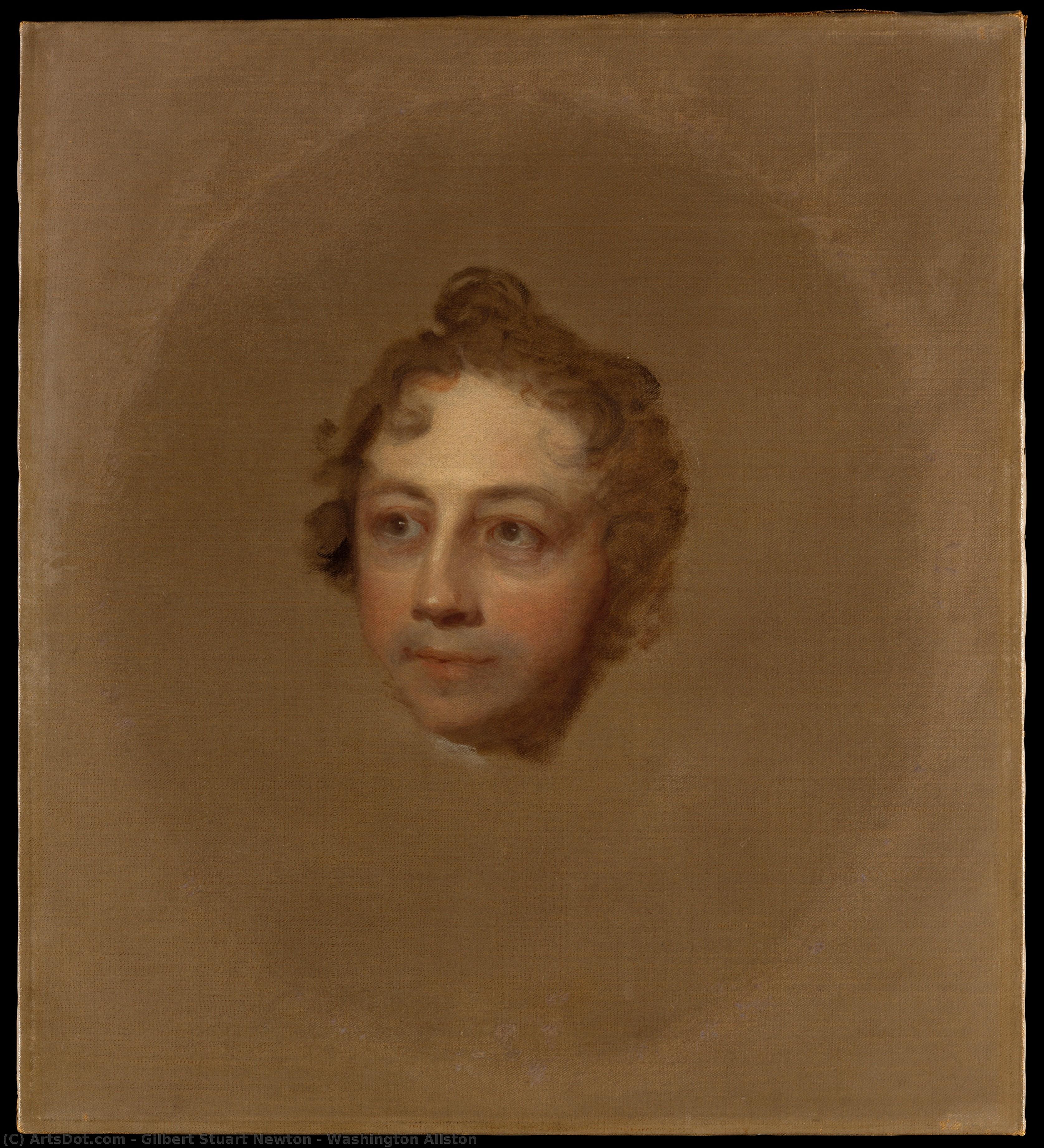
Washington Allston
 Acrylic On Canvas
- WallArt
- Neoclassical
 1819
1819 61.0 x 55.0 cm
 Metropolitan Museum of Art
 Weiterlesen
Handgefertigte Öl-Reproduktion
Handgemaltes Ölgemälde auf Leinwand in Ihrer Wunschgröße und mit Rahmen, auf Bestellung von unseren Künstlern angefertigt.




P118B $10

P118H $10

P118W $10

P438Z $10

P508JH $12

P508YH $12

P805H $10

P805Z $10

P919BZ $10

P919G $10

P919XJ $10

P959ZH $10

P968JZ $12

W106C $8

W218G $10

W218JH $8

W218Y $10

W307PJ $10

W316G $10

W316PJ $8

W316Y $10

W398PJ $8

W4111J $10

W500HY $15

W500JH $15

W692G $12

W849H $8

W940BG $15

W953PJ $8




Wählen Sie aus unseren vordefinierten Größen, die den ursprünglichen Proportionen des Kunstwerks entsprechen.

Sie können Ihre eigenen Maße eingeben, um einen bestimmten Rahmen oder Platz auszufüllen. Wenn die gewählte Größe nicht den Proportionen des Originalbildes entspricht, werden wir das Kunstwerk entweder beschneiden oder das Gemälde durch zusätzliche, handgemalte Elemente erweitern. Ein digitales Mockup wird Ihnen zur Genehmigung zugesandt, bevor die Produktion beginnt.
Bitte beachten Sie, dass die Bildschirmvorschau nicht die tatsächliche Beschneidung oder Erweiterung widerspiegelt. Nur das Mockup zeigt die endgültige Komposition exakt an.
Obwohl Sondermaße verfügbar sind, empfehlen wir, eine Größe aus der vordefinierten Liste zu wählen, um die ursprünglichen Proportionen beizubehalten.
Nach der Bestellung wird das OriginalUniqueArt.com-Team dem Kunden Anweisungen per E-Mail zusenden und eine Mockup-Vorschau bereitstellen.
Weltweiter Versand () in nur 3 bis 4 Wochen statt der üblichen 5 Wochen. (22 Juli). Keine Kompromisse bei der Qualität.

Kostenloser weltweiter Expressversand

Hochwertige Leinenleinwand

Umfassender Versicherungsschutz beim Versand

Zollsteuer-Rückerstattungsgarantie

Garantie für echte Farbtreue

60-Tage-Rückgaberecht (nur bei Mängeln)

100% Geld-zurück-Garantie

Mengenrabatt verfügbar
 Die Glasoption ist nur in Größen unter 110 cm verfügbar.

Washington Allston
Art der Reproduktion
Größe der Reproduktion
-


Endpreis aller Optionen
-
Beschreibung des Kunstwerks
A Study in Shadow and Sentiment: Unveiling Silas Blackwood
Silas Blackwood, painted circa 1832 by Gilbert Stuart Newton, isn’t merely a portrait; it's an immersion into the melancholic heart of early Romanticism. The canvas, measuring a modest 61 x 55 centimeters, holds within its depths a figure both strikingly familiar and profoundly unsettling – Silas Blackwood himself, a prominent Boston merchant known for his quiet philanthropy and rumored eccentricities.
Newton’s technique is immediately arresting. He eschews the crisp, idealized realism favored by earlier portraitists, opting instead for a deliberately muted palette dominated by deep browns, slate greys, and hints of bruised violet. This isn't an attempt to flatter; rather, it reflects the prevailing mood of introspection and disillusionment that characterized the era. The brushstrokes are loose and expressive, particularly in the rendering of Blackwood’s clothing – heavy velvet and dark wool – which seem to absorb light rather than reflect it. Notice how Newton utilizes scumbling techniques, layering thin washes of paint to create a sense of texture and depth, mimicking the folds of fabric and the subtle shadows that dance across Blackwood's face.
The Language of the Gaze: Symbolism in Detail
Blackwood’s gaze is the painting’s most compelling element. He isn’t looking *at* the viewer; he’s looking *through* them, as if contemplating a distant memory or an unfulfilled longing. His eyes, shadowed and slightly hooded, hold a profound sadness—a quiet grief that seems to permeate the entire composition. The inclusion of a single, wilting rose in his left hand is particularly potent. Roses have long been associated with love, beauty, and mortality; its drooping petals suggest both lost affection and the inevitable decay of all things beautiful. The dark, almost oppressive background—a suggestion of a rain-swept Boston street at twilight—further reinforces this sense of melancholy.
Newton’s choice to depict Blackwood seated before a partially obscured window is also significant. The light filtering through the glass casts an ethereal glow upon his face, yet it simultaneously highlights the darkness within him. This juxtaposition speaks to the duality inherent in human nature—the capacity for both great kindness and profound sorrow. The subtle inclusion of a closed book resting on the table beside him hints at Blackwood’s intellectual pursuits, suggesting a mind preoccupied with contemplation and perhaps even regret.
A Window into the Romantic Soul
Painted during a period of intense social and political upheaval—the aftermath of the War of 1812 and the rise of industrialization—Newton's portrait reflects the broader anxieties and uncertainties of the era. The Romantic movement, with its emphasis on emotion, imagination, and the sublime beauty of nature, was gaining momentum, and Newton’s work embodies these ideals perfectly. He wasn’t simply documenting a man; he was attempting to capture the *essence* of Blackwood's inner life—his vulnerabilities, his dreams, and his unspoken sorrows.
Furthermore, Newton’s decision to portray Blackwood in a relatively informal pose – seated rather than rigidly upright – suggests a desire to break away from the traditional conventions of portraiture. This reflects the Romantic movement’s rejection of formality and its embrace of spontaneity and emotional expression. The painting serves as a poignant reminder that even within the confines of a formal portrait, an artist can convey a wealth of information about his subject's character and inner world.
Collecting a Legacy: Reproduction and Beyond
Reproductions of “Silas Blackwood” offer a remarkable opportunity to experience Newton’s masterful technique and evocative imagery. The subtle nuances of color, the expressive brushstrokes, and the profound emotional depth of the portrait are all faithfully captured in high-resolution prints. Whether displayed in a private study or incorporated into a larger collection, this painting continues to resonate with viewers today—a testament to Newton’s artistic skill and his ability to capture the complexities of the human spirit.
Biografie des Künstlers
Gilbert Stuart Newton: Leben & Erbe
Frühes Leben und familiärer Hintergrund
- Geburt und Herkunft: Gilbert Stuart Newton wurde am 2. September 1795 in Halifax, Nova Scotia, geboren. Er war das jüngste von zwölf Kindern.
- Frühe Jahre & Rückkehr nach Amerika: Die Familie lebte zunächst in Boston, kehrte jedoch im Jahr 1803 nach Charlestown bei Boston zurück, nachdem sein Vater verstorben war.
Künstlerische Ausbildung und Einflüsse
- Anfänglicher Weg & Anleitung durch den Onkel: Obwohl ursprünglich eine kommerzielle Karriere für ihn vorgesehen war, wurde Newton als Lehrling bei seinem Onkel Gilbert Stuart aufgenommen, was den Beginn seiner künstlerischen Reise markierte.
- Europäische Studien: Er reiste gemeinsam mit einem älteren Bruder nach Europa und studierte die Malerei in Florenz. Spätere Aufenthalte in Paris (1817) führten ihn mit Künstlern wie Charles Robert Leslie, Washington Allston und David Wilkie zusammen.
- Royal Academy & Formale Ausbildung: Nach einer Zeit in den Niederlanden setzte Newton seine Ausbildung an der Royal Academy in London fort.
Künstlerischer Stil und Hauptthemen
- Romantische Sensibilitäten: Newtons Werk wird allgemein der Romantik zugeordnet, einer Epoche, die durch emotionale Intensität und dramatische Erzählungen geprägt ist.
- Literarische & Poetische Inspirationen: Er erlangte besondere Berühmtheit durch Gemälde, die von der Literatur und Poesie inspiriert waren. Motive aus Werken wie Don Quijote und den Schriften Shakespeares nahmen in seinem Œuvre einen prominenten Platz ein.
- Porträtmalerei & Genreszenen: Während er Porträts bedeutender Persönlichkeiten wie Washington Irving schuf, brillierte Newton ebenso sehr in Genreszenen, die flüchtige Momente aus literarischen Erzählungen einfingen.
Wichtige Erfolge und Anerkennung
- Mitgliedschaft in der Royal Academy: Newton wurde 1827 zum Ehrenakademiker der National Academy of Design, 1829 zum Associate der Royal Academy und schließlich 1832 zum vollwertigen Akademiker gewählt.
- Ausstellungen & Mäzenatentum: Ab 1818 stellte er regelmäßig an der Royal Academy aus, gewann an Anerkennung und zog bedeutende Mäzene wie den Marquis of Lansdowne an.
- Öffentliche Sammlungen: Seine Werke fanden Eingang in bedeutende öffentliche Sammlungen, darunter die National Gallery und das South Kensington Museum (heute V&A).
Späteres Leben und Vermächtnis
- Psychische Gesundheit & letzte Jahre: Kurz nach seiner Wahl in die Royal Academy begann Newton, an einer psychischen Erkrankung zu leiden. Er wurde in einer Anstalt in Chelsea untergebracht, wo er bis zu seinem Tod am 5. August 1835 weiter malte.
- Grabstätte: Er liegt auf dem Friedhof der St Mary’s Church in Wimbledon, London, begraben.
- Historische Bedeutung: Obwohl er im Schatten seines Onkels Gilbert Stuart stand, schuf sich Newton eine eigene Nische als geschickter und fantasievoller Künstler der Romantik. Seine literarisch inspirierten Gemälde bieten tiefe Einblicke in den kulturellen Geschmack und die künstlerischen Strömungen des britischen 19. Jahrhunderts.

Gilbert Stuart Newton
1795 - 1835 , Nova Scotia
Kurzinfos
- Movement: Romantik
- Name: Gilbert Stuart Newton
- Nationality: Britisch
Ähnliche Artikel
Alice Pike Barney: A Life Painted in Impressionism & Washington Society
Explore the life & art of Alice Pike Barney, a pioneering American Impressionist painter who defied convention and fostered Washington D.C.'s vibrant arts scene. Discover her unique style, portraits, and lasting legacy.
The Digital Portrait Renaissance: Transforming Personal Photography into Timeless Oil Paintings Through Artistic Reproduction
Transform your cherished photos into timeless oil paintings with OriginalUniqueArt's expert artists. Museum-quality reproductions & custom portraits, crafted to last a lifetime. Discover the art of personal legacy.
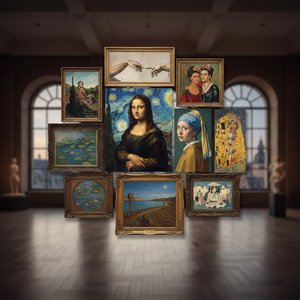
Öl auf Leinwand: Die 10 Meisterwerke, die Kunst für immer veränderten |
Entdecken Sie die 10 legendärsten Öl auf Leinwand Meisterwerke! Von Van Gogh bis Monet – erfahren Sie die Geschichten hinter ikonischen Gemälden und lassen Sie sich von Kunstgeschichte inspirieren. Hochwertige Reproduktionen für Ihr Zuhause finden Sie auf .
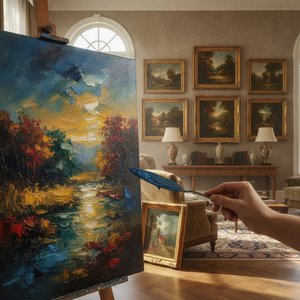
Ölmalerei versus Druck: Die bleibende Kraft handgefertigter Kunstwerke für anspruchsvolle Sammler
Handgemalte Ölmalerei von OriginalUniqueArt – für anspruchsvolle Sammler. Exklusive Reproduktionen & personalisierte Kunstwerke mit höchster Qualität, individueller Anpassung und sicherer Auftragsmalerei. Investieren Sie in ein zeitloses Erbstück!

From Snapshot to Legacy: The Art of Commissioning a Hand-Painted Reproduction from Photography – Preserving Memories Through Oil Painting Techniques
Transform cherished photos into timeless oil paintings with skilled artists. Trusted for bespoke portraits & heirloom art. Discover the process, styles & lasting value – a legacy preserved.