 Vorschau anzeigen
 Versenden
 Teilen
 Details anzeigen

 Herunterladen
 Ähnliche Objekte
 Röntgenaufnahme
 Diashow
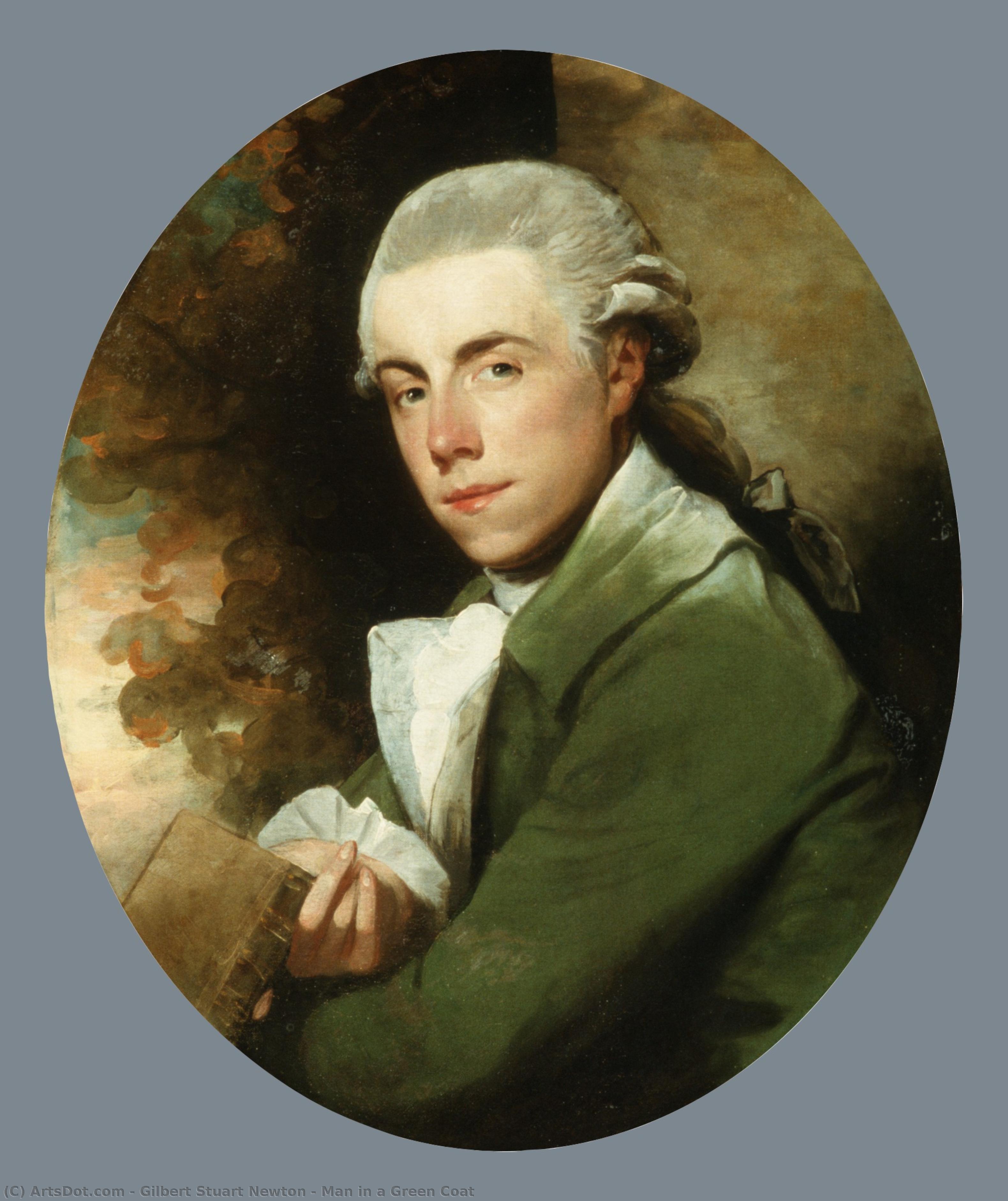
Man in a Green Coat
 Oil On Canvas
- WallArt
- Romanticism
 1779
1779 72.0 x 60.0 cm
 Metropolitan Museum of Art
 Weiterlesen
Handgefertigte Ölreproduktion
Handgemaltes Ölgemälde auf Leinwand in Ihrer Wunschgröße und mit Rahmen, auf Bestellung von unseren Künstlern angefertigt. ( Druck bestellen Bild kaufen)




P118B $10

P118H $10

P118W $10

P438Z $10

P508JH $12

P508YH $12

P805H $10

P805Z $10

P919BZ $10

P919G $10

P919XJ $10

P959ZH $10

P968JZ $12

W106C $8

W218G $10

W218JH $8

W218Y $10

W307PJ $10

W316G $10

W316PJ $8

W316Y $10

W398PJ $8

W4111J $10

W500HY $15

W500JH $15

W692G $12

W849H $8

W940BG $15

W953PJ $8




Wählen Sie aus unseren vordefinierten Formaten, die den ursprünglichen Proportionen des Kunstwerks entsprechen.

Sie können Ihre eigenen Maße eingeben, um einen bestimmten Rahmen oder Platz auszufüllen. Wenn die gewählte Größe nicht den Proportionen des Originalbildes entspricht, werden wir das Kunstwerk entweder beschneiden oder das Gemälde durch zusätzliche, handgemalte Elemente erweitern. Ein digitales Mockup wird Ihnen zur Genehmigung zugesandt, bevor die Produktion beginnt.
Bitte beachten Sie, dass die Bildschirmvorschau nicht die tatsächliche Beschneidung oder Erweiterung widerspiegelt. Nur das Mockup zeigt die endgültige Komposition exakt an.
Obwohl Sondermaße verfügbar sind, empfehlen wir, eine Größe aus der vordefinierten Liste zu wählen, um die ursprünglichen Proportionen beizubehalten.
Nach der Bestellung wird das OriginalUniqueArt.com-Team dem Kunden Anweisungen per E-Mail zusenden und eine Mockup-Vorschau bereitstellen.
Weltweiter Versand () in nur 3 bis 4 Wochen statt der üblichen 5 Wochen. (17 August). Keine Kompromisse bei der Qualität.

Kostenloser weltweiter Expressversand

Hochwertige Leinenleinwand

Umfassender Versicherungsschutz beim Versand

Zollgebühren-Rückerstattungsgarantie

Garantie für exakte Farbtreue

60 Tage Rückgaberecht (nur bei Mängeln)

100% Geld-zurück-Garantie

Mengenrabatt verfügbar
 Die Glasoption ist nur für Größen unter 110 cm verfügbar.

Man in a Green Coat
Art der Reproduktion
Format der Reproduktion
-


Gesamtpreis
$ 300
Beschreibung des Kunstwerks
A Glimpse into the 1770s: Gilbert Stuart Newton’s ‘Man in a Green Coat’
Gilbert Stuart Newton's “Man in a Green Coat,” painted in 1779, isn’t merely a portrait; it’s a carefully constructed window into the burgeoning artistic landscape of early Georgian England. The painting immediately draws the eye with its subtly unsettling elegance – a man, formally dressed in a rich green coat, holds a book open before him, his gaze averted, creating an aura of quiet contemplation and perhaps even a touch of melancholy. The composition is deceptively simple: a rectangular format initially transformed into a more intimate oval, suggesting a deliberate shaping of the image to capture the sitter’s essence. Newton's brushwork, described by contemporary observers as “brushy,” isn’t indicative of sloppiness but rather a conscious choice – a technique that lends the work an immediacy and intimacy rarely found in the rigidly formal portraits of the era.
The Influence of Gainsborough and the Seeds of Romanticism
Newton’s work reveals a clear debt to Thomas Gainsborough, whose portraits were immensely popular during this period for their atmospheric backgrounds and relaxed poses. Notice how Newton mimics Gainsborough's use of light and shadow – the soft illumination highlighting the man’s face and coat, while the muted background creates depth without overwhelming the subject. The green of the coat itself is particularly noteworthy; it’s not a vibrant, assertive hue but rather a delicate pastel shade, echoing the gentle colors favored by Gainsborough and contributing to the painting's overall sense of understated beauty. However, “Man in a Green Coat” transcends mere imitation. Newton introduces a subtle psychological complexity that anticipates the Romantic movement – a hint of sadness, an unspoken story hinted at through the sitter’s averted gaze. This is not simply a likeness; it’s an exploration of mood and character.
A Portrait of Uncertainty: Identity and Historical Context
The identity of the man in the green coat remains one of art history's enduring mysteries. Newton, a British artist working in London during this period, was influenced by both English and American artistic trends. Born in Nova Scotia to an artistic lineage tracing back to Gilbert Stuart, the renowned American portrait painter, Newton’s early life reflects this transatlantic connection. The painting’s date – 1779 – places it squarely within a turbulent era of political upheaval, as Britain grappled with its colonies across the Atlantic. The man's attire and demeanor suggest a gentleman of means, perhaps a merchant or landowner, reflecting the growing prosperity of the British economy. Yet, his introspective posture hints at anxieties and uncertainties that were prevalent during this period of colonial tensions.
Symbolism and Artistic Technique
Beyond its immediate visual appeal, “Man in a Green Coat” is rich in symbolic detail. The book he holds suggests intellectual pursuits and perhaps a yearning for knowledge or escape. The oval format itself can be interpreted as a symbol of completeness – a contained world reflecting the sitter’s inner life. Newton's masterful use of oil paint creates a remarkable sense of texture, capturing the sheen of the coat fabric and the subtle nuances of light and shadow. The painting’s current location at the Metropolitan Museum of Art in New York City underscores its significance as a masterpiece of early modern portraiture – a testament to Newton’s skill and his ability to capture both the outward appearance and the inner essence of his subject.
Über den Künstler
Gilbert Stuart Newton: Leben & Erbe
Frühes Leben und familiärer Hintergrund
- Geburt und Herkunft: Gilbert Stuart Newton wurde am 2. September 1795 in Halifax, Nova Scotia, geboren. Er war das jüngste von zwölf Kindern.
- Frühe Jahre & Rückkehr nach Amerika: Die Familie lebte zunächst in Boston, kehrte jedoch im Jahr 1803 nach Charlestown bei Boston zurück, nachdem sein Vater verstorben war.
Künstlerische Ausbildung und Einflüsse
- Anfänglicher Weg & Anleitung durch den Onkel: Obwohl ursprünglich eine kommerzielle Karriere für ihn vorgesehen war, wurde Newton als Lehrling bei seinem Onkel Gilbert Stuart aufgenommen, was den Beginn seiner künstlerischen Reise markierte.
- Europäische Studien: Er reiste gemeinsam mit einem älteren Bruder nach Europa und studierte die Malerei in Florenz. Spätere Aufenthalte in Paris (1817) führten ihn mit Künstlern wie Charles Robert Leslie, Washington Allston und David Wilkie zusammen.
- Royal Academy & Formale Ausbildung: Nach einer Zeit in den Niederlanden setzte Newton seine Ausbildung an der Royal Academy in London fort.
Künstlerischer Stil und Hauptthemen
- Romantische Sensibilitäten: Newtons Werk wird allgemein der Romantik zugeordnet, einer Epoche, die durch emotionale Intensität und dramatische Erzählungen geprägt ist.
- Literarische & Poetische Inspirationen: Er erlangte besondere Berühmtheit durch Gemälde, die von der Literatur und Poesie inspiriert waren. Motive aus Werken wie Don Quijote und den Schriften Shakespeares nahmen in seinem Œuvre einen prominenten Platz ein.
- Porträtmalerei & Genreszenen: Während er Porträts bedeutender Persönlichkeiten wie Washington Irving schuf, brillierte Newton ebenso sehr in Genreszenen, die flüchtige Momente aus literarischen Erzählungen einfingen.
Wichtige Erfolge und Anerkennung
- Mitgliedschaft in der Royal Academy: Newton wurde 1827 zum Ehrenakademiker der National Academy of Design, 1829 zum Associate der Royal Academy und schließlich 1832 zum vollwertigen Akademiker gewählt.
- Ausstellungen & Mäzenatentum: Ab 1818 stellte er regelmäßig an der Royal Academy aus, gewann an Anerkennung und zog bedeutende Mäzene wie den Marquis of Lansdowne an.
- Öffentliche Sammlungen: Seine Werke fanden Eingang in bedeutende öffentliche Sammlungen, darunter die National Gallery und das South Kensington Museum (heute V&A).
Späteres Leben und Vermächtnis
- Psychische Gesundheit & letzte Jahre: Kurz nach seiner Wahl in die Royal Academy begann Newton, an einer psychischen Erkrankung zu leiden. Er wurde in einer Anstalt in Chelsea untergebracht, wo er bis zu seinem Tod am 5. August 1835 weiter malte.
- Grabstätte: Er liegt auf dem Friedhof der St Mary’s Church in Wimbledon, London, begraben.
- Historische Bedeutung: Obwohl er im Schatten seines Onkels Gilbert Stuart stand, schuf sich Newton eine eigene Nische als geschickter und fantasievoller Künstler der Romantik. Seine literarisch inspirierten Gemälde bieten tiefe Einblicke in den kulturellen Geschmack und die künstlerischen Strömungen des britischen 19. Jahrhunderts.

Gilbert Stuart Newton
1795 - 1835 , Nova Scotia
Kurzinfos
- Movement: Romantik
- Name: Gilbert Stuart Newton
- Nationality: Britisch
Ähnliche Artikel
Verdant Visions: Exploring the Symbolism & Aesthetic Impact of Green in Art History
Explore the rich history & symbolism of green in art! Discover iconic paintings, techniques, and how to bring verdant harmony into your home with OriginalUniqueArt's expert guide.
Düstere Olivgrün-Töne: Die 10 berühmtesten Gemälde aller Zeiten |
Entdecken Sie die 10 berühmtesten Gemälde, die von düsteren Olivgrüntönen geprägt sind! Von Renaissance bis Impressionismus – erfahren Sie die Geschichten hinter den Meisterwerken und lassen Sie sich von Kunstlegenden wie Monet & Caravaggio inspirieren. Kunstdrucke auf .
Chromgrüne Meisterwerke: Die Top 10 berühmtesten Gemälde & ihre Geschichte |
Entdecken Sie die Top 10 berühmter Gemälde, dominiert von faszinierendem Chromgrün! Von Monet bis Van Gogh – erfahren Sie die Geschichten hinter den Meisterwerken und lassen Sie sich für Ihre Wohnraumgestaltung inspirieren. Kunstdrucke in Museumsqualiät auf
Kadmiumgrün in der Meisterklasse: Die 10 berühmtesten Gemälde & ihre Geschichte |
Entdecken Sie die 10 berühmtesten Gemälde, dominiert von Kadmiumgrün! Von Monet bis Van Gogh – erleben Sie Kunstgeschichte und lassen Sie sich von Meisterwerken inspirieren. Hochwertige Reproduktionen auf .

Top 10 berühmte Gemälde in Meergrün – Kunst für Ihr Zuhause | OriginalUniqueArt.com
Entdecken Sie die Top 10 berühmter Gemälde in faszinierenden Meergrüntönen! Von Monet bis Renoir – erleben Sie Kunstgeschichte und lassen Sie sich von grünen Farbpaletten inspirieren. Kunstreproduktionen in Museumsqualiät auf OriginalUniqueArt.com.