

 Vorschau anzeigen
 Versenden
 Teilen
 Details anzeigen

 Herunterladen
 Ähnliche Objekte
 Röntgenaufnahme
 Diashow
 Statistiken
Henry Rice
 Oil On Canvas
- WallArt
- Neoclassical
 1815
1815 67.0 x 55.0 cm
 Metropolitan Museum of Art
 Weiterlesen
Handgefertigte Ölreproduktion
Handgemaltes Ölgemälde auf Leinwand in Ihrer Wunschgröße und mit Rahmen, auf Bestellung von unseren Künstlern angefertigt. ( Zu Druck wechseln Zum digitalen Bild wechseln)




P118B $10

P118H $10

P118W $10

P438Z $10

P508JH $12

P508YH $12

P805H $10

P805Z $10

P919BZ $10

P919G $10

P919XJ $10

P959ZH $10

P968JZ $12

W106C $8

W218G $10

W218JH $8

W218Y $10

W307PJ $10

W316G $10

W316PJ $8

W316Y $10

W398PJ $8

W4111J $10

W500HY $15

W500JH $15

W692G $12

W849H $8

W940BG $15

W953PJ $8




Wählen Sie aus unseren vordefinierten Formaten, die den ursprünglichen Proportionen des Kunstwerks entsprechen.

Sie können Ihre eigenen Maße eingeben, um einen bestimmten Rahmen oder Platz auszufüllen. Wenn die gewählte Größe nicht den Proportionen des Originalbildes entspricht, werden wir das Kunstwerk entweder beschneiden oder das Gemälde durch zusätzliche, handgemalte Elemente erweitern. Ein digitales Mockup wird Ihnen zur Genehmigung zugesandt, bevor die Produktion beginnt.
Bitte beachten Sie, dass die Bildschirmvorschau nicht die tatsächliche Beschneidung oder Erweiterung widerspiegelt. Nur das Mockup zeigt die endgültige Komposition exakt an.
Obwohl Sondermaße verfügbar sind, empfehlen wir, eine Größe aus der vordefinierten Liste zu wählen, um die ursprünglichen Proportionen beizubehalten.
Nach der Bestellung wird das OriginalUniqueArt.com-Team dem Kunden Anweisungen per E-Mail zusenden und eine Mockup-Vorschau bereitstellen.
Weltweiter Versand () in nur 3 bis 4 Wochen statt der üblichen 5 Wochen. (10 September). Keine Kompromisse bei der Qualität.

Kostenloser weltweiter Expressversand

Hochwertige Leinenleinwand

Umfassender Versicherungsschutz beim Versand

Zollgebühren-Rückerstattungsgarantie

Garantie für exakte Farbtreue

100-Tage-Rückgaberecht (nur bei Mängeln)

100% Geld-zurück-Garantie

Mengenrabatt verfügbar
 Die Glasoption ist nur für Größen unter 110 cm verfügbar.

Henry Rice
Art der Reproduktion
Format der Reproduktion
-


Gesamtpreis
$ 300
The Enigmatic Figure: Gilbert Stuart Newton’s “Henry Rice”
Gilbert Stuart Newton's 1815 portrait, "Henry Rice," is more than a simple likeness; it’s a window into the burgeoning landscape of early America and the complex relationships between settlers, indigenous peoples, and the evolving American identity. The painting captures a man of considerable presence – Henry Rice – not merely as an individual, but as a pivotal figure in Minnesota's territorial development. Newton, trained under his renowned uncle Gilbert Stuart, masterfully employs the conventions of Neoclassical portraiture, yet imbues the image with a subtle intensity that transcends mere formality.

Gilbert Stuart Newton - Self Portrait
A Man of Two Worlds: Rice’s Life and Context
Henry Rice's life was inextricably linked to the dramatic transformation occurring in the Upper Midwest. Born in Nova Scotia, he became a key player in the fur trade, forging crucial alliances with the Ho-Chunk (Winnebago) and Ojibwe tribes. His role extended far beyond simple commerce; he served as a negotiator for treaties, shaping the political and territorial boundaries of what would become Minnesota. The portrait itself reflects this duality – Rice is presented as both a respected tribal leader’s confidante and a representative of American authority. His beard and mustache, meticulously rendered by Newton, speak to his age and experience, while his direct gaze conveys an undeniable strength and shrewdness.
Newton's artistic lineage further illuminates the painting’s significance. Trained by Gilbert Stuart, a titan of American portraiture, Newton inherited a tradition of capturing character and conveying status through careful observation and refined technique. However, Newton subtly diverges from his uncle’s style, injecting a greater sense of drama and psychological depth into his subjects.
The Language of Portraiture: Technique and Symbolism
Newton's masterful use of light and shadow establishes a formal yet engaging composition. The dark background emphasizes Rice’s figure, drawing the viewer’s attention to his face and posture. Note the subtle modeling of the fabric of his suit – a detail indicative of Newton’s meticulous approach to rendering texture. The arrangement of the figures in the background—a man behind him and another further away—suggests a scene of deliberation or perhaps even a moment of quiet authority. These secondary elements add layers of narrative, hinting at Rice's role as a mediator between cultures.
The portrait’s monochromatic palette – primarily shades of gray and brown – evokes the somber tones often associated with historical portraits from this period. This choice contributes to the painting’s sense of gravitas and reinforces its depiction of a man deeply involved in matters of state and diplomacy. The inclusion of the dark background, reminiscent of a study room or office, further emphasizes Rice's role as a figure of importance and decision-making.
A Legacy Preserved: Reproduction and Interpretation
Reproductions of “Henry Rice” offer a remarkable opportunity to connect with a pivotal moment in American history. OriginalUniqueArt’s faithful reproductions capture the painting’s nuanced details and atmospheric quality, allowing viewers to appreciate Newton's artistry and the story of Henry Rice—a man who played an instrumental role in shaping the destiny of Minnesota. This portrait is not simply a depiction of a historical figure; it’s a testament to the complex interplay of cultures and the enduring legacy of early American exploration and settlement.
Über den Künstler
Gilbert Stuart Newton: Leben & Erbe
Frühes Leben und familiärer Hintergrund
- Geburt und Herkunft: Gilbert Stuart Newton wurde am 2. September 1795 in Halifax, Nova Scotia, geboren. Er war das jüngste von zwölf Kindern.
- Frühe Jahre & Rückkehr nach Amerika: Die Familie lebte zunächst in Boston, kehrte jedoch im Jahr 1803 nach Charlestown bei Boston zurück, nachdem sein Vater verstorben war.
Künstlerische Ausbildung und Einflüsse
- Anfänglicher Weg & Anleitung durch den Onkel: Obwohl ursprünglich eine kommerzielle Karriere für ihn vorgesehen war, wurde Newton als Lehrling bei seinem Onkel Gilbert Stuart aufgenommen, was den Beginn seiner künstlerischen Reise markierte.
- Europäische Studien: Er reiste gemeinsam mit einem älteren Bruder nach Europa und studierte die Malerei in Florenz. Spätere Aufenthalte in Paris (1817) führten ihn mit Künstlern wie Charles Robert Leslie, Washington Allston und David Wilkie zusammen.
- Royal Academy & Formale Ausbildung: Nach einer Zeit in den Niederlanden setzte Newton seine Ausbildung an der Royal Academy in London fort.
Künstlerischer Stil und Hauptthemen
- Romantische Sensibilitäten: Newtons Werk wird allgemein der Romantik zugeordnet, einer Epoche, die durch emotionale Intensität und dramatische Erzählungen geprägt ist.
- Literarische & Poetische Inspirationen: Er erlangte besondere Berühmtheit durch Gemälde, die von der Literatur und Poesie inspiriert waren. Motive aus Werken wie Don Quijote und den Schriften Shakespeares nahmen in seinem Œuvre einen prominenten Platz ein.
- Porträtmalerei & Genreszenen: Während er Porträts bedeutender Persönlichkeiten wie Washington Irving schuf, brillierte Newton ebenso sehr in Genreszenen, die flüchtige Momente aus literarischen Erzählungen einfingen.
Wichtige Erfolge und Anerkennung
- Mitgliedschaft in der Royal Academy: Newton wurde 1827 zum Ehrenakademiker der National Academy of Design, 1829 zum Associate der Royal Academy und schließlich 1832 zum vollwertigen Akademiker gewählt.
- Ausstellungen & Mäzenatentum: Ab 1818 stellte er regelmäßig an der Royal Academy aus, gewann an Anerkennung und zog bedeutende Mäzene wie den Marquis of Lansdowne an.
- Öffentliche Sammlungen: Seine Werke fanden Eingang in bedeutende öffentliche Sammlungen, darunter die National Gallery und das South Kensington Museum (heute V&A).
Späteres Leben und Vermächtnis
- Psychische Gesundheit & letzte Jahre: Kurz nach seiner Wahl in die Royal Academy begann Newton, an einer psychischen Erkrankung zu leiden. Er wurde in einer Anstalt in Chelsea untergebracht, wo er bis zu seinem Tod am 5. August 1835 weiter malte.
- Grabstätte: Er liegt auf dem Friedhof der St Mary’s Church in Wimbledon, London, begraben.
- Historische Bedeutung: Obwohl er im Schatten seines Onkels Gilbert Stuart stand, schuf sich Newton eine eigene Nische als geschickter und fantasievoller Künstler der Romantik. Seine literarisch inspirierten Gemälde bieten tiefe Einblicke in den kulturellen Geschmack und die künstlerischen Strömungen des britischen 19. Jahrhunderts.

Gilbert Stuart Newton
1795 - 1835 , Nova Scotia
Kurzinfos
- Movement: Romantik
- Name: Gilbert Stuart Newton
- Nationality: Britisch
Ähnliche Artikel

Weiße Meisterwerke: Die Top 10 berühmtesten Gemälde und ihre zeitlose Eleganz
Entdecken Sie die Top 10 berühmter Gemälde, dominiert von Weiß! Von Malewitsch bis Rothko – erfahren Sie Geschichten hinter ikonischen Kunstwerke und lassen Sie sich für Ihre Wohnraumgestaltung inspirieren. Kunstreproduktionen in Museumsqualiät auf

Monochrome Visions: Exploring the Aesthetic & Historical Significance of Black & White Photography
Explore the rich history & artistic power of black and white photography. From early techniques to iconic masters like Ansel Adams, discover why monochrome continues to captivate art lovers today. Expert insights for collectors.

Monochrome Edge: The Ultimate Design Flex—Level Up Your Space with Bold Black & White Art
Master the monochrome aesthetic with high-impact Black & White art from OriginalUniqueArt.com. From custom hand-painted oils to iconic pop culture remixes, discover the ultimate design flex for your urban space. Elevate your decor with bold, premium, and timeless monochrome masterpieces.

Die Top 10 berühmter Gemälde im Reich der dunklen Töne |
Entdecken Sie die Top 10 berühmter Gemälde, beherrscht von dunklen Tönen! Von Caravaggio bis Manet – erfahren Sie die Geschichten hinter Meisterwerken der Kunstgeschichte. Finden Sie Ihre perfekte Reproduktion auf .
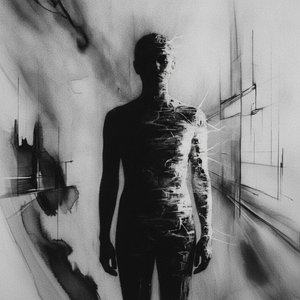
Shadow & Soul: Why Black & White Photography Remains the Ultimate Power Move in Modern Art
Discover why black & white photography remains a powerful force in contemporary art. Explore the impact of light, shadow, and texture through a visual journey of monochrome mastery and learn how to elevate your space with timeless grayscale aesthetics.

