Zum Druck wechseln
 Weiterlesen







































 Bei Kunstwerken oder Reproduktionen, die an einer Seite größer als 105 cm (ca. 41 Zoll) sind, wird der Rahmen zerlegt als Bausatz geliefert. Diese Methode gewährleistet eine sichere Zustellung und verhindert Schäden während des Transports.


German de Mello: A Pioneer of São Paulo School Photography
German de Mello (1922 – 2021) stands as an enduring figure in Brazilian art history, primarily recognized for his masterful contributions to the São Paulo School of Photography—a movement that profoundly shaped the visual landscape of mid-century Brazil. His artistic vision transcended mere documentation; instead, he crafted images imbued with a quiet contemplation and meticulous attention to detail that continue to resonate with audiences today. Born in São Paulo, Mello’s early life was marked by exposure to intellectual ferment and familial influence—his father, Arnon Affonso de Farias Mello, served as governor of Alagoas and later senator, fostering an environment rich in artistic discourse. This upbringing instilled a deep appreciation for visual storytelling and propelled him toward a career dedicated to capturing the essence of everyday life through the lens of photography.- Early Influences: De Mello’s formative years coincided with the burgeoning Brazilian modernist movement, where he encountered luminaries like Thomaz Farkas and Chico Albuquerque—artists who championed innovative approaches to composition and stylistic experimentation. These encounters undoubtedly shaped his artistic sensibilities and solidified his commitment to exploring new visual languages.
- Notable Works: Among Mello’s most celebrated pieces are “Le Diable au Corps” (1949), a seminal photograph demonstrating his early artistic prowess, and “Curvas Concêntricas” (1955)—a masterful composition that exemplifies the São Paulo School's preoccupation with geometric forms and subtle tonal shifts. Furthermore, “Apartments or” captures the atmosphere of urban living with remarkable sensitivity, while “Still Life” showcases Mello’s unparalleled skill in rendering textures and capturing fleeting moments of beauty.
Technique and Style: Mastering Black & White Photography
De Mello's artistic signature lies in his unwavering dedication to black-and-white photography—a medium he embraced with uncompromising rigor and precision. He skillfully employed traditional photographic techniques, prioritizing careful framing and timing to capture the immediacy of visual experience. His approach was characterized by a deliberate restraint, eschewing excessive manipulation or embellishment to preserve the integrity of the original image. This stylistic choice aligns perfectly with the documentary ethos of street photography—a genre that seeks to document reality without imposing preconceived notions onto the subject matter. The shallow depth of field he favored ensured that the primary focus remained on the central figure or element, enhancing its visual impact and conveying a sense of intimacy.- Compositional Considerations: Mello’s compositions often featured carefully arranged elements—vertical poles acting as framing devices—that created a harmonious balance and drew attention to key compositional gestures.
- Lighting Techniques: He skillfully utilized diffused lighting, minimizing harsh shadows and maximizing tonal range to illuminate his subjects with a soft, even glow.
Symbolism and Emotional Resonance: Capturing Quiet Contemplation
Beyond its technical mastery, Mello’s photography possesses profound symbolic depth—reflecting the São Paulo School's exploration of existential themes and psychological nuances. Recurring motifs—such as the umbrella—often served as metaphors for resilience against adversity, encapsulating the spirit of perseverance in confronting life’s challenges. Similarly, solitary figures conveyed a sense of introspection and contemplation, inviting viewers to engage with questions of identity and experience. The rain itself functioned as a visual symbol of transformation and renewal—underscoring the cyclical nature of existence and prompting reflection on beauty amidst hardship.Legacy and Recognition: A Lasting Influence
German de Mello’s legacy extends far beyond his individual artworks—he served as an influential mentor to younger photographers, fostering a tradition of stylistic innovation and artistic integrity. His photographs are housed in prestigious museums like MASP (Museu de Arte de São Paulo Assis Chateaubriand), where they continue to inspire admiration and scholarly study. Recognized as a cornerstone of Brazilian photography, Mello’s work stands as testament to the enduring power of visual storytelling—a reminder that art can illuminate profound truths about human experience and capture moments of beauty that transcend time.Fragen & Antworten
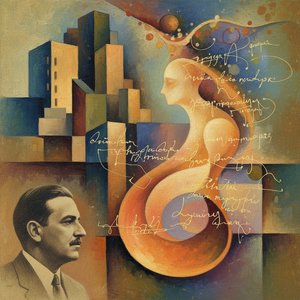
Wie bekannt ist "Tropics or" von German De Mello?
"Tropics or" von German De Mello weist ein Recognized Popularitätsniveau auf. Diese Klassifizierung spiegelt die weite Verbreitung und Bekanntheit des Werkes wider.
Ist ein hochauflösender Download von "Tropics or" verfügbar?
"Tropics or" ist als hochauflösender digitaler Bild-Download direkt über die Seite Digitales Kunstwerk erhältlich.
Ist "Tropics or" von German De Mello gemeinfrei, und warum?
"Tropics or" von German De Mello ist noch urheberrechtlich geschützt. Die Schutzfrist des Urheberrechts beginnt mit dem Tod des Künstlers im Jahr 2021.
 Vorschau anzeigen
 Versenden
 Teilen
 Details anzeigen
 Leitfaden

 Herunterladen
 Ähnliche Objekte
 Röntgenaufnahme
 Diashow
 Q&A
Q&A Statistiken