- Startseite

- Ölgemälde-Reproduktion
- Gerard van Honthorst
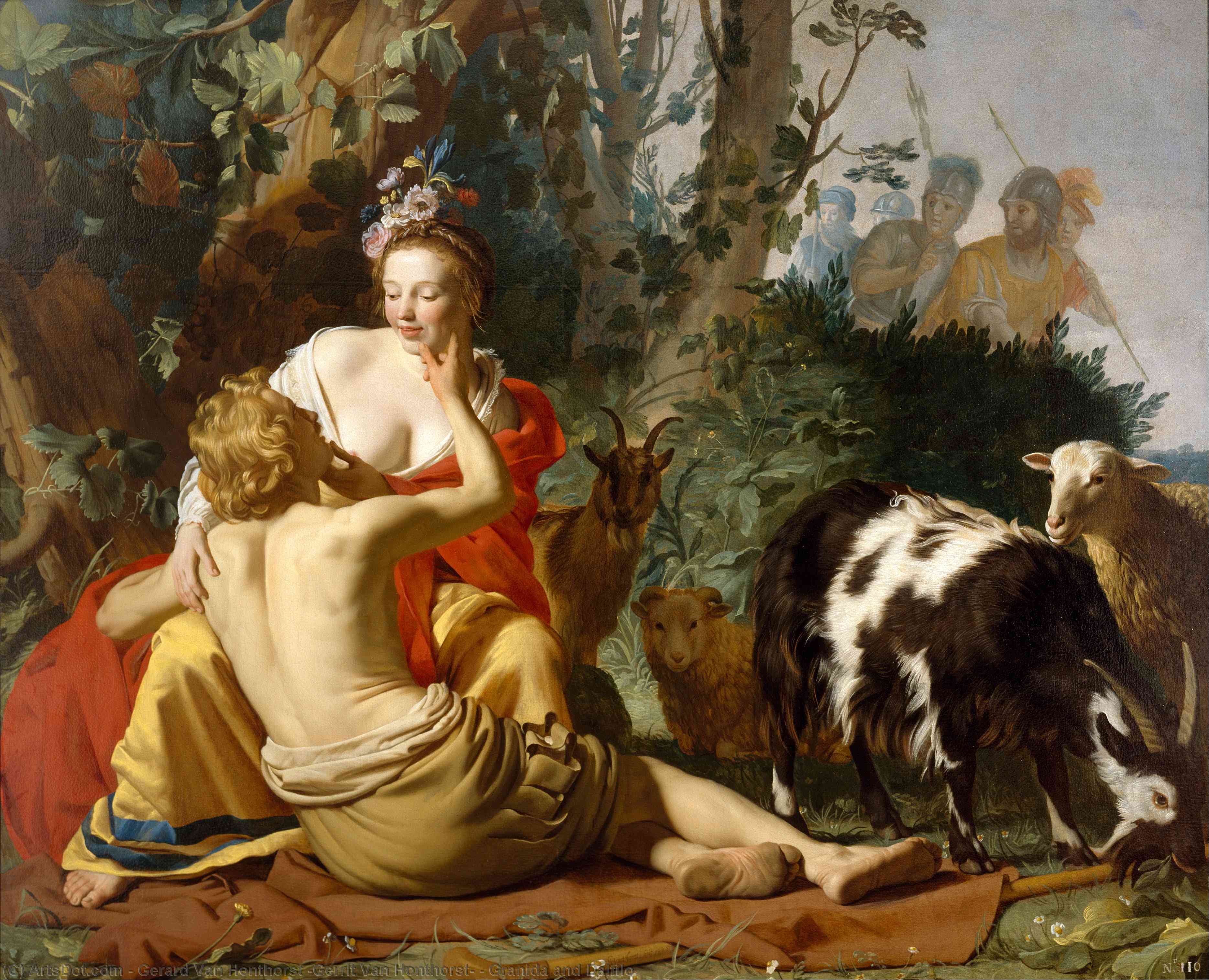
- Granida and Daifilo
 Druck bestellen Bild kaufen
 Versenden
 Teilen
 Details anzeigen
 Zu Favoriten hinzufügen

 Herunterladen
 Ähnliche Objekte
 Röntgenaufnahme
 Diashow anzeigen
Granida and Daifilo
 Oil On Canvas
- WallArt
- Baroque Painting
 1625
1625 145.0 x 179.0 cm
 Centraal Museum
 Weiterlesen
Handgefertigte Öl-Reproduktion
Handgemaltes Ölgemälde auf Leinwand in Ihrer Wunschgröße und mit Rahmen, auf Bestellung von unseren Künstlern angefertigt.




P118B $10

P118H $10

P118W $10

P438Z $10

P508JH $12

P508YH $12

P805H $10

P805Z $10

P919BZ $10

P919G $10

P919XJ $10

P959ZH $10

P968JZ $12

W106C $8

W218G $10

W218JH $8

W218Y $10

W307PJ $10

W316G $10

W316PJ $8

W316Y $10

W398PJ $8

W4111J $10

W500HY $15

W500JH $15

W692G $12

W849H $8

W940BG $15

W953PJ $8




Wählen Sie aus unseren vordefinierten Größen, die den ursprünglichen Proportionen des Kunstwerks entsprechen.

Sie können Ihre eigenen Maße eingeben, um einen bestimmten Rahmen oder Platz auszufüllen. Wenn die gewählte Größe nicht den Proportionen des Originalbildes entspricht, werden wir das Kunstwerk entweder beschneiden oder das Gemälde durch zusätzliche, handgemalte Elemente erweitern. Ein digitales Mockup wird Ihnen zur Genehmigung zugesandt, bevor die Produktion beginnt.
Bitte beachten Sie, dass die Bildschirmvorschau nicht die tatsächliche Beschneidung oder Erweiterung widerspiegelt. Nur das Mockup zeigt die endgültige Komposition exakt an.
Obwohl Sondermaße verfügbar sind, empfehlen wir, eine Größe aus der vordefinierten Liste zu wählen, um die ursprünglichen Proportionen beizubehalten.
Nach der Bestellung wird das OriginalUniqueArt.com-Team dem Kunden Anweisungen per E-Mail zusenden und eine Mockup-Vorschau bereitstellen.
Weltweiter Versand () in nur 3 bis 4 Wochen statt der üblichen 5 Wochen. (22 Juli). Keine Kompromisse bei der Qualität.

Kostenloser weltweiter Expressversand

Hochwertige Leinenleinwand

Umfassender Versicherungsschutz beim Versand

Zollsteuer-Rückerstattungsgarantie

Garantie für echte Farbtreue

60-Tage-Rückgaberecht (nur bei Mängeln)

100% Geld-zurück-Garantie

Mengenrabatt verfügbar
 Die Glasoption ist nur in Größen unter 110 cm verfügbar.

Granida and Daifilo
Art der Reproduktion
Größe der Reproduktion
-


Endpreis aller Optionen
-
Beschreibung des Kunstwerks
A Dutch Master’s Nocturne: Unveiling “Granida and Daifilo” by Gerard van Honthorst
Gerard van Honthorst's "Granida and Daifilo," painted in 1625, is more than just a pastoral scene; it’s a meticulously crafted tableau of romance, intrigue, and the dramatic interplay of light and shadow that defined the artist’s signature style. This captivating work, now housed within the collections of esteemed institutions like the Rijksmuseum, offers a glimpse into the burgeoning artistic landscape of 17th-century Holland – a period marked by Caravaggio's profound influence and a fervent embrace of theatrical lighting.
The painting depicts a tender encounter between Granida, a princess from an Eastern kingdom, and Daifilo, a shepherd who has captured her heart. The narrative unfolds amidst a verdant woodland setting, populated with a cast of characters engaged in a delicate dance of courtship and potential conflict. A watchful soldier stands poised to apprehend Daifilo, hinting at the obstacles inherent in their love – a subtle tension that elevates the scene beyond simple idyllic beauty. The composition is remarkably balanced, drawing the eye through a carefully orchestrated arrangement of figures and elements, creating a sense of depth and inviting the viewer into this intimate world.
The Shadowed Light: Honthorst’s Caravaggistic Technique
Honthorst's mastery lies in his ability to evoke atmosphere through masterful manipulation of light. He was deeply influenced by Caravaggio, adopting his signature *tenebrism* – a dramatic contrast between intensely bright highlights and deep shadows. In “Granida and Daifilo,” this technique is particularly evident in the way the figures are illuminated, creating a sense of mystery and drawing attention to their faces and gestures. The dappled sunlight filtering through the trees casts an ethereal glow upon the scene, while pockets of darkness conceal details and heighten the drama.
The artist’s brushwork is remarkably loose and expressive, contributing to the painting's dynamic quality. Notice how he uses rapid, short strokes to define the foliage and create a sense of movement within the landscape. Furthermore, Honthorst skillfully employs color – rich greens, earthy browns, and subtle hints of red – to establish mood and enhance the overall visual impact. The use of warm tones in the foreground contrasts with the cooler shades in the background, creating a compelling depth of field.
A Courtly Tale: Context and Symbolism
“Granida and Daifilo” was commissioned by Stadholder Frederik Hendrik for his residence at Honselaerdijk as one of a series of pastoral paintings intended to adorn his lavish home. The play itself, written by Pieter Hooft, was immensely popular during the Dutch Golden Age, exploring themes of love, loyalty, and social upheaval. The painting’s subject matter – a forbidden romance between a princess and a shepherd – resonated deeply with audiences, reflecting broader anxieties about social hierarchies and the challenges faced by those who dared to defy convention.
Beyond its narrative content, the work is laden with symbolism. The soldier represents societal constraints and the potential for disruption within the established order. The setting itself—a lush woodland—evokes notions of freedom, escape, and the untamed wilderness. Even the sheep present in the scene can be interpreted as symbols of innocence and vulnerability. The inclusion of a bowl suggests hospitality and generosity – elements central to the pastoral ideal.
An Emotional Resonance: Beauty and Intrigue
“Granida and Daifilo” transcends its historical context, offering viewers an enduring sense of beauty and intrigue. The painting’s evocative lighting, dynamic composition, and compelling narrative combine to create a truly captivating experience. It's not merely a depiction of a romantic encounter; it’s a meditation on love, loss, and the delicate balance between desire and duty. The subtle tension within the scene—the impending arrest, the unspoken longing—keeps the viewer engaged long after they’ve turned away, prompting reflection on the complexities of human relationships and the enduring power of art to capture the essence of our emotions.
Reproductions of this masterpiece offer a remarkable opportunity to bring its atmospheric drama into any setting. Consider framing it in a manner that complements its rich palette and dramatic lighting—perhaps against a dark wall to enhance the effect of *tenebrism*, or within a room bathed in natural light to capture the painting’s luminous quality.
Biografie des Künstlers
Frühes Leben und Ausbildung
Gerard van Honthorst, ein bedeutender niederländischer Maler des Goldenen Zeitalters, wurde am 4. November 1590 in Utrecht geboren. Er war der Sohn eines dekorativen Malers und erhielt zunächst die Anleitung seines Vaters. Später setzte er seine künstlerische Ausbildung unter Abraham Bloemaert fort.Karriere und Einflüsse
Van Honthorsts frühe Karriere umfasste einen Besuch in Rom, wo er stark von dem Stil Caravaggios beeinflusst wurde. Dieser Einfluss ist besonders in seinen späteren Werken erkennbar, vor allem durch die Verwendung künstlich beleuchteter Szenen, was ihm den Spitznamen "Gherardo delle Notti" oder "Gerard der Nachts" einbrachte. Nach seiner Rückkehr in die Niederlande wurde van Honthorst zu einem führenden Porträtmaler.Wichtige Aufträge und Patrone
Van Honthorsts Arbeit war sehr gefragt, wobei er bedeutende Patrone hatte, darunter Vincenzo Giustiniani, der ihn beauftragte, "Christus vor dem Hohenpriester" zu malen, das sich heute in der National Gallery in London befindet. Er arbeitete auch für Cosimo II de' Medici, den Großherzog von Toskana, und genoss große Beliebtheit sowohl in der Republik als auch im Ausland.Künstlerische Entwicklung und Vermächtnis
Im Jahr 1620 kehrte van Honthorst nach Utrecht zurück, wo er sich einen beträchtlichen Ruf erwarb. Bereits 1623, im Jahr seiner Hochzeit, war er Präsident der Zunft des Heiligen Lukas in Utrecht geworden. Sein Erfolg führte zu Empfehlungen von Sir Dudley Carleton für den Earl of Arundel und Lord Dorchester. Er entwickelte seinen eigenen Stil, der Elemente des Caravaggismo mit niederländischen Traditionen verband. Seine Fähigkeit, dramatische Lichteffekte einzusetzen und lebendige Szenen darzustellen, machte ihn zu einem gefragten Künstler. Van Honthorst starb 1656 in Utrecht und hinterließ ein bedeutendes Werk, das die Kunst des Goldenen Zeitalters bereicherte.Wichtige Werke und Zusammenarbeit
- Die Ölbergszene: Ein frühes Beispiel für van Honthorsts Caravaggismo mit starkem Lichtkontrast.
- Christus vor dem Hohenpriester: Eine Auftragsarbeit von Vincenzo Giustiniani, die seine Fähigkeit zeigt, künstlich beleuchtete Szenen darzustellen.
- Zusammenarbeiten mit anderen Künstlern wie Peter Paul Rubens: Diese Kooperationen zeugen von seinem Einfluss auf den flämischen Barockstil und demonstrieren seinen Stellenwert in der europäischen Kunstszene.
Künstlerische Bewegung und Stil
Van Honthorst war Teil der Utrechter Caravaggisti-Bewegung, die sich durch die Verwendung dramatischer Beleuchtung und intensiver emotionaler Tiefe auszeichnete. Seine Arbeit spiegelt den Einfluss des italienischen Barock wider, während er gleichzeitig zur Entwicklung des niederländischen Goldenen Zeitalters beitrug. Sein Stil zeichnete sich durch eine Kombination aus Caravaggios Licht- und Schattenspiel mit der Klarheit und Detailgenauigkeit der niederländischen Malerei aus.
Gerard van Honthorst
1590 - 1656 , Niederlande
Kurzinfos
- Beeinflusste Künstler:
- Caravaggio
- Abraham Bloemaert
- Bemerkenswerte Werke:
- Christus vor dem Hohenpriester
- Die Abnahme Christi
- Anbetung der Hirten
- Geburtsdatum: 4. November 1590
- Geburtsort: Utrecht, Niederlande
- Künstlerische Bewegung: Utrechter Caravaggisten
- Nationalität: Niederländisch
- Sterbedatum: 27. April 1656
- Vollständiger Name: Gerard van Honthorst
- Von Ihm Beeinflusste Künstler:
- Rembrandt van Rijn
- Georges de la Tour
Ähnliche Artikel
Van Goghs Meisterwerke: Die Top 25 für Kunstliebhaber & Ihr Zuhause
Entdecken Sie die Top 25 Gemälde von Vincent van Gogh! Erleben Sie die Geschichten hinter Sternennacht, Sonnenblumen & mehr. Hochwertige Van Gogh Reproduktionen für Ihr Zuhause – jetzt auf OriginalUniqueArt.com!
Gerard van Honthorst: Licht und Schatten der niederländischen Goldenen Ära – Caravaggismus und höfische Eleganz
Entdecken Sie das faszinierende Werk von Gerard van Honthorst! Erfahren Sie mehr über den niederländischen Meister des Caravaggismus, seine einzigartigen Lichteffekte und seinen Einfluss auf die Kunstgeschichte. Jetzt lesen!

Rembrandts Meisterwerke: Die Top 25 Kunstwerke für Ihr Zuhause | OriginalUniqueArt
Entdecken Sie Rembrandts 25 berühmteste Kunstwerke! Tauchen Sie ein in die Welt des Barock, Licht und Schatten & historischer Porträts. Hochwertige Reproduktionen für Ihr Zuhause – jetzt auf OriginalUniqueArt.com!

Barock Meisterwerke: Die 10 prägendsten Kunstwerke für Ihr Zuhause |
Entdecken Sie die 10 prägendsten Meisterwerke des Barock! Caravaggio, Rembrandt & Co. – Erfahren Sie die Geschichten hinter ikonischen Gemälde und finden Sie hochwertige Kunst Reproduktionen für Ihr Zuhause auf .

The Dramatic Flourish: Exploring the Baroque Movement's Enduring Legacy in Art History
Explore the dramatic world of Baroque art! Discover iconic artists like Caravaggio & Rubens, defining techniques, and its lasting impact on art history. Expert insights for collectors & enthusiasts at OriginalUniqueArt.