Vorschau anzeigen
 Versenden
 Teilen
 Details anzeigen
 Leitfaden

 Herunterladen
 Ähnliche Objekte
 Röntgenaufnahme
 Diashow
 Fragen & Antworten
 Statistiken
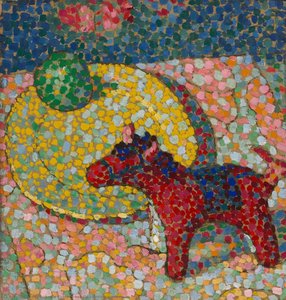
Trees in Autumn


 Weiterlesen
Die auf dieser Seite dargestellten Kunstwerke sind urheberrechtlich geschützt, was bedeutet, dass wir keine identische Reproduktion rechtmäßig erstellen oder verkaufen dürfen. Dieser Schutz wird durch internationale Abkommen wie die Berner Übereinkunft und durch nationale Gesetze, einschließlich derer, die von den US-Urheberrecht – Titel 17.
Diese Methode entspricht vollumfänglich den Urheberrechtsbestimmungen, da sie keine Kopie oder Vervielfältigung des geschützten Kunstwerks darstellt. Stattdessen handelt es sich um eine kreative Neuinterpretation – ein neues Gemälde, das vom Original inspiriert, aber nicht identisch mit ihm ist.
Giclée / Kunstdruck
Giclée- oder Leinwanddruck in Museumsqualität mit schneller Produktion und flexiblen Veredelungsoptionen. ( Handgemalte Reproduktion bestellen Zum digitalen Bild wechseln)




P118B €10

P118H €10

P118W €10

P438Z €10

P508JH €12

P508YH €12

P805H €10

P805Z €10

P919BZ €10

P919G €10

P919XJ €10

P959ZH €10

P968JZ €12

W106C €8

W218G €10

W218JH €8

W218Y €10

W307PJ €10

W316G €10

W316PJ €8

W316Y €10

W398PJ €8

W4111J €10

W500HY €15

W500JH €15

W692G €12

W849H €8

W940BG €15

W953PJ €8




Wählen Sie aus unseren vordefinierten Formaten, die den ursprünglichen Proportionen des Kunstwerks entsprechen.

Geben Sie die benötigte Breite und Höhe an, damit der Druck perfekt in Ihren Rahmen oder an Ihre Wand passt. Ein Druck kann nur beschnitten, aber niemals größer als das Originalbild angefertigt werden; daher verliert ein Format mit anderen Proportionen einen Teil des Bildes. Wir senden Ihnen ein digitales Mockup zur Freigabe, bevor wir den Druck ausführen. Das auf dieser Seite gezeigte Bild zeigt nicht den tatsächlichen Beschnitt – dies ist nur im Mockup ersichtlich.
Weltweiter Versand () innerhalb von 2 Wochen statt der üblichen 4/5 Wochen. (9 November)

Kostenloser weltweiter Expressversand

Hochwertige Leinenleinwand

Umfassender Versicherungsschutz beim Versand

Zollgebühren-Rückerstattungsgarantie

Garantie für exakte Farbtreue

100 Tage Rückgaberecht (nur bei Mängeln)

100% Geld-zurück-Garantie

Mengenrabatt verfügbar
 Die Glasoption ist nur für Größen unter 110 cm verfügbar.

Trees in Autumn
Giclée / Kunstdruck
Format der Reproduktion
-


Endpreis
€ 72
A Symphony of Scarlet: Unveiling Georgia O'Keeffe’s "Trees in Autumn"
Georgia O’Keeffe’s “Trees in Autumn,” painted in 1921, isn’t merely a depiction of trees; it’s an immersion into the heart of autumnal experience. Captured during a pivotal period in her artistic development – a time when she was actively shedding the constraints of academic realism and embracing a deeply personal, emotionally charged style – this oil on canvas vibrates with a raw intensity that continues to captivate viewers nearly a century later. The painting immediately draws the eye to the dominant presence of trees ablaze with crimson and scarlet hues, their forms simplified yet imbued with an undeniable power. These aren’t portraits of specific species; instead, they are distilled representations of autumnal energy – a celebration of color and light before the dormancy of winter.
O'Keeffe’s formative years, particularly her encounter with Arthur Wesley Dow’s principles of emphasizing personal expression through color and line, proved transformative. Dow encouraged artists to move away from strict representation towards capturing subjective experiences. This philosophy is strikingly evident in “Trees in Autumn.” The artist doesn’t strive for photographic accuracy; rather, she uses bold colors and simplified shapes to evoke a feeling – the vibrant energy, the fleeting beauty, and perhaps even a hint of melancholy associated with the season's decline. The composition itself contributes to this emotional resonance: the trees, rendered with an almost sculptural quality, dominate the canvas, drawing the viewer into their world.
Decoding the Palette: Color as Emotion
The painting’s color palette is undeniably its most arresting feature. The fiery reds and oranges aren't simply applied; they seem to emanate from within the trees themselves. O’Keeffe masterfully employs a technique of layering thin washes of paint, allowing the colors to bleed into one another, creating a sense of luminous depth and movement. Notice how the purple-white hills in the background provide a crucial counterpoint to the intensity of the reds – a subtle restraint that prevents the composition from becoming overwhelming. The strategic use of yellow accents adds further vibrancy and complexity, suggesting dappled sunlight filtering through the foliage.
Beyond mere color, O’Keeffe utilizes value—the lightness or darkness of a hue—to create dramatic contrasts and emphasize form. The darker tones in the foreground trees anchor the composition while simultaneously intensifying the brilliance of the reds. The subtle gradations within each tree suggest texture and volume, inviting the viewer to imagine the rough bark and intricate patterns of the leaves.
A Glimpse of Humanity: Symbolism and Context
Interestingly, a partially visible figure on the right side of the painting adds an element of human presence. While not overtly defined, this individual seems to be observing or contemplating the scene – perhaps lost in the beauty of nature’s spectacle. This inclusion subtly raises questions about our relationship with the natural world and our own place within it. It's a common theme in O’Keeffe’s work; she frequently depicted herself as a solitary observer, merging her identity with the landscapes she painted.
“Trees in Autumn” was created during a period of significant personal and artistic change for O’Keeffe. She had recently moved to New Mexico, seeking a new environment that would inspire her creativity. The stark beauty of the desert landscape profoundly influenced her work, leading her to explore themes of isolation, spirituality, and the power of nature. This painting can be seen as a distillation of those experiences – a testament to the transformative potential of place and the enduring allure of autumn’s fleeting splendor.
Bringing “Trees in Autumn” Home: A Reproduction for Your Space
OriginalUniqueArt offers meticulously crafted, hand-painted reproductions of Georgia O'Keeffe’s "Trees in Autumn," allowing you to experience this iconic artwork firsthand. Our skilled artists replicate O’Keeffe’s distinctive style and color palette with exceptional accuracy, ensuring that your reproduction captures the painting’s original emotional impact. Whether displayed in a modern living room, a sophisticated study, or a serene bedroom, this stunning reproduction will serve as a constant source of inspiration and beauty. Explore our range of sizes and canvas options to find the perfect addition to your collection – a vibrant reminder of nature's artistry and O’Keeffe’s enduring legacy.
Fragen & Antworten
Welcher Phase in der künstlerischen Entwicklung von Georgia O’Keeffe lässt sich "Trees in Autumn" zuordnen?
Innerhalb der Schaffensperiode von Georgia O’Keeffe lässt sich „Trees in Autumn“ der Mature Period zuordnen. Diese Phase ermöglicht einen Vergleich mit anderen Werken des Künstlers.
In welcher Ausrichtung liegt "Trees in Autumn" von Georgia O’Keeffe vor?
"Trees in Autumn" von Georgia O’Keeffe ist eine Komposition im Hochformat-Format. Die Proportionen sollten vor der Wahl der Druckgröße überprüft werden.
Gibt es ein Factsheet zu "Trees in Autumn" von Georgia O’Keeffe für Studierende?
Für "Trees in Autumn" von Georgia O’Keeffe ist eine Leitfaden-Seite verfügbar: ein druckbares Infoblatt zum Kunstwerk, konzipiert für Schüler und den Einsatz im Unterricht.
Künstlerbiografie
Frühe Jahre und Ausbildung (1887–1916)
Georgia Totto O’Keeffe, eine zentrale Figur des amerikanischen Modernismus, wurde am 15. November 1887 in Sun Prairie, Wisconsin, geboren. Ihre Eltern waren Francis Calyxtus O’Keeffe und Ida (Totto) O’Keeffe, Milchbauern irischer und ungarischer Abstammung. Schon im Alter von zehn Jahren entschied Georgia, Künstlerin zu werden. Sie erhielt Kunstunterricht von der lokalen Aquarellistin Sara Mann und besuchte später das Art Institute of Chicago von 1905 bis 1906, wo sie unter John Vanderpoel studierte. Ihr einzigartiger Stil begann sich während ihrer Studien in Virginia zu entwickeln.Künstlerische Karriere (1917–1986)
Alfred Stieglitz, ein Kunsthändler und Fotograf, veranstaltete 1917 eine Ausstellung von O’Keeffes Werken. Dies markierte den Beginn ihrer professionellen Karriere. Sie zog 1918 auf Stieltiz's Wunsch nach New York und begann ernsthaft als Künstlerin zu arbeiten. Ihre berufliche Beziehung entwickelte sich zu einer persönlichen, die zur Heirat am 11. Dezember 1924 führte. O’Keeffes abstrakte Kunst, darunter Nahaufnahmen von Blumen wie *Rote Canna*, wurde oft als Darstellung weiblicher Geschlechtsorgane interpretiert, obwohl sie dies stets bestritt. Ihre Arbeit wurde auch von ihrer Zeit im Südwesten beeinflusst, was Gemälde wie *Schädel eines Rindes: Rot, Weiß und Blau (1931)* und *Sommertage (1936)* inspirierte.Einflüsse und Stilentwicklung
O’Keeffe war stark von Arthur Wesley Dow beeinflusst, dessen Lehren über abstraktes Design ihre künstlerische Praxis prägten. Sie experimentierte mit verschiedenen Stilen, darunter Präzisionismus, der sich in ihren Gemälden von New Yorker Wolkenkratzern zeigt. Ihre Landschaftsbilder aus New Mexico, insbesondere die Wüstenlandschaften rund um Abiquiú, wurden zu einem zentralen Thema ihres Werkes und zeigten ihre tiefe Verbindung zur Natur. Die Farbpalette O’Keeffes entwickelte sich im Laufe ihrer Karriere weiter, von den gedämpften Tönen ihrer frühen Werke bis hin zu den leuchtenden Farben, die in ihren späteren Gemälden dominieren.Vermächtnis und Bedeutung
Nach Stieltiz's Tod 1946 lebte O’Keeffe für die nächsten 40 Jahre in New Mexico. Ihr Gemälde *Jimson Weed/White Flower No. 1* aus dem Jahr 1932 wurde 2014 für 44,405.000 Dollar verkauft und stellte einen Rekordpreis für ein Werk einer weiblichen Künstlerin auf. Das Georgia O’Keeffe Museum wurde 2006 in Santa Fe gegründet, um ihrem Werk zu widmen. Ihre Werke sind auch in zahlreichen anderen Museen vertreten. Sie gilt als eine der wichtigsten Künstlerinnen des 20. Jahrhunderts und hat die Entwicklung der amerikanischen Kunst maßgeblich beeinflusst.Wichtige Werke
- Rote Canna
- Schädel eines Rindes: Rot, Weiß und Blau (1931)
- Sommertage (1936)
- Jimson Weed/White Flower No. 1
- Blaue und grüne Musik
Museen mit O’Keeffe-Werken
- Georgia O’Keeffe Museum
- Verschiedene weitere Museen, Informationen hier: https://www.okeeffemuseum.org/

Georgia O’Keeffe
1887 - 1986 , Vereinigte Staaten von Amerika
Kurzinfos
- Beeinflusste Künstler: ['Keine Angaben']
- Bemerkenswerte Werke:
- Roter Canna
- Kuhschädel Rot, Weiß und Blau
- Sommertage
- Spitzwurz/Weißes Blumen Nr. 1
- Einflüsse: ['Alfred Stieglitz']
- Geburtsdatum: 15. November 1887
- Geburtsort: Sun Prairie, Vereinigte Staaten
- Künstlerische Richtung: Amerikanischer Modernismus
- Nationalität: Amerikanisch
- Sterbedatum: 6. März 1986
- Vollständiger Name: Georgia O’Keeffe
Ähnliche Artikel

Arboreal Echoes: A Historical & Artistic Exploration of Trees in Painting
Explore the rich history of trees in painting! Discover symbolism, Romantic masterpieces by Caspar David Friedrich & beyond. A curated journey for art enthusiasts.

Die 25 besten Gemälde von Paul Cézanne: Meisterwerke der Form
Entdecken Sie die 25 Meisterwerke von Paul Cézanne und den Postimpressionismus. Alle Klassiker auf OriginalUniqueArt.com online erleben.
Arboreal Echoes: A Historical & Artistic Exploration of Trees in Painting
Explore the rich history of trees in painting! Discover symbolism, Romantic masterpieces by Caspar David Friedrich & beyond. A curated journey for art enthusiasts.

Georgia O’Keeffe: Symbolismus und Landschaft – Eine Neudefinition der Moderne in der amerikanischen Kunst
Entdecken Sie Georgia O’Keeffes revolutionäre Kunst! Analysieren Sie ihren Symbolismus, ihre Landschaftsmalerei und ihren Einfluss auf die amerikanische Moderne. Expertenwissen & tiefe Einblicke.

Golden Hues & Crimson Leaves: Capturing the Magic of Autumn Colors in Fine Art
Embark on a visual journey through the golden hues of autumn fine art. Discover how masters like Van Gogh capture seasonal magic through vibrant oil landscapes and explore expert tips for collecting timeless autumnal masterpieces.