Vorschau anzeigen
 Versenden
 Teilen
 Details anzeigen
 Leitfaden

 Herunterladen
 Ähnliche Objekte
 Röntgenaufnahme
 Diashow
 Statistiken
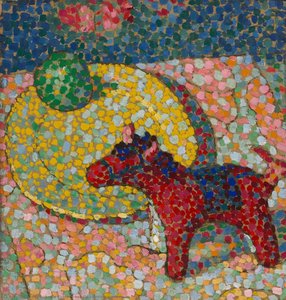
No. 22 - Special


 Weiterlesen
Die auf dieser Seite dargestellten Kunstwerke sind urheberrechtlich geschützt, was bedeutet, dass wir keine identische Reproduktion rechtmäßig erstellen oder verkaufen dürfen. Dieser Schutz wird durch internationale Abkommen wie die Berner Übereinkunft und durch nationale Gesetze, einschließlich derer, die von den US-Urheberrecht – Titel 17.
Diese Methode entspricht vollumfänglich den Urheberrechtsbestimmungen, da sie keine Kopie oder Vervielfältigung des geschützten Kunstwerks darstellt. Stattdessen handelt es sich um eine kreative Neuinterpretation – ein neues Gemälde, das vom Original inspiriert, aber nicht identisch mit ihm ist.
Giclée / Kunstdruck
Giclée- oder Leinwanddruck in Museumsqualität mit schneller Produktion und flexiblen Veredelungsoptionen. ( Handgemalte Reproduktion bestellen Zum digitalen Bild wechseln)




P118B €10

P118H €10

P118W €10

P438Z €10

P508JH €12

P508YH €12

P805H €10

P805Z €10

P919BZ €10

P919G €10

P919XJ €10

P959ZH €10

P968JZ €12

W106C €8

W218G €10

W218JH €8

W218Y €10

W307PJ €10

W316G €10

W316PJ €8

W316Y €10

W398PJ €8

W4111J €10

W500HY €15

W500JH €15

W692G €12

W849H €8

W940BG €15

W953PJ €8




Wählen Sie aus unseren vordefinierten Formaten, die den ursprünglichen Proportionen des Kunstwerks entsprechen.

Geben Sie die benötigte Breite und Höhe an, damit der Druck perfekt in Ihren Rahmen oder an Ihre Wand passt. Ein Druck kann nur beschnitten, aber niemals größer als das Originalbild angefertigt werden; daher verliert ein Format mit anderen Proportionen einen Teil des Bildes. Wir senden Ihnen ein digitales Mockup zur Freigabe, bevor wir den Druck ausführen. Das auf dieser Seite gezeigte Bild zeigt nicht den tatsächlichen Beschnitt – dies ist nur im Mockup ersichtlich.
Weltweiter Versand () innerhalb von 2 Wochen statt der üblichen 4/5 Wochen. (26 Oktober)

Kostenloser weltweiter Expressversand

Hochwertige Leinenleinwand

Umfassender Versicherungsschutz beim Versand

Zollgebühren-Rückerstattungsgarantie

Garantie für exakte Farbtreue

100 Tage Rückgaberecht (nur bei Mängeln)

100% Geld-zurück-Garantie

Mengenrabatt verfügbar
 Die Glasoption ist nur für Größen unter 110 cm verfügbar.

No. 22 - Special
Giclée / Kunstdruck
Format der Reproduktion
-


Endpreis
€ 70
A Desert Bloom: Georgia O’Keeffe's “No. 22 – Special”
Georgia O’Keeffe’s “No. 22 – Special,” painted in 1916-1917, isn’t merely a landscape; it’s an immersion into the heart of the American Southwest—a visceral experience rendered with a startlingly modern sensibility. This oil on board, measuring approximately 13 1/8 x 17 1/4 inches, captures a vast, reddish-orange mesa rising from a seemingly endless expanse of cobalt blue sky. The color palette is deceptively simple – primarily ochre, crimson, and azure – yet O’Keeffe masterfully employs subtle gradations and textures to evoke an astonishing sense of depth and scale. It's a scene that simultaneously feels both monumental and intimately personal, reflecting the artist’s lifelong fascination with the stark beauty and elemental power of New Mexico.
The painting emerged during a pivotal period in O’Keeffe’s artistic development. Having studied at the Art Institute of Chicago and later under Arthur Wesley Dow—whose teachings emphasized direct observation and emotional expression—she was beginning to shed the constraints of academic realism. Dow's influence is evident here, not in a literal depiction, but in O’Keeffe’s deliberate choice of color and her focus on capturing the *feeling* of the landscape rather than its precise outline. The mountain isn’t simply a geological formation; it’s imbued with an almost palpable energy, radiating warmth and suggesting a silent, enduring presence.
The Influence of Dow and Modernism
O'Keeffe's journey to this distinctive style was profoundly shaped by Arthur Wesley Dow. Dow advocated for a simplified approach to color and line, urging artists to focus on capturing the essence of their subjects rather than meticulously replicating every detail. This philosophy encouraged O’Keeffe to prioritize emotional resonance over photographic accuracy. The painting’s composition—a vast expanse punctuated by a single, dominant form—mirrors Dow's emphasis on creating a harmonious balance between color and line, resulting in an image that is both dynamic and serene.
“No. 22 – Special” stands as a crucial bridge between the artistic traditions of the late 19th century and the burgeoning modernism of the early 20th. It’s a testament to O'Keeffe's ability to synthesize these influences, forging her own unique visual language—one characterized by bold color choices, simplified forms, and an unwavering commitment to capturing the spirit of the American West.
Symbolic Resonance: Desert, Time, and the Self
The mesa itself is a potent symbol. In the arid landscapes of New Mexico, mesas are not just geological formations; they’re ancient witnesses to time, embodying resilience and endurance. Their sheer scale dwarfs the viewer, inviting contemplation on the vastness of the natural world and our own fleeting existence. The color palette—the fiery reds and oranges contrasted with the cool blues—evokes both the intensity of a desert sunset and the enduring quality of the landscape itself.
Furthermore, many art historians interpret the painting as an exploration of O’Keeffe's inner self. The solitary mesa can be seen as a metaphor for her own isolation and independence, while the vibrant colors reflect her passionate engagement with the natural world. It is a deeply personal landscape, imbued with the artist’s emotional response to her surroundings.
A Legacy of Bold Abstraction
“No. 22 – Special” represents a radical departure from traditional landscape painting—a move toward abstraction that would define O'Keeffe’s career. The simplified forms, intense colors, and emphasis on texture paved the way for her later, even more iconic works. This piece is not just a beautiful depiction of a desert scene; it’s a foundational work in the development of American modernism—a testament to O’Keeffe's pioneering spirit and her profound ability to transform the ordinary into the extraordinary.
Reproductions of this painting capture only a fraction of its original impact, but they offer a valuable opportunity to experience O’Keeffe’s vision firsthand. Consider commissioning a hand-painted reproduction from OriginalUniqueArt.com or exploring high-quality prints for your interior space – allowing you to bring the spirit of the Southwest into your home.
Fragen & Antworten
Welche Art von Kunstwerk ist "No. 22 - Special" von Georgia O’Keeffe?
"No. 22 - Special" von Georgia O’Keeffe wird als Wandkunst klassifiziert. Die Kategorie beschreibt die Art des Kunstwerks, um das es sich beim Original handelt.
Welcher Strömung und welcher Epoche ist "No. 22 - Special" von Georgia O’Keeffe zuzuordnen?
"No. 22 - Special" gehört der Strömung des Modernism an, und sein Schöpfer war in der Ära der Moderne tätig.
Ist "No. 22 - Special" im Heimatland seines Künstlers verblieben?
Ja – das Kunstwerk befindet sich im Heimatland der Künstlerin / des Künstlers. „No. 22 - Special“ befindet sich in Vereinigte Staaten von Amerika, während Georgia O’Keeffe in Vereinigte Staaten von Amerika geboren wurde.
Künstlerbiografie
Frühe Jahre und Ausbildung (1887–1916)
Georgia Totto O’Keeffe, eine zentrale Figur des amerikanischen Modernismus, wurde am 15. November 1887 in Sun Prairie, Wisconsin, geboren. Ihre Eltern waren Francis Calyxtus O’Keeffe und Ida (Totto) O’Keeffe, Milchbauern irischer und ungarischer Abstammung. Schon im Alter von zehn Jahren entschied Georgia, Künstlerin zu werden. Sie erhielt Kunstunterricht von der lokalen Aquarellistin Sara Mann und besuchte später das Art Institute of Chicago von 1905 bis 1906, wo sie unter John Vanderpoel studierte. Ihr einzigartiger Stil begann sich während ihrer Studien in Virginia zu entwickeln.Künstlerische Karriere (1917–1986)
Alfred Stieglitz, ein Kunsthändler und Fotograf, veranstaltete 1917 eine Ausstellung von O’Keeffes Werken. Dies markierte den Beginn ihrer professionellen Karriere. Sie zog 1918 auf Stieltiz's Wunsch nach New York und begann ernsthaft als Künstlerin zu arbeiten. Ihre berufliche Beziehung entwickelte sich zu einer persönlichen, die zur Heirat am 11. Dezember 1924 führte. O’Keeffes abstrakte Kunst, darunter Nahaufnahmen von Blumen wie *Rote Canna*, wurde oft als Darstellung weiblicher Geschlechtsorgane interpretiert, obwohl sie dies stets bestritt. Ihre Arbeit wurde auch von ihrer Zeit im Südwesten beeinflusst, was Gemälde wie *Schädel eines Rindes: Rot, Weiß und Blau (1931)* und *Sommertage (1936)* inspirierte.Einflüsse und Stilentwicklung
O’Keeffe war stark von Arthur Wesley Dow beeinflusst, dessen Lehren über abstraktes Design ihre künstlerische Praxis prägten. Sie experimentierte mit verschiedenen Stilen, darunter Präzisionismus, der sich in ihren Gemälden von New Yorker Wolkenkratzern zeigt. Ihre Landschaftsbilder aus New Mexico, insbesondere die Wüstenlandschaften rund um Abiquiú, wurden zu einem zentralen Thema ihres Werkes und zeigten ihre tiefe Verbindung zur Natur. Die Farbpalette O’Keeffes entwickelte sich im Laufe ihrer Karriere weiter, von den gedämpften Tönen ihrer frühen Werke bis hin zu den leuchtenden Farben, die in ihren späteren Gemälden dominieren.Vermächtnis und Bedeutung
Nach Stieltiz's Tod 1946 lebte O’Keeffe für die nächsten 40 Jahre in New Mexico. Ihr Gemälde *Jimson Weed/White Flower No. 1* aus dem Jahr 1932 wurde 2014 für 44,405.000 Dollar verkauft und stellte einen Rekordpreis für ein Werk einer weiblichen Künstlerin auf. Das Georgia O’Keeffe Museum wurde 2006 in Santa Fe gegründet, um ihrem Werk zu widmen. Ihre Werke sind auch in zahlreichen anderen Museen vertreten. Sie gilt als eine der wichtigsten Künstlerinnen des 20. Jahrhunderts und hat die Entwicklung der amerikanischen Kunst maßgeblich beeinflusst.Wichtige Werke
- Rote Canna
- Schädel eines Rindes: Rot, Weiß und Blau (1931)
- Sommertage (1936)
- Jimson Weed/White Flower No. 1
- Blaue und grüne Musik
Museen mit O’Keeffe-Werken
- Georgia O’Keeffe Museum
- Verschiedene weitere Museen, Informationen hier: https://www.okeeffemuseum.org/

Georgia O’Keeffe
1887 - 1986 , Vereinigte Staaten von Amerika
Kurzinfos
- Beeinflusste Künstler: ['Keine Angaben']
- Bemerkenswerte Werke:
- Roter Canna
- Kuhschädel Rot, Weiß und Blau
- Sommertage
- Spitzwurz/Weißes Blumen Nr. 1
- Einflüsse: ['Alfred Stieglitz']
- Geburtsdatum: 15. November 1887
- Geburtsort: Sun Prairie, Vereinigte Staaten
- Künstlerische Richtung: Amerikanischer Modernismus
- Nationalität: Amerikanisch
- Sterbedatum: 6. März 1986
- Vollständiger Name: Georgia O’Keeffe
Ähnliche Artikel
Frank O. Salisbury: Capturing an Era Through Victorian Portraiture & Atmospheric Realism
Explore the life & work of Frank O. Salisbury, Britain's celebrated 'Painter Laureate'. Discover his masterful Victorian portraits, atmospheric realism, and captivating historical murals. A deep dive into a remarkable artistic legacy.

Unblinking Truths: The Clinical Realism of Germany’s Neue Sachlichkeit
Explore the clinical precision of German New Objectivity through masters like Otto Dix. Discover the truth behind the Weimar era's raw realism.
Grahame Sydney: Licht und Landschaft als Spiegel der Seele Otagos – Eine Studie zu Atmosphäre und kulturellem Erbe
Entdecken Sie die faszinierende Welt von Grahame Sydney! Unsere Analyse beleuchtet Licht, Landschaft und kulturelles Erbe in seinen Gemälden. Einblick in einen einzigartigen Künstler und seine Vision von Otago.

Georgia O’Keeffe: Symbolismus und Landschaft – Eine Neudefinition der Moderne in der amerikanischen Kunst
Entdecken Sie Georgia O’Keeffes revolutionäre Kunst! Analysieren Sie ihren Symbolismus, ihre Landschaftsmalerei und ihren Einfluss auf die amerikanische Moderne. Expertenwissen & tiefe Einblicke.

The Ashcan School: Capturing the Raw Spirit and Urban Realism of New York City Life
Explore the raw, evocative beauty of the Ashcan School. Discover how masters like Bellows and Glackens captured New York's urban soul through American Realism, and learn to bring this gritty, historical elegance into your modern art collection.