

 Vorschau anzeigen
 Versenden
 Teilen
 Details anzeigen
 Leitfaden

 Herunterladen
 Ähnliche Objekte
 Röntgenaufnahme
 Diashow
 Statistiken
Jésus in the suburb

 Weiterlesen
Die auf dieser Seite dargestellten Kunstwerke sind urheberrechtlich geschützt, was bedeutet, dass wir keine identische Reproduktion rechtmäßig erstellen oder verkaufen dürfen. Dieser Schutz wird durch internationale Abkommen wie die Berner Übereinkunft und durch nationale Gesetze, einschließlich derer, die von den US-Urheberrecht – Titel 17.
Diese Methode entspricht vollumfänglich den Urheberrechtsbestimmungen, da sie keine Kopie oder Vervielfältigung des geschützten Kunstwerks darstellt. Stattdessen handelt es sich um eine kreative Neuinterpretation – ein neues Gemälde, das vom Original inspiriert, aber nicht identisch mit ihm ist.
Giclée / Kunstdruck
Giclée- oder Leinwanddruck in Museumsqualität mit schneller Produktion und flexiblen Veredelungsoptionen. ( Handgemalte Reproduktion bestellen Zum digitalen Bild wechseln)




P118B €10

P118H €10

P118W €10

P438Z €10

P508JH €12

P508YH €12

P805H €10

P805Z €10

P919BZ €10

P919G €10

P919XJ €10

P959ZH €10

P968JZ €12

W106C €8

W218G €10

W218JH €8

W218Y €10

W307PJ €10

W316G €10

W316PJ €8

W316Y €10

W398PJ €8

W4111J €10

W500HY €15

W500JH €15

W692G €12

W849H €8

W940BG €15

W953PJ €8




Wählen Sie aus unseren vordefinierten Formaten, die den ursprünglichen Proportionen des Kunstwerks entsprechen.

Geben Sie die benötigte Breite und Höhe an, damit der Druck perfekt in Ihren Rahmen oder an Ihre Wand passt. Ein Druck kann nur beschnitten, aber niemals größer als das Originalbild angefertigt werden; daher verliert ein Format mit anderen Proportionen einen Teil des Bildes. Wir senden Ihnen ein digitales Mockup zur Freigabe, bevor wir den Druck ausführen. Das auf dieser Seite gezeigte Bild zeigt nicht den tatsächlichen Beschnitt – dies ist nur im Mockup ersichtlich.
Weltweiter Versand () innerhalb von 2 Wochen statt der üblichen 4/5 Wochen. (27 Oktober)

Kostenloser weltweiter Expressversand

Hochwertige Leinenleinwand

Umfassender Versicherungsschutz beim Versand

Zollgebühren-Rückerstattungsgarantie

Garantie für exakte Farbtreue

100 Tage Rückgaberecht (nur bei Mängeln)

100% Geld-zurück-Garantie

Mengenrabatt verfügbar
 Die Glasoption ist nur für Größen unter 110 cm verfügbar.

Jésus in the suburb
Giclée / Kunstdruck
Format der Reproduktion
-


Endpreis
€ 70
Georges Rouault’s “Jésus in the suburb”: A Meditation on Suffering and Light
The painting "Jésus in the suburb" by Georges Rouault isn't merely an image; it’s a visceral experience—a journey into the heart of Expressionist conviction. Created around 1930, during a period marked by profound social anxieties and spiritual disillusionment following the Great Depression, this artwork transcends simple representation to deliver a powerful statement about faith amidst despair. Rouault's artistic trajectory began in humble circumstances – his family’s refuge in a cellar during the Siege of Paris—a formative experience that instilled within him an unwavering compassion for humanity’s vulnerable moments. This early influence permeated his entire artistic vision, shaping his distinctive style and thematic preoccupations.- Style & Technique: Rouault's signature technique is characterized by bold contours framing luminous color fields—a deliberate homage to medieval stained glass windows. He employed a layered approach using oil paint on canvas, applying thick impasto in certain areas to convey texture and immediacy. Visible brushstrokes aren’t merely accidental; they are integral to the artist’s intention to communicate emotional intensity directly to the viewer.
- Historical Context: The painting emerged from the turbulent backdrop of the 1930s, a time when Europe wrestled with economic hardship and existential uncertainty. Rouault's artistic response mirrored the broader cultural preoccupation with confronting suffering—a reaction against the perceived emptiness of rational optimism.
Composition & Color Palette: Darkness Embraced by Fleeting Radiance
The composition is strikingly simple yet profoundly effective. A central perspective guides the eye along a receding road, flanked by buildings rendered in muted browns and greys—a deliberate choice to convey the bleakness of urban poverty. Dominating the upper portion of the frame is a large moon, positioned against a dark sky, serving as a beacon of hope amidst pervasive gloom. Rouault’s masterful use of color reinforces this duality; while predominantly dark hues dominate the scene, splashes of crimson—perhaps symbolizing divine compassion—punctuate the darkness, creating a dynamic interplay between light and shadow.- Symbolism: The moon itself embodies spiritual illumination—a reminder that even in darkest times, faith persists. Rouault’s figures are depicted with solemn expressions, conveying vulnerability and sorrow—reflecting the artist's empathy for those burdened by hardship.
Emotional Impact & Artistic Legacy
“Jésus in the suburb” isn’t designed to elicit comfortable contemplation; rather, it compels viewers to confront uncomfortable truths about human suffering and spiritual longing. Rouault’s artistic legacy extends far beyond stylistic innovation—he championed a humanist ethos rooted in compassion for the marginalized and vulnerable. His unwavering commitment to portraying the realities of poverty and despair continues to inspire artists today, cementing his place as one of the foremost Expressionist voices of the 20th century.- Interior Design Considerations: Reproductions of Rouault’s work can inject a contemplative mood into interior spaces—particularly those featuring muted palettes and dramatic lighting. Consider framing “Jésus in the suburb” alongside pieces that explore themes of faith, resilience, and human compassion.
Concluding Thoughts: A Testament to Artistic Integrity
Ultimately, Rouault’s "Jésus in the suburb" stands as a testament to artistic integrity—a refusal to compromise on emotional honesty in pursuit of aesthetic beauty. It remains an enduring symbol of Expressionist conviction and a poignant reminder that art can serve as a conduit for confronting profound moral questions.Fragen & Antworten
Unter welchen Pseudonymen oder Alternativnamen ist Georges Rouault bekannt?
Georges Rouault ist auch unter dem Namen Georges Henri Rouault bekannt.
Für welche Verwendung wird ein Druck von "Jésus in the suburb" empfohlen?
Die empfohlene Verwendung für "Jésus in the suburb" von Georges Rouault ist Mood. Es kann jedoch auch für andere Zwecke genutzt werden.
Welches Format hat "Jésus in the suburb"?
Das Format von „Jésus in the suburb“ ist Portrait. Dies ist hilfreich bei der Planung, wo eine Reproduktion platziert werden soll.
Künstlerbiografie
Frühes Leben und Ausbildung
Georges Henri Rouault, ein französischer Maler, Zeichner und Grafiker, wurde am 27. Mai 1871 in Paris aus einer armen Familie geboren. Seine Mutter förderte seine Liebe zur Kunst, und im Alter von 14 Jahren begann er eine Lehrstelle als Glasmaler und Restaurator, die bis 1890 dauerte. Diese frühe Erfahrung beeinflusste wahrscheinlich seinen späteren Malstil, der durch starke schwarze Konturen und leuchtende Farben gekennzeichnet ist, was an Blei-verglaste Scheiben erinnert.Künstlerische Laufbahn
Während seiner Lehrzeit besuchte Rouault Abendschulkurse an der École des Beaux-Arts und trat 1891 in die École des Beaux-Arts ein, wo er unter Gustave Moreau studierte. Rouaults früheste Werke zeigen einen Symbolismus in der Farbgebung, was Moreaus Einfluss widerspiegelt. Nach Moreaus Tod im Jahr 1898 wurde Rouault zum Kurator des Moreau Museums in Paris ernannt.Fauvismus und Expressionismus
Rouault lernte bedeutende Künstler wie Henri Matisse, Albert Marquet, Henri Manguin und Charles Camoin kennen, was ihn zur Fauvismus-Bewegung führte, wobei Matisse als ihr Anführer galt. Rouaults Einsatz von starken Kontrasten und Emotionalität wurde von Vincent van Gogh beeinflusst. Seine Charakterisierungen überbetonter, grotesker Persönlichkeiten inspirierten expressionistische Maler.Wichtige Werke und Ausstellungen
* 1891 malte Rouault „Der Weg nach Kalvarienberg“. * Ab 1895 nahm er an wichtigen öffentlichen Ausstellungen teil, darunter dem Salon d'Automne, den er mitbegründete. * 1907 begann Rouault eine Reihe von Gemälden, die sich den Höfen, Clowns und Prostituierten widmeten, die als moralische und soziale Kritik interpretiert wurden.Vermächtnis und spätes Leben
Ab 1917 widmete sich Rouault der Malerei, wobei sein christlicher Glaube seine Arbeit prägte. Er entwarf 1929 Designs für Diaghilevs Ballett „Der verlorene Sohn“. Ab 1930 begann er in ausländischen Ländern, hauptsächlich in London, New York und Chicago, auszustellen. Rouault starb am 13. Februar 1958 in Paris und hinterließ ein Vermächtnis als einer der leidenschaftlichsten christlichen Künstler des 20. Jahrhunderts. Wichtig: Gegen Ende seines Lebens verbrannte Rouault etwa 300 seiner Bilder, deren Wert auf über fünfhundert Millionen Francs geschätzt wird.
Georges Rouault
1871 - 1958 , Frankreich
Kurzinfos
- Beeinflusste Künstler:
- Vincent van Gogh
- Gustave Moreau
- Bemerkenswerte Werke:
- Der Weg nach Kalvarien
- Porträts von Clowns und Huren
- Geburtsdatum: 27. Mai 1871
- Geburtsort: Paris, Frankreich
- Künstlerische Bewegung: Expressionismus, Fauvismus
- Nationalität: Französisch
- Sterbedatum: 13. Februar 1958
- Vollständiger Name: Georges Rouault
- Von Ihm Beeinflusste Künstler: ['Expressionistische Maler']
Ähnliche Artikel

Georges Seurat: Die 25 Meisterwerke des Pointillismus für Ihr Zuhause | OriginalUniqueArt
Entdecken Sie die 25 ikonischsten Meisterwerke von Georges Seurat! Tauchen Sie ein in die Welt des Pointillismus, der Farbtheorie und des Impressionismus. Hochwertige Kunst reproduzieren für Ihr Zuhause – jetzt auf OriginalUniqueArt.com!
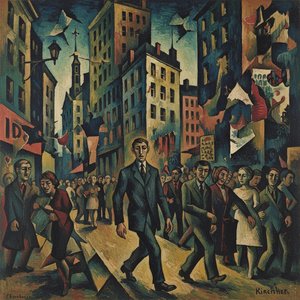
Ernst Ludwig Kirchner: Urbane Ängste und die Fragmentierung der Moderne
Entdecken Sie das Werk von Ernst Ludwig Kirchner und die revolutionäre Kunst des Expressionismus! Analysieren Sie urbane Ängste, die 'Brücke' und Kirchners einzigartigen Stil. Expertenwissen & tiefe Einblicke.

Saint George in Art: A Scholarly Exploration of Iconic Masterpieces and Eternal Legends
Delve into the profound legacy of Saint George through art history. Explore iconic masterpieces by Raphael and Dürer, decoding the iconography of the dragon legend. Discover scholarly insights and bring these timeless tales to life with our museum-quality, hand-painted oil reproductions.

Georges Braque: Die 25 Meisterwerke des Kubismus für Ihr Zuhause | OriginalUniqueArt
Entdecken Sie die 25 bedeutendsten Kunstwerke von Georges Braque – vom Kubismus bis zum Fauvismus. Erfahren Sie die Geschichten hinter den Meisterwerken und finden Sie hochwertige Reproduktionen für Ihr Zuhause auf OriginalUniqueArt.com.
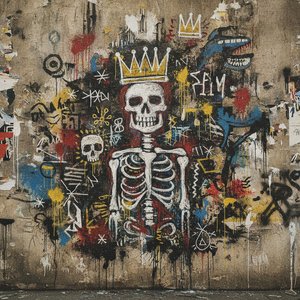
Basquiat and Raw Pop: The High-Energy Rebellion of Neo-Expressionism and the Legacy of Urban Street Art
Explore the raw energy of Jean-Michel Basquiat and the Neo-Expressionist movement. Discover how urban rebellion and SAMO© transformed 1980s New York art history through deep academic insight and visual analysis.


