() ·

Ein Gemälde, von Hand für Sie geschaffen

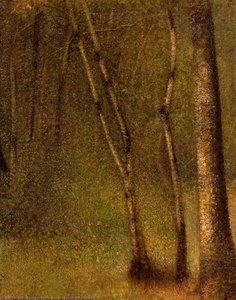
Die Ufer

Handgefertigte Ölreproduktion

Handgemaltes Ölgemälde auf Leinwand in Ihrer Wunschgröße und mit Rahmen, auf Bestellung von unseren Künstlern angefertigt. ( Zum Druck wechseln Zum digitalen Bild wechseln)

Beschreibung des Sammlerstücks

Entdecken Sie "Die Ufer" von Georges Seurat – ein Meisterwerk des Postimpressionismus. Impressionistisches Licht, präzise Pinselstriche und eine malerische Flusslandschaft im Hintergrund. Jetzt als hochwertige Reproduktion bei OriginalUniqueArt.

Künstlerbiografie

Erkunden Sie Georges Seurat (1859-1891), Pionier des Pointillismus und Neo-Impressionismus. Entdecken Sie 'A Sunday on La Grande Jatte' und seine revolutionäre Farbbtheorie, die das moderne Leben einfängt. Kaufen Sie handbemalte Reproduktionen!

ab ·

Kapitel 1

Welche Größe soll es haben?

Wischen Sie, um die Größe zu ändern; das Bild auf der linken Seite zeigt den Rahmen in seiner tatsächlichen Breite. Die Proportionen des Originals bleiben erhalten.

Standardformat
individuell anpassbar
CM
INCH

Wählen Sie aus unseren vordefinierten Formaten, die den ursprünglichen Proportionen des Kunstwerks entsprechen.

Breite
Höhe

Geben Sie die Breite und die Höhe an, die Sie für Ihren Rahmen oder Ihre Wand benötigen. Da dieses Werk handgemalt ist, kann der Künstler bei einer anderen Form etwas mehr um das Bild herum malen oder etwas abschneiden – Sie entscheiden. Wir senden Ihnen ein digitales Mockup zur Freigabe, bevor mit dem Malen begonnen wird. Das auf dieser Seite gezeigte Bild stellt nicht das tatsächliche Ergebnis dar – dies tut nur das Mockup.

Kapitel 2

Wie soll es geliefert werden?

Wählen Sie die Kanten der Leinwand aus

Wählen Sie Ihren Rahmen

Corner sample of the WhiteWrap canvas edge finish, stretched on Massivholz bars
Weißer Rand €1
Corner sample of the BlurSideWrap canvas edge finish, stretched on Massivholz bars
verlaufende Kanten €1
Corner sample of the ExtendedWrap canvas edge finish, stretched on Massivholz bars
Umrandung €1
Corner sample of the P118B picture frame: formgepresstes Polystyrol, 5 cm wide and 3 cm thick
P118B €10
Corner sample of the P118H picture frame: formgepresstes Polystyrol, 5 cm wide and 3 cm thick
P118H €10
Corner sample of the P118W picture frame: formgepresstes Polystyrol, 5 cm wide and 3 cm thick
P118W €10
Corner sample of the P438Z picture frame: formgepresstes Polystyrol, 5.5 cm wide and 3.5 cm thick
P438Z €10
Corner sample of the P508JH picture frame: formgepresstes Polystyrol, 7 cm wide and 3.5 cm thick
P508JH €12
Corner sample of the P508YH picture frame: formgepresstes Polystyrol, 7 cm wide and 3.5 cm thick
P508YH €12
Corner sample of the P805H picture frame: formgepresstes Polystyrol, 5 cm wide and 3.5 cm thick
P805H €10
Corner sample of the P805Z picture frame: formgepresstes Polystyrol, 5 cm wide and 3.5 cm thick
P805Z €10
Corner sample of the P919BZ picture frame: formgepresstes Polystyrol, 7 cm wide and 3.5 cm thick
P919BZ €10
Corner sample of the P919G picture frame: formgepresstes Polystyrol, 7 cm wide and 3.5 cm thick
P919G €10
Corner sample of the P919XJ picture frame: formgepresstes Polystyrol, 7 cm wide and 3.5 cm thick
P919XJ €10
Corner sample of the P959ZH picture frame: formgepresstes Polystyrol, 5 cm wide and 3 cm thick
P959ZH €10
Corner sample of the P968JZ picture frame: formgepresstes Polystyrol, 6 cm wide and 4 cm thick
P968JZ €12
Corner sample of the W106C picture frame: Massivholz, 5 cm wide and 3 cm thick
W106C €8
Corner sample of the W218G picture frame: Massivholz, 5 cm wide and 3 cm thick
W218G €10
Corner sample of the W218JH picture frame: Massivholz, 5 cm wide and 3 cm thick
W218JH €8
Corner sample of the W218Y picture frame: Massivholz, 5 cm wide and 3 cm thick
W218Y €10
Corner sample of the W307PJ picture frame: Massivholz, 6 cm wide and 3 cm thick
W307PJ €10
Corner sample of the W316G picture frame: Massivholz, 6 cm wide and 3 cm thick
W316G €10
Corner sample of the W316PJ picture frame: Massivholz, 6 cm wide and 3 cm thick
W316PJ €8
Corner sample of the W316Y picture frame: Massivholz, 6 cm wide and 3 cm thick
W316Y €10
Corner sample of the W398PJ picture frame: Massivholz, 5 cm wide and 3 cm thick
W398PJ €8
Corner sample of the W4111J picture frame: Massivholz, 6.5 cm wide and 3.5 cm thick
W4111J €10
Corner sample of the W500HY picture frame: Massivholz, 7 cm wide and 5 cm thick
W500HY €15
Corner sample of the W500JH picture frame: Massivholz, 7 cm wide and 5 cm thick
W500JH €15
Corner sample of the W692G picture frame: Massivholz, 8 cm wide and 4 cm thick
W692G €12
Corner sample of the W849H picture frame: Massivholz, 5 cm wide and 3 cm thick
W849H €8
Corner sample of the W940BG picture frame: Massivholz, 7.5 cm wide and 4.5 cm thick
W940BG €15
Corner sample of the W953PJ picture frame: Massivholz, 6 cm wide and 3.5 cm thick
W953PJ €8
Corner sample of the H24-GOLD picture frame: geschnitztes Holz mit Gesso, 10 cm wide and 6 cm thick
H24-GOLD €30
Corner sample of the H24-SILVER picture frame: geschnitztes Holz mit Gesso, 10 cm wide and 6 cm thick
H24-SILVER €30
Corner sample of the H36-GOLD picture frame: geschnitztes Holz mit Gesso, 15 cm wide and 6.5 cm thick
H36-GOLD €45
Corner sample of the H36-SILVER picture frame: geschnitztes Holz mit Gesso, 15 cm wide and 6.5 cm thick
H36-SILVER €45

Profil: . Gesamtgröße mit Rahmen: .

Kapitel 3

Wer malt es, und sollte etwas geändert werden?

Beispiele für Anpassungsmöglichkeiten: Gesicht durch Kundenfoto ersetzen; Haustier hinzufügen (z. B. Katze durch Hund ersetzen); Versteckte Botschaft im Hintergrund einfügen; Hintergrundlandschaft oder Elemente ändern.
Nach der Bestellung wird das Team von OriginalUniqueArt.com den Kunden per E-Mail kontaktieren, um Anweisungen einzuholen und eine Vorschau des Entwurfs bereitzustellen

Weltweiter Versand () in nur 3 bis 4 Wochen statt der üblichen 5 Wochen. (6 November). Keine Kompromisse bei der Qualität.

Kapitel 4

Der letzte Schliff

Ein Namensschild, wie im Museum?

Details der gravierten Bronzetafel

This elegant plaque features the artist's name and the title of the artwork, finely engraved for a timeless presentation.

It is made from bronze with a refined, elegant finish. The text is precisely laser-engraved for a sharp and permanent result. Measuring 9x2 cm, the plaque is compact yet easy to read. It's built to be durable and scratch-resistant, offering a professional, museum-quality look. Mounting is simple thanks to the included adhesive backing.

Details zur Acrylglas-Plakette (transparent)

The plaque includes essential engraved details such as the artist's name, the title of the artwork, the date it was created, the type of media used-like oil on canvas or watercolor-a brief description of the piece, and a QR code that links to the complete artwork information.

It is crafted from clear acrylic, offering a sleek, modern appearance. The text is UV-engraved in black to ensure strong visual contrast. With a size of 10x15 cm, it ensures optimal readability. It comes equipped with two metal hooks for secure wall mounting. The plaque is designed to be weather-resistant, making it suitable for various environments, and it includes interactive features that work seamlessly with smartphone scanning.

Details zur schwarzen Acryltafel

This elegant plaque includes engraved information such as the artist's name, the title of the artwork, the date it was created, the type of media used (like oil on canvas or watercolor), a short description of the artwork, and a QR code for quick access to more information.

The plaque itself is made from refined black acrylic with a premium finish. The text is laser-engraved in white for high contrast and readability. Its size is 10x15 cm, designed to be easy to read. It comes with two metal hooks for professional mounting. The design is sleek and fits any interior style. It is also weather-resistant and durable, with built-in digital integration for mobile compatibility.

Ein Schutzlack?

Bis wann benötigen Sie es?

Kapitel 5

Ihr Gemälde, wie von Ihnen bestellt

Die Ufer

Art der Reproduktion

Format der Reproduktion

-

Erstklassige Meisterkünstler

Mehr Detailtiefe, Raffinesse und zusätzliche Produktionszeit

-

Rahmen für Reproduktionen

-

-

Bei Kunstwerken oder Reproduktionen, die an einer Seite größer als 105 cm (ca. 41 Zoll) sind, wird der Rahmen zerlegt als Bausatz geliefert. Diese Methode gewährleistet eine sichere Zustellung und verhindert Schäden während des Transports.

Professionelle Montage erforderlich – dies ist kein DIY-Produkt.
Der Bausatz muss von einem erfahrenen professionellen Rahmenmacher zusammengebaut und die Leinwand gespannt werden. Hierfür werden Holzleim (nicht im Lieferumfang enthalten), eine Leinwandspannzange sowie Klemmen benötigt, um die Keilleisten während des Trocknungsvorgangs rechtwinklig zu halten. Eine unsachgemäße Montage oder eine ungleichmäßige Spannung der Leinwand kann das Kunstwerk dauerhaft beschädigen und ist nicht durch unsere Garantie abgedeckt.

  • Alle Vollholzkomponenten sind enthalten, präzise auf Maß zugeschnitten.

  • Der Zusammenbau erfolgt mit den mitgelieferten Schrauben sowie Holzkleber für die Eckverbindungen, der nicht im Lieferumfang enthalten ist und vom Rahmenbauer selbst beschafft werden muss.

  • Professionelles Werkzeug ist erforderlich und nicht im Lieferumfang enthalten: eine Keilrahmenzange (Spannwerkzeug) sowie Klammern, um die Leisten während der Trocknungszeit des Klebers rechtwinklig zu fixieren.

Wichtiger Hinweis:
Für die Eckverbindungen wird Holzleim benötigt, die Leisten müssen mit Zwingen fixiert werden, bis der Leim vollständig getrocknet ist, und das Spannen der Leinwand auf dem fertigen Rahmen erfordert eine Keilrahmen-Zange. Keines dieser Utensilien ist im Set enthalten. Bitte stellen Sie sicher, dass ein erfahrener Rahmenmacher zur Verfügung steht, bevor Sie diese Größe bestellen.

Beschriftung

-

-

Schutzlackierung

Glanzlack (verstärkt die Farben, schützt vor Licht und Feuchtigkeit)

-

Mein Kunstwerk personalisieren

Beispiele für Anpassungsmöglichkeiten: Gesicht durch Kundenfoto ersetzen; Haustier hinzufügen (z. B. Katze durch Hund ersetzen); Versteckte Nachricht im Hintergrund einfügen; Hintergrundlandschaft oder -elemente ändern.

-

Eilt sehr

Weltweiter Versand () in nur 3 bis 4 Wochen statt der üblichen 5 Wochen. (6 November). Keine Kompromisse bei der Qualität.

-

Expressversand

Weltweiter Versand () innerhalb von 5 Wochen. (13 November).

Inklusive Versand

Endpreis

€ 268

Gesamtpreis € 268

Die Glasoption ist nur für Größen unter 110 cm verfügbar.

In jeder Bestellung enthalten

  • Kostenloser weltweiter Expressversand
  • Hochwertige Leinenleinwand
  • Umfassender Versicherungsschutz beim Versand
  • Zollgebühren-Rückerstattungsgarantie
  • Garantie für exakte Farbtreue
  • 100 Tage Rückgaberecht (nur bei Mängeln)
  • 100% Geld-zurück-Garantie
  • Mengenrabatt verfügbar

Georges Seurat’s “The Riverbanks”: A Symphony of Light and Precision

“The Riverbanks,” painted in 1883 by Georges Seurat, is more than just a depiction of a riverside scene; it's a meticulously constructed meditation on perception, color theory, and the very nature of seeing. This captivating work, currently residing at the Glasgow Art Gallery and Museum, offers a profound glimpse into the mind of a revolutionary artist – a pioneer who dared to challenge the conventions of his time with an almost scientific approach to painting.

Seurat’s artistic journey began within a comfortable Parisian milieu, shaped by a family that valued both education and financial stability. His father, a former legal official, provided him with opportunities to pursue his burgeoning passion for art. This early foundation, combined with a keen intellect and an insatiable curiosity, proved instrumental in shaping Seurat's unique artistic vision. It was this intellectual drive that ultimately led him to develop Pointillism – a technique he believed would unlock the secrets of color and light. Rather than blending colors directly on the canvas, Seurat employed thousands of tiny, distinct dots of pure pigment, allowing the viewer’s eye to optically mix them together.

The Language of Color: Pointillism in Action

“The Riverbanks” exemplifies this revolutionary technique with breathtaking precision. The scene unfolds along a tranquil riverbank, dominated by a hazy cityscape visible in the distance. Seurat doesn't simply paint the trees; he constructs them from an almost infinite array of tiny, vibrant dots – emerald greens, ochre yellows, and subtle blues that shimmer and dance in the light. Similarly, the water is rendered through a mosaic of turquoise, sapphire, and cerulean hues, creating an illusion of depth and movement. The artist’s meticulous attention to detail isn't merely decorative; it’s fundamentally about capturing the way our eyes perceive color and light – a core principle of Seurat’s scientific approach.

  • Color Theory: Seurat meticulously studied the work of Eugène Chevreul, a chemist who investigated how colors interact when placed next to each other.
  • Optical Mixing: The dots are arranged in such a way that they stimulate the eye’s natural ability to blend them, creating an effect far more vibrant and luminous than traditional brushstrokes could achieve.
  • Scientific Observation: Seurat conducted experiments with color and light, documenting his findings in detailed notebooks – evidence of his unwavering commitment to understanding the scientific basis of art.

A Scene Steeped in Symbolism and Atmosphere

Beyond its technical brilliance, “The Riverbanks” is rich in symbolic meaning. The river itself represents the flow of time and life, while the distant cityscape hints at the burgeoning modernity of Paris. The two birds soaring above the water evoke a sense of freedom and aspiration. Notice also the subtle use of atmospheric perspective – the way colors become paler and less distinct as they recede into the distance – creating a convincing illusion of depth and space. The overall mood is one of serene contemplation, inviting the viewer to lose themselves in the beauty of the natural world.

Emotional Resonance and Lasting Legacy

Despite his tragically short life, Georges Seurat left an indelible mark on the history of art. “The Riverbanks” stands as a testament to his genius – a painting that transcends mere representation and becomes a profound exploration of perception, color, and light. Its luminous quality and meticulous detail continue to captivate viewers today, reminding us of the power of art to both illuminate our understanding of the world and evoke a deep emotional response. A reproduction of this remarkable work offers a unique opportunity to bring this masterpiece into your home, allowing you to appreciate its beauty and complexity on a daily basis.

Fragen & Antworten

Ist die Abbildung von "Die Ufer" von Georges Pierre Seurat gemeinfrei?

Was das Urheberrecht betrifft, so ist "Die Ufer" gemeinfrei – das Urheberrecht ist abgelaufen.

Kann ich eine Röntgenaufnahme von "Die Ufer" von Georges Pierre Seurat sehen?

Die Röntgenblick-Seite von "Die Ufer" von Georges Pierre Seurat ist ein interaktiver Viewer, der es Ihnen ermöglicht, durch elf optische Schichten des Kunstwerks zu gleiten, einschließlich einer Ansicht im Röntgenstil.

Wo kann man handgemalte Reproduktionen von "Die Ufer" von Georges Pierre Seurat kaufen?

Eine handgemalte Reproduktion von "Die Ufer" von Georges Pierre Seurat können Sie direkt auf der entsprechenden Handgemalte Ölreproduktion-Seite bestellen: eine handgemalte Ölreproduktion auf Leinenleinwand, auf Bestellung angefertigt.

Mehr über dieses Gemälde

Vorschau anzeigen In AR ansehen Zum Druck wechseln Zum digitalen Bild wechseln Versenden
Details anzeigen Leitfaden Zu Favoriten hinzufügen Herunterladen Ähnliche Objekte Röntgenaufnahme Diashow Fragen & Antworten Statistiken

In Zahlen

  • 1883das Jahr der Entstehung
  • 29Rahmen zur Auswahl
  • Standardformate, in ihren eigenen Proportionen
  • 5Wochen für die Bemalung und Lieferung
Georges Pierre Seurat

Georges Pierre Seurat

1859 - 1891, Frankreich

Kurzinfos zu Georges Pierre Seurat

  • Beeinflusste Künstler:
    • Fauvismus
    • Kubismus
  • Bemerkenswerte Werke:
    • Ein Sonntagnachmittag...
    • Bäufer in Asnières
    • Der Eiffelturm
  • Einflüsse:
    • Michel Eugène Chevreul
    • Ogden Rood
  • Geburtsdatum: 2. Dezember 1859
  • Geburtsort: Paris, Frankreich
  • Künstlerische Bewegung: Neo-Impressionismus
  • Nationalität: Französisch
  • Sterbedatum: 1891
  • Vollständiger Name: Georges Pierre Seurat

Künstlerbiografie

Georges Seurat: Ein Pionier des Neoimpressionismus

Frühes Leben und Ausbildung

  • Geboren: 2. Dezember 1859 in Paris, Frankreich.
  • Seurats Familie zog kurz nach seiner Geburt auf den Boulevard de Magenta um.
  • Sein Vater, Antoine Chrysostome Seurat, war ein ehemaliger Jurist, der durch Immobilienhandel reich wurde.
  • Er begann seine künstlerische Ausbildung an der École Municipale de Sculpture et Dessin, in der Nähe seines Zuhauses, unter dem Bildhauer Justin Lequien.
  • Im Jahr 1878 meldete er sich an der renommierten École des Beaux-Arts an und studierte bei Henri Lehmann.

Künstlerische Entwicklung und Einflüsse

  • Seurats künstlerliche Persönlichkeit war eine einzigartige Mischung aus Sensibilität und logischer Abstraktion. Er verband zarte Empfindsamkeit mit mathematischer Präzision.
  • Einflüsse: Obwohl spezifische Einflüsse diskutiert werden, studierte er die Farbbtheorien von Wissenschaftlern wie Michel Eugène Chevreul und Ogden Rood.
  • Er experimentierte zunächst mit traditionellen Zeichentechniken, bevor er seinen charakteristischen Stil entwickelte.
  • Seine frühen Werke zeigen ein Interesse an akademischer Malerei, ging aber allmählich zu einem innovativeren Ansatz über.

Chromoluminarismus und Pointillismus

  • Seurat entwickelte die Techniken des Chromoluminarismus (die Wissenschaft der Farbe) und des Pointillismus, indem er kleine, deutliche Punkte reiner Farbe auf eine Leinwand auftrug.
  • Er verwendete Conté-Kreide für detaillierte Zeichnungen auf rauer Papiersubstanz als Teil seines Prozesses.
  • Ziel des Pointillismus: Die Idee war, dass das Auge des Betrachters diese Farben optisch miteinander mischen und so einen lebendigen und leuchtenden Effekt erzeugt.

Wichtige Leistungen und bemerkenswerte Werke

  • Ein Sonntagnachmittag auf der Île de la Grande Jatte (1884-1886): Sein berühmtestes Werk, das den Beginn des Neoimpressionismus markiert. Es veranschaulicht seine Pointillist-Technik und seinen methodischen Ansatz.
  • Alfalfa, Saint-Denis (1886-1887): Demonstriert seine Anwendung der Farbbtheorie auf eine ländliche Landschaft.
  • Landschaft bei Saint-Ouen (1882-1883): Ein frühes Beispiel, das seinen sich entwickelnden Stil und sein Interesse an Licht und Atmosphäre zeigt.
  • Der Eiffelturm (1889): Eine Darstellung des ikonischen Pariser Wahrzeichens, dargestellt mit Pointillist-Techniken.
  • Bäderer in Asnières (1884): Ein weiteres bedeutendes Werk, das Freizeit und modernen Lebensstil mit seinem unverwechselbaren Stil erforscht.

Historische Bedeutung und Vermächtnis

  • Seureats Werk beeinflusste die Entwicklung der modernen Kunst nachhaltig, insbesondere durch seinen Schwerpunkt auf subjektivem Ausdruck und die Erforschung neuer Techniken.
  • Legte den Grundstein: Er legte den Grundstein für Bewegungen wie Fauvismus, Kubismus und Expressionismus.
  • Sein wissenschaftlicher Ansatz in der Malerei stellte traditionelle künstlerische Konventionen in Frage.
  • Trotz seines kurzen Lebens (er starb im Alter von 31 Jahren) hinterließ Seurat einen unauslöschlichen Eindruck in der Kunstgeschichte und inspirierte Generationen von Künstlern mit seiner innovativen Vision.

Eckdaten

  • Jahr: 1883
  • Künstler: Georges Seurat
  • Künstlerischer Stil: Punktierstil
  • Einflüsse: Impressionismus
  • Medium: Öl auf Leinwand

Kunst-Quiz

Jede Frage hat nur eine richtige Antwort.

Frage 1:
Welcher künstlerische Stil ist am wahrscheinlichsten mit dem Gemälde "The Riverbanks" von Georges Seurat verbunden?
Frage 2:
In welchem Jahr wurde "The Riverbanks" von Georges Seurat vermutlich gemalt?
Frage 3:
Welche der folgenden Aussagen beschreibt am besten die Bedeutung von Seurats Pointillismus?
Frage 4:
Wo wird "The Riverbanks" derzeit ausgestellt?
Frage 5:
Welche Rolle spielte Georges Seurats Familie in seiner künstlerischen Entwicklung?