Vorschau anzeigen
 Versenden
 Teilen
 Details anzeigen

 Herunterladen
 Ähnliche Objekte
 Röntgenaufnahme
 Diashow
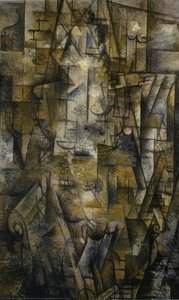
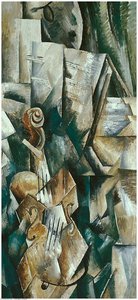
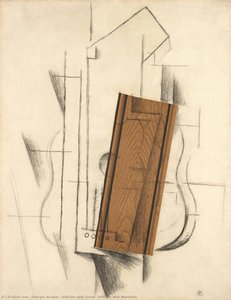
Violin and Clarinet on a Table
 Oil On Canvas
- WallArt
- Cubist Analytical
 1912
1912- Modern
 55.0 x 43.0 cm
 Weiterlesen
Handgefertigte Ölreproduktion
Handgemaltes Ölgemälde auf Leinwand in Ihrer Wunschgröße und mit Rahmen, auf Bestellung von unseren Künstlern angefertigt. ( Zum Druck wechseln Zum Bild wechseln)




P118B $10

P118H $10

P118W $10

P438Z $10

P508JH $12

P508YH $12

P805H $10

P805Z $10

P919BZ $10

P919G $10

P919XJ $10

P959ZH $10

P968JZ $12

W106C $8

W218G $10

W218JH $8

W218Y $10

W307PJ $10

W316G $10

W316PJ $8

W316Y $10

W398PJ $8

W4111J $10

W500HY $15

W500JH $15

W692G $12

W849H $8

W940BG $15

W953PJ $8




Wählen Sie aus unseren vordefinierten Formaten, die den ursprünglichen Proportionen des Kunstwerks entsprechen.

Sie können Ihre eigenen Maße eingeben, um einen bestimmten Rahmen oder Platz auszufüllen. Wenn die gewählte Größe nicht den Proportionen des Originalbildes entspricht, werden wir das Kunstwerk entweder beschneiden oder das Gemälde durch zusätzliche, handgemalte Elemente erweitern. Ein digitales Mockup wird Ihnen zur Genehmigung zugesandt, bevor die Produktion beginnt.
Bitte beachten Sie, dass die Bildschirmvorschau nicht die tatsächliche Beschneidung oder Erweiterung widerspiegelt. Nur das Mockup zeigt die endgültige Komposition exakt an.
Obwohl Sondermaße verfügbar sind, empfehlen wir, eine Größe aus der vordefinierten Liste zu wählen, um die ursprünglichen Proportionen beizubehalten.
Nach der Bestellung wird das OriginalUniqueArt.com-Team dem Kunden Anweisungen per E-Mail zusenden und eine Mockup-Vorschau bereitstellen.
Weltweiter Versand () in nur 3 bis 4 Wochen statt der üblichen 5 Wochen. (11 August). Keine Kompromisse bei der Qualität.

Kostenloser weltweiter Expressversand

Hochwertige Leinenleinwand

Umfassender Versicherungsschutz beim Versand

Zollgebühren-Rückerstattungsgarantie

Garantie für exakte Farbtreue

60 Tage Rückgaberecht (nur bei Mängeln)

100% Geld-zurück-Garantie

Mengenrabatt verfügbar
 Die Glasoption ist nur für Größen unter 110 cm verfügbar.

Violin and Clarinet on a Table
Art der Reproduktion
Format der Reproduktion
-


Gesamtpreis
$ 300
Beschreibung des Kunstwerks
Georges Braque's Intimate Portrait of Musicality
This meticulously rendered black and white artwork, "Violin and Clarinet on a Table," offers a captivating glimpse into the world of early 20th-century artistic experimentation through the lens of Georges Braque. Executed in 1912, during a pivotal period in his career – a time when he was actively dismantling traditional representation to pave the way for Cubism – the painting transcends a simple still life; it’s a carefully constructed meditation on form, space, and human presence.
- Subject Matter: The scene is dominated by the instruments themselves – a violin and clarinet – positioned with deliberate attention to their geometric shapes. Their placement isn't accidental; Braque was intensely interested in exploring how objects could be depicted from multiple viewpoints simultaneously, challenging the viewer’s perception of depth and reality.
- Composition: The inclusion of three figures adds another layer of complexity. These individuals aren't merely background elements but contribute to the overall sense of a shared moment, perhaps a musical gathering or an intimate conversation. Their presence subtly introduces a narrative element, inviting speculation about their relationship to the instruments and each other.
- Technical Execution: Braque’s masterful use of monochrome enhances the painting's starkness and emphasizes the formal qualities of the objects. The meticulous detail in rendering the textures of the wood, the metal, and the fabrics suggests a return to the craftsmanship he learned from his father, now applied with a radically new artistic vision.
A Window into Cubist Thought
“Violin and Clarinet on a Table” is inextricably linked to Braque’s development of Cubism. Around 1912, he was collaborating closely with Pablo Picasso, and their shared explorations led to the fragmentation of objects and the presentation of multiple perspectives within a single image. Notice how the violin and clarinet are broken down into geometric planes, anticipating the key characteristics of Cubist painting. This isn’t simply a depiction of instruments; it's an intellectual exercise in deconstructing and reconstructing visual reality.
- Influence of Paul Cézanne: Braque was deeply influenced by the work of Paul Cézanne, particularly his emphasis on geometric forms and his exploration of space through simplified shapes. Cézanne’s impact is evident in Braque's careful attention to structure and his use of overlapping planes.
- Departure from Impressionism: This painting represents a decisive break with the Impressionist movement, which focused on capturing fleeting moments of light and color. Braque sought instead to create a more enduring representation of objects through formal analysis and geometric abstraction.
Symbolic Resonance and Emotional Impact
Beyond its purely formal qualities, “Violin and Clarinet on a Table” possesses a subtle emotional resonance. The instruments themselves are traditionally associated with music, passion, and creativity – themes that were central to the artistic spirit of the early 20th century. The presence of the figures suggests a sense of contemplation, perhaps even melancholy, inviting viewers to reflect on the nature of art, beauty, and human experience.
- The Clocks: The inclusion of two clocks adds another layer of meaning, potentially symbolizing the passage of time or the fleeting nature of artistic inspiration.
- Mood & Atmosphere: The monochromatic palette contributes to a sense of quiet introspection and formality, creating an atmosphere that is both contemplative and slightly enigmatic.
A Valuable Reproduction – A Timeless Masterpiece
This hand-painted reproduction captures the essence of Braque’s groundbreaking work with exceptional fidelity. Executed on high-quality canvas using traditional techniques, this artwork offers a stunning addition to any art collection or interior space. Its timeless appeal and intellectual depth make it a compelling choice for discerning collectors and design enthusiasts alike. The dimensions of 55 x 43 cm offer versatility for display in various settings – from formal living rooms to contemporary studios.
Über den Künstler
**frühes Leben und Ausbildung**
Georges Braque, ein prominenter französischer Maler, Kollagist, Bleistrichzeichner, Grafiker und Bildhauer, wurde am 13. Mai 1882 in Argenteuil, Val-d'oise, geboren. Er wuchs in Le Havre auf und erhielt zunächst eine Ausbildung als Hausmaler und Dekorateur wie sein Vater und Großvater. Braques künstlerische Neigungen führten ihn jedoch dazu, von 1897 bis 1899 an der École des Beaux-Arts in Le Havre Malerei zu studieren.**Künstlerische Entwicklung und Fauvisme**
Im Jahr 1902, nachdem er seine Lehre bei einem Dekorateur in Paris abgeschlossen hatte, besuchte Braque bis 1904 die Académie Humbert. Dieser Zeitraum markierte seine Einführung ins Fauvismus, einen Stil, der durch lebendige Farben und emotionale Reaktionen gekennzeichnet ist. Beeinflusst von den Werken von Henri Matisse und André Derain, übernahm Braque einen fauvistischen Ansatz, wie in seinem Gemälde The Patience (Fauvismus, Öl auf Leinwand).**Beitrag zum Kubismus**
Braques Zusammenarbeit mit Pablo Picasso von 1908 bis 1912 führte zur Entwicklung des Kubismus. Ihre analytischen kubistischen Werke, wie z.B. Georges Braque: The Patience und Pablo Picasso: Clarinet(analytischer Kubismus, Öl auf Leinwand), gelten heute als Meilensteine der Kunstgeschichte.**Erbe und bemerkenswerte Werke**
* Houses at L'Estaques: Ein Zeugnis für Braques innovatives Einsatz von Geometrie und simultaner Perspektive. * The Patience(Fauvismus, Öl auf Leinwand): Demonstriert Braques fauvistischen Stil. * Clarinet(analytischer Kubismus, Öl auf Leinwand): Eine kollaborative kubistische Arbeit mit Picasso.**Museen und Sammlungen**
* Musée d'Orsay: Bietet eine umfangreiche Sammlung impressionistischer und postimpressionistischer Kunst, darunter Werke von Braque. * Musée de l'Orangerie: Zeigt eine breite Palette von Kunstwerken, darunter Werke von Braque und anderen bedeutenden Künstlern.- Erfahren Sie mehr über Georges Braques Leben und Werk auf OriginalUniqueArt.com
- Entdecken Sie die Sammlung des Musée d'Orsay, die Werke von Braque und anderen Künstlern umfasst, unter Musée d'Orsay - Wikipedia
- Erfahren Sie mehr über den Fauvismus und seinen Einfluss auf die Entwicklung des Kubismus mit Fauvismus Kunstbewegung auf OriginalUniqueArt.com
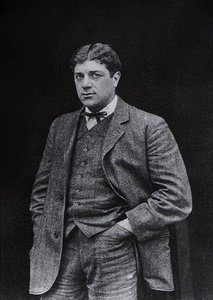
Georges Braque
1882 - 1963 , Frankreich
Kurzinfos
- Beeinflusste Künstler: ['Pablo Picasso']
- Bemerkenswerte Werke:
- Häuser in L'Estaque
- Die Geduld (Fauvismus)
- Stillleben mit Pfeife
- Mandola
- Einflussreiche Künstler:
- Henri Matisse
- André Derain
- Paul Cézanne
- Geburtsdatum: 13. Mai 1882
- Geburtsort: Argenteuil, Frankreich
- Künstlerischer Stil: Kubismus, Fauvismus
- Nationalität: Französisch
- Sterbedatum: 1963
- Vollständiger Name: Georges Braque
Ähnliche Artikel

Georges Braque: Die 25 Meisterwerke des Kubismus für Ihr Zuhause | OriginalUniqueArt
Entdecken Sie die 25 bedeutendsten Kunstwerke von Georges Braque – vom Kubismus bis zum Fauvismus. Erfahren Sie die Geschichten hinter den Meisterwerken und finden Sie hochwertige Reproduktionen für Ihr Zuhause auf OriginalUniqueArt.com.

Weiße Meisterwerke: Die Top 10 berühmtesten Gemälde und ihre zeitlose Eleganz
Entdecken Sie die Top 10 berühmter Gemälde, dominiert von Weiß! Von Malewitsch bis Rothko – erfahren Sie Geschichten hinter ikonischen Kunstwerke und lassen Sie sich für Ihre Wohnraumgestaltung inspirieren. Kunstreproduktionen in Museumsqualiät auf
Giclée Prints: Archival Quality & Aesthetic Nuances for the Discerning Collector
Explore the world of giclée prints with OriginalUniqueArt. Learn about archival quality, aesthetic nuances & investment potential. Expert guidance for discerning art collectors seeking museum-quality reproductions and lasting value.

Die Top 10 berühmter Gemälde im Reich der dunklen Töne |
Entdecken Sie die Top 10 berühmter Gemälde, beherrscht von dunklen Tönen! Von Caravaggio bis Manet – erfahren Sie die Geschichten hinter Meisterwerken der Kunstgeschichte. Finden Sie Ihre perfekte Reproduktion auf .

Monochrome Visions: Exploring the Aesthetic & Historical Significance of Black & White Photography
Explore the rich history & artistic power of black and white photography. From early techniques to iconic masters like Ansel Adams, discover why monochrome continues to captivate art lovers today. Expert insights for collectors.