- Startseite

- Auf Leinwand drucken
- Georges Braque
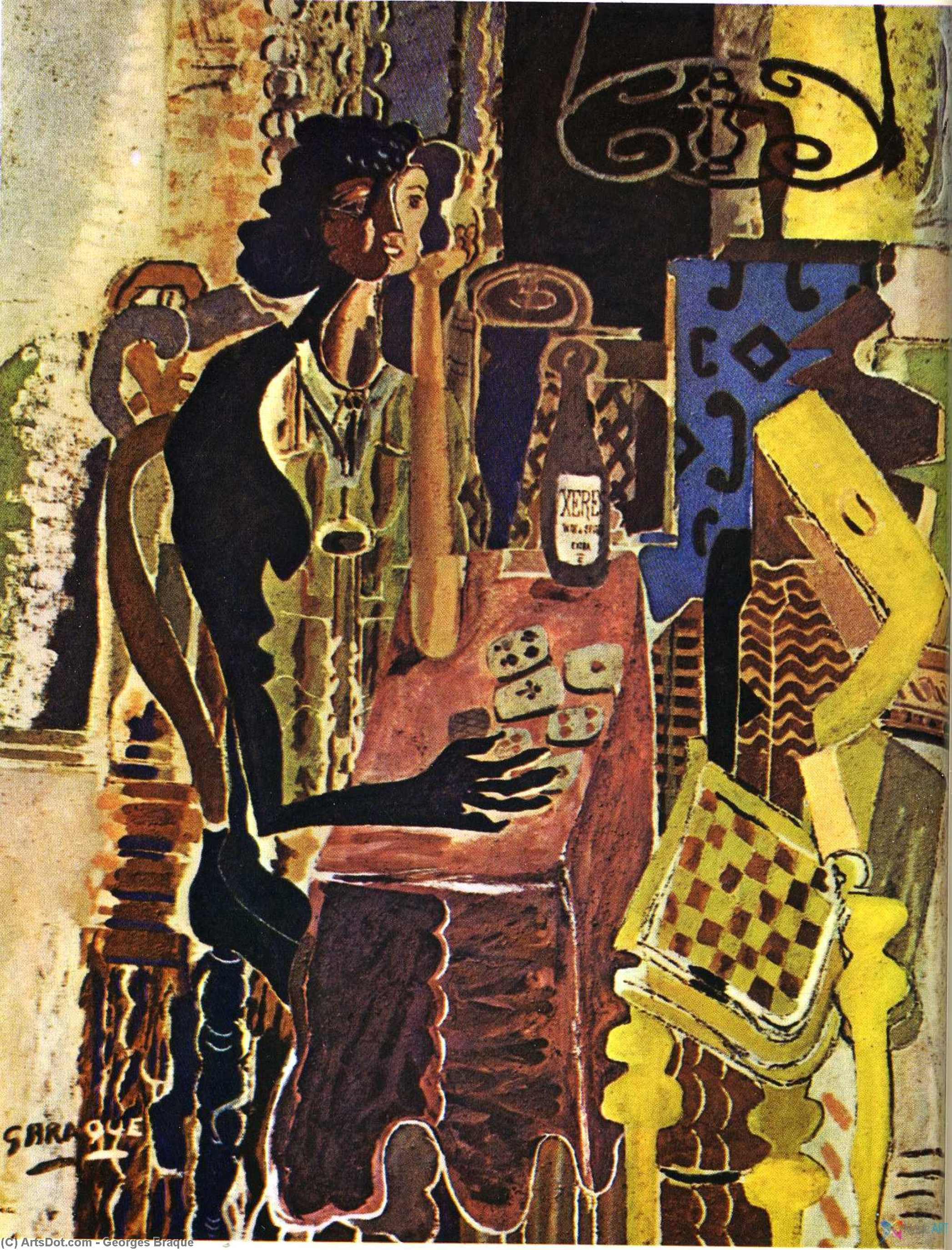
- The Patience
 Gemälde kaufen Bild kaufen
 Versenden
 Teilen
 Details anzeigen
 Zu Favoriten hinzufügen

 Herunterladen
 Ähnliche Objekte
 Röntgenaufnahme
 Diashow anzeigen
The Patience


 Weiterlesen
Giclée / Kunstdruck
Giclée- oder Leinwanddruck in Museumsqualität mit schneller Produktion und flexiblen Veredelungsoptionen.




P118B $10

P118H $10

P118W $10

P438Z $10

P508JH $12

P508YH $12

P805H $10

P805Z $10

P919BZ $10

P919G $10

P919XJ $10

P959ZH $10

P968JZ $12

W106C $8

W218G $10

W218JH $8

W218Y $10

W307PJ $10

W316G $10

W316PJ $8

W316Y $10

W398PJ $8

W4111J $10

W500HY $15

W500JH $15

W692G $12

W849H $8

W940BG $15

W953PJ $8




Wählen Sie aus unseren vordefinierten Größen, die den ursprünglichen Proportionen des Kunstwerks entsprechen.

Sie können Ihre eigenen Maße eingeben, um ein bestimmtes Format oder einen speziellen Platz einzupassen. Wenn das von Ihnen gewählte Format nicht den Proportionen des Originalbildes entspricht, werden wir das Kunstwerk entweder beschneiden oder das Bild mit einem gespiegelten oder einfarbigen Rand erweitern. Ein digitaler Entwurf wird Ihnen zur Genehmigung zugesandt, bevor die Produktion beginnt.
Bitte beachten Sie, dass die Vorschau auf dem Bildschirm nicht den tatsächlichen Zuschnitt oder die Erweiterung widerspiegelt. Nur der Entwurf zeigt die endgültige Komposition präzise an.
Obwohl Sondermaße verfügbar sind, empfehlen wir die Auswahl eines Maßes aus der vordefinierten Liste, um die ursprünglichen Proportionen zu bewahren.
Weltweiter Versand () innerhalb von 2 Wochen statt der üblichen 4/5 Wochen. (20 Juli)

Kostenloser weltweiter Expressversand

Hochwertige Leinenleinwand

Umfassender Versicherungsschutz beim Versand

Zollsteuer-Rückerstattungsgarantie

Garantie für echte Farbtreue

60-Tage-Rückgaberecht (nur bei Mängeln)

100% Geld-zurück-Garantie

Mengenrabatt verfügbar
 Die Glasoption ist nur in Größen unter 110 cm verfügbar.

The Patience
Giclée / Kunstdruck
Größe der Reproduktion
-


Endpreis aller Optionen
-
Beschreibung des Sammlerstücks
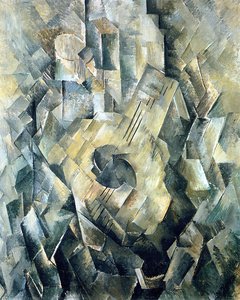
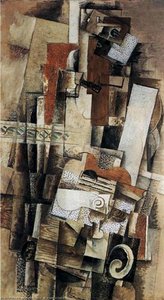
Georges Braque’s “The Patience”: A Meditation on Time and Form
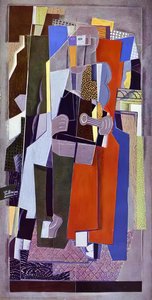
“The Patience,” painted in 1942 by Georges Braque during the tumultuous years of World War II, stands as a testament to the enduring influence of Cubism and Fauvism—movements that fundamentally reshaped the artistic landscape of the early 20th century. More than just a depiction of a woman seated at a table laden with objects, this artwork delves into profound philosophical questions about perception, stillness, and the elusive nature of time itself. Examining Braque’s approach reveals layers of intellectual and aesthetic consideration that continue to resonate with viewers today.The Cubist Vision: Fragmentation and Multiple Perspectives
Braque's artistic trajectory began in earnest alongside Pablo Picasso, forging a collaborative partnership that birthed the revolutionary Cubist style. Rejecting the conventions of Renaissance perspective—where objects appeared as single points of view—Cubism championed fractured forms and simultaneous representations. “The Patience” embodies this principle perfectly. The woman’s figure is rendered not as a unified whole but as a series of interlocking planes, mirroring the fragmented reality observed by the eye. Similarly, the table and surrounding objects are presented from multiple viewpoints simultaneously, creating an illusionistic depth that defies traditional spatial representation. This technique wasn't merely stylistic; it was a deliberate attempt to capture the complexities of experience—to convey how we perceive the world as multifaceted and constantly shifting.A Palette of Emotion: Fauvist Color Theory
While rooted in Cubist principles, “The Patience” also possesses a vibrant characteristic of Fauvism – an artistic movement that prioritized expressive color over naturalistic representation. Braque’s masterful use of hues—dominantly blues, yellows, and oranges—is far from arbitrary. Instead, these colors are deployed strategically to evoke specific moods and sensations. The intense shades contribute to the painting's overall atmosphere of quiet contemplation, mirroring the woman’s posture and suggesting a state of serene patience. Color theorists of the time recognized that hues could communicate emotions directly, bypassing intellectual comprehension; Braque skillfully harnessed this power to imbue his artwork with palpable feeling.Symbolic Resonance: Objects as Vessels of Meaning
Beyond its formal innovations, “The Patience” is rich in symbolic significance. The woman herself represents stillness and resilience—a quiet strength amidst the anxieties of wartime. The objects on the table – cups, a bottle, and a vase – are not merely decorative elements but serve as visual metaphors for sustenance, contemplation, and perhaps even memory. Crucially, the clock hanging above the table is arguably the painting’s most potent symbol. As Braque himself acknowledged, he was influenced by Surrealist ideas about the malleability of time—particularly Salvador Dali's “The Persistence of Memory,” where melting clocks depict a dreamlike distortion of temporal reality. This inclusion underscores Braque’s preoccupation with capturing not just what is seen but also what is felt – the psychological impact of confronting existential questions.A Legacy of Innovation: Influence and Inspiration
“The Patience” stands as an enduring monument to Braque's artistic genius and his contribution to modern art history. Its influence extends beyond its immediate stylistic precedents, informing subsequent generations of artists who sought to explore new ways of representing the world. By dismantling traditional conventions and embracing bold experimentation, Braque paved the way for groundbreaking developments in visual culture—a legacy that continues to inspire creativity and provoke contemplation today. A high-quality reproduction allows viewers to appreciate not only the painting’s exquisite craftsmanship but also its profound intellectual depth.Biografie des Künstlers
**frühes Leben und Ausbildung**
Georges Braque, ein prominenter französischer Maler, Kollagist, Bleistrichzeichner, Grafiker und Bildhauer, wurde am 13. Mai 1882 in Argenteuil, Val-d'oise, geboren. Er wuchs in Le Havre auf und erhielt zunächst eine Ausbildung als Hausmaler und Dekorateur wie sein Vater und Großvater. Braques künstlerische Neigungen führten ihn jedoch dazu, von 1897 bis 1899 an der École des Beaux-Arts in Le Havre Malerei zu studieren.**Künstlerische Entwicklung und Fauvisme**
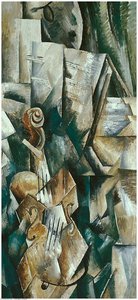
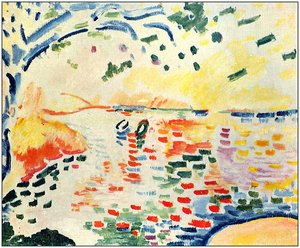
Im Jahr 1902, nachdem er seine Lehre bei einem Dekorateur in Paris abgeschlossen hatte, besuchte Braque bis 1904 die Académie Humbert. Dieser Zeitraum markierte seine Einführung ins Fauvismus, einen Stil, der durch lebendige Farben und emotionale Reaktionen gekennzeichnet ist. Beeinflusst von den Werken von Henri Matisse und André Derain, übernahm Braque einen fauvistischen Ansatz, wie in seinem Gemälde The Patience (Fauvismus, Öl auf Leinwand).**Beitrag zum Kubismus**
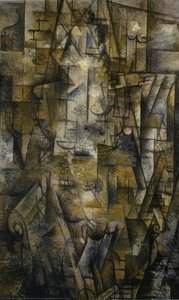
Braques Zusammenarbeit mit Pablo Picasso von 1908 bis 1912 führte zur Entwicklung des Kubismus. Ihre analytischen kubistischen Werke, wie z.B. Georges Braque: The Patience und Pablo Picasso: Clarinet(analytischer Kubismus, Öl auf Leinwand), gelten heute als Meilensteine der Kunstgeschichte.**Erbe und bemerkenswerte Werke**
* Houses at L'Estaques: Ein Zeugnis für Braques innovatives Einsatz von Geometrie und simultaner Perspektive. * The Patience(Fauvismus, Öl auf Leinwand): Demonstriert Braques fauvistischen Stil. * Clarinet(analytischer Kubismus, Öl auf Leinwand): Eine kollaborative kubistische Arbeit mit Picasso.**Museen und Sammlungen**
* Musée d'Orsay: Bietet eine umfangreiche Sammlung impressionistischer und postimpressionistischer Kunst, darunter Werke von Braque. * Musée de l'Orangerie: Zeigt eine breite Palette von Kunstwerken, darunter Werke von Braque und anderen bedeutenden Künstlern.- Erfahren Sie mehr über Georges Braques Leben und Werk auf OriginalUniqueArt.com
- Entdecken Sie die Sammlung des Musée d'Orsay, die Werke von Braque und anderen Künstlern umfasst, unter Musée d'Orsay - Wikipedia
- Erfahren Sie mehr über den Fauvismus und seinen Einfluss auf die Entwicklung des Kubismus mit Fauvismus Kunstbewegung auf OriginalUniqueArt.com
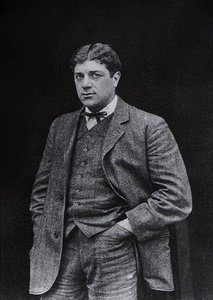
Georges Braque
1882 - 1963 , Frankreich
Kurzinfos
- Beeinflusste Künstler: ['Pablo Picasso']
- Bemerkenswerte Werke:
- Häuser in L'Estaque
- Die Geduld (Fauvismus)
- Stillleben mit Pfeife
- Mandola
- Einflussreiche Künstler:
- Henri Matisse
- André Derain
- Paul Cézanne
- Geburtsdatum: 13. Mai 1882
- Geburtsort: Argenteuil, Frankreich
- Künstlerischer Stil: Kubismus, Fauvismus
- Nationalität: Französisch
- Sterbedatum: 1963
- Vollständiger Name: Georges Braque
Ähnliche Artikel

Georges Braque: Die 25 Meisterwerke des Kubismus für Ihr Zuhause | OriginalUniqueArt
Entdecken Sie die 25 bedeutendsten Kunstwerke von Georges Braque – vom Kubismus bis zum Fauvismus. Erfahren Sie die Geschichten hinter den Meisterwerken und finden Sie hochwertige Reproduktionen für Ihr Zuhause auf OriginalUniqueArt.com.

Georges Seurat: Die 25 Meisterwerke des Pointillismus für Ihr Zuhause | OriginalUniqueArt
Entdecken Sie die 25 ikonischsten Meisterwerke von Georges Seurat! Tauchen Sie ein in die Welt des Pointillismus, der Farbtheorie und des Impressionismus. Hochwertige Kunst reproduzieren für Ihr Zuhause – jetzt auf OriginalUniqueArt.com!

Paul Cézanne: Die 25 Meisterwerke des Impressionismus | OriginalUniqueArt
Entdecken Sie die 25 Meisterwerke von Paul Cézanne! Tauchen Sie ein in die Welt des Impressionismus und Postimpressionismus. Erfahren Sie mehr über seine Stillleben, Landschaften & berühmten Gemälde – jetzt hochwertige Kunstdrucke auf OriginalUniqueArt.com.
Claude Monet: Die 25 Meisterwerke des Impressionismus für Ihr Zuhause | OriginalUniqueArt
Entdecken Sie die 25 Meisterwerke von Claude Monet! Tauchen Sie ein in die Welt des Impressionismus, erleben Sie Seerosen, Sonnenaufgänge & Kathedralen. Hochwertige Reproduktionen für Ihr Zuhause – exklusiv auf OriginalUniqueArt.com.
Graue Meisterwerke: Die 10 berühmtesten Gemälde im Farbton der Stille |
Entdecken Sie die 10 berühmtesten Gemälde, dominiert von grauen Tönen! Von Monet bis Hopper – erfahren Sie die Geschichten hinter den Meisterwerken und lassen Sie sich für Ihre Wohnideen inspirieren. Hochwertige Reproduktionen auf