

 In echtem Maßstab anzeigen
 Versenden als Grußkarte
 Teilen
 Details anzeigen
 Leitfaden öffnen

 Herunterladen
 Ähnliche Objekte
 Röntgenaufnahme
 Diashow
 Besucherstatistiken
Nude Woman Seated, back


 Mehr anzeigen
Giclée / Kunstdruck
Giclée- oder Leinwanddruck in Museumsqualität mit schneller Produktion und flexiblen Veredelungsoptionen. ( Handgemalte Reproduktion kaufen Zum digitalen Bild wechseln)




P118B $10

P118H $10

P118W $10

P438Z $10

P508JH $12

P508YH $12

P805H $10

P805Z $10

P919BZ $10

P919G $10

P919XJ $10

P959ZH $10

P968JZ $12

W106C $8

W218G $10

W218JH $8

W218Y $10

W307PJ $10

W316G $10

W316PJ $8

W316Y $10

W398PJ $8

W4111J $10

W500HY $15

W500JH $15

W692G $12

W849H $8

W940BG $15

W953PJ $8




Wählen Sie aus unseren vordefinierten Formaten, die den ursprünglichen Proportionen des Kunstwerks entsprechen.

Sie können Ihre eigenen Maße eingeben, um ein bestimmtes Format oder einen speziellen Platz einzupassen. Wenn das von Ihnen gewählte Format nicht den Proportionen des Originalbildes entspricht, werden wir das Kunstwerk entweder beschneiden oder das Bild mit einem gespiegelten oder einfarbigen Rand erweitern. Ein digitaler Entwurf wird Ihnen zur Genehmigung zugesandt, bevor die Produktion beginnt.
Bitte beachten Sie, dass die Vorschau auf dem Bildschirm nicht den tatsächlichen Zuschnitt oder die Erweiterung widerspiegelt. Nur der Entwurf zeigt die endgültige Komposition präzise an.
Obwohl Sondermaße verfügbar sind, empfehlen wir die Auswahl eines Maßes aus der vordefinierten Liste, um die ursprünglichen Proportionen zu bewahren.
Weltweiter Versand () innerhalb von 2 Wochen statt der üblichen 4/5 Wochen. (25 September)

Kostenloser weltweiter Expressversand

Hochwertige Leinenleinwand

Vollständiger Versicherungsschutz beim Versand

Zollgebühren-Rückerstattungsgarantie

Garantie für exakte Farbtreue

100-tägiges Rückgaberecht (nur bei Mängeln)

100% Geld-zurück-Garantie

Angebot für Mengenrabatt
 Die Glasoption ist nur für Größen unter 110 cm verfügbar.

Nude Woman Seated, back
Giclée / Kunstdruck
Format der Reproduktion
-


Gesamtpreis
$ 80
Georges Braque’s ‘Nude Woman Seated, Back’: A Study in Restrained Form
This captivating portrait by Georges Braque, tentatively dated around 1907, offers a profound meditation on stillness and contemplation. The image depicts a woman seated in a chair, her head bowed – an act that immediately invites the viewer to share in her private moment. While the precise date of creation remains unconfirmed, this work aligns with Braque’s pivotal role within the Fauvist movement and his subsequent explorations into Cubism, marking a crucial stage in the development of modern art.
- Subject & Composition: The central figure dominates the canvas, her posture conveying a sense of quiet introspection. The inclusion of two partially obscured figures – one on the left and another on the right – adds an intriguing layer of ambiguity. Are they companions? Observers? Their presence subtly complicates the narrative, suggesting themes of intimacy, observation, and perhaps even the elusive nature of perception itself.
- Fauvist Influences: The painting’s color palette, though muted compared to the vibrant hues often associated with Fauvism, retains a deliberate use of tone and shadow. Braque's careful manipulation of light and dark creates depth and volume within the figure, hinting at his early experimentation with flattening perspective – a hallmark of the movement.
Technique & Materiality: A Masterclass in Reduction
Braque’s technique is characterized by a remarkable restraint, a deliberate reduction of form to its essential elements. The brushwork is largely obscured, creating a smooth, almost polished surface that emphasizes the solidity of the woman's figure. This approach reflects Braque’s interest in challenging traditional notions of representation and exploring the underlying structure of objects. The use of oil paint allows for subtle gradations of tone, contributing to the painting’s overall sense of atmosphere.
- Color Palette: The subdued color palette – primarily browns, ochres, and grays – contributes significantly to the work's contemplative mood. These earthy tones evoke a sense of quiet dignity and timelessness.
- Surface Texture: The smooth surface achieved through careful layering and blending suggests Braque’s desire to move beyond mere imitation, aiming instead for an exploration of form and space.
Historical Context & Symbolic Resonance
Created during a period of intense artistic experimentation, ‘Nude Woman Seated, Back’ embodies the spirit of innovation that defined early 20th-century art. Braque's work directly influenced Pablo Picasso, with whom he collaborated closely in developing Cubism – a revolutionary approach to depicting reality that shattered conventional perspectives and paved the way for countless subsequent artistic movements. The seated pose itself is laden with symbolic weight; it represents vulnerability, contemplation, and perhaps even a surrender to the unknown.
- Cubist Precursors: While not fully realized as a Cubist work, this piece demonstrates Braque’s early investigations into fragmented forms and multiple viewpoints – key elements that would later become central to Picasso's groundbreaking explorations.
- The Figure as Subject: The depiction of the female nude was a recurring theme in Braque’s oeuvre, often serving as a vehicle for exploring broader philosophical and aesthetic concerns.
Emotional Impact & Artistic Value
‘Nude Woman Seated, Back’ possesses a quiet power that transcends its apparent simplicity. The painting's evocative atmosphere invites viewers to engage in their own interpretations, prompting reflection on themes of solitude, vulnerability, and the human condition. This work represents a significant moment in Georges Braque’s artistic development and stands as a testament to his pioneering spirit and profound influence on modern art. A hand-painted reproduction offers an unparalleled opportunity to experience the beauty and intellectual depth of this remarkable piece.
Biografie des Künstlers
**frühes Leben und Ausbildung**
Georges Braque, ein prominenter französischer Maler, Kollagist, Bleistrichzeichner, Grafiker und Bildhauer, wurde am 13. Mai 1882 in Argenteuil, Val-d'oise, geboren. Er wuchs in Le Havre auf und erhielt zunächst eine Ausbildung als Hausmaler und Dekorateur wie sein Vater und Großvater. Braques künstlerische Neigungen führten ihn jedoch dazu, von 1897 bis 1899 an der École des Beaux-Arts in Le Havre Malerei zu studieren.**Künstlerische Entwicklung und Fauvisme**
Im Jahr 1902, nachdem er seine Lehre bei einem Dekorateur in Paris abgeschlossen hatte, besuchte Braque bis 1904 die Académie Humbert. Dieser Zeitraum markierte seine Einführung ins Fauvismus, einen Stil, der durch lebendige Farben und emotionale Reaktionen gekennzeichnet ist. Beeinflusst von den Werken von Henri Matisse und André Derain, übernahm Braque einen fauvistischen Ansatz, wie in seinem Gemälde The Patience (Fauvismus, Öl auf Leinwand).**Beitrag zum Kubismus**
Braques Zusammenarbeit mit Pablo Picasso von 1908 bis 1912 führte zur Entwicklung des Kubismus. Ihre analytischen kubistischen Werke, wie z.B. Georges Braque: The Patience und Pablo Picasso: Clarinet(analytischer Kubismus, Öl auf Leinwand), gelten heute als Meilensteine der Kunstgeschichte.**Erbe und bemerkenswerte Werke**
* Houses at L'Estaques: Ein Zeugnis für Braques innovatives Einsatz von Geometrie und simultaner Perspektive. * The Patience(Fauvismus, Öl auf Leinwand): Demonstriert Braques fauvistischen Stil. * Clarinet(analytischer Kubismus, Öl auf Leinwand): Eine kollaborative kubistische Arbeit mit Picasso.**Museen und Sammlungen**
* Musée d'Orsay: Bietet eine umfangreiche Sammlung impressionistischer und postimpressionistischer Kunst, darunter Werke von Braque. * Musée de l'Orangerie: Zeigt eine breite Palette von Kunstwerken, darunter Werke von Braque und anderen bedeutenden Künstlern.- Erfahren Sie mehr über Georges Braques Leben und Werk auf OriginalUniqueArt.com
- Entdecken Sie die Sammlung des Musée d'Orsay, die Werke von Braque und anderen Künstlern umfasst, unter Musée d'Orsay - Wikipedia
- Erfahren Sie mehr über den Fauvismus und seinen Einfluss auf die Entwicklung des Kubismus mit Fauvismus Kunstbewegung auf OriginalUniqueArt.com
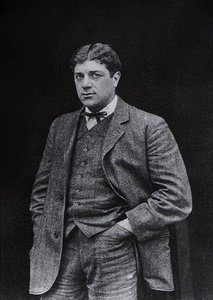
Georges Braque
1882 - 1963 , Frankreich
Eckdaten zum Künstler
- Beeinflusste Künstler: ['Pablo Picasso']
- Bemerkenswerte Werke:
- Häuser in L'Estaque
- Die Geduld (Fauvismus)
- Stillleben mit Pfeife
- Mandola
- Einflussreiche Künstler:
- Henri Matisse
- André Derain
- Paul Cézanne
- Geburtsdatum: 13. Mai 1882
- Geburtsort: Argenteuil, Frankreich
- Künstlerischer Stil: Kubismus, Fauvismus
- Nationalität: Französisch
- Sterbedatum: 1963
- Vollständiger Name: Georges Braque
Verwandte Artikel

OriginalUniqueArt.com F.A.Q.: Elevate Your Decor with Premium Textured Giclée Prints
Discover the distinction of OriginalUniqueArt.com premium textured Giclée prints. Expertly crafted with archival 12-color pigments and museum-grade substrates, our prints offer unparalleled vividness for the discerning collector seeking luxury, durability, and timeless elegance.


