

 Vorschau anzeigen
 Versenden
 Teilen
 Details anzeigen

 Herunterladen
 Ähnliche Objekte
 Röntgenaufnahme
 Diashow
Glasses and Bottle
 Acrylic On Canvas
- WallArt
- Analytical Cubism
 1912
1912- Modern
 73.0 x 54.0 cm
 Weiterlesen
Giclée / Kunstdruck
Giclée- oder Leinwanddruck in Museumsqualität mit schneller Produktion und flexiblen Veredelungsoptionen. ( Handgemalte Reproduktion bestellen Bild kaufen)




P118B $10

P118H $10

P118W $10

P438Z $10

P508JH $12

P508YH $12

P805H $10

P805Z $10

P919BZ $10

P919G $10

P919XJ $10

P959ZH $10

P968JZ $12

W106C $8

W218G $10

W218JH $8

W218Y $10

W307PJ $10

W316G $10

W316PJ $8

W316Y $10

W398PJ $8

W4111J $10

W500HY $15

W500JH $15

W692G $12

W849H $8

W940BG $15

W953PJ $8




Wählen Sie aus unseren vordefinierten Formaten, die den ursprünglichen Proportionen des Kunstwerks entsprechen.

Sie können Ihre eigenen Maße eingeben, um ein bestimmtes Format oder einen speziellen Platz einzupassen. Wenn das von Ihnen gewählte Format nicht den Proportionen des Originalbildes entspricht, werden wir das Kunstwerk entweder beschneiden oder das Bild mit einem gespiegelten oder einfarbigen Rand erweitern. Ein digitaler Entwurf wird Ihnen zur Genehmigung zugesandt, bevor die Produktion beginnt.
Bitte beachten Sie, dass die Vorschau auf dem Bildschirm nicht den tatsächlichen Zuschnitt oder die Erweiterung widerspiegelt. Nur der Entwurf zeigt die endgültige Komposition präzise an.
Obwohl Sondermaße verfügbar sind, empfehlen wir die Auswahl eines Maßes aus der vordefinierten Liste, um die ursprünglichen Proportionen zu bewahren.
Weltweiter Versand () innerhalb von 2 Wochen statt der üblichen 4/5 Wochen. (30 August)

Kostenloser weltweiter Expressversand

Hochwertige Leinenleinwand

Umfassender Versicherungsschutz beim Versand

Zollgebühren-Rückerstattungsgarantie

Garantie für exakte Farbtreue

60 Tage Rückgaberecht (nur bei Mängeln)

100% Geld-zurück-Garantie

Mengenrabatt verfügbar
 Die Glasoption ist nur für Größen unter 110 cm verfügbar.

Glasses and Bottle
Giclée / Kunstdruck
Format der Reproduktion
-


Gesamtpreis
$ 80
A Study in Deconstruction: Georges Braque’s *Glasses and Bottle* (1912)
Georges Braque's Glasses and Bottle, painted in 1912, is a deceptively simple yet profoundly complex work that embodies the very essence of Analytical Cubism. Measuring 73 x 54 cm, this painting isn’t merely a depiction of everyday objects – a collection of bottles and glasses – but rather an intensely intellectual exploration of form, space, and perception as understood by one of the pioneers of modern art. The scene unfolds with a deliberate fragmentation, mirroring the artist's desire to dismantle traditional representational techniques and reveal multiple viewpoints simultaneously.
- The Analytical Approach: Created during the height of Braque’s engagement with Cubism, this piece exemplifies the “Analytical” phase. Unlike its later, more synthetic counterpart, Glasses and Bottle doesn't introduce collage or blended forms. Instead, it relentlessly dissects the subject into a series of interlocking geometric planes.
- Technique: Braque’s masterful use of muted earth tones – browns, ochres, and grays – contributes to the painting’s somber and contemplative mood. The application of paint is precise and deliberate, characterized by short, broken brushstrokes that build up layers of color and texture. This meticulous technique allows for a remarkable degree of visual complexity within a relatively small format.
Historical Context: A Revolution in Representation
Painted in 1912, *Glasses and Bottle* emerged from a period of intense artistic experimentation following the Impressionist movement. Braque, along with Pablo Picasso, was instrumental in developing Cubism, a revolutionary approach that challenged the established conventions of Western art. The rise of industrialization and scientific advancements – particularly developments in optics and perspective – profoundly influenced artists' thinking about how we perceive the world. Braque’s work reflects this shift, rejecting single-point perspective and instead presenting multiple viewpoints within a single image, reflecting the fragmented experience of modern life.
- Influence of Paul Cézanne: Braque was deeply influenced by the work of Paul Cézanne, particularly Cézanne’s exploration of form and space through geometric simplification. Cézanne's emphasis on underlying structure informed Braque’s approach to depicting objects in terms of their essential shapes rather than their superficial appearance.
- The Parisian Art Scene: The painting was created within the vibrant artistic hub of Paris, a city teeming with innovative ideas and challenging established norms. Braque’s studio was part of a network of artists pushing boundaries and redefining what art could be.
Symbolism and Emotional Resonance
While seemingly straightforward in its subject matter, *Glasses and Bottle* possesses a subtle emotional depth. The arrangement of the bottles and glasses – their varying sizes, positions, and reflections – creates a sense of visual tension and unease. The repetition of these mundane objects elevates them to something almost ritualistic, inviting contemplation on themes of domesticity, consumption, and perhaps even the anxieties of modernity. The fragmented forms suggest a destabilization of traditional values and beliefs.
- Deconstruction as Metaphor: Some art historians interpret the painting’s deconstructed form as a metaphor for the breakdown of established social structures and artistic conventions.
- The Power of Still Life: Braque elevated the humble still life to an unprecedented level of intellectual and formal complexity, demonstrating its potential as a vehicle for profound artistic exploration.
A Timeless Masterpiece – A Perfect Addition to Your Collection
This hand-painted reproduction of Georges Braque’s *Glasses and Bottle* offers a unique opportunity to own a piece of art history. Its intricate detail, masterful technique, and profound intellectual content make it a captivating addition to any collection or interior space. Whether you are an avid collector of modern art, an admirer of Cubism, or simply seeking a statement piece that sparks conversation, this reproduction is sure to inspire.
Über den Künstler
**frühes Leben und Ausbildung**
Georges Braque, ein prominenter französischer Maler, Kollagist, Bleistrichzeichner, Grafiker und Bildhauer, wurde am 13. Mai 1882 in Argenteuil, Val-d'oise, geboren. Er wuchs in Le Havre auf und erhielt zunächst eine Ausbildung als Hausmaler und Dekorateur wie sein Vater und Großvater. Braques künstlerische Neigungen führten ihn jedoch dazu, von 1897 bis 1899 an der École des Beaux-Arts in Le Havre Malerei zu studieren.**Künstlerische Entwicklung und Fauvisme**
Im Jahr 1902, nachdem er seine Lehre bei einem Dekorateur in Paris abgeschlossen hatte, besuchte Braque bis 1904 die Académie Humbert. Dieser Zeitraum markierte seine Einführung ins Fauvismus, einen Stil, der durch lebendige Farben und emotionale Reaktionen gekennzeichnet ist. Beeinflusst von den Werken von Henri Matisse und André Derain, übernahm Braque einen fauvistischen Ansatz, wie in seinem Gemälde The Patience (Fauvismus, Öl auf Leinwand).**Beitrag zum Kubismus**
Braques Zusammenarbeit mit Pablo Picasso von 1908 bis 1912 führte zur Entwicklung des Kubismus. Ihre analytischen kubistischen Werke, wie z.B. Georges Braque: The Patience und Pablo Picasso: Clarinet(analytischer Kubismus, Öl auf Leinwand), gelten heute als Meilensteine der Kunstgeschichte.**Erbe und bemerkenswerte Werke**
* Houses at L'Estaques: Ein Zeugnis für Braques innovatives Einsatz von Geometrie und simultaner Perspektive. * The Patience(Fauvismus, Öl auf Leinwand): Demonstriert Braques fauvistischen Stil. * Clarinet(analytischer Kubismus, Öl auf Leinwand): Eine kollaborative kubistische Arbeit mit Picasso.**Museen und Sammlungen**
* Musée d'Orsay: Bietet eine umfangreiche Sammlung impressionistischer und postimpressionistischer Kunst, darunter Werke von Braque. * Musée de l'Orangerie: Zeigt eine breite Palette von Kunstwerken, darunter Werke von Braque und anderen bedeutenden Künstlern.- Erfahren Sie mehr über Georges Braques Leben und Werk auf OriginalUniqueArt.com
- Entdecken Sie die Sammlung des Musée d'Orsay, die Werke von Braque und anderen Künstlern umfasst, unter Musée d'Orsay - Wikipedia
- Erfahren Sie mehr über den Fauvismus und seinen Einfluss auf die Entwicklung des Kubismus mit Fauvismus Kunstbewegung auf OriginalUniqueArt.com
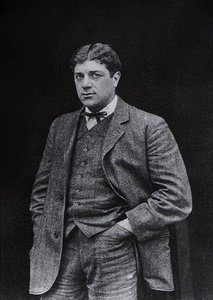
Georges Braque
1882 - 1963 , Frankreich
Kurzinfos
- Beeinflusste Künstler: ['Pablo Picasso']
- Bemerkenswerte Werke:
- Häuser in L'Estaque
- Die Geduld (Fauvismus)
- Stillleben mit Pfeife
- Mandola
- Einflussreiche Künstler:
- Henri Matisse
- André Derain
- Paul Cézanne
- Geburtsdatum: 13. Mai 1882
- Geburtsort: Argenteuil, Frankreich
- Künstlerischer Stil: Kubismus, Fauvismus
- Nationalität: Französisch
- Sterbedatum: 1963
- Vollständiger Name: Georges Braque
Ähnliche Artikel

Georges Braque: Die 25 Meisterwerke des Kubismus für Ihr Zuhause | OriginalUniqueArt
Entdecken Sie die 25 bedeutendsten Kunstwerke von Georges Braque – vom Kubismus bis zum Fauvismus. Erfahren Sie die Geschichten hinter den Meisterwerken und finden Sie hochwertige Reproduktionen für Ihr Zuhause auf OriginalUniqueArt.com.

Echoes of Time: Exploring the Enduring Appeal & Historical Context of Vintage Art Prints
Explore the captivating world of vintage art prints! Discover their history, collecting tips & enduring appeal. Expert insights on chromolithography and building a legacy collection with OriginalUniqueArt.

Cubism Unveiled: How Picasso and Braque Redefined Modern Art through Geometric Revolution
Explore the revolutionary world of Cubism. Discover how Pablo Picasso and Georges Braque dismantled perspective to redefine modern art through geometric innovation and analytical mastery. An essential guide for art students, collectors, and history enthusiasts.
Cubism Unveiled: How Picasso and Braque Redefined Reality Through Geometric Abstraction
Explore the revolutionary world of Cubism. Discover how masters Pablo Picasso and Georges Braque dismantled reality through geometric abstraction to redefine modern art history.
Cubism Explained: How Picasso and Braque Shattered Reality to Redefine Modern Art
Master the complexities of Cubism with our expert guide. Explore how Picasso and Braque revolutionized modern art through fragmentation, multiple perspectives, and geometric innovation. Perfect for art students and collectors seeking deep historical insight.



