

 Vorschau anzeigen
 Versenden
 Teilen
 Details anzeigen

 Herunterladen
 Ähnliche Objekte
 Röntgenaufnahme
 Diashow
Frau am Spiegel


 Weiterlesen
Handgefertigte Ölreproduktion
Handgemaltes Ölgemälde auf Leinwand in Ihrer Wunschgröße und mit Rahmen, auf Bestellung von unseren Künstlern angefertigt. ( Druck bestellen Bild kaufen)




P118B $10

P118H $10

P118W $10

P438Z $10

P508JH $12

P508YH $12

P805H $10

P805Z $10

P919BZ $10

P919G $10

P919XJ $10

P959ZH $10

P968JZ $12

W106C $8

W218G $10

W218JH $8

W218Y $10

W307PJ $10

W316G $10

W316PJ $8

W316Y $10

W398PJ $8

W4111J $10

W500HY $15

W500JH $15

W692G $12

W849H $8

W940BG $15

W953PJ $8




Wählen Sie aus unseren vordefinierten Formaten, die den ursprünglichen Proportionen des Kunstwerks entsprechen.

Sie können Ihre eigenen Maße eingeben, um einen bestimmten Rahmen oder Platz auszufüllen. Wenn die gewählte Größe nicht den Proportionen des Originalbildes entspricht, werden wir das Kunstwerk entweder beschneiden oder das Gemälde durch zusätzliche, handgemalte Elemente erweitern. Ein digitales Mockup wird Ihnen zur Genehmigung zugesandt, bevor die Produktion beginnt.
Bitte beachten Sie, dass die Bildschirmvorschau nicht die tatsächliche Beschneidung oder Erweiterung widerspiegelt. Nur das Mockup zeigt die endgültige Komposition exakt an.
Obwohl Sondermaße verfügbar sind, empfehlen wir, eine Größe aus der vordefinierten Liste zu wählen, um die ursprünglichen Proportionen beizubehalten.
Nach der Bestellung wird das OriginalUniqueArt.com-Team dem Kunden Anweisungen per E-Mail zusenden und eine Mockup-Vorschau bereitstellen.
Weltweiter Versand () in nur 3 bis 4 Wochen statt der üblichen 5 Wochen. (27 August). Keine Kompromisse bei der Qualität.

Kostenloser weltweiter Expressversand

Hochwertige Leinenleinwand

Umfassender Versicherungsschutz beim Versand

Zollgebühren-Rückerstattungsgarantie

Garantie für exakte Farbtreue

60 Tage Rückgaberecht (nur bei Mängeln)

100% Geld-zurück-Garantie

Mengenrabatt verfügbar
 Die Glasoption ist nur für Größen unter 110 cm verfügbar.

Frau am Spiegel
Art der Reproduktion
Format der Reproduktion
-


Gesamtpreis
$ 300
Beschreibung des Kunstwerks
Georges Braque's *Woman at the Mirror*: A Fauvist Exploration of Reflection and Form
Georges Braque’s 1945 painting, *Woman at the Mirror*, offers a compelling glimpse into the heart of Fauvist experimentation. Executed during a period of significant artistic upheaval, this work exemplifies Braque's pivotal role in dismantling traditional representational techniques and forging new pathways for modern art. The image depicts a woman, seemingly lost in contemplation before a reflective surface, a motif that resonates with anxieties about identity and perception prevalent at the time. The painting’s power lies not just in its subject matter but in Braque's masterful manipulation of color and form – hallmarks of his groundbreaking approach.
- Bold Color Palette: The dominant hues—vibrant blues, intense yellows, and fiery reds—are characteristic of Fauvist style. Rather than using color to realistically depict the world, Braque employed it expressively, prioritizing emotional impact over objective representation. This deliberate distortion of natural color creates a heightened sense of drama and immediacy.
- Simplified Forms: Braque’s approach involved reducing forms to their essential shapes, stripping away unnecessary detail. The woman's figure is rendered with broad, gestural strokes, emphasizing her presence rather than meticulously defining her features. This simplification aligns with the Fauvist movement’s rejection of academic realism.
Historical Context and the Rise of Fauvism
Created in 1945, *Woman at the Mirror* reflects a fascinating convergence of artistic movements. Braque was deeply involved in the development of Cubism alongside Pablo Picasso, yet he ultimately pushed beyond its analytical phase towards a more expressive and emotionally charged style. The rise of Fauvism, with artists like Henri Matisse leading the charge, provided a crucial counterpoint to the intellectual rigor of Cubism. Fauves – meaning “wild beasts” – were celebrated for their unrestrained use of color and their rejection of conventional artistic norms. This period was marked by a desire to break free from the constraints of academic art and explore new ways of conveying emotion and experience.
- Post-War Reflection: The painting’s creation in 1945, following World War II, adds another layer of interpretation. The image of a woman gazing into a mirror can be seen as a metaphor for the psychological impact of war – the disorientation, uncertainty, and struggle to reconcile with one's own identity.
- Influence of Still Life: Braque’s early work was heavily influenced by still life painting, particularly his explorations of fruit. This influence is evident in the careful arrangement of objects within the composition—the bowl, cup, and bottle—which contribute to the overall dynamic tension of the scene.
Symbolism and Compositional Dynamics
Beyond its formal qualities, *Woman at the Mirror* is rich in symbolic potential. The mirror itself is a recurring motif in art history, representing not only physical reflection but also introspection, illusion, and the duality of self. The presence of another figure on the left side, though indistinct, adds to this sense of ambiguity and invites the viewer to engage actively with the painting’s narrative. The carefully positioned objects – the bowl, cup, and bottle – are not merely decorative elements; they contribute to the overall composition and potentially symbolize domesticity, sustenance, or perhaps even the complexities of human relationships.
- Dynamic Composition: Braque skillfully employs a dynamic compositional arrangement, creating a sense of movement and visual energy. The diagonal lines created by the mirror’s reflection and the placement of objects draw the viewer's eye across the canvas, enhancing the painting’s impact.
- Emotional Resonance: The overall effect is one of intense emotional resonance – a feeling of unease, contemplation, and perhaps even vulnerability. This emotional depth is precisely what makes *Woman at the Mirror* such a compelling work of art.
A Hand-Painted Reproduction for Your Collection
OriginalUniqueArt offers a meticulously crafted hand-painted reproduction of Georges Braque’s *Woman at the Mirror*, capturing the essence of this pivotal Fauvist masterpiece. Each reproduction is created by skilled artisans, ensuring an unparalleled level of detail and color accuracy. Whether you are an art collector seeking to expand your collection or an interior designer looking for a striking statement piece, this reproduction offers a beautiful and authentic way to experience the power and beauty of Braque’s vision.
Über den Künstler
**frühes Leben und Ausbildung**
Georges Braque, ein prominenter französischer Maler, Kollagist, Bleistrichzeichner, Grafiker und Bildhauer, wurde am 13. Mai 1882 in Argenteuil, Val-d'oise, geboren. Er wuchs in Le Havre auf und erhielt zunächst eine Ausbildung als Hausmaler und Dekorateur wie sein Vater und Großvater. Braques künstlerische Neigungen führten ihn jedoch dazu, von 1897 bis 1899 an der École des Beaux-Arts in Le Havre Malerei zu studieren.**Künstlerische Entwicklung und Fauvisme**
Im Jahr 1902, nachdem er seine Lehre bei einem Dekorateur in Paris abgeschlossen hatte, besuchte Braque bis 1904 die Académie Humbert. Dieser Zeitraum markierte seine Einführung ins Fauvismus, einen Stil, der durch lebendige Farben und emotionale Reaktionen gekennzeichnet ist. Beeinflusst von den Werken von Henri Matisse und André Derain, übernahm Braque einen fauvistischen Ansatz, wie in seinem Gemälde The Patience (Fauvismus, Öl auf Leinwand).**Beitrag zum Kubismus**
Braques Zusammenarbeit mit Pablo Picasso von 1908 bis 1912 führte zur Entwicklung des Kubismus. Ihre analytischen kubistischen Werke, wie z.B. Georges Braque: The Patience und Pablo Picasso: Clarinet(analytischer Kubismus, Öl auf Leinwand), gelten heute als Meilensteine der Kunstgeschichte.**Erbe und bemerkenswerte Werke**
* Houses at L'Estaques: Ein Zeugnis für Braques innovatives Einsatz von Geometrie und simultaner Perspektive. * The Patience(Fauvismus, Öl auf Leinwand): Demonstriert Braques fauvistischen Stil. * Clarinet(analytischer Kubismus, Öl auf Leinwand): Eine kollaborative kubistische Arbeit mit Picasso.**Museen und Sammlungen**
* Musée d'Orsay: Bietet eine umfangreiche Sammlung impressionistischer und postimpressionistischer Kunst, darunter Werke von Braque. * Musée de l'Orangerie: Zeigt eine breite Palette von Kunstwerken, darunter Werke von Braque und anderen bedeutenden Künstlern.- Erfahren Sie mehr über Georges Braques Leben und Werk auf OriginalUniqueArt.com
- Entdecken Sie die Sammlung des Musée d'Orsay, die Werke von Braque und anderen Künstlern umfasst, unter Musée d'Orsay - Wikipedia
- Erfahren Sie mehr über den Fauvismus und seinen Einfluss auf die Entwicklung des Kubismus mit Fauvismus Kunstbewegung auf OriginalUniqueArt.com
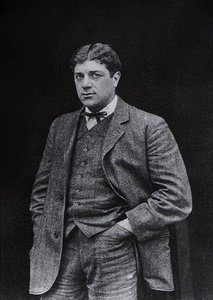
Georges Braque
1882 - 1963 , Frankreich
Kurzinfos
- Beeinflusste Künstler: ['Pablo Picasso']
- Bemerkenswerte Werke:
- Häuser in L'Estaque
- Die Geduld (Fauvismus)
- Stillleben mit Pfeife
- Mandola
- Einflussreiche Künstler:
- Henri Matisse
- André Derain
- Paul Cézanne
- Geburtsdatum: 13. Mai 1882
- Geburtsort: Argenteuil, Frankreich
- Künstlerischer Stil: Kubismus, Fauvismus
- Nationalität: Französisch
- Sterbedatum: 1963
- Vollständiger Name: Georges Braque
Ähnliche Artikel

OriginalUniqueArt.com F.A.Q.: Elevate Your Decor with Premium Textured Giclée Prints
Discover the distinction of OriginalUniqueArt.com premium textured Giclée prints. Expertly crafted with archival 12-color pigments and museum-grade substrates, our prints offer unparalleled vividness for the discerning collector seeking luxury, durability, and timeless elegance.



