- Startseite

- Auf Leinwand drucken
- Georges Braque
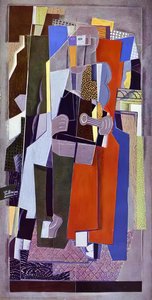
- A man at the easel
 Gemälde kaufen Bild kaufen
 Versenden
 Teilen
 Details anzeigen
 Zu Favoriten hinzufügen

 Herunterladen
 Ähnliche Objekte
 Röntgenaufnahme
 Diashow anzeigen
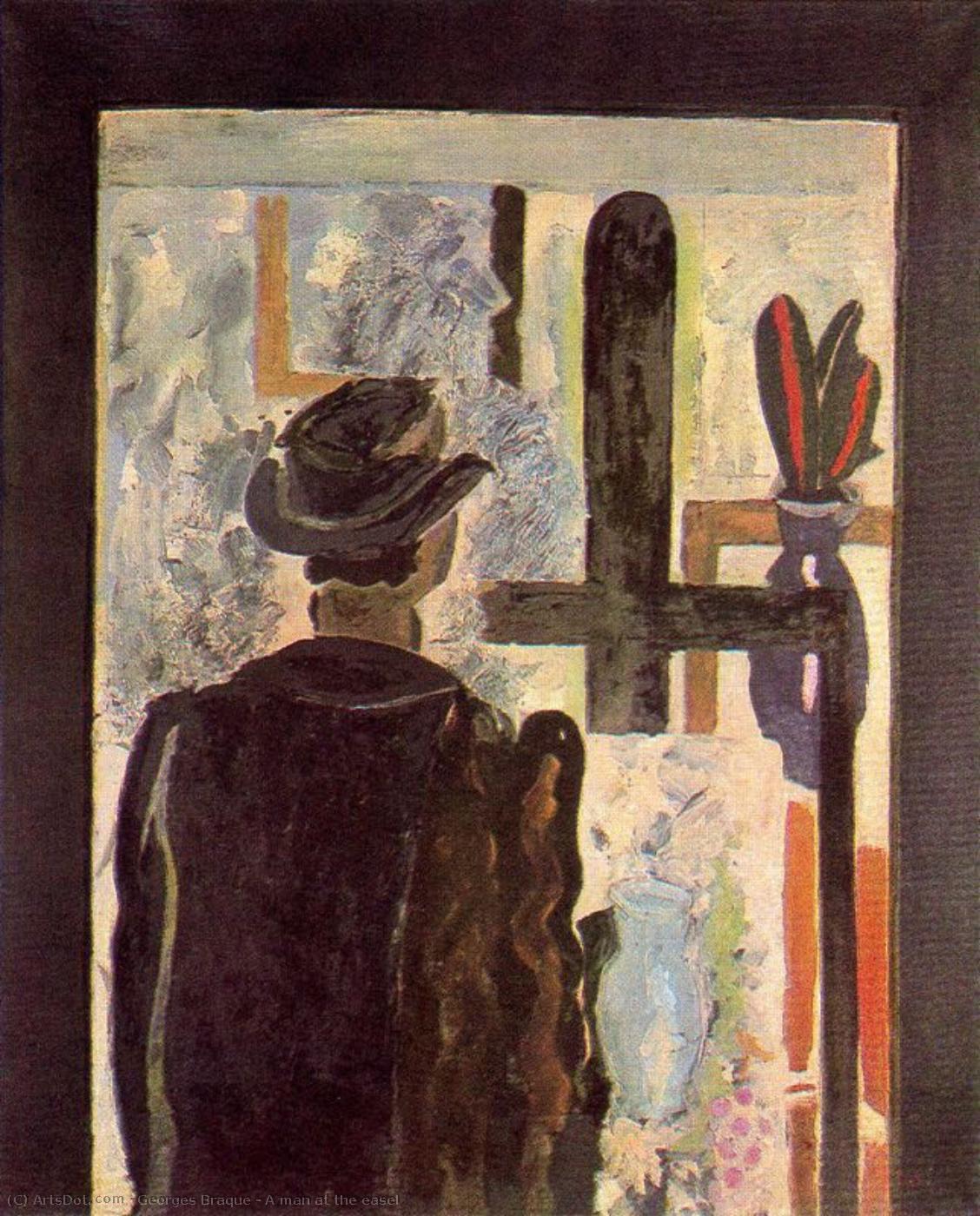
A man at the easel


 Weiterlesen
Giclée / Kunstdruck
Giclée- oder Leinwanddruck in Museumsqualität mit schneller Produktion und flexiblen Veredelungsoptionen.




































Wählen Sie aus unseren vordefinierten Größen, die den ursprünglichen Proportionen des Kunstwerks entsprechen.

Sie können Ihre eigenen Maße eingeben, um ein bestimmtes Format oder einen speziellen Platz einzupassen. Wenn das von Ihnen gewählte Format nicht den Proportionen des Originalbildes entspricht, werden wir das Kunstwerk entweder beschneiden oder das Bild mit einem gespiegelten oder einfarbigen Rand erweitern. Ein digitaler Entwurf wird Ihnen zur Genehmigung zugesandt, bevor die Produktion beginnt.
Bitte beachten Sie, dass die Vorschau auf dem Bildschirm nicht den tatsächlichen Zuschnitt oder die Erweiterung widerspiegelt. Nur der Entwurf zeigt die endgültige Komposition präzise an.
Obwohl Sondermaße verfügbar sind, empfehlen wir die Auswahl eines Maßes aus der vordefinierten Liste, um die ursprünglichen Proportionen zu bewahren.
Weltweiter Versand () innerhalb von 2 Wochen statt der üblichen 4/5 Wochen. (18 Juli)

Kostenloser weltweiter Expressversand

Hochwertige Leinenleinwand

Umfassender Versicherungsschutz beim Versand

Zollsteuer-Rückerstattungsgarantie

Garantie für echte Farbtreue

60-Tage-Rückgaberecht (nur bei Mängeln)

100% Geld-zurück-Garantie

Mengenrabatt verfügbar
 Die Glasoption ist nur in Größen unter 110 cm verfügbar.

A man at the easel
Giclée / Kunstdruck
Größe der Reproduktion
-


Endpreis aller Optionen
-
Beschreibung des Sammlerstücks
Georges Braque’s “A Man at the Easel”: A Window Into Cubism's Quiet Contemplation
The painting "A Man at the Easel," executed by Georges Braque in 1942, stands as a testament to the enduring power of quiet observation within the revolutionary fervor of Cubist art. More than just a depiction of an artist’s workspace—it’s a carefully constructed visual puzzle that invites viewers to delve into the complexities of perception and representation during a pivotal moment in artistic history. Braque's masterful use of oil on board captures not merely what is seen, but how it *feels* to see it, reflecting the core tenets of Cubism’s intellectual exploration.The Anatomy of Fragmentation: Style and Technique
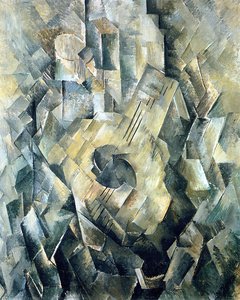
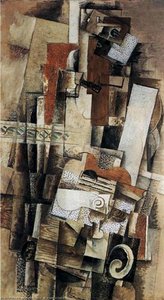
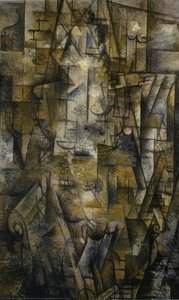
Braque’s stylistic approach firmly establishes him within the vanguard of Cubism alongside Pablo Picasso. Unlike Impressionists who sought to capture fleeting moments of light and color, Braque prioritized geometric abstraction—breaking down objects into fragmented planes that simultaneously exist in multiple viewpoints. This technique isn't merely about visual novelty; it’s a deliberate attempt to dismantle traditional illusionistic space, mirroring the artist’s own process of intellectual dissection. The painting exemplifies this brilliantly: the easel itself is fractured into interlocking shapes, suggesting not just its physical form but also the multifaceted nature of artistic creation. Notice how Braque utilizes subtle tonal variations—primarily muted browns and greens—to unify these disparate planes, creating a harmonious balance despite the inherent instability of the composition.A Reflection of Uncertainty: Historical Context
Created during World War II, “A Man at the Easel” embodies the anxieties and introspection characteristic of the era. The looming shadow of conflict underscores the painting’s contemplative mood—a stark contrast to the dynamism often associated with Cubism's earlier years. However, Braque wasn’t simply reacting to external pressures; he was actively grappling with fundamental questions about art’s role in confronting reality. The artist himself famously stated that he wished to “destroy” perspective and representation, aiming instead for a more profound engagement with the subject matter. This ambition aligns perfectly with the broader philosophical currents of Surrealism and Expressionism, which were influencing artists across Europe at the time.Symbolic Layers: Plants, Vase, and Window
Beyond its formal concerns, "A Man at the Easel" is laden with symbolic significance. The potted plant—a recurring motif in Braque’s oeuvre—represents growth, resilience, and perhaps even a yearning for beauty amidst hardship. Its placement on the right side of the canvas draws the eye outwards, suggesting an aspiration beyond the confines of the studio. Similarly, the vase contributes to the overall sense of stillness and contemplation. The window itself is particularly noteworthy; its geometric shape—a stylized cross—introduces an element of architectural detail that simultaneously symbolizes faith and spiritual reflection. It’s as if Braque invites us to consider not just what we see but also what lies beyond our immediate perception.Emotional Resonance: Quiet Intensity
Ultimately, “A Man at the Easel” succeeds in conveying a remarkable emotional depth despite its apparent simplicity. The muted palette and fragmented composition evoke a feeling of quiet intensity—a sense that Braque is capturing not just an image but also a state of mind. It’s a painting that speaks to the artist's own inner world, mirroring his ongoing engagement with artistic innovation while simultaneously acknowledging the pervasive influence of historical circumstance. Reproductions offer a chance to experience this subtle yet powerful aesthetic – a glimpse into the heart of Cubist contemplation.Biografie des Künstlers
**frühes Leben und Ausbildung**
Georges Braque, ein prominenter französischer Maler, Kollagist, Bleistrichzeichner, Grafiker und Bildhauer, wurde am 13. Mai 1882 in Argenteuil, Val-d'oise, geboren. Er wuchs in Le Havre auf und erhielt zunächst eine Ausbildung als Hausmaler und Dekorateur wie sein Vater und Großvater. Braques künstlerische Neigungen führten ihn jedoch dazu, von 1897 bis 1899 an der École des Beaux-Arts in Le Havre Malerei zu studieren.**Künstlerische Entwicklung und Fauvisme**
Im Jahr 1902, nachdem er seine Lehre bei einem Dekorateur in Paris abgeschlossen hatte, besuchte Braque bis 1904 die Académie Humbert. Dieser Zeitraum markierte seine Einführung ins Fauvismus, einen Stil, der durch lebendige Farben und emotionale Reaktionen gekennzeichnet ist. Beeinflusst von den Werken von Henri Matisse und André Derain, übernahm Braque einen fauvistischen Ansatz, wie in seinem Gemälde The Patience (Fauvismus, Öl auf Leinwand).**Beitrag zum Kubismus**
Braques Zusammenarbeit mit Pablo Picasso von 1908 bis 1912 führte zur Entwicklung des Kubismus. Ihre analytischen kubistischen Werke, wie z.B. Georges Braque: The Patience und Pablo Picasso: Clarinet(analytischer Kubismus, Öl auf Leinwand), gelten heute als Meilensteine der Kunstgeschichte.**Erbe und bemerkenswerte Werke**
* Houses at L'Estaques: Ein Zeugnis für Braques innovatives Einsatz von Geometrie und simultaner Perspektive. * The Patience(Fauvismus, Öl auf Leinwand): Demonstriert Braques fauvistischen Stil. * Clarinet(analytischer Kubismus, Öl auf Leinwand): Eine kollaborative kubistische Arbeit mit Picasso.**Museen und Sammlungen**
* Musée d'Orsay: Bietet eine umfangreiche Sammlung impressionistischer und postimpressionistischer Kunst, darunter Werke von Braque. * Musée de l'Orangerie: Zeigt eine breite Palette von Kunstwerken, darunter Werke von Braque und anderen bedeutenden Künstlern.- Erfahren Sie mehr über Georges Braques Leben und Werk auf OriginalUniqueArt.com
- Entdecken Sie die Sammlung des Musée d'Orsay, die Werke von Braque und anderen Künstlern umfasst, unter Musée d'Orsay - Wikipedia
- Erfahren Sie mehr über den Fauvismus und seinen Einfluss auf die Entwicklung des Kubismus mit Fauvismus Kunstbewegung auf OriginalUniqueArt.com
Georges Braque
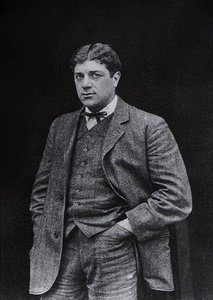
1882 - 1963 , Frankreich
Kurzinfos
- Beeinflusste Künstler: ['Pablo Picasso']
- Bemerkenswerte Werke:
- Häuser in L'Estaque
- Die Geduld (Fauvismus)
- Stillleben mit Pfeife
- Mandola
- Einflussreiche Künstler:
- Henri Matisse
- André Derain
- Paul Cézanne
- Geburtsdatum: 13. Mai 1882
- Geburtsort: Argenteuil, Frankreich
- Künstlerischer Stil: Kubismus, Fauvismus
- Nationalität: Französisch
- Sterbedatum: 1963
- Vollständiger Name: Georges Braque
Ähnliche Artikel
Die bleibende Ästhetik des Pinsels: Handgemalte Ölmalerei als Ausdruck von Zeitlosigkeit und emotionaler Tiefe im Vergleich zum digitalen Druck
Entdecken Sie die bleibende Schönheit handgemalter Ölmalerei! Expertenrat zur Authentizität, Wertsteigerung & individuellen Kunstauswahl. Vertrauen Sie auf Qualität und Tradition.
From Imagination to Canvas: Commissioning Bespoke Fantasy Art with Traditional Oil Painting Techniques
Commission breathtaking bespoke fantasy art with skilled oil painters. Explore techniques, artist selection & preservation tips. Invest in a unique masterpiece today!
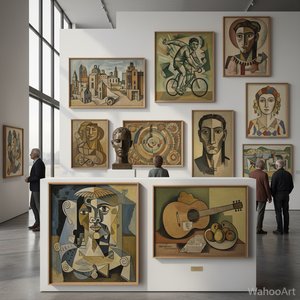
Die 10 Meisterwerke des Kubismus: Kunstgeschichte für Ihr Zuhause |
Entdecken Sie die 10 prägendsten Meisterwerke des Kubismus! Von Picasso bis Braque – erfahren Sie die Geschichten hinter ikonischen Gemälde und lassen Sie sich von moderner Kunst inspirieren. Kunstreproduktionen in Museumsqualiät auf .
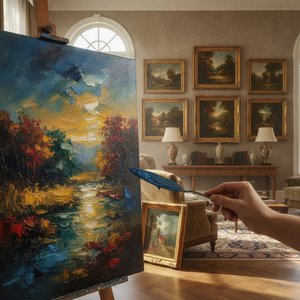
Ölmalerei versus Druck: Die bleibende Kraft handgefertigter Kunstwerke für anspruchsvolle Sammler
Handgemalte Ölmalerei von OriginalUniqueArt – für anspruchsvolle Sammler. Exklusive Reproduktionen & personalisierte Kunstwerke mit höchster Qualität, individueller Anpassung und sicherer Auftragsmalerei. Investieren Sie in ein zeitloses Erbstück!

Georges Braque: Die 25 Meisterwerke des Kubismus für Ihr Zuhause | OriginalUniqueArt
Entdecken Sie die 25 bedeutendsten Kunstwerke von Georges Braque – vom Kubismus bis zum Fauvismus. Erfahren Sie die Geschichten hinter den Meisterwerken und finden Sie hochwertige Reproduktionen für Ihr Zuhause auf OriginalUniqueArt.com.