In echtem Maßstab anzeigen
 Versenden als Grußkarte
 Teilen
 Details anzeigen
 Leitfaden öffnen

 Herunterladen
 Ähnliche Objekte
 Röntgenaufnahme
 Diashow
 Besucherstatistiken
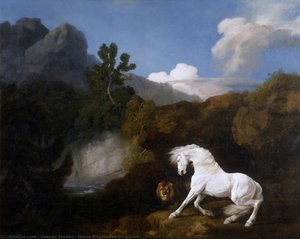
Lion Devouring a Horse
 Oil On Canvas
- WallArt
- Romantic Realism
 1763
1763 69.0 x 104.0 cm
 Tate Britain
 Mehr anzeigen
Giclée / Kunstdruck
Giclée- oder Leinwanddruck in Museumsqualität mit schneller Produktion und flexiblen Veredelungsoptionen. ( Handgemalte Reproduktion kaufen Zum digitalen Bild wechseln)




P118B €10

P118H €10

P118W €10

P438Z €10

P508JH €12

P508YH €12

P805H €10

P805Z €10

P919BZ €10

P919G €10

P919XJ €10

P959ZH €10

P968JZ €12

W106C €8

W218G €10

W218JH €8

W218Y €10

W307PJ €10

W316G €10

W316PJ €8

W316Y €10

W398PJ €8

W4111J €10

W500HY €15

W500JH €15

W692G €12

W849H €8

W940BG €15

W953PJ €8




Wählen Sie aus unseren vordefinierten Formaten, die den ursprünglichen Proportionen des Kunstwerks entsprechen.

Sie können Ihre eigenen Maße eingeben, um ein bestimmtes Format oder einen speziellen Platz einzupassen. Wenn das von Ihnen gewählte Format nicht den Proportionen des Originalbildes entspricht, werden wir das Kunstwerk entweder beschneiden oder das Bild mit einem gespiegelten oder einfarbigen Rand erweitern. Ein digitaler Entwurf wird Ihnen zur Genehmigung zugesandt, bevor die Produktion beginnt.
Bitte beachten Sie, dass die Vorschau auf dem Bildschirm nicht den tatsächlichen Zuschnitt oder die Erweiterung widerspiegelt. Nur der Entwurf zeigt die endgültige Komposition präzise an.
Obwohl Sondermaße verfügbar sind, empfehlen wir die Auswahl eines Maßes aus der vordefinierten Liste, um die ursprünglichen Proportionen zu bewahren.
Weltweiter Versand () innerhalb von 2 Wochen statt der üblichen 4/5 Wochen. (10 Oktober)

Kostenloser weltweiter Expressversand

Hochwertige Leinenleinwand

Vollständiger Versicherungsschutz beim Versand

Zollgebühren-Rückerstattungsgarantie

Garantie für exakte Farbtreue

100-tägiges Rückgaberecht (nur bei Mängeln)

100% Geld-zurück-Garantie

Angebot für Mengenrabatt
 Die Glasoption ist nur für Größen unter 110 cm verfügbar.

Lion Devouring a Horse
Giclée / Kunstdruck
Format der Reproduktion
-


Gesamtpreis
€ 69
The Drama of Nature Captured: George Stubbs' Lion Devouring a Horse
To stand before George Stubbs’ magnificent "Lion Devouring a Horse" is to be plunged into a moment of raw, untamed drama. This 1763 oil on canvas does more than merely depict an animal encounter; it arrests time itself, freezing the apex of conflict in vivid, masterful strokes. Stubbs, celebrated for his unparalleled anatomical studies of equine life, elevates this scene beyond mere natural history painting into a profound meditation on power dynamics and survival. The sheer energy radiating from the central action—the lion’s powerful jaws closing upon the struggling form of the horse—is breathtaking, inviting the viewer to lean in, breathless, as if they too are witnessing the struggle firsthand.
Mastery of Form and Color
Stubbs' technical brilliance is immediately apparent. The artist possessed an almost scientific understanding of musculature, rendering both creatures with startling verisimilitude. Observe the texture: the lion’s coat, rendered in deep, brooding shades of brown and black, contrasts dramatically against the lighter, more yielding tones used for the horse and the surrounding landscape. This masterful use of color heightens the tension; the rich saturation of the foreground elements pops against the serene, yet dramatic, backdrop of the rocky terrain beneath a clear blue sky. The composition is inherently balanced, guiding the eye inexorably toward the violent nexus at the center, while the scattered trees and open sky provide just enough context to ground this intense spectacle in a believable, if theatrical, outdoor setting.
Historical Echoes and Artistic Lineage
The genesis of this powerful piece is rooted in classical antiquity. Stubbs himself noted that his inspiration stemmed from an antique marble sculpture encountered during his travels to Rome. This connection suggests that the painting is not just a record of wildlife, but a dialogue across centuries—a conversation between Renaissance artistic ideals and the vibrant realism of the Georgian era. By referencing such classical models while executing it in the rich, tactile medium of oil on canvas, Stubbs bridges epochs. It speaks to an enduring human fascination with mythic struggle, making the work timeless regardless of its 18th-century origins.
Symbolism and Emotional Resonance
Beyond the technical prowess lies a deeper symbolic resonance. The confrontation between the lion—often a symbol of raw, untamed masculine power—and the horse, frequently representing nobility, grace, or even humanity itself, creates an immediate tension. The act depicted suggests a brutal assertion of dominance. For the modern collector or decorator, this painting offers more than just decorative flair; it injects a palpable sense of narrative drama into any space. It is a conversation piece that demands attention, suggesting themes of struggle, inevitable change, and the raw beauty found at the precipice of conflict.
Bringing the Drama Home
For those who wish to capture this electrifying moment in their own interiors, acquiring a high-quality reproduction allows one to possess this masterpiece's energy without leaving the comfort of home. The ability of an oil painting medium to retain such depth and vibrancy ensures that the drama—the tension between the predator and the prey—remains immediate and visceral. It is an investment not only in art history but in a continuous source of dramatic, sophisticated inspiration for any discerning eye.
Fragen & Antworten
Wie alt war George Stubbs, als „Lion Devouring a Horse“ geschaffen wurde?
George Stubbs war 39 Jahre alt, als Lion Devouring a Horse im Jahr 1763 geschaffen wurde. Das Alter berechnet sich aus dem Geburtsjahr des Künstlers, 1724.
Was ist das Entstehungsdatum von "Lion Devouring a Horse" von George Stubbs?
"Lion Devouring a Horse" stammt aus dem Jahr 1763. Dieses Datum ordnet das Werk in die Schaffensperiode von George Stubbs sowie in dessen Epoche ein.
Wo sollte eine Reproduktion von "Lion Devouring a Horse" von George Stubbs aufgehängt werden?
Format (Landscape) und der empfohlene Raum (Living Room) sind die zwei festgehaltenen Platzierungsdetails für "Lion Devouring a Horse" von George Stubbs.
Inwiefern lässt sich der Stil von "Lion Devouring a Horse" mit der Epoche seines Schöpfers in Verbindung bringen?
"Lion Devouring a Horse" von George Stubbs lässt sich der Romantic Realism-Strömung innerhalb der – Frühe Neuzeit-Ära seines Schöpfers zuordnen.
Wer hat "Lion Devouring a Horse" erschaffen?
"Lion Devouring a Horse" wird George Stubbs zugeschrieben.
Ist ein hochauflösender Download von "Lion Devouring a Horse" verfügbar?
"Lion Devouring a Horse" ist als ein hochauflösender digitaler Bild-Download erhältlich, direkt über diese Seite zu erwerben.
Welche allgemeine Stimmung vermittelt "Lion Devouring a Horse" von George Stubbs?
Die allgemeine Stimmung von "Lion Devouring a Horse" von George Stubbs ist Dramatic. Die Stimmung beschreibt die allgemeine Atmosphäre des Werkes.
Biografie des Künstlers
Frühes Leben und Ausbildung
George Stubbs, ein renommierter englischer Maler, wurde am 25. August 1724 in Liverpool, im Vereinigten Königreich, geboren. Seine frühen Jahre waren von einer spärlichen Aufzeichnung seiner Aktivitäten bis zum Alter von 35 Jahren geprägt, wobei die meisten Informationen aus den Memoiren von Ozias Humphry stammen, die auf Gesprächen mit Stubbs im Jahr 1794 basieren. Stubbs begann seine künstlerische Laufbahn im Alter von 15 Jahren und arbeitete zunächst unter seinem Vater, einem Ledergerber. Später suchte er das Gespräch mit Hamlet Winstanley, einem Maler und Kupferstecher aus Lancashire, um eine kurze Lehrzeit zu absolvieren. Dieser kurze Aufenthalt ermöglichte es ihm, die Sammlung in Knowsley Hall zu studieren.Künstlerische Entwicklung und bemerkenswerte Werke
Stubbs' Leidenschaft für Anatomie führte ihn 1744 nach York, wo er unter dem Chirurgen Charles Atkinson im York County Hospital studierte. Eines seiner frühesten erhaltenen Werke ist eine Reihe von Illustrationen für John Burtons Lehrbuch über Hebammenkunst, das 1751 veröffentlicht wurde. Im Jahr 1756 mietete Stubbs einen Bauernhof in Lincolnshire und verbrachte 18 Monate mit der Sektion von Pferden, unterstützt von seiner Lebensgefährtin Mary Spencer. Dies führte zur Veröffentlichung der Anatomie des Pferdes im Jahr 1766, wobei die Originalzeichnungen heute im Royal Academy aufbewahrt werden. Stubbs' Arbeit wurde bald von führenden aristokratischen Mäzenen erkannt, darunter der 3. Herzog von Richmond, der 1759 drei große Gemälde in Auftrag gab. Dies markierte den Beginn seiner erfolgreichen Karriere, wobei Werke für mehrere Herzöge und Lords entstanden, die mit dem Kauf eines Hauses in Marylebone, London, gipfelten.Vermächtnis und bemerkenswerte Gemälde
Stubbs' berühmtestes Werk ist Whistlejacket, ein Gemälde eines eleganten Pferdes, das vom 2. Marquess of Rockingham in Auftrag gegeben wurde und sich heute in der National Gallery in London befindet. Dieses und zwei weitere Gemälde für Rockingham brechen mit der Konvention, da sie schlichte Hintergründe aufweisen.- Whistlejacket, ein Vollblutrennpferd, das sich auf seinen Hinterbeinen erhebt, zeigt Stubbs' unvergleichliche Fähigkeit, die Essenz von Pferden einzufangen.
- Betrachten Sie Stubbs' Kunstwerke unter https://OriginalUniqueArt.com/@/george_stubbs
- Erkunden Sie die Sammlung der National Gallery in London, die Stubbs' bemerkenswerte Werke zeigt, unter /de/art/show/art-8xyffg-de/
- Erfahren Sie mehr über Stubbs' Leben und Werk auf Wikipedia unter https://de.wikipedia.org/wiki/George_Stubbs
Studien zur Anatomie
Stubbs, der bis zum Alter von 16 Jahren im väterlichen Gerberei- und Ledergeschäft arbeitete, war der Umgang mit Tierkadavern nicht fremd, und laut seinen eigenen Aussagen interessierte er sich schon früh für Anatomie. 1745 zog er nach York, wo er in den späten 1740er Jahren ein Studium der Anatomie im York County Hospital aufnahm und bald selbst Anatomie unterrichtete. Dort sezierte er eine im Kindbett verstorbene Frau und fertigte Zeichnungen des Fötus an. Diese frühen Versuche fehlten jedoch die Präzision seiner späteren anatomischen Zeichnungen: dargestellt sind auf den Bildtafeln keine Föten, sondern eher ausgewachsene Säuglinge. Diese Zeichnungen dienten als Grundlage für seine Illustrationen zu John Burtons „Essays towards a Complete New System of Midwifery“. Das Buch wurde 1751 veröffentlicht, ohne Stubbs als Autor der Bildtafeln zu nennen. Nach seiner Rückkehr aus Italien mietete er das Haus in Lincolnshire, wo er von 1756 bis 1758 Pferde sezierte. Nachdem die Pferde durch einen Schnitt in die Halsvene (vena jugularis) ausgeblutet waren, wurde ein flüssiges Wachs injiziert, um den Verlauf der Gefäße während des Sezierens besser zu erkennen. Der Kadaver wurde danach an einer Spezialkonstruktion an der Decke aufgehängt.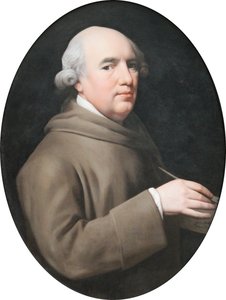
George Stubbs
1724 - 1806 , Vereinigtes Königreich
Eckdaten zum Künstler
- Bemerkenswerte Werke:
- Whistlejacket
- Löwe Angriff auf ein Pferd
- Die Grosvenor Hunt
- Ein Schwarzbeiger Wasserhund
- Geburtsdatum: 25. August 1724
- Geburtsort: Liverpool, Vereinigtes Königreich
- Künstlerische Richtung: Romantik, Tierporträt
- Nationalität: Britisch
- Sterbedatum: 10. Juli 1806
- Vollständiger Name: George Stubbs
Verwandte Artikel
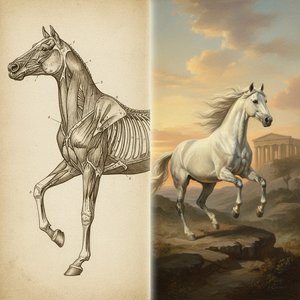
George Stubbs: Anatomische Präzision und romantische Vision in der britischen Kunst des 18. Jahrhunderts
Entdecken Sie das faszinierende Werk von George Stubbs – ein Meister der Tierporträts und Pionier anatomischer Studien. Erfahren Sie mehr über seine einzigartige Verbindung von Kunst und Wissenschaft in unserer Expertenanalyse.
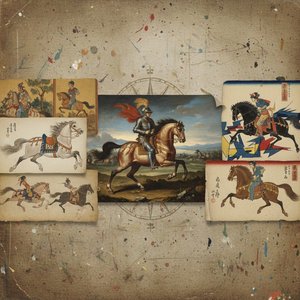
The Noble Steed on Canvas: A Historical & Artistic Exploration of Horse Painting Across Cultures
Explore the rich history of horse painting! Discover masterpieces from Stubbs to Munnings & learn about symbolism, techniques & artists. Find museum-quality reproductions at OriginalUniqueArt.

Georges Seurat: Die 25 Meisterwerke des Pointillismus für Ihr Zuhause | OriginalUniqueArt
Entdecken Sie die 25 ikonischsten Meisterwerke von Georges Seurat! Tauchen Sie ein in die Welt des Pointillismus, der Farbtheorie und des Impressionismus. Hochwertige Kunst reproduzieren für Ihr Zuhause – jetzt auf OriginalUniqueArt.com!

Georges Braque: Die 25 Meisterwerke des Kubismus für Ihr Zuhause | OriginalUniqueArt
Entdecken Sie die 25 bedeutendsten Kunstwerke von Georges Braque – vom Kubismus bis zum Fauvismus. Erfahren Sie die Geschichten hinter den Meisterwerken und finden Sie hochwertige Reproduktionen für Ihr Zuhause auf OriginalUniqueArt.com.
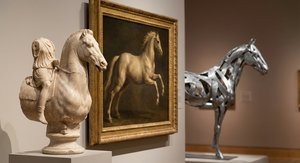
The Noble Steed: A Historical and Artistic Exploration of Horses in Fine Art
Explore the rich history of horses in fine art! From ancient depictions to Renaissance masterpieces & beyond, discover iconic artworks and artists. Learn about symbolism, techniques, and find museum-quality reproductions at OriginalUniqueArt.