

 Vorschau anzeigen
 Versenden
 Teilen
 Details anzeigen

 Herunterladen
 Ähnliche Objekte
 Röntgenaufnahme
 Diashow
 Statistiken
Ariel
 Acrylic On Canvas
- WallArt
- Romanticism
 65.0 x 105.0 cm
 Somerville College
 Weiterlesen
Giclée / Kunstdruck
Giclée- oder Leinwanddruck in Museumsqualität mit schneller Produktion und flexiblen Veredelungsoptionen. ( Handgemalte Reproduktion bestellen Zum digitalen Bild wechseln)




P118B $10

P118H $10

P118W $10

P438Z $10

P508JH $12

P508YH $12

P805H $10

P805Z $10

P919BZ $10

P919G $10

P919XJ $10

P959ZH $10

P968JZ $12

W106C $8

W218G $10

W218JH $8

W218Y $10

W307PJ $10

W316G $10

W316PJ $8

W316Y $10

W398PJ $8

W4111J $10

W500HY $15

W500JH $15

W692G $12

W849H $8

W940BG $15

W953PJ $8




Wählen Sie aus unseren vordefinierten Formaten, die den ursprünglichen Proportionen des Kunstwerks entsprechen.

Sie können Ihre eigenen Maße eingeben, um ein bestimmtes Format oder einen speziellen Platz einzupassen. Wenn das von Ihnen gewählte Format nicht den Proportionen des Originalbildes entspricht, werden wir das Kunstwerk entweder beschneiden oder das Bild mit einem gespiegelten oder einfarbigen Rand erweitern. Ein digitaler Entwurf wird Ihnen zur Genehmigung zugesandt, bevor die Produktion beginnt.
Bitte beachten Sie, dass die Vorschau auf dem Bildschirm nicht den tatsächlichen Zuschnitt oder die Erweiterung widerspiegelt. Nur der Entwurf zeigt die endgültige Komposition präzise an.
Obwohl Sondermaße verfügbar sind, empfehlen wir die Auswahl eines Maßes aus der vordefinierten Liste, um die ursprünglichen Proportionen zu bewahren.
Weltweiter Versand () innerhalb von 2 Wochen statt der üblichen 4/5 Wochen. (13 September)

Kostenloser weltweiter Expressversand

Hochwertige Leinenleinwand

Umfassender Versicherungsschutz beim Versand

Zollgebühren-Rückerstattungsgarantie

Garantie für exakte Farbtreue

100-Tage-Rückgaberecht (nur bei Mängeln)

100% Geld-zurück-Garantie

Mengenrabatt verfügbar
 Die Glasoption ist nur für Größen unter 110 cm verfügbar.

Ariel
Giclée / Kunstdruck
Format der Reproduktion
-


Gesamtpreis
$ 80
George Romney’s Ariel: A Romantic Echo of Mythic Beauty
George Romney's “Ariel,” completed around 1798, stands as a cornerstone of British Romanticism—a movement that championed emotion and imagination over rational thought. More than just a portrait of a woman, it embodies the spirit of its time, capturing an ethereal vision of feminine grace intertwined with elements of classical mythology and artistic innovation. Romney’s masterful brushwork elevates this image beyond mere likeness, transforming it into a profound meditation on beauty, movement, and the sublime.- Subject Matter: The painting depicts Ariel, the winged spirit from Shakespeare's “The Tempest,” symbolizing freedom, innocence, and otherworldly enchantment. Romney skillfully portrays Ariel in repose, draped elegantly within flowing drapery—a deliberate allusion to depictions of goddesses found throughout European art history.
- Style & Technique: Romney’s approach aligns perfectly with Impressionism’s burgeoning influence, prioritizing tonal variation and capturing fleeting impressions rather than meticulous detail. His signature technique involves thick impasto application of paint—particularly prominent in the swirling drapery—creating a palpable sense of texture and dynamism. This bold stylistic choice distinguishes “Ariel” from earlier portraiture conventions.
- Historical Context: Painted during the Napoleonic Wars, "Ariel" reflects the Romantic preoccupation with idealized beauty and spiritual transcendence amidst turbulent political upheaval. Romney’s patrons included prominent figures like Emma Hamilton—a scandalous affair that captivated London society—underscoring the painting's engagement with themes of desire and artistic ambition.
- Symbolism: The golden hues dominating the background evoke notions of divine radiance and aspiration, mirroring Ariel’s celestial origins. Romney’s use of light—diffused and warm—highlights the contours of the figure, emphasizing her delicate form and conveying a feeling of serenity. This careful consideration of symbolism elevates “Ariel” beyond a simple visual representation, inviting contemplation on concepts of grace and spiritual harmony.
- Emotional Impact: Romney’s masterful composition achieves an arresting balance between stillness and movement—a hallmark of Romantic art. The painting inspires awe and wonder, transporting the viewer to a realm of ethereal beauty where earthly concerns fade away. “Ariel” remains a testament to Romney's ability to capture not just what he saw but also what he felt—a profound achievement in artistic expression.
Detailed Examination: Romney’s Brushstrokes and Color Palette
Romney’s technique is characterized by loose, expressive brushstrokes that convey a sense of movement and fluidity—essential elements for conveying the spirit of Romanticism. The impasto application creates a rich textural surface, capturing the light and shadow play inherent in drapery and enhancing the painting's visual impact. Romney skillfully blends warm earthy tones—primarily golds and browns—to establish an atmosphere of opulent serenity. Careful observation reveals subtle gradations of color that contribute to the overall luminosity and depth of the artwork.Rediscovering Romney’s Legacy: Influence on Contemporary Art
George Romney's influence extends far beyond his own lifetime, resonating in subsequent artistic movements. His pioneering use of impasto technique paved the way for Impressionists like Monet and Renoir—artists who sought to capture fleeting moments of light and color with unprecedented vibrancy. Romney’s Romantic sensibility—characterized by an embrace of emotion and imagination—continues to inspire artists today, demonstrating the enduring power of his vision.A Reproduction Worthy of Distinction
A high-quality reproduction of “Ariel” captures the essence of Romney's artistic genius—preserving the painting’s luminous color palette and textural richness. OriginalUniqueArt.com offers exceptional reproductions crafted with archival pigments, ensuring that this iconic artwork remains vibrant for generations to come. Explore our collection today!Über den Künstler
George Romney: Ein Leben in der Porträtkunst
Frühes Leben und künstlerische Anfänge
- Geboren: 26. Mai 1734 in Beckside, Dalton-in-Furness, Lancashire (heute Cumbria), Vereinigtes Königreich.
- Romney war das dritte von elf Kindern von John Romney, einem Kabinentischler, und Anne Simpson.
- Frühe künstlerische Ausbildung: Er zeigte früh eine Neigung zur Kunst, was zu einer Lehrzeit bei Christopher Steele führte, einem Porträtmaler, der unter Carlo Vanloo in Paris studiert hatte. Diese grundlegende Ausbildung vermittelte ihm wichtige Fähigkeiten und Einblicke in europäische Kunsttraditionen.
Künstlerische Entwicklung und Durchbruch
- Romney zog um 1760 nach London, um dort größere Möglichkeiten für seine wachsende Karriere zu finden.
- Er etablierte sich schnell als geschickter Porträtmaler und konkurrierte mit namhaften Künstlern wie Thomas Gainsborough und Joshua Reynolds.
- Stil & Technik: Romneys Stil entwickelte sich im Laufe der Zeit weiter, anfänglich beeinflusst von Steele und Vanloo, aber er entwickelte einen unverwechselbaren Ansatz, der durch elegante Posen, weiches Licht und den Fokus auf die Persönlichkeit seiner Modelle gekennzeichnet war.
Die Muse: Emma Hamilton
- Eine entscheidende Beziehung: Romneys künstlerisches Leben wurde tiefgreifend von seiner Beziehung zu Emma Hamilton (geborene Amy Lyon) beeinflusst. Sie wurde zu seinem Lieblingsmodell und zur Muse, die eine Reihe fesselnder Porträts inspirierte.
- Hamiltons Schönheit, Intelligenz und dramatische Ausstrahlung faszinierten Romney. Er porträtierte sie in verschiedenen Rollen – als Spinnerin, Miranda aus Shakespeares *Der Sturm* und in zahlreichen anderen allegorischen Szenen.
- Künstlerische Erkundung: Durch seine Arbeit mit Hamilton erforschte Romney Themen der klassischen Mythologie, Theatralik und weiblichen Anmut.
Bemerkenswerte Werke und Leistungen
- Porträt von James Brudenell, Earl of Cardigan (1776): Ein Paradebeispiel für Romneys Fähigkeit, den Charakter und den Status seiner Modelle einzufangen.
- Emma Hamilton als Spinnerin: Demonstriert Romneys Geschicklichkeit beim Porträtieren sowohl von Schönheit als auch von Erzählungen in einer einzigen Komposition.
- Lady Emma Hamilton als Miranda: Zeigt Romneys Faszination für theatralische Posen und klassische Anspielungen.
- Ariel (Somerville College, Oxford): Ein auffälliges Porträt von Emma Hamilton, das den Geist aus Shakespeares *Der Sturm* verkörpert.
- Breite Auftragslage: Romney erfreute sich einer erfolgreichen Karriere und zog Aufträge von prominenten Mitgliedern der britischen Gesellschaft an, darunter Aristokraten, Politiker und Literaten.
Einflüsse und historische Bedeutung
- Künstlerische Einflüsse: Carlo Vanloo und Christopher Steele vermittelten Romney eine frühe Ausbildung. Er ließ sich auch von den Werken von Peter Paul Rubens und anderen Barockmeistern inspirieren.
- Auswirkung auf die britische Porträtmalerei: Romneys Arbeit trug dazu bei, die Entwicklung der britischen Porträtmalerei im späten 18. Jahrhundert zu prägen und einen Stil zu fördern, der Eleganz, psychologische Einsicht und künstlerisches Flair betonte.
- Seine Porträts bieten wertvolle Einblicke in das Leben und den Geschmack des britischen Adels seiner Zeit.
- Späteres Leben & Vermächtnis: Romney litt im späteren Leben unter psychischen Problemen, was zu einem Rückgang seiner Produktivität führte. Er starb 1802 und hinterließ eine bedeutende Anzahl von Werken, die bis heute bewundert und studiert werden.

George Romney
1734 - 1802 , Vereinigtes Königreich
Kurzinfos
- Beeinflusste Künstler:
- Carlo Vanloo
- Christopher Steele
- Bemerkenswerte Werke:
- Porträt von George Cowper
- Emma Hamilton als Spinnerin
- Lady Emma Hamilton als Miranda
- Ariel (Somerville College)
- Geburtsdatum: 26. Mai 1734
- Geburtsort: Dalton-in-Furness, Vereinigtes Königreich
- Künstlerische Richtung: Portraitmalerei, Romantik
- Nationalität: Britisch
- Todatum: 1802
- Vollständiger Name: George Romney
Ähnliche Artikel

The Timeless Charm of Oil on Board: Reimagining Texture and Light through the Impressionist Lens
Discover the profound intimacy of oil on panel. Explore how Impressionist masters used rigid supports to capture light, texture, and impasto depth through exquisite, handmade oil reproductions for discerning collectors.

Georges Seurat: Die 25 Meisterwerke des Pointillismus für Ihr Zuhause | OriginalUniqueArt
Entdecken Sie die 25 ikonischsten Meisterwerke von Georges Seurat! Tauchen Sie ein in die Welt des Pointillismus, der Farbtheorie und des Impressionismus. Hochwertige Kunst reproduzieren für Ihr Zuhause – jetzt auf OriginalUniqueArt.com!
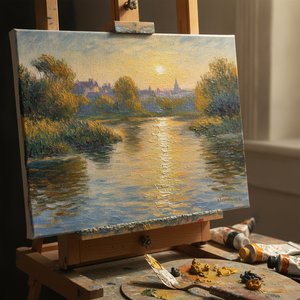
The Soul of Impressionism: Why Oil on Canvas Captures Eternal Light and Timeless Emotion
Discover the enchanting alchemy of Impressionism. Explore how the mastery of oil on canvas, through glazing and impasto, captures eternal light and emotion. Perfect for lovers of Monet and Van Gogh seeking the profound depth of hand-painted fine art.

The Enduring Legacy of Oil on Canvas: Technique, History & Aesthetic Impact
Explore the rich history & techniques of oil painting – from Renaissance masters to Impressionism. Discover pigments, layering methods, and why this timeless medium endures. Expert insights for artists & art enthusiasts.

Georges Braque: Die 25 Meisterwerke des Kubismus für Ihr Zuhause | OriginalUniqueArt
Entdecken Sie die 25 bedeutendsten Kunstwerke von Georges Braque – vom Kubismus bis zum Fauvismus. Erfahren Sie die Geschichten hinter den Meisterwerken und finden Sie hochwertige Reproduktionen für Ihr Zuhause auf OriginalUniqueArt.com.


