
 Vorschau anzeigen
 Versenden
 Teilen
 Details anzeigen

 Herunterladen
 Ähnliche Objekte
 Röntgenaufnahme
 Diashow
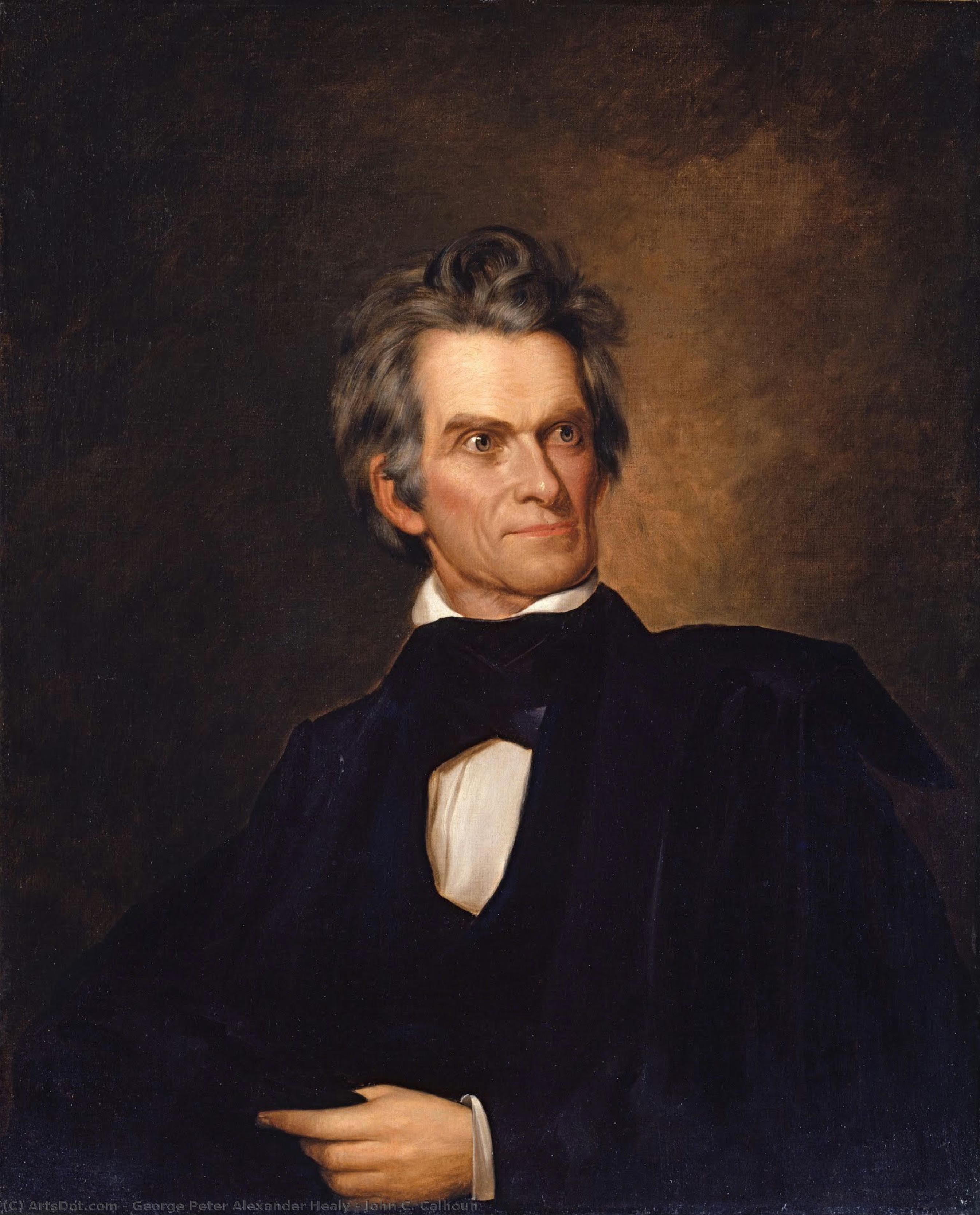
John C. Calhoun
 Oil On Canvas
- WallArt
- Historical Portraiture
 1845
1845 74.0 x 91.0 cm
 National Portrait Gallery
 Weiterlesen
Giclée / Kunstdruck
Giclée- oder Leinwanddruck in Museumsqualität mit schneller Produktion und flexiblen Veredelungsoptionen. ( Handgemalte Reproduktion bestellen Bild kaufen)




P118B $10

P118H $10

P118W $10

P438Z $10

P508JH $12

P508YH $12

P805H $10

P805Z $10

P919BZ $10

P919G $10

P919XJ $10

P959ZH $10

P968JZ $12

W106C $8

W218G $10

W218JH $8

W218Y $10

W307PJ $10

W316G $10

W316PJ $8

W316Y $10

W398PJ $8

W4111J $10

W500HY $15

W500JH $15

W692G $12

W849H $8

W940BG $15

W953PJ $8




Wählen Sie aus unseren vordefinierten Formaten, die den ursprünglichen Proportionen des Kunstwerks entsprechen.

Sie können Ihre eigenen Maße eingeben, um ein bestimmtes Format oder einen speziellen Platz einzupassen. Wenn das von Ihnen gewählte Format nicht den Proportionen des Originalbildes entspricht, werden wir das Kunstwerk entweder beschneiden oder das Bild mit einem gespiegelten oder einfarbigen Rand erweitern. Ein digitaler Entwurf wird Ihnen zur Genehmigung zugesandt, bevor die Produktion beginnt.
Bitte beachten Sie, dass die Vorschau auf dem Bildschirm nicht den tatsächlichen Zuschnitt oder die Erweiterung widerspiegelt. Nur der Entwurf zeigt die endgültige Komposition präzise an.
Obwohl Sondermaße verfügbar sind, empfehlen wir die Auswahl eines Maßes aus der vordefinierten Liste, um die ursprünglichen Proportionen zu bewahren.
Weltweiter Versand () innerhalb von 2 Wochen statt der üblichen 4/5 Wochen. (14 August)

Kostenloser weltweiter Expressversand

Hochwertige Leinenleinwand

Umfassender Versicherungsschutz beim Versand

Zollgebühren-Rückerstattungsgarantie

Garantie für exakte Farbtreue

60 Tage Rückgaberecht (nur bei Mängeln)

100% Geld-zurück-Garantie

Mengenrabatt verfügbar
 Die Glasoption ist nur für Größen unter 110 cm verfügbar.

John C. Calhoun
Giclée / Kunstdruck
Format der Reproduktion
-


Gesamtpreis
$ 80
Sammlerstück-Beschreibung
A Portrait of Power and Shadow: George Peter Alexander Healy’s John C. Calhoun
George Peter Alexander Healy's 1845 portrait of John C. Calhoun is more than simply a likeness; it’s a carefully constructed visual argument, a window into the complex and often troubling currents of antebellum American politics. Painted during a period of intense debate over slavery and states’ rights, the image captures Calhoun not as a man, but as an embodiment of a particular ideology – one that simultaneously commanded respect and fueled division.
Healy, a prolific portraitist known for his meticulous attention to detail and ability to imbue his subjects with personality, employed a classic, formal style reminiscent of the mid-19th century. The composition is deliberately restrained, focusing entirely on Calhoun himself. He sits in a simple chair, draped in dark, somber attire – a deep brown suit accented by a black tie – colors that immediately evoke seriousness and authority. His hands are clasped gently before him, projecting an image of quiet contemplation, yet also conveying a sense of contained power. The backdrop is equally understated: a muted wall and a book suggest intellectualism and the weight of accumulated knowledge, subtly reinforcing Calhoun’s position as a learned statesman.
The Weight of States' Rights
Calhoun’s posture and expression are key to understanding Healy’s intent. He isn’t smiling; there’s no overt warmth in his gaze. Instead, the portrait suggests a man deeply engaged in thought, wrestling with weighty issues. The slight furrow of his brow hints at the intellectual rigor required to defend his fiercely held beliefs. This is a man accustomed to debate and deliberation, yet also capable of unwavering conviction. The painting’s historical context is crucial: Calhoun was a leading voice for states' rights and nullification – doctrines that argued against federal overreach and asserted the sovereignty of individual states. Healy masterfully captures this intellectual stance, presenting Calhoun as a formidable advocate for a system increasingly threatened by the rising tide of abolitionism.
Symbolism and the Shadow of Slavery
While the portrait primarily focuses on Calhoun’s physical presence, subtle details offer glimpses into the ideological landscape he represented. The book in the background, though not explicitly identified, likely references legal texts – a testament to his extensive knowledge of constitutional law. However, it's important to acknowledge the uncomfortable truth that Calhoun’s defense of states’ rights was inextricably linked to the institution of slavery. His staunch advocacy for white supremacy and the economic necessity of slavery in the South is a dark undercurrent within this portrait. Healy doesn’t directly address this aspect, but by presenting Calhoun as a figure of authority and intellect, he implicitly legitimizes his views – a troubling consequence of the era's political climate.
A Legacy in Oil on Canvas
Measuring 74 x 91 cm, the painting is currently housed at the National Portrait Gallery in London. Healy’s masterful use of oil paints creates a rich and textured surface, capturing the nuances of Calhoun’s face – the lines etched by age and thought, the subtle shifts in expression. The lighting is carefully controlled, emphasizing Calhoun's features and casting shadows that contribute to the portrait’s somber mood. Healy’s work reflects the artistic trends of his time while simultaneously offering a poignant reflection on a pivotal period in American history – a period defined by both ambition and moral compromise.
Collecting a Piece of History
Reproductions of Healy's John C. Calhoun offer an opportunity to own a tangible connection to this complex and consequential figure. Whether displayed in a study, a library, or a room dedicated to American history, this portrait serves as a powerful reminder of the debates that shaped our nation – debates that continue to resonate today. It’s not merely a painting; it's a historical document, a visual testament to the enduring power of ideas and the lasting legacy of John C. Calhoun.
Über den Künstler
Frühe Jahre und Ausbildung
- Geboren: Boston, Vereinigte Staaten von Amerika (15. Juli 1813)
- Gestorben: 1894
Europäische Studienzeit und künstlerische Entwicklung
- Studien: Antoine-Jean Gros (Paris), Thomas Couture (Rom)
- Salons: Erhielt 1840 eine dritte Auszeichnung beim Pariser Salon
- Akademische Mitgliedschaft: 1843 zum Ehrenmitglied der National Academy of Design gewählt
Hauptwerke und historische Bedeutung
- Bemerkenswerte Porträts: John C. Calhoun, James Buchanan, US-Präsidenten (Adams bis Grant)
- Historisches Gemälde: The Peacemakers (1868) – Stellt eine Strategiebesprechung von Lincoln und anderen im Jahr 1865 dar.
- Porträts von US-Präsidenten: Healy malte Porträts aller US-Präsidenten von John Quincy Adams bis Ulysses Grant für die Corcoran Gallery in Washington, D.C., was seine Bedeutung und seinen Zugang zu einflussreichen Persönlichkeiten unterstreicht.
Späteres Leben und Vermächtnis
- Rückkehr nach Chicago: 1892
- Autobiografie: Reminiscences of a Portrait Painter (posthum veröffentlicht 1894)
- Bestattung: Calvary Cemetery, Evanston, Illinois

George Peter Alexander Healy
1813 - 1894 , Vereinigte Staaten von Amerika
Kurzinfos
- Beeinflusste Künstler:
- Antoine-Jean Gros
- Thomas Couture
- Bemerkenswerte Werke:
- Die Friedensstifter
- Abraham Lincoln
- Geburtsdatum: 15. Juli 1813
- Geburtsort: Boston, Vereinigte Staaten
- Künstlerische Richtung: Realismus, Akademischer Malerei
- Nationalität: Amerikanisch
- Todestag: 24. Juni 1894
- Vollständiger Name: George Peter Alexander Healy
Ähnliche Artikel

John Singer Sargent: Die 25 Meisterwerke des Porträts – Kunst für Ihr Zuhause | OriginalUniqueArt
Entdecken Sie die 25 Meisterwerke von John Singer Sargent! Tauchen Sie ein in die Welt der Porträtmalerei, des Impressionismus & der Belle Époque. Hochwertige Kunstdrucke & Reproduktionen für Ihr Zuhause – jetzt auf OriginalUniqueArt.com!

John Constable: Die 25 Meisterwerke des englischen Landschaftsgenies – OriginalUniqueArt
Entdecken Sie die 25 Meisterwerke von John Constable! Erleben Sie englische Landschaftsmalerei vom Hay Wain bis zur Stour Valley. Hochwertige Reproduktionen & Kunst für Ihr Zuhause auf OriginalUniqueArt.com.

Grant Wood und der amerikanische Regionalismus: Identität, Mythos und die ländliche Landschaft
Entdecken Sie Grant Wood und den amerikanischen Regionalismus! Erfahren Sie mehr über 'American Gothic', Woods Leben, Einflüsse und sein Vermächtnis in der Kunstgeschichte. Expertenwissen & hochwertige Reproduktionen.
Echos des Ortes: Regionalismus und amerikanische Identität in der Kunst der Zwischenkriegszeit
Entdecken Sie den amerikanischen Regionalismus der Zwischenkriegszeit! Analysieren Sie mit uns die Kunstströmung, ihre Künstler und Motive – ein tiefgehender Einblick in die Suche nach einer nationalen Ästhetik.

Amerikanischer Realismus: Die 10 Meisterwerke, die eine Ära prägten | OriginalUniqueArt
Entdecken Sie die 10 Meisterwerke des Amerikanischen Realismus! Von Edward Hopper bis Winslow Homer – erleben Sie die Geschichten, Techniken & zeitlose Schönheit. Hochwertige Kunstdrucke auf OriginalUniqueArt.com.

