

 In echtem Maßstab anzeigen
 Versenden als Grußkarte
 Teilen
 Details anzeigen
 Leitfaden öffnen

 Herunterladen
 Ähnliche Objekte
 Röntgenaufnahme
 Diashow
 Besucherstatistiken
Verhör
 Öl auf Leinwand
- Wandkunst
- Expressionistische Satire
 1938
1938- Moderne
 46.0 x 59.0 cm
 Ben Uri Galerie und Museum
 Mehr anzeigen
Die auf dieser Seite dargestellten Kunstwerke sind urheberrechtlich geschützt, was bedeutet, dass wir keine identische Reproduktion rechtmäßig erstellen oder verkaufen dürfen. Dieser Schutz wird durch internationale Abkommen wie die Berner Übereinkunft und durch nationale Gesetze, einschließlich derer, die von den ... festgelegt wurden US-Urheberrecht – Titel 17.
Als respektvolle und rechtlich einwandfreie Alternative bieten wir individuelle, handgemalte Kunstwerke an, die vom Original inspiriert sind. Unsere geschickten und professionellen Künstler studieren sorgfältig den Stil, die Stimmung und das künstlerische Wesen des Originals, um ein neues, einzigartiges Werk zu schaffen, das dasselbe Gefühl hervorruft – während es zugleich eine eigenständige Originalschöpfung bleibt.
Diese Methode entspricht vollumfänglich den Urheberrechtsbestimmungen, da sie keine Kopie oder Vervielfältigung des geschützten Kunstwerks darstellt. Stattdessen handelt es sich um eine kreative Neuinterpretation – ein neues Gemälde, das vom Original inspiriert, aber nicht identisch mit ihm ist.
Handgefertigte Ölreproduktion
Handgemaltes Ölgemälde auf Leinwand in Ihrer Wunschgröße und mit Rahmen, auf Bestellung von unseren Künstlern angefertigt. ( Zum Druck wechseln Zum digitalen Bild wechseln)




P118B €10

P118H €10

P118W €10

P438Z €10

P508JH €12

P508YH €12

P805H €10

P805Z €10

P919BZ €10

P919G €10

P919XJ €10

P959ZH €10

P968JZ €12

W106C €8

W218G €10

W218JH €8

W218Y €10

W307PJ €10

W316G €10

W316PJ €8

W316Y €10

W398PJ €8

W4111J €10

W500HY €15

W500JH €15

W692G €12

W849H €8

W940BG €15

W953PJ €8




Wählen Sie aus unseren vordefinierten Formaten, die den ursprünglichen Proportionen des Kunstwerks entsprechen.

Geben Sie die Breite und die Höhe an, die Sie für Ihren Rahmen oder Ihre Wand benötigen. Da dieses Werk handgemalt ist, kann der Künstler bei einer anderen Form etwas mehr um das Bild herum malen oder etwas abschneiden – Sie entscheiden. Wir senden Ihnen ein digitales Mockup zur Freigabe, bevor mit dem Malen begonnen wird. Das auf dieser Seite gezeigte Bild stellt nicht das tatsächliche Ergebnis dar – dies tut nur das Mockup.
Nach der Bestellung wird das OriginalUniqueArt.com-Team dem Kunden Anweisungen per E-Mail zusenden und eine Mockup-Vorschau bereitstellen.
Weltweiter Versand () in nur 3 bis 4 Wochen statt der üblichen 5 Wochen. (21 Oktober). Keine Kompromisse bei der Qualität.

Kostenloser weltweiter Expressversand

Hochwertige Leinenleinwand

Vollständiger Versicherungsschutz beim Versand

Zollgebühren-Rückerstattungsgarantie

Garantie für exakte Farbtreue

100-tägiges Rückgaberecht (nur bei Mängeln)

100% Geld-zurück-Garantie

Angebot für Mengenrabatt
 Die Glasoption ist nur für Größen unter 110 cm verfügbar.

Verhör
Reproduktionsmedium
Format der Reproduktion
-


Gesamtpreis
€ 262
A Visceral Encounter with Shadows
In the haunting depths of George Grosz’s 1938 masterpiece, Interrogation, the viewer is not merely an observer but a silent witness to a moment of profound psychological and physical violation. The painting presents a scene of stark, unsettling tension: three men are locked in a grim confrontation within a room that feels heavy with the scent of dread. At the center of this drama, a man sits with his hands bound behind his back, his very posture a testament to vulnerability and resistance. Surrounding him, the figures of his interrogators loom, their presence injecting a palpable sense of menace into the composition. The room itself tells a story of recent violence; bloodstains mar the floor and walls, suggesting that the interrogation is but one chapter in a larger cycle of brutality. This is not a static portrait, but a living, breathing fragment of a much darker narrative, capturing the precise second where tension threatens to erupt into tragedy.
To gaze upon this work is to experience the raw power of Brutal Realism infused with the jagged, emotive distortions of Expressionism. Grosz, a master of dissecting the societal rot of his era, eschews the polished aesthetics of traditional academic art in favor of a more visceral truth. His technique relies on sharp, angular lines and a deliberate use of light and shadow to amplify the dramatic conflict. The artist utilizes oil on canvas to create a surface that feels almost tactile; one can sense the weight of the textures as they depict the grim reality of the setting. The stark contrasts do not merely illuminate the subjects but serve to carve them out of the darkness, emphasizing the psychological torment etched into their features and the cold, unforcketing atmosphere of the room.
The Echoes of a Crumbling Republic
To understand the profound emotional impact of Interrogation, one must look toward the turbulent landscape of late Weimar Germany. Created in 1938, as the shadows of fascism were lengthening across Europe, the painting serves as a chilling reflection of the political polarization and systemic violence that defined the era. Grosz, a prominent figure in the Berlin Dada and New Objectivity movements, used his brush as a weapon to indict the moral decay of his time. This specific work carries deep personal and historical resonance, referencing the persecution and even the murder of figures like the anarchist Erich Mühsam. The painting captures the pervasive disillusionment of an intellectual class caught between the collapse of democracy and the rise of an oppressive new order.
For the discerning collector or interior designer, Interrogation offers more than just a striking visual; it provides a profound conversation piece that explores themes of power, justice, and human resilience. As a high-quality reproduction, this piece brings a sophisticated, intellectual gravity to any space, whether it be a private study, a gallery, or a curated contemporary living area. It is an artwork for those who appreciate the capacity of fine art to confront uncomfortable truths and to find beauty in the unflinching examination of the human condition. Owning such a work is an invitation to engage with history, to contemplate the fragility of peace, and to celebrate the enduring power of the artist's voice against the tide of silence.
Fragen & Antworten
Befindet sich "Verhör" im Land seines Schöpfers?
Nein – das Kunstwerk wird im Ausland aufbewahrt. „Verhör“ befindet sich in Vereinigtes Königreich, während George Grosz in Deutschland geboren wurde.
Unter welchen anderen Namen ist George Grosz bekannt?
George Grosz ist auch unter dem Namen Georg Ehrenfried Groß bekannt.
Welche Grundfarbe durchzieht "Verhör" von George Grosz?
Die dominante Farbe von "Verhör" von George Grosz ist Ocker bis Sepia. Dieser Farbton bildet die Grundlage der Palette.
Biografie des Künstlers
Frühes Leben und Einflüsse
George Grosz, ein bedeutender Vertreter der Berliner Dada- und Neuen Sachlichkeit-Bewegung während der Weimarer Republik, wurde am 26. Juli 1893 in Berlin, Deutschland, geboren. Als Georg Ehrenfried Groß wuchs er in einer gläubig-lutherischen Familie auf, wobei sein Vater Gasthofbesitzer war. Grosz' frühes Leben war geprägt davon, dass seine Mutter nach dem Tod seines Vaters im Jahr 1901 die Verwalterin der Offizierskaserne der Husaren wurde.Künstlerische Entwicklung
Grosz begann seinen künstlerischen Weg unter der Anleitung eines lokalen Malers namens Grot und entwickelte seine Fähigkeiten weiter durch akribische Kopien von Trink- und Schlachtbildern Eduard von Grützners. Er studierte anschließend an der Kunstakademie Dresden (1909–1911) und später an der Berliner Kunsthochschule für Bildende Künste.Wichtige Werke und Stil
- „Die Strassenbahnszene“ ist ein frühes Werk, das Grosz' frühen Stil zeigt.
- „Das Pit“, ein Gemälde, das Grosz’ Dadaismus-Stil demonstriert, ist ein bemerkenswertes Beispiel für seine Arbeit.
- Zusammen mit anderen Werken wie „Der Agitator“ und „Die Säulen der Gesellschaft“ zeigen diese Arbeiten seine satirische Kritik an der deutschen bürgerlichen Gemeinschaft.
- Diese Werke sind durch ihre karikaturistische Natur gekennzeichnet, oft mit morbiden und grausamen Bildern, die die faschistischen Kräfte in Deutschland symbolisierten.
Museumsbestände und Ausstellungen
Grosz' Werk befindet sich in verschiedenen Museen, darunter die Kunstsammlungen und Museen Augsburg und die Kunsthalle Bielefeld, die beide für ihre umfangreichen Sammlungen deutscher Kunst bekannt sind.Späteres Leben und Vermächtnis
Grosz emigrierte 1933 in die Vereinigten Staaten, wo er 1938 die US-amerikanische Staatsbürgerschaft erhielt. Er unterrichtete an der Art Students League of New York und stellte weiterhin seine Werke aus, bis zu seiner Rückkehr nach Berlin, wo er am 6. Juli 1959 verstarb. Wichtige Punkte:- Grosz war ein prominentes Mitglied der Berliner Dada- und Neuen Sachlichkeit-Gruppe.
- Seine Arbeit ist durch satirische Kritik an der deutschen bürgerlichen Gemeinschaft gekennzeichnet.
- Er emigrierte 1933 in die Vereinigten Staaten und erhielt 1938 die US-amerikanische Staatsbürgerschaft.
- Grosz' Vermächtnis wird weiterhin gefeiert, seine Werke sind in verschiedenen Museen in Deutschland zu finden.
- Für weitere Informationen über George Grosz besuchen Sie https://OriginalUniqueArt.com/@/george-grosz.
- Erkunden Sie die Sammlung der Kunstsammlungen und Museen Augsburg unter https://OriginalUniqueArt.com/@@/a@d3b449.
- Entdecken Sie die Kunsthalle Bielefeld und ihre umfangreiche Sammlung deutscher Kunst unter https://OriginalUniqueArt.com/@@/a@d3bw2r.
Referenzen:
Liste der deutsch-amerikanischen Personen (Wikipedia)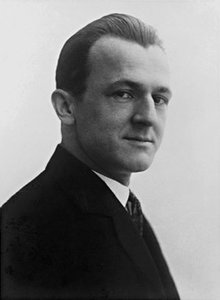
George Grosz
1893 - 1959 , Deutschland
Eckdaten zum Künstler
- Bemerkenswerte Werke:
- Die Grube
- Die Stadt
- Angriff
- Dr. Billig
- Die Säulen der Gesellschaft
- Geburtsdatum: 26. Juli 1893
- Geburtsort: Berlin, Deutschland
- Künstlerische Bewegung: Dadaismus, Neue Sachlichkeit
- Künstlerische Einflüsse: ['Eduard von Grützner']
- Nationalität: Deutsch, Amerikanisch
- Todatum: 6. Juli 1959
- Vollständiger Name: George Grosz
Verwandte Artikel
The Sharpest Wit: A Historical Exploration of Satire in Visual Culture
Explore the history of satire in art! From ancient masters like Aristophanes to Goya & Grosz, discover how artists use wit and critique to reflect—and challenge—society. Expert insights at OriginalUniqueArt.
The Sharpest Wit: A Critical Exploration of Satire in Art History – From Hogarth to Contemporary Critique
Explore the history of satire in art! From Hogarth's London to contemporary critique, discover how artists use wit & visual power to reflect and challenge society. Expert insights at OriginalUniqueArt.
Meisterwerke Berlins: Die Top 25 Kunstwerke der Staatlichen Museen | OriginalUniqueArt
Entdecken Sie die 25 bedeutendsten Kunstwerke der Staatlichen Museen Berlin! Von Nefertiti bis zur Romantik – erfahren Sie faszinierende Geschichten über Künstler, Stile & Techniken. Kunstreproduktionen in Museumsqualiät auf OriginalUniqueArt.com.
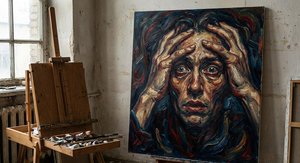
Figurative Expressionism: Emotional Intensity & Subjective Reality in 20th-Century Art
Explore the powerful world of Figurative Expressionism with OriginalUniqueArt. Discover key artists like Kirchner & Beckmann, understand its emotional depth, and learn how to collect this influential 20th-century art movement.
Dramatische Kunstwerke: Die Top 10 Meisterwerke für Ihr Zuhause |
Entdecken Sie die Top 10 dramatischsten Kunstwerke der Geschichte! Von Caravaggios Lichtspielen bis zu Munchs emotionalen Farben – erfahren Sie mehr über Künstler, Techniken & Meisterwerke. Hochwertige Reproduktionen auf .


