
 Vorschau anzeigen
 Versenden
 Teilen
 Details anzeigen
 Leitfaden

 Herunterladen
 Ähnliche Objekte
 Röntgenaufnahme
 Diashow
 Q&A
Q&A Statistiken
The Gray Day

- 115.0 x 80.0 cm


 Weiterlesen
Die auf dieser Seite dargestellten Kunstwerke sind urheberrechtlich geschützt, was bedeutet, dass wir keine identische Reproduktion rechtmäßig erstellen oder verkaufen dürfen. Dieser Schutz wird durch internationale Abkommen wie die Berner Übereinkunft und durch nationale Gesetze, einschließlich derer, die von den US-Urheberrecht – Titel 17.
Diese Methode entspricht vollumfänglich den Urheberrechtsbestimmungen, da sie keine Kopie oder Vervielfältigung des geschützten Kunstwerks darstellt. Stattdessen handelt es sich um eine kreative Neuinterpretation – ein neues Gemälde, das vom Original inspiriert, aber nicht identisch mit ihm ist.
Giclée / Kunstdruck
Giclée- oder Leinwanddruck in Museumsqualität mit schneller Produktion und flexiblen Veredelungsoptionen. ( Handgemalte Reproduktion bestellen Zum digitalen Bild wechseln)




P118B €10

P118H €10

P118W €10

P438Z €10

P508JH €12

P508YH €12

P805H €10

P805Z €10

P919BZ €10

P919G €10

P919XJ €10

P959ZH €10

P968JZ €12

W106C €8

W218G €10

W218JH €8

W218Y €10

W307PJ €10

W316G €10

W316PJ €8

W316Y €10

W398PJ €8

W4111J €10

W500HY €15

W500JH €15

W692G €12

W849H €8

W940BG €15

W953PJ €8




Wählen Sie aus unseren vordefinierten Formaten, die den ursprünglichen Proportionen des Kunstwerks entsprechen.

Geben Sie die benötigte Breite und Höhe an, damit der Druck perfekt in Ihren Rahmen oder an Ihre Wand passt. Ein Druck kann nur beschnitten, aber niemals größer als das Originalbild angefertigt werden; daher verliert ein Format mit anderen Proportionen einen Teil des Bildes. Wir senden Ihnen ein digitales Mockup zur Freigabe, bevor wir den Druck ausführen. Das auf dieser Seite gezeigte Bild zeigt nicht den tatsächlichen Beschnitt – dies ist nur im Mockup ersichtlich.
Weltweiter Versand () innerhalb von 2 Wochen statt der üblichen 4/5 Wochen. (2 November)

Kostenloser weltweiter Expressversand

Hochwertige Leinenleinwand

Umfassender Versicherungsschutz beim Versand

Zollgebühren-Rückerstattungsgarantie

Garantie für exakte Farbtreue

100 Tage Rückgaberecht (nur bei Mängeln)

100% Geld-zurück-Garantie

Mengenrabatt verfügbar
 Die Glasoption ist nur für Größen unter 110 cm verfügbar.

The Gray Day
Giclée / Kunstdruck
Format der Reproduktion
-


Endpreis
€ 71
A Somber Reflection of a Shattered Era
In the hauntingly evocative oil on canvas titled “The Gray Day,” George Grosz invites viewers into the fractured psyche of Weimar Germany. Executed in 1921, this masterpiece serves as more than a mere depiction of urban life; it is a visceral, monochromatic window into an era defined by profound disillusionment and social upheaval. The painting captures a moment of heavy stillness, where the atmosphere feels thick with the residue of war and the uncertainty of a republic struggling to find its footing. Through his signature blend of unsettling realism and biting satire, Grosz transforms a simple street scene into a powerful indictment of a society caught in the grip of transition and decay.
The composition is anchored by two figures in the foreground, whose presence establishes a poignant tension between civilian existence and the lingering shadow of militarism. One man, clad in a formal suit and hat, engages in conversation with another figure wearing a military uniform topped with a striking red cap—a singular, sharp puncture of color in an otherwise muted world. This juxtaposition serves as a symbolic bridge between the domestic stability sought by the populace and the rigid, often violent, Prussian ethos that continued to haunt the German consciousness. As their silhouettes interact, the viewer is drawn into a silent dialogue about class, duty, and the shared anxiety of a generation.
Technique and the Aesthetic of Disillusionment
Grosz’s technical mastery in “The Gray Day” lies in his ability to use restraint to amplify emotional impact. Eschewing the vibrant palettes of his contemporaries, he employs a predominantly grayscale spectrum that mirrors the pervasive gloom of post-war Berlin. This monochromatic approach is not merely an aesthetic choice but a thematic one, reflecting the New Objectivity movement’s focus on the stark, unvarnished truths of reality. The artist utilizes bold, decisive lines to define the urban landscape, creating a sense of structural dynamism that prevents the somber mood from becoming stagnant.
Despite the overall gloom, Grosz’s attention to detail is meticulous. He captures the gritty textures of clothing and the industrial grit of the background with an almost surgical precision. In the distance, the silhouettes of buildings and rising smokestacks bleed into a heavy, overcast sky, symbolizing the relentless march of industrialization and the environmental and social pollution of the age. This careful layering of detail ensures that every element of the canvas—from the sharp edge of a lapel to the hazy smog of the horizon—contributing to a cohesive narrative of urban alienation.
A Timeless Masterpiece for the Discerning Collector
For art collectors and interior designers, “The Gray Day” offers a profound opportunity to possess a piece of history that transcends simple decoration. This painting is an intellectual powerhouse, providing a sophisticated focal point for spaces that value depth, narrative, and historical significance. Its muted tones and balanced composition make it an exceptionally versatile choice for modern interiors, where it can serve as a contemplative anchor amidst more contemporary or minimalist decor.
Owning a high-quality reproduction of this work allows one to bring the raw, emotive power of Dadaism into a private collection. It is a piece that invites long periods of study, rewarding the observer with new layers of meaning regarding the human condition and the resilience of the spirit amidst chaos. Whether displayed in a curated gallery setting or as a centerpiece in a thoughtfully designed living space, Grosz’s work remains an enduring testament to the ability of art to confront the darkest chapters of history with unflinching courage and unparalleled beauty.
Fragen & Antworten
Welcher Raum eignet sich aufgrund der Farben von "The Gray Day" von George Grosz am besten?
Aufgrund seiner Earthy Farben wird „The Gray Day“ für ein Living Room empfohlen.
In welcher Technik wurde "The Gray Day" von George Grosz ausgeführt?
Das Medium von "The Gray Day" von George Grosz ist Oil On Canvas. Die Reproduktionen zielen darauf ab, die Optik dieser Technik wiederzugeben.
Welche Motive sind in "The Gray Day" von George Grosz zu sehen?
"The Gray Day" von George Grosz zeigt: dadaism, urban decay, social critique, satire, monochromatic palette, surrealism, zeitgeist.
Künstlerbiografie
Frühes Leben und Einflüsse
George Grosz, ein bedeutender Vertreter der Berliner Dada- und Neuen Sachlichkeit-Bewegung während der Weimarer Republik, wurde am 26. Juli 1893 in Berlin, Deutschland, geboren. Als Georg Ehrenfried Groß wuchs er in einer gläubig-lutherischen Familie auf, wobei sein Vater Gasthofbesitzer war. Grosz' frühes Leben war geprägt davon, dass seine Mutter nach dem Tod seines Vaters im Jahr 1901 die Verwalterin der Offizierskaserne der Husaren wurde.Künstlerische Entwicklung
Grosz begann seinen künstlerischen Weg unter der Anleitung eines lokalen Malers namens Grot und entwickelte seine Fähigkeiten weiter durch akribische Kopien von Trink- und Schlachtbildern Eduard von Grützners. Er studierte anschließend an der Kunstakademie Dresden (1909–1911) und später an der Berliner Kunsthochschule für Bildende Künste.Wichtige Werke und Stil
- „Die Strassenbahnszene“ ist ein frühes Werk, das Grosz' frühen Stil zeigt.
- „Das Pit“, ein Gemälde, das Grosz’ Dadaismus-Stil demonstriert, ist ein bemerkenswertes Beispiel für seine Arbeit.
- Zusammen mit anderen Werken wie „Der Agitator“ und „Die Säulen der Gesellschaft“ zeigen diese Arbeiten seine satirische Kritik an der deutschen bürgerlichen Gemeinschaft.
- Diese Werke sind durch ihre karikaturistische Natur gekennzeichnet, oft mit morbiden und grausamen Bildern, die die faschistischen Kräfte in Deutschland symbolisierten.
Museumsbestände und Ausstellungen
Grosz' Werk befindet sich in verschiedenen Museen, darunter die Kunstsammlungen und Museen Augsburg und die Kunsthalle Bielefeld, die beide für ihre umfangreichen Sammlungen deutscher Kunst bekannt sind.Späteres Leben und Vermächtnis
Grosz emigrierte 1933 in die Vereinigten Staaten, wo er 1938 die US-amerikanische Staatsbürgerschaft erhielt. Er unterrichtete an der Art Students League of New York und stellte weiterhin seine Werke aus, bis zu seiner Rückkehr nach Berlin, wo er am 6. Juli 1959 verstarb. Wichtige Punkte:- Grosz war ein prominentes Mitglied der Berliner Dada- und Neuen Sachlichkeit-Gruppe.
- Seine Arbeit ist durch satirische Kritik an der deutschen bürgerlichen Gemeinschaft gekennzeichnet.
- Er emigrierte 1933 in die Vereinigten Staaten und erhielt 1938 die US-amerikanische Staatsbürgerschaft.
- Grosz' Vermächtnis wird weiterhin gefeiert, seine Werke sind in verschiedenen Museen in Deutschland zu finden.
- Für weitere Informationen über George Grosz besuchen Sie https://OriginalUniqueArt.com/@/george-grosz.
- Erkunden Sie die Sammlung der Kunstsammlungen und Museen Augsburg unter https://OriginalUniqueArt.com/@@/a@d3b449.
- Entdecken Sie die Kunsthalle Bielefeld und ihre umfangreiche Sammlung deutscher Kunst unter https://OriginalUniqueArt.com/@@/a@d3bw2r.
Referenzen:
Liste der deutsch-amerikanischen Personen (Wikipedia)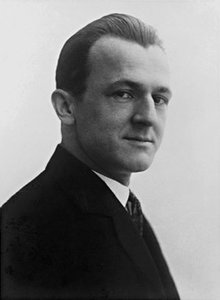
George Grosz
1893 - 1959 , Deutschland
Kurzinfos
- Bemerkenswerte Werke:
- Die Grube
- Die Stadt
- Angriff
- Dr. Billig
- Die Säulen der Gesellschaft
- Geburtsdatum: 26. Juli 1893
- Geburtsort: Berlin, Deutschland
- Künstlerische Bewegung: Dadaismus, Neue Sachlichkeit
- Künstlerische Einflüsse: ['Eduard von Grützner']
- Nationalität: Deutsch, Amerikanisch
- Todatum: 6. Juli 1959
- Vollständiger Name: George Grosz
Ähnliche Artikel

The Enduring Legacy of Oil on Canvas: Technique, History & Aesthetic Impact
Explore the rich history & techniques of oil painting – from Renaissance masters to Impressionism. Discover pigments, layering methods, and why this timeless medium endures. Expert insights for artists & art enthusiasts.

Georges Seurat: Die 25 Meisterwerke des Pointillismus für Ihr Zuhause | OriginalUniqueArt
Entdecken Sie die 25 ikonischsten Meisterwerke von Georges Seurat! Tauchen Sie ein in die Welt des Pointillismus, der Farbtheorie und des Impressionismus. Hochwertige Kunst reproduzieren für Ihr Zuhause – jetzt auf OriginalUniqueArt.com!

Meister des Kubismus: Die 25 bedeutendsten Kunstwerke von Georges Braque
Entdecken Sie die 25 Meisterwerke von Georges Braque und den Kubismus. Erleben Sie Weltklasse-Reproduktionen auf OriginalUniqueArt.com.
Graue Meisterwerke: Die 10 berühmtesten Gemälde im Licht der Stille |
Entdecken Sie die 10 berühmtesten Gemälde, die von Grautönen dominiert werden! Von Monet bis Whistler – erleben Sie die Geschichte und Schönheit dieser Meisterwerke. Finden Sie Ihre perfekte Reproduktion auf .
Meisterwerke in Grau: Die 10 berühmtesten Gemälde mit dunklen Farbtönen |
Entdecken Sie die 10 berühmtesten Gemälde, dominiert von dunklen Grautönen! Von expressionistischen Ikonen bis zu modernen Meisterwerken – erfahren Sie die Geschichten hinter den Künstlern und Techniken. Hochwertige Reproduktionen auf


