

 Vorschau anzeigen
 Versenden
 Teilen
 Details anzeigen
 Leitfaden

 Herunterladen
 Ähnliche Objekte
 Röntgenaufnahme
 Diashow
 Q&A
Q&A Statistiken
John the Murderer
 Oil On Canvas
- WallArt
- Cubist
 1918
1918 81.0 x 86.0 cm
 Weiterlesen
Die auf dieser Seite dargestellten Kunstwerke sind urheberrechtlich geschützt, was bedeutet, dass wir keine identische Reproduktion rechtmäßig erstellen oder verkaufen dürfen. Dieser Schutz wird durch internationale Abkommen wie die Berner Übereinkunft und durch nationale Gesetze, einschließlich derer, die von den US-Urheberrecht – Titel 17.
Diese Methode entspricht vollumfänglich den Urheberrechtsbestimmungen, da sie keine Kopie oder Vervielfältigung des geschützten Kunstwerks darstellt. Stattdessen handelt es sich um eine kreative Neuinterpretation – ein neues Gemälde, das vom Original inspiriert, aber nicht identisch mit ihm ist.
Giclée / Kunstdruck
Giclée- oder Leinwanddruck in Museumsqualität mit schneller Produktion und flexiblen Veredelungsoptionen. ( Handgemalte Reproduktion bestellen Zum digitalen Bild wechseln)




P118B €10

P118H €10

P118W €10

P438Z €10

P508JH €12

P508YH €12

P805H €10

P805Z €10

P919BZ €10

P919G €10

P919XJ €10

P959ZH €10

P968JZ €12

W106C €8

W218G €10

W218JH €8

W218Y €10

W307PJ €10

W316G €10

W316PJ €8

W316Y €10

W398PJ €8

W4111J €10

W500HY €15

W500JH €15

W692G €12

W849H €8

W940BG €15

W953PJ €8




Wählen Sie aus unseren vordefinierten Formaten, die den ursprünglichen Proportionen des Kunstwerks entsprechen.

Geben Sie die benötigte Breite und Höhe an, damit der Druck perfekt in Ihren Rahmen oder an Ihre Wand passt. Ein Druck kann nur beschnitten, aber niemals größer als das Originalbild angefertigt werden; daher verliert ein Format mit anderen Proportionen einen Teil des Bildes. Wir senden Ihnen ein digitales Mockup zur Freigabe, bevor wir den Druck ausführen. Das auf dieser Seite gezeigte Bild zeigt nicht den tatsächlichen Beschnitt – dies ist nur im Mockup ersichtlich.
Weltweiter Versand () innerhalb von 2 Wochen statt der üblichen 4/5 Wochen. (31 Oktober)

Kostenloser weltweiter Expressversand

Hochwertige Leinenleinwand

Umfassender Versicherungsschutz beim Versand

Zollgebühren-Rückerstattungsgarantie

Garantie für exakte Farbtreue

100 Tage Rückgaberecht (nur bei Mängeln)

100% Geld-zurück-Garantie

Mengenrabatt verfügbar
 Die Glasoption ist nur für Größen unter 110 cm verfügbar.

John the Murderer
Giclée / Kunstdruck
Format der Reproduktion
-


Endpreis
€ 71
A Glimpse into Moral Ambiguity: George Grosz's "John the Murderer"
To stand before George Grosz’s John the Murderer is not merely to observe a painting; it is to confront a raw, unsettling moment of human frailty. Created in the charged atmosphere of 1918, this oil on canvas piece transcends simple portraiture or narrative scene-setting. Instead, it plunges the viewer into a world steeped in moral ambiguity and societal decay. The composition itself—a man holding a woman suspended above him, observed by another figure in the background—is immediately arresting, forcing an uncomfortable intimacy upon all who gaze upon it. Grosz, ever the unflinching chronicler of his time, uses this visceral tableau to dissect the underbelly of human nature.
The Language of Cubism and Fragmentation
Technically, the painting is a masterful deployment of Cubist elements. This style, which allowed artists like Picasso to shatter conventional perspectives, serves here not just as an aesthetic choice but as a profound commentary on reality itself. The fragmentation inherent in the technique mirrors the fractured social order that defined post-war Berlin. Grosz refuses the viewer the comfort of a single, stable viewpoint; instead, we are presented with multiple angles simultaneously, contributing to an overall feeling of unease and psychological tension. This visual disorder is key to understanding the painting's emotional weight.
Symbolism in the Domesticated Horror
What elevates John the Murderer beyond mere sensationalism is Grosz’s meticulous placement of seemingly innocuous objects. Scattered throughout the scene are vases and a potted plant—symbols traditionally associated with domesticity, order, and fragile beauty. These elements act as a devastating counterpoint to the violence unfolding at the center. They whisper of normalcy in the face of atrocity, suggesting that the capacity for brutality can bloom unexpectedly within the most mundane settings. This juxtaposition forces us to question where the line between civilization and savagery truly lies.
A Reflection on Weimar Turmoil
George Grosz’s biography paints him as a satirist who lived through epochs of profound political upheaval, particularly the volatile Weimar Republic. John the Murderer is steeped in this historical context; it functions as a furious indictment rendered with jagged lines and grotesque caricature. It speaks to the moral rot that permeated the era—a time when societal structures seemed brittle enough to shatter under the weight of ideological fervor. Owning or displaying a reproduction of this work is therefore not just an aesthetic choice for one's interior, but a sophisticated nod to 20th-century social critique.
Bringing the Edge Home
For those who appreciate art that demands contemplation rather than passive admiration, this piece offers unparalleled depth. The combination of Grosz’s biting satire, the intellectual rigor of Cubism, and the unsettling symbolism of everyday objects makes John the Murderer a powerful focal point for any discerning collector or designer. It is an artwork that does not whisper its message; it confronts you with it, ensuring that every viewing becomes a charged moment of reflection on morality, power, and the fragile veneer of civilization.
Fragen & Antworten
Welche Stimmung erzeugen die Farben von "John the Murderer" von George Grosz?
In "John the Murderer" begleiten Dark-Farbtöne ein Tense Gefühl.
Inwiefern steht das Sujet von „John the Murderer“ in Beziehung zu den üblichen Themen von George Grosz?
"John the Murderer" stellt cubism, violence, social critique, nudity, figurative art, berlin art, human nature dar, während die dokumentierten Themen von George Grosz cubist fragmentation of modern life, critique of weimar society's decay, political satire on human depravity, early grosz social commentary sind. Ein Vergleich der beiden zeigt, wie das Werk mit den üblichen Sujets des Künstlers in Verbindung steht.
Ist "John the Murderer" von George Grosz gemeinfrei?
"John the Murderer" von George Grosz ist noch urheberrechtlich geschützt. Dieser Status bestimmt, wie das Bild des Werkes vervielfältigt werden darf.
Künstlerbiografie
Frühes Leben und Einflüsse
George Grosz, ein bedeutender Vertreter der Berliner Dada- und Neuen Sachlichkeit-Bewegung während der Weimarer Republik, wurde am 26. Juli 1893 in Berlin, Deutschland, geboren. Als Georg Ehrenfried Groß wuchs er in einer gläubig-lutherischen Familie auf, wobei sein Vater Gasthofbesitzer war. Grosz' frühes Leben war geprägt davon, dass seine Mutter nach dem Tod seines Vaters im Jahr 1901 die Verwalterin der Offizierskaserne der Husaren wurde.Künstlerische Entwicklung
Grosz begann seinen künstlerischen Weg unter der Anleitung eines lokalen Malers namens Grot und entwickelte seine Fähigkeiten weiter durch akribische Kopien von Trink- und Schlachtbildern Eduard von Grützners. Er studierte anschließend an der Kunstakademie Dresden (1909–1911) und später an der Berliner Kunsthochschule für Bildende Künste.Wichtige Werke und Stil
- „Die Strassenbahnszene“ ist ein frühes Werk, das Grosz' frühen Stil zeigt.
- „Das Pit“, ein Gemälde, das Grosz’ Dadaismus-Stil demonstriert, ist ein bemerkenswertes Beispiel für seine Arbeit.
- Zusammen mit anderen Werken wie „Der Agitator“ und „Die Säulen der Gesellschaft“ zeigen diese Arbeiten seine satirische Kritik an der deutschen bürgerlichen Gemeinschaft.
- Diese Werke sind durch ihre karikaturistische Natur gekennzeichnet, oft mit morbiden und grausamen Bildern, die die faschistischen Kräfte in Deutschland symbolisierten.
Museumsbestände und Ausstellungen
Grosz' Werk befindet sich in verschiedenen Museen, darunter die Kunstsammlungen und Museen Augsburg und die Kunsthalle Bielefeld, die beide für ihre umfangreichen Sammlungen deutscher Kunst bekannt sind.Späteres Leben und Vermächtnis
Grosz emigrierte 1933 in die Vereinigten Staaten, wo er 1938 die US-amerikanische Staatsbürgerschaft erhielt. Er unterrichtete an der Art Students League of New York und stellte weiterhin seine Werke aus, bis zu seiner Rückkehr nach Berlin, wo er am 6. Juli 1959 verstarb. Wichtige Punkte:- Grosz war ein prominentes Mitglied der Berliner Dada- und Neuen Sachlichkeit-Gruppe.
- Seine Arbeit ist durch satirische Kritik an der deutschen bürgerlichen Gemeinschaft gekennzeichnet.
- Er emigrierte 1933 in die Vereinigten Staaten und erhielt 1938 die US-amerikanische Staatsbürgerschaft.
- Grosz' Vermächtnis wird weiterhin gefeiert, seine Werke sind in verschiedenen Museen in Deutschland zu finden.
- Für weitere Informationen über George Grosz besuchen Sie https://OriginalUniqueArt.com/@/george-grosz.
- Erkunden Sie die Sammlung der Kunstsammlungen und Museen Augsburg unter https://OriginalUniqueArt.com/@@/a@d3b449.
- Entdecken Sie die Kunsthalle Bielefeld und ihre umfangreiche Sammlung deutscher Kunst unter https://OriginalUniqueArt.com/@@/a@d3bw2r.
Referenzen:
Liste der deutsch-amerikanischen Personen (Wikipedia)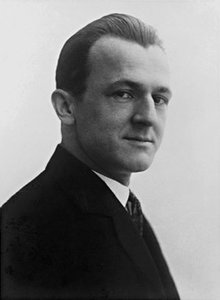
George Grosz
1893 - 1959 , Deutschland
Kurzinfos
- Bemerkenswerte Werke:
- Die Grube
- Die Stadt
- Angriff
- Dr. Billig
- Die Säulen der Gesellschaft
- Geburtsdatum: 26. Juli 1893
- Geburtsort: Berlin, Deutschland
- Künstlerische Bewegung: Dadaismus, Neue Sachlichkeit
- Künstlerische Einflüsse: ['Eduard von Grützner']
- Nationalität: Deutsch, Amerikanisch
- Todatum: 6. Juli 1959
- Vollständiger Name: George Grosz
Ähnliche Artikel

Georges Seurat: Die 25 Meisterwerke des Pointillismus für Ihr Zuhause | OriginalUniqueArt
Entdecken Sie die 25 ikonischsten Meisterwerke von Georges Seurat! Tauchen Sie ein in die Welt des Pointillismus, der Farbtheorie und des Impressionismus. Hochwertige Kunst reproduzieren für Ihr Zuhause – jetzt auf OriginalUniqueArt.com!

Giclée Prints: Archival Quality & Aesthetic Nuances for the Discerning Collector
Explore the world of giclée prints with OriginalUniqueArt. Learn about archival quality, aesthetic nuances & investment potential. Expert guidance for discerning art collectors seeking museum-quality reproductions and lasting value.

The Enduring Legacy of Fine Art Prints: Technique, History & Aesthetic Impact
Explore the rich history & techniques of fine art prints. Discover investment potential, assess authenticity, and learn how to preserve your collection with expert guidance. Trusted insights for discerning collectors.

Echoes of Time: Exploring the Enduring Appeal & Historical Context of Vintage Art Prints
Explore the captivating world of vintage art prints! Discover their history, collecting tips & enduring appeal. Expert insights on chromolithography and building a legacy collection with OriginalUniqueArt.

Meister des Kubismus: Die 25 bedeutendsten Kunstwerke von Georges Braque
Entdecken Sie die 25 Meisterwerke von Georges Braque und den Kubismus. Erleben Sie Weltklasse-Reproduktionen auf OriginalUniqueArt.com.


