

 Vorschau anzeigen
 Versenden
 Teilen
 Details anzeigen
 Leitfaden

 Herunterladen
 Ähnliche Objekte
 Röntgenaufnahme
 Diashow
 Statistiken
Erotic scene


 Weiterlesen
Die auf dieser Seite dargestellten Kunstwerke sind urheberrechtlich geschützt, was bedeutet, dass wir keine identische Reproduktion rechtmäßig erstellen oder verkaufen dürfen. Dieser Schutz wird durch internationale Abkommen wie die Berner Übereinkunft und durch nationale Gesetze, einschließlich derer, die von den US-Urheberrecht – Titel 17.
Diese Methode entspricht vollumfänglich den Urheberrechtsbestimmungen, da sie keine Kopie oder Vervielfältigung des geschützten Kunstwerks darstellt. Stattdessen handelt es sich um eine kreative Neuinterpretation – ein neues Gemälde, das vom Original inspiriert, aber nicht identisch mit ihm ist.
Giclée / Kunstdruck
Giclée- oder Leinwanddruck in Museumsqualität mit schneller Produktion und flexiblen Veredelungsoptionen. ( Handgemalte Reproduktion bestellen Zum digitalen Bild wechseln)




P118B €10

P118H €10

P118W €10

P438Z €10

P508JH €12

P508YH €12

P805H €10

P805Z €10

P919BZ €10

P919G €10

P919XJ €10

P959ZH €10

P968JZ €12

W106C €8

W218G €10

W218JH €8

W218Y €10

W307PJ €10

W316G €10

W316PJ €8

W316Y €10

W398PJ €8

W4111J €10

W500HY €15

W500JH €15

W692G €12

W849H €8

W940BG €15

W953PJ €8




Wählen Sie aus unseren vordefinierten Formaten, die den ursprünglichen Proportionen des Kunstwerks entsprechen.

Geben Sie die benötigte Breite und Höhe an, damit der Druck perfekt in Ihren Rahmen oder an Ihre Wand passt. Ein Druck kann nur beschnitten, aber niemals größer als das Originalbild angefertigt werden; daher verliert ein Format mit anderen Proportionen einen Teil des Bildes. Wir senden Ihnen ein digitales Mockup zur Freigabe, bevor wir den Druck ausführen. Das auf dieser Seite gezeigte Bild zeigt nicht den tatsächlichen Beschnitt – dies ist nur im Mockup ersichtlich.
Weltweiter Versand () innerhalb von 2 Wochen statt der üblichen 4/5 Wochen. (25 Oktober)

Kostenloser weltweiter Expressversand

Hochwertige Leinenleinwand

Umfassender Versicherungsschutz beim Versand

Zollgebühren-Rückerstattungsgarantie

Garantie für exakte Farbtreue

100 Tage Rückgaberecht (nur bei Mängeln)

100% Geld-zurück-Garantie

Mengenrabatt verfügbar
 Die Glasoption ist nur für Größen unter 110 cm verfügbar.

Erotic scene
Giclée / Kunstdruck
Format der Reproduktion
-


Endpreis
€ 70
A Raw Examination of Desire: George Grosz's Erotic Scene
George Grosz’s “Erotic Scene,” painted in watercolor on paper, is more than just a depiction of intimacy; it’s a searing indictment of the moral and social landscape of early 20th-century Germany. Created during the turbulent years of the Weimar Republic – a period defined by rapid industrialization, political instability, and a growing sense of societal decay – this artwork embodies Grosz's signature style: a brutally honest portrayal of human vulnerability and corruption. The scene unfolds with an arresting immediacy, capturing two figures locked in a passionate embrace, rendered with a deliberate lack of sentimentality that reflects the artist’s profound disillusionment.
- Historical Context: Grosz's work emerged from a period of immense social upheaval. The rise of fascism and the erosion of traditional values fueled his artistic rebellion, prompting him to expose the hypocrisy and moral bankruptcy he saw within German society.
- The Artist’s Vision: Grosz rejected academic conventions early in his career, prioritizing emotional impact over technical perfection. This is evident in the loose brushwork and distorted forms that contribute to the painting's unsettling power.
Technique and Materiality – A Dance of Wet Watercolor
The artwork’s remarkable effect stems directly from Grosz’s masterful manipulation of watercolor, a medium he embraced with an almost obsessive intensity. The dominant technique is “wet-on-wet,” where washes of color are applied to damp paper, allowing them to bleed and blend seamlessly. This creates a sense of fluidity and movement that perfectly captures the dynamism of the embrace. Hatching and cross-hatching are employed subtly for shading, adding depth without sacrificing the overall softness. The visible texture of the paper grain – a hallmark of watercolor – isn’t merely an accident; it's deliberately incorporated to enhance the tactile quality of the piece and evoke a sense of raw vulnerability.
- Layering and Glazing: Grosz skillfully utilizes layering and glazing techniques, building up tones gradually to achieve depth and luminosity.
- Material Choices: The use of watercolor on paper is crucial to the artwork’s aesthetic – it lends itself perfectly to the impressionistic style and the artist's desire to convey emotion over precise representation.
Symbolism, Emotion, and a Flattened Reality
The composition itself is deliberately unsettling. The figures are arranged in a central, almost claustrophobic space, their bodies intertwined with an intensity that borders on desperation. The flattened perspective – a deliberate rejection of traditional spatial realism – further intensifies the emotional impact, drawing the viewer into the scene and fostering a sense of intimacy and vulnerability. The muted color palette – dominated by pinks, creams, browns, and grays – contributes to the artwork’s melancholic atmosphere, suggesting a profound sadness beneath the surface of desire. The lack of sharp lines or defined edges reinforces this feeling, creating an impression of fragility and impermanence.
- Emotional Resonance: The painting evokes feelings of sensuality, vulnerability, and perhaps even a touch of despair – mirroring Grosz’s broader exploration of human suffering.
- Symbolic Weight: The scene can be interpreted as a metaphor for the loss of innocence and the destructive forces at play within society.
A Legacy of Social Commentary
“Erotic Scene” stands as a testament to George Grosz’s unwavering commitment to social realism and his willingness to confront uncomfortable truths. It's a powerful reminder of the artist's ability to translate personal disillusionment into a universally resonant critique of human nature and societal decay. This reproduction offers an unparalleled opportunity to experience firsthand the raw power and enduring relevance of one of Grosz’s most iconic works – a piece that continues to provoke, challenge, and captivate viewers over a century after its creation.
Fragen & Antworten
Ist ein hochauflösender Download von "Erotic scene" verfügbar?
Ein digitales Bild von "Erotic scene" von George Grosz kann auf der entsprechenden Digitales Kunstwerk-Seite erworben werden: hochauflösender digitaler Bild-Download.
Wer ist der Urheber von "Erotic scene" und welcher Stilrichtung ist das Werk zuzuordnen?
"Erotic scene" wurde von George Grosz im Stil der Expressionistic Satire geschaffen. Künstler und Epoche bestimmen die Tradition des Werkes.
Welche Bedeutung kommt "Erotic scene" von George Grosz in der Kunstgeschichte zu?
Historisch gesehen ist „Erotic scene“ ein Werk der Expressionistic Satire-Strömung aus der umfassenderen Ära der 19th Century.
Künstlerbiografie
Frühes Leben und Einflüsse
George Grosz, ein bedeutender Vertreter der Berliner Dada- und Neuen Sachlichkeit-Bewegung während der Weimarer Republik, wurde am 26. Juli 1893 in Berlin, Deutschland, geboren. Als Georg Ehrenfried Groß wuchs er in einer gläubig-lutherischen Familie auf, wobei sein Vater Gasthofbesitzer war. Grosz' frühes Leben war geprägt davon, dass seine Mutter nach dem Tod seines Vaters im Jahr 1901 die Verwalterin der Offizierskaserne der Husaren wurde.Künstlerische Entwicklung
Grosz begann seinen künstlerischen Weg unter der Anleitung eines lokalen Malers namens Grot und entwickelte seine Fähigkeiten weiter durch akribische Kopien von Trink- und Schlachtbildern Eduard von Grützners. Er studierte anschließend an der Kunstakademie Dresden (1909–1911) und später an der Berliner Kunsthochschule für Bildende Künste.Wichtige Werke und Stil
- „Die Strassenbahnszene“ ist ein frühes Werk, das Grosz' frühen Stil zeigt.
- „Das Pit“, ein Gemälde, das Grosz’ Dadaismus-Stil demonstriert, ist ein bemerkenswertes Beispiel für seine Arbeit.
- Zusammen mit anderen Werken wie „Der Agitator“ und „Die Säulen der Gesellschaft“ zeigen diese Arbeiten seine satirische Kritik an der deutschen bürgerlichen Gemeinschaft.
- Diese Werke sind durch ihre karikaturistische Natur gekennzeichnet, oft mit morbiden und grausamen Bildern, die die faschistischen Kräfte in Deutschland symbolisierten.
Museumsbestände und Ausstellungen
Grosz' Werk befindet sich in verschiedenen Museen, darunter die Kunstsammlungen und Museen Augsburg und die Kunsthalle Bielefeld, die beide für ihre umfangreichen Sammlungen deutscher Kunst bekannt sind.Späteres Leben und Vermächtnis
Grosz emigrierte 1933 in die Vereinigten Staaten, wo er 1938 die US-amerikanische Staatsbürgerschaft erhielt. Er unterrichtete an der Art Students League of New York und stellte weiterhin seine Werke aus, bis zu seiner Rückkehr nach Berlin, wo er am 6. Juli 1959 verstarb. Wichtige Punkte:- Grosz war ein prominentes Mitglied der Berliner Dada- und Neuen Sachlichkeit-Gruppe.
- Seine Arbeit ist durch satirische Kritik an der deutschen bürgerlichen Gemeinschaft gekennzeichnet.
- Er emigrierte 1933 in die Vereinigten Staaten und erhielt 1938 die US-amerikanische Staatsbürgerschaft.
- Grosz' Vermächtnis wird weiterhin gefeiert, seine Werke sind in verschiedenen Museen in Deutschland zu finden.
- Für weitere Informationen über George Grosz besuchen Sie https://OriginalUniqueArt.com/@/george-grosz.
- Erkunden Sie die Sammlung der Kunstsammlungen und Museen Augsburg unter https://OriginalUniqueArt.com/@@/a@d3b449.
- Entdecken Sie die Kunsthalle Bielefeld und ihre umfangreiche Sammlung deutscher Kunst unter https://OriginalUniqueArt.com/@@/a@d3bw2r.
Referenzen:
Liste der deutsch-amerikanischen Personen (Wikipedia)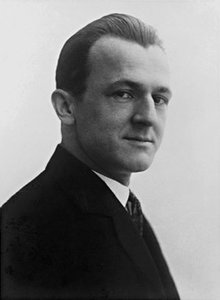
George Grosz
1893 - 1959 , Deutschland
Kurzinfos
- Bemerkenswerte Werke:
- Die Grube
- Die Stadt
- Angriff
- Dr. Billig
- Die Säulen der Gesellschaft
- Geburtsdatum: 26. Juli 1893
- Geburtsort: Berlin, Deutschland
- Künstlerische Bewegung: Dadaismus, Neue Sachlichkeit
- Künstlerische Einflüsse: ['Eduard von Grützner']
- Nationalität: Deutsch, Amerikanisch
- Todatum: 6. Juli 1959
- Vollständiger Name: George Grosz
Ähnliche Artikel

Liquid Gold: Master the Bold & Fluid Power of Watercolor Art
Unlock the bold energy of watercolor art. From historical masterpieces to custom photo-to-watercolor transformations, discover how to master the fluid power of light and pigment for your modern space. Expertly curated, high-impact art for the contemporary collector.

Ephemeral Visions: Exploring the Artistic Legacy & Contemporary Practice of Watercolor Painting
Explore the captivating world of watercolor painting! Discover its rich history, essential techniques, influential artists & collecting tips. A comprehensive guide for art enthusiasts from OriginalUniqueArt.

Flüchtige Visionen: Die Geschichte und emotionale Resonanz der Aquarellmalerei
Entdecken Sie die faszinierende Welt der Aquarellmalerei! Von historischen Ursprüngen bis zu modernen Techniken – wir bieten Expertenwissen, Inspiration und Tipps für Anfänger & Fortgeschrittene.

Die 10 legendärsten Aquarellwerke der Kunstgeschichte – Meisterwerke für Ihr Zuhause
Entdecken Sie die 10 legendärsten Aquarellwerke der Kunstgeschichte! Von Turner bis Monet – erleben Sie die Geschichten, Techniken & Farben dieser Meisterwerke. Finden Sie hochwertige Kunstdrucke auf OriginalUniqueArt.com und gestalten Sie Ihr Zuhause mit zeitloser Eleganz.

Ephemeral Visions: Exploring the Artistic Legacy & Nuances of Watercolor Painting
Explore the captivating world of watercolor painting! Discover its rich history, essential techniques, influential artists & collecting tips from art experts. A comprehensive guide for enthusiasts.


