
 In echtem Maßstab anzeigen
 Versenden
 Teilen
 Details anzeigen

 Herunterladen
 Ähnliche Objekte
 Röntgenaufnahme
 Diashow starten
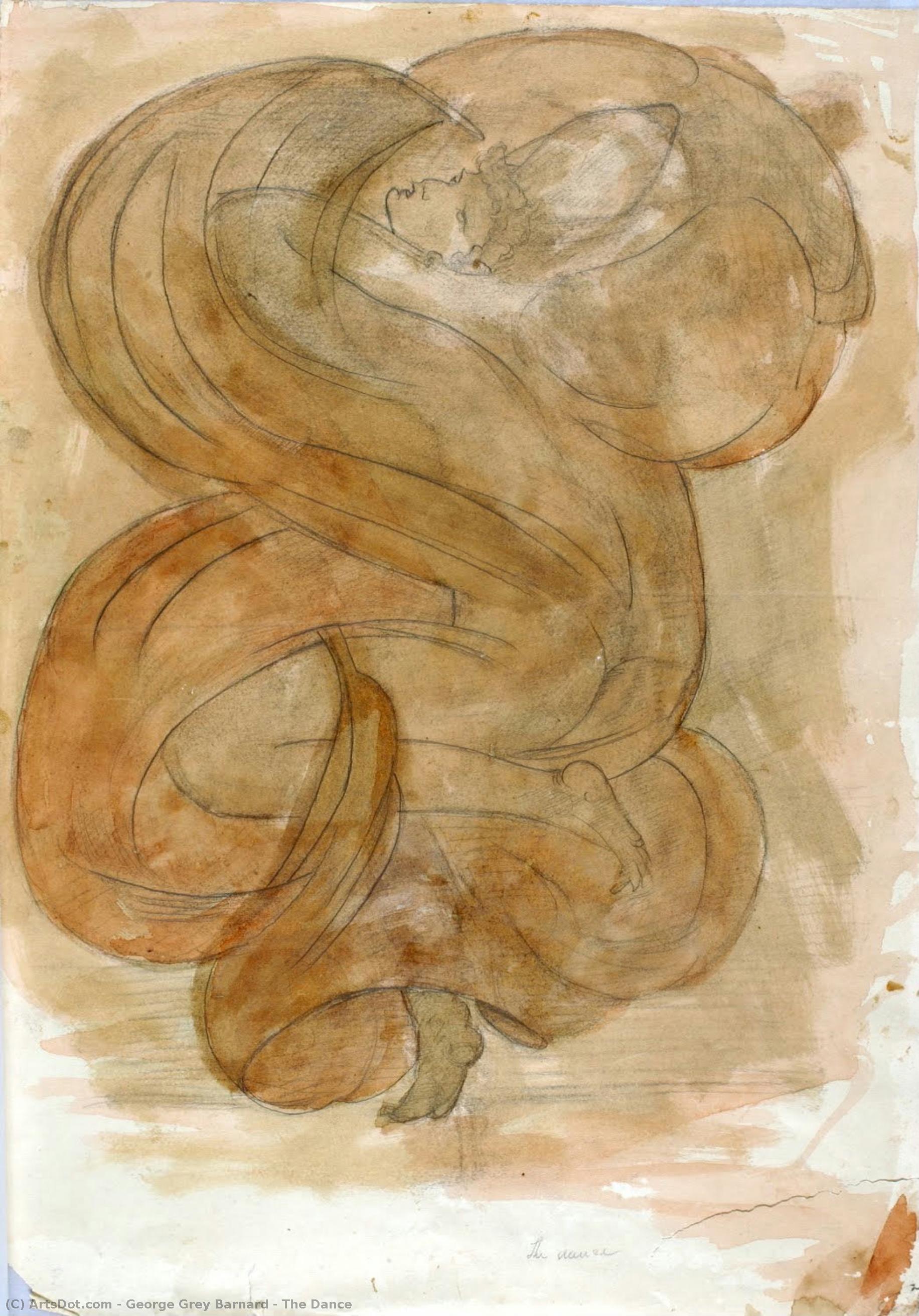
The Dance
 Oil On Canvas
- WallArt
- Impressionism
 1910
1910 50.0 x 35.0 cm
 Smithsonian American Art Museum
 Mehr anzeigen
Giclée / Kunstdruck
Giclée- oder Leinwanddruck in Museumsqualität mit schneller Produktion und flexiblen Veredelungsoptionen. ( Zur handgemalten Reproduktion wechseln Zum Bild wechseln)




P118B $10

P118H $10

P118W $10

P438Z $10

P508JH $12

P508YH $12

P805H $10

P805Z $10

P919BZ $10

P919G $10

P919XJ $10

P959ZH $10

P968JZ $12

W106C $8

W218G $10

W218JH $8

W218Y $10

W307PJ $10

W316G $10

W316PJ $8

W316Y $10

W398PJ $8

W4111J $10

W500HY $15

W500JH $15

W692G $12

W849H $8

W940BG $15

W953PJ $8




Wählen Sie aus unseren vordefinierten Formaten, die den ursprünglichen Proportionen des Kunstwerks entsprechen.

Sie können Ihre eigenen Maße eingeben, um ein bestimmtes Format oder einen speziellen Platz einzupassen. Wenn das von Ihnen gewählte Format nicht den Proportionen des Originalbildes entspricht, werden wir das Kunstwerk entweder beschneiden oder das Bild mit einem gespiegelten oder einfarbigen Rand erweitern. Ein digitaler Entwurf wird Ihnen zur Genehmigung zugesandt, bevor die Produktion beginnt.
Bitte beachten Sie, dass die Vorschau auf dem Bildschirm nicht den tatsächlichen Zuschnitt oder die Erweiterung widerspiegelt. Nur der Entwurf zeigt die endgültige Komposition präzise an.
Obwohl Sondermaße verfügbar sind, empfehlen wir die Auswahl eines Maßes aus der vordefinierten Liste, um die ursprünglichen Proportionen zu bewahren.
Weltweiter Versand () innerhalb von 2 Wochen statt der üblichen 4/5 Wochen. (6 August)

Kostenloser weltweiter Expressversand

Hochwertige Leinenleinwand

Vollumfänglicher Versicherungsschutz beim Versand

Zollgebühren-Rückerstattungsgarantie

Garantie für exakte Farbtreue

60 Tage Rückgaberecht (nur bei Mängeln)

100% Geld-zurück-Garantie

Angebot für Mengenrabatt
 Die Glasoption ist nur in Größen unter 110 cm verfügbar.

The Dance
Giclée / Kunstdruck
Format der Reproduktion
-


Gesamtpreis
$ 80
Objektbeschreibung
A Life Forged in Stone: The World of George Grey Barnard
George Grey Barnard, born in Bellefonte, Pennsylvania, in 1863, was an American sculptor whose career unfolded against a backdrop of shifting artistic tides and burgeoning national identity. His life story is one of relentless pursuit – a journey from the rural landscapes of his youth to the hallowed halls of Parisian art academies, and ultimately, to establishing himself as a pivotal figure in American sculpture. The son of a Presbyterian minister, Barnard’s early years were marked by frequent relocation across Illinois, yet it was within this itinerant existence that an artistic sensibility began to blossom. He initially honed his skills at the Art Institute of Chicago under Leonard Volk, demonstrating an innate talent for modeling and form – a foundation upon which he would build a remarkable career. This initial spark propelled him towards Paris in 1883, where he immersed himself in the rigorous training of the École Nationale Supérieure des Beaux-Arts, absorbing the influences of Impressionism and forging his own distinctive artistic voice.The Artwork: “The Dance”
“The Dance,” created between 1898 and 1910, exemplifies Barnard’s masterful command of watercolor and oil wash on paper. Measuring 50 x 35 cm, the painting depicts a woman engaged in movement—a captivating portrayal of grace and dynamism. The artist skillfully captures the essence of dance through careful observation and expressive brushwork. Note the fluid lines delineating the dancer's form, conveying a sense of effortless motion against a softly blurred background. Barnard’s technique prioritizes capturing fleeting moments of emotion and atmosphere, aligning him with the tenets of Impressionism.Style and Technique: Impressionistic Influences
Barnard’s artistic approach is undeniably rooted in Impressionist principles. Like Monet and Renoir, he eschewed meticulous detail in favor of conveying light and color—a deliberate decision to prioritize perceptual experience over photographic realism. The warm hues dominating the palette – ochre yellows, crimson reds, and earthy browns – contribute to an overall feeling of warmth and vibrancy. Barnard’s layering technique—applying thin washes of watercolor followed by thicker oil glazes—creates a textured surface that enhances the illusion of depth and luminosity. This meticulous process underscores his dedication to capturing the subtleties of light and shadow.Historical Context: American Sculpture Emerges
“The Dance” reflects the broader artistic landscape of late 19th-century America, where sculpture was undergoing significant transformation. Prior to Barnard’s arrival in Paris, American sculpture largely adhered to academic conventions—characterized by idealized figures and polished surfaces. However, Barnard's exposure to European avant-garde movements spurred him to experiment with new forms and techniques, signaling a decisive break from tradition. His work aligns with the burgeoning interest in capturing human emotion and movement—a trend that would ultimately propel American sculpture into the 20th century.Symbolism and Emotional Impact
The image itself speaks volumes about themes of freedom, joy, and feminine beauty. The dancer’s posture embodies a spirit of liberation—a rejection of constraints and an embrace of spontaneity. Barnard's masterful use of color and brushwork evokes feelings of energy and passion, inviting the viewer to contemplate the transformative power of art. “The Dance” transcends mere representation; it aspires to communicate an inner state of being—a testament to Barnard’s profound understanding of human psychology and his ability to translate emotion onto canvas.Conclusion: A Legacy of Artistic Innovation
George Grey Barnard's contribution to American sculpture is undeniable. "The Dance," alongside numerous other works, solidified his reputation as a visionary artist who championed Impressionistic ideals while forging an enduring connection with the spirit of his time. It remains a compelling example of artistic innovation—a celebration of movement and emotion that continues to inspire admiration and contemplation decades after its creation.Künstlerbiografie
George Grey Barnard: Ein Leben in Bildhauerei und Sammlung
- Geboren: 24. Mai 1863, Bellefonte, Pennsylvania
- Gestorben: 24. April 1938, New York City, New York
Frühes Leben und Ausbildung
- Barnards frühes Leben war geprägt von häufigen Umzügen aufgrund der Tätigkeit seines Vaters als Pfarrer. Er verbrachte seine prägenden Jahre in Kankakee, Illinois, wo er ein Interesse an Kunst entwickelte.
- Er studierte zunächst am Art Institute of Chicago unter Leonard Volk und zeigte eine natürliche Begabung für Modellieren und Formgebung.
- Seine weitere Ausbildung führte ihn nach Paris, wo er von 1883 bis 1887 die École Nationale Supérieure des Beaux-Arts besuchte. Er arbeitete in der Werkstatt von Pierre-Jules Cavelier und verfeinerte seine Fähigkeiten in klassischen Techniken.
- Seine Zeit in Paris war entscheidend, dauerte zwölf Jahre und gipfelte in einem erfolgreichen Debüt im Salon von 1894.
Künstlerische Entwicklung und Hauptwerke
- Frühe Einflüsse: Barnards frühe Arbeit zeigte einen starken Einfluss von Auguste Rodin, der sich in seiner Erforschung der menschlichen Form und Emotionen widerspiegelte.
- Symbolische Themen: Seine Hauptwerke sind größtenteils symbolischen Charakters und erforschen Themen wie Dualität, Kampf und die Komplexität der menschlichen Natur.
- Bemerkenswerte Skulpturen:
- Struggle of the Two Natures in Man (1894): Ein bahnbrechendes Werk, das im Metropolitan Museum of Art ausgestellt wurde und seinen allegorischen Stil zeigt.
- The Hewer (1902): Demonstriert seine Fähigkeit, Arbeit und Stärke einzufangen.
- Great God Pan (1899): Ein kontroverses Werk, das zunächst wegen seiner Nacktheit abgelehnt wurde, später aber der Columbia University gespendet wurde.
- Rose Maiden (ca. 1902): Eine anmutige Darstellung von Weiblichkeit.
- Maidenhood (1896): Bekannt für ihre Einfachheit und Eleganz.
- Skulpturen im Pennsylvania State Capitol: Zwischen 1902 und 1910 schuf Barnard eine monumentale Reihe von Skulpturen für das Pennsylvania State Capitol in Harrisburg, die über sechzig Figuren darstellen, die die menschliche Geschichte verkörpern – ein bedeutender Auftrag, der ihm sowohl Anerkennung als auch finanzielle Herausforderungen bescherte.
- Abraham Lincoln Statue: Seine größere-als-lebensgroße Statue von Abraham Lincoln (1917) löste eine Debatte aufgrund ihrer unkonventionellen Darstellung aus, doch sie bleibt ein kraftvolles Symbol für den Charakter des Präsidenten. Güsse wurden in Cincinnati, Manchester, England und Louisville, Kentucky angefertigt.
Sammler und Kurator
- Sammlung mittelalterlicher Kunst: Barnard war ein begeisterter Sammler von Fragmenten mittelalterlicher Architektur, die er vor dem Ersten Weltkrieg aus französischen Dörfern sammelte.
- The Cloisters Foundation: Seine umfangreiche Sammlung bildete den Kern dessen, was später als The Cloisters bekannt wurde, einem Zweig des Metropolitan Museum of Art, der sich der mittelalterlichen Kunst und Architektur widmet. John D. Rockefeller Jr. kaufte die Sammlung 1925.
Vermächtnis und historische Bedeutung
- Barnards Werk wird für seine Mischung aus klassischer Ausbildung und symbolischem Ausdruck anerkannt. Er forderte konventionelle künstlerische Normen mit seinen unkonventionellen Darstellungen heraus, insbesondere in seiner Lincoln-Statue.
- Sein Beitrag zur amerikanischen Bildhauerei ist bedeutend und überbrückt die Kluft zwischen europäischen Traditionen und einer einzigartig amerikanischen Ästhetik.
- Die Gründung von The Cloisters zeugt von seiner Leidenschaft für mittelalterliche Kunst und seinem bleibenden Einfluss auf den Kulturschutz.
- Er wurde 189x zum assoziierten Mitglied der National Academy of Design gewählt und 1902 zum Akademiker.

George Grey Barnard
1863 - 1938 , Vereinigte Staaten von Amerika
Eckdaten zum Künstler
- Bemerkenswerte Werke:
- Struggle of Two Natures
- Lincoln Statue (Cincinnati)
- The Hewer
- Great God Pan
- Rose Maiden
- Maidenhood
- Einflüsse: ['Auguste Rodin']
- Geburtsdatum: 24. Mai 1863
- Geburtsort: Bellefonte, USA
- Künstlerische Richtung: Symbolischer Bildhauer
- Nationalität: Amerikanisch
- Sterbedatum: 24. April 1938
- Vollständiger Name: George Grey Barnard
Verwandte Artikel

Georges Braque: Die 25 Meisterwerke des Kubismus für Ihr Zuhause | OriginalUniqueArt
Entdecken Sie die 25 bedeutendsten Kunstwerke von Georges Braque – vom Kubismus bis zum Fauvismus. Erfahren Sie die Geschichten hinter den Meisterwerken und finden Sie hochwertige Reproduktionen für Ihr Zuhause auf OriginalUniqueArt.com.

Georges Seurat: Die 25 Meisterwerke des Pointillismus für Ihr Zuhause | OriginalUniqueArt
Entdecken Sie die 25 ikonischsten Meisterwerke von Georges Seurat! Tauchen Sie ein in die Welt des Pointillismus, der Farbtheorie und des Impressionismus. Hochwertige Kunst reproduzieren für Ihr Zuhause – jetzt auf OriginalUniqueArt.com!
Die 25 Meisterwerke des Metropolitan Museum of Art: Kunst für Ihr Zuhause | OriginalUniqueArt
Entdecken Sie die 25 berühmtesten Kunstwerke des Metropolitan Museum of Art, New York! Von Van Gogh bis Monet – erleben Sie Geschichten hinter Meisterwerken. Hochwertige Reproduktionen & Inspiration für Ihr Zuhause auf OriginalUniqueArt.com.

James Abbott McNeill Whistler: Die 25 Meisterwerke für Ihr Zuhause | OriginalUniqueArt
Entdecken Sie die 25 Meisterwerke von James Abbott McNeill Whistler! Von den berühmten Nocturnes bis zu ikonischen Porträts – erleben Sie Ästhetizismus, Impressionismus & Tonalismus. Hochwertige Reproduktionen auf OriginalUniqueArt.com.

Die 25 Meisterwerke des Detroit Institute of Arts: Kunst für Ihr Zuhause | OriginalUniqueArt
Entdecken Sie die 25 ikonischsten Kunstwerke des Detroit Institute of Arts! Von Van Gogh bis Monet – erleben Sie Geschichten, Techniken & Farben. Hochwertige Kunstdrucke und Reproduktionen für Ihr Zuhause auf OriginalUniqueArt.com.



