
 Vorschau anzeigen
 Versenden
 Teilen
 Details anzeigen
 Leitfaden

 Herunterladen
 Ähnliche Objekte
 Röntgenaufnahme
 Diashow
 Fragen & Antworten
 Statistiken
Sharpening the Saw

 Weiterlesen
Die auf dieser Seite dargestellten Kunstwerke sind urheberrechtlich geschützt, was bedeutet, dass wir keine identische Reproduktion rechtmäßig erstellen oder verkaufen dürfen. Dieser Schutz wird durch internationale Abkommen wie die Berner Übereinkunft und durch nationale Gesetze, einschließlich derer, die von den US-Urheberrecht – Titel 17.
Diese Methode entspricht vollumfänglich den Urheberrechtsbestimmungen, da sie keine Kopie oder Vervielfältigung des geschützten Kunstwerks darstellt. Stattdessen handelt es sich um eine kreative Neuinterpretation – ein neues Gemälde, das vom Original inspiriert, aber nicht identisch mit ihm ist.
Giclée / Kunstdruck
Giclée- oder Leinwanddruck in Museumsqualität mit schneller Produktion und flexiblen Veredelungsoptionen. ( Handgemalte Reproduktion bestellen Zum digitalen Bild wechseln)




































Wählen Sie aus unseren vordefinierten Formaten, die den ursprünglichen Proportionen des Kunstwerks entsprechen.

Geben Sie die benötigte Breite und Höhe an, damit der Druck perfekt in Ihren Rahmen oder an Ihre Wand passt. Ein Druck kann nur beschnitten, aber niemals größer als das Originalbild angefertigt werden; daher verliert ein Format mit anderen Proportionen einen Teil des Bildes. Wir senden Ihnen ein digitales Mockup zur Freigabe, bevor wir den Druck ausführen. Das auf dieser Seite gezeigte Bild zeigt nicht den tatsächlichen Beschnitt – dies ist nur im Mockup ersichtlich.
Weltweiter Versand () innerhalb von 2 Wochen statt der üblichen 4/5 Wochen. (5 November)

Kostenloser weltweiter Expressversand

Hochwertige Leinenleinwand

Umfassender Versicherungsschutz beim Versand

Zollgebühren-Rückerstattungsgarantie

Garantie für exakte Farbtreue

100 Tage Rückgaberecht (nur bei Mängeln)

100% Geld-zurück-Garantie

Mengenrabatt verfügbar
 Die Glasoption ist nur für Größen unter 110 cm verfügbar.

Sharpening the Saw
Giclée / Kunstdruck
Format der Reproduktion
-


Endpreis
€ 72
Künstlerbiografie
The Luminous Legacy of Frederick William Davis
Frederick William Davis stands as a singular figure in the burgeoning landscape of American Impressionist painting—a testament to an artistic vision nurtured amidst the rugged, mist-shrouded beauty of the Pacific Northwest. Born circa 1860, Davis emerged during a transformative era in American art, carving out a niche that balanced the precision of realism with the ethereal qualities of light and atmosphere. While history often highlights contemporaries such as Thomas Moran or Frederic Remington, Davis occupied a vital space within a smaller, influential cohort of artists dedicated to capturing the fleeting essence of coastal environments through a lens of profound sensitivity.
His formative years in Seattle, Washington, provided a rich tapestry of visual inspiration. During the late Victorian era, a period defined by both rapid industrial expansion and a romanticized fascination with the American frontier, Davis found his muse in the churning waters of the Puget Sound and its surrounding islands. His early explorations into watercolor landscapes revealed an immediate, instinctive ability to translate the sensory experience of moisture, light, and salt air onto paper. This foundational period was not merely about documentation but about an emotional response to the landscape, a trait that would define his lifelong pursuit of atmospheric perspective.
As his technical mastery deepened, Davis looked toward the masters of Europe to refine his approach. He was profoundly influenced by the Impressionist luminaries Claude Monet and Camille Pissarro, meticulously studying their revolutionary use of broken color and layered brushwork. By integrating these techniques, he achieved a remarkable synthesis: a style that maintained a sense of structural realism while embracing the expressive, shimmering qualities of light. This evolution allowed him to move beyond simple representation, instead inviting the viewer to feel the temperature of the breeze and the weight of the coastal fog.
A Journey Through Light and Instruction
The trajectory of Davis’s career was marked by a significant migration eastward, leading him to the vibrant art scene of New York City in 1893. This transition proved pivotal for both his personal development and his contribution to American art education. Establishing himself as a respected instructor at the prestigious Pratt Institute, Davis became a conduit for Impressionist ideals, disseminating his stylistic principles to a new generation of aspiring painters. His role as an educator ensured that the nuances of light-centric painting and the importance of color theory would continue to resonate within the American academic tradition.
Despite his presence in the urban art centers of the East Coast, Davis’s heart remained tethered to the natural grandeur of the American landscape. His versatility as a painter allowed him to traverse diverse terrains, from the rugged, salt-sprayed coastlines of Maine to the serene, rolling vistas of Vermont's Green Mountains. This breadth of subject matter showcased an unwavering commitment to portraying nature with both precision and poetic grace. Whether depicting the maritime drama of a ship navigating coastal swells or the quiet stillness of a mountain glade, his work remained anchored in a deep respect for the organic world.
The historical significance of Frederick William Davis lies in his ability to bridge the gap between the traditional landscape traditions of the 19th century and the modern, sensory-driven approach of Impressionism. His paintings serve as more than mere windows into the past; they are enduring studies of how light interacts with the physical world. Through his evocative use of color and his dedication to capturing the ephemeral, Davis helped establish a uniquely American maritime and coastal aesthetic that continues to captivate collectors and historians alike.
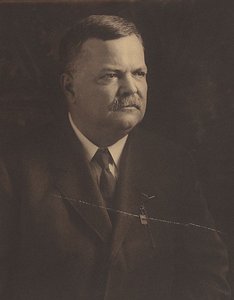
Kurzinfos
- Full Name: Frederick William Davis
- Nationality: American
- Place Of Birth: United States
- Notable Artworks: ['The Tempest']
- Artistic Movement Or Style: Maritime Art
- Artists Who Influenced This Artist: ['Winslow Homer']
- Artists Or Movements Influenced By This Artist: ['Hudson River School']