Heidelberg School · 1886
Lost (Frederick McCubbin, 1886)
Frederick McCubbin (1855–1917) schuf Lost. Es stammt aus dem Jahr 1886. Es gehört zur Heidelberg School-Strömung. Es ist aus Acryl auf Leinwand gefertigt. Es befindet sich im National Gallery of Victoria in Melbourne, Australien. Die Maße sind 115 × 73 cm.
- 1886
- Acryl auf Leinwand
- 115 × 73 cm
- National Gallery of Victoria, Melbourne

 Vorschau anzeigen

 Handgemaltes Ölgemälde
 Versenden
 Teilen
 Datenblatt


 Herunterladen
 Ähnliche Objekte
 Röntgenaufnahme
 Diashow
 Fragen & Antworten

 Statistiken
Lost im Überblick
- Titel
- Lost
- Künstler
- Frederick McCubbin (1855–1917)
- Geburtsjahr des Künstlers
- Melbourne, Australien
- Datum
- 1886
- Medium
- Acryl auf Leinwand
- Maße
- 115 × 73 cm
- Ausstellungsort
- National Gallery of Victoria, Melbourne, Australien
- Bewegung
- Heidelberg School
Was stellt Lost dar?
The Haunting Beauty of Frederick McCubbin’s “Lost”
Frederick McCubbin's "Lost," painted in 1886, isn’t merely a landscape; it’s a poignant meditation on vulnerability, isolation, and the enduring spirit of the Australian outback. This evocative work, housed within the National Gallery of Victoria, transcends its simple depiction of a young girl wandering through a eucalyptus forest to become a powerful symbol of Australia's nascent national identity and the complex relationship between humanity and the vast wilderness.
The painting immediately draws the eye with its masterful use of light and shadow. McCubbin, a key figure in the Heidelberg School movement, employed an impressionistic technique—not in the purely optical sense, but rather to capture the *feeling* of the landscape. The dappled sunlight filtering through the trees creates a shimmering effect, lending an ethereal quality to the scene. Notice how he utilizes broken brushstrokes and subtle color variations to suggest depth and atmosphere, moving beyond a straightforward representation towards a more emotionally resonant portrayal.
Echoes of Tradition: Folklore and Literary Roots
“Lost” isn’t born in a vacuum; it resonates deeply with a long-standing tradition within Australian literature and folklore. The theme of the lost child, wandering alone in the bush, has been a recurring motif for centuries, reflecting anxieties about frontier life, the dangers of the wilderness, and the vulnerability of those who venture into its depths. McCubbin’s painting taps directly into this established narrative, referencing the tragic story of Clara Crosbie, a twelve-year-old girl who disappeared in the Yarra Valley in 1885. While the specific inspiration remains debated, the painting undeniably evokes the same sense of unease and potential peril that gripped the nation during that period.
Interestingly, McCubbin himself cited Arthur Loureiro’s 1885 painting depicting a girl in a similar forest setting as a key influence. This connection highlights the cross-cultural exchange of artistic ideas within Melbourne's vibrant art scene at the time – a melting pot of European and Indigenous influences. The inclusion of this reference suggests McCubbin was consciously engaging with established visual tropes while simultaneously forging his own unique style.
Symbolism and Emotional Resonance
The girl herself is a potent symbol, representing innocence, vulnerability, and the precariousness of human existence within the overwhelming power of nature. Her simple attire—a hat shielding her from the sun—and her solitary journey speak to a profound sense of isolation. The path she follows, barely discernible amidst the dense undergrowth, symbolizes the uncertainty of life’s journey and the potential for getting lost, both literally and metaphorically.
The forest itself is not merely a backdrop; it's an active participant in the scene. Its towering eucalyptus trees, rendered with meticulous detail, exude a sense of ancient wisdom and silent observation. The muted palette—dominated by greens, browns, and ochres—creates a mood of melancholy and contemplation. It’s a landscape that simultaneously invites and warns, offering beauty alongside potential danger.
A Legacy in Reproduction: Bringing “Lost” to Your Space
Reproductions of "Lost" capture the essence of McCubbin's original vision, allowing you to bring this iconic Australian artwork into your home or office. When selecting a reproduction, consider the medium – archival-quality prints on canvas offer exceptional detail and longevity, while museum-grade paper reproductions provide a stunning visual experience. Whether displayed in a formal study or a rustic living room, “Lost” will undoubtedly serve as a captivating conversation piece, prompting reflection on Australia’s rich history, its connection to the land, and the enduring allure of the bush.
In welchem Museum befindet sich Lost?
National Gallery of Victoria
Melbourne, Australien
Ursprung und Geschichte der National Gallery of Victoria Die National Gallery of Victoria wurde im Jahr 1861 ins Leben gerufen. Ihre Gründung fiel in die Ära des Goldrausches, eine Zeit des rasanten Aufstiegs der Kolonie. In ihren Anfängen war die Institution lediglich ein bescheidenes Depot für Gipsabgüsse, die eine Verbindung zu den etablierten künstlerischen Traditionen Europas herstellen sollten.


Hochauflösende Bilder von Lost

Gemeinfrei: Der Künstler verstarb im Jahr 1917.
Andere Formate, Ausschnitte und Zitierhinweise →Frederick McCubbin, Lost (1886), National Gallery of Victoria. Gemeinfreiheit
Fragen zu Lost, beantwortet
Wo kann man "Lost" von Frederick McCubbin heute besichtigen?
"Lost" von Frederick McCubbin wird im National Gallery of Victoria, Melbourne, Australien ausgestellt. Die Museumsangabe bezieht sich auf das Originalwerk, nicht auf Reproduktionen.
In welchem Jahr wurde "Lost" von Frederick McCubbin geschaffen?
"Lost" stammt aus dem Jahr 1886. Dieses Datum ordnet das Werk in die Schaffensperiode von Frederick McCubbin sowie in dessen Epoche ein.
Welche Technik wurde für "Lost" von Frederick McCubbin verwendet?
Das Medium von "Lost" von Frederick McCubbin ist Acryl auf Leinwand. Die Reproduktionen zielen darauf ab, die Optik dieser Technik wiederzugeben.
Welche Maße hat "Lost" von Frederick McCubbin im Original?
Das Originalwerk "Lost" hat die Maße 115 x 73 cm. Die Originalmaße dienen als hilfreiche Orientierungshilfe bei der Wahl der Reproduktionsgröße.
Ist "Lost" von Frederick McCubbin gemeinfrei?
Was das Urheberrecht betrifft, so ist "Lost" gemeinfrei – das Urheberrecht ist abgelaufen.
Wer ist der Künstler hinter "Lost"?
Der Künstler hinter „Lost“ ist Frederick McCubbin. Das Werk ist unter dem Namen von Frederick McCubbin katalogisiert.
Welcher Kunstrichtung lässt sich "Lost" von Frederick McCubbin zuordnen?
„Lost“ ist ein Werk der Heidelberg School. Die Stilrichtung gibt die künstlerische Tradition an, der das Werk angehört.
Welcher Phase in der künstlerischen Entwicklung von Frederick McCubbin lässt sich "Lost" zuordnen?
"Lost" repräsentiert die Late Period von Frederick McCubbin.
Wie alt war Frederick McCubbin, als „Lost“ im Jahr 1886 geschaffen wurde?
Frederick McCubbin war 31 Jahre alt, als Lost im Jahr 1886 geschaffen wurde. Das Alter berechnet sich aus dem Geburtsjahr des Künstlers, 1855.
Über den Künstler, Frederick McCubbin

1855–1917, Australien
Frederick McCubbin
Frederick McCubbin: Ein Pionier der australischen Impressionismus Geboren: Melbourne, Australien (25. Februar 1855) Gestorben: 20. Dezember 1917 Frederick McCubbin gilt als eine zentrale Figur in der australischen Kunstgeschichte und ist bekannt für seine Beiträge zur Heidelberg School Bewegung und seine eindringlichen Darstellungen des australischen Lebens. Geboren in einer Familie von Bäckern, war sein frühes Leben von vielfältigen Erfahrungen geprägt – vom Arbeiten als Anwaltsgehilfe bis zum Brot austragen –, bevor er sich ganz der Malerei widmete.
Über Frederick McCubbin Bemerkenswerte Werke von Frederick McCubbin
Ebenfalls von Frederick McCubbin
 Landschaft von Williamstown1910
 Auf dem Wallaby-Pfad1896
 Wintersonne1908
 J. A. Panton, Esq. M.P.1904

Essays zu Lost
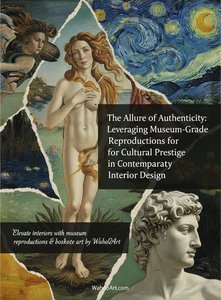 Die Aura der Authentizität: Museumsgüte-Reproduktionen für zeitgenössisches Interior DesignEntdecken Sie hochwertige Kunstreproduktionen in Museumsgüte bei OriginalUniqueArt.com. Handgemalte Gemälde, individuelle Gestaltung & Kuns…
 The Australian Light: Traditions of Heidelberg School LandscapesExplore the mastery of the Heidelberg School and its iconic landscape artists. Discover the evolution of Australian light today.
 A Study in Melancholy: Finding Human Sorrow within the Post-Impressionist TraditionExplore the profound expression of grief through Munch, Van Gogh, and Degas. Discover the soul of Post-Impressionism with our expert study.