In echtem Maßstab anzeigen
 Versenden als Grußkarte
 Teilen
 Details anzeigen
 Leitfaden öffnen

 Herunterladen
 Ähnliche Objekte
 Röntgenaufnahme
 Diashow
 Besucherstatistiken
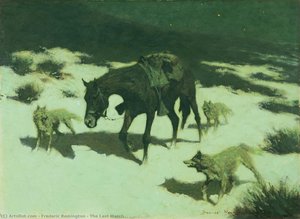
Der letzte Marsch


 Mehr anzeigen
Handgefertigte Ölreproduktion
Handgemaltes Ölgemälde auf Leinwand in Ihrer Wunschgröße und mit Rahmen, auf Bestellung von unseren Künstlern angefertigt. ( Zum Druck wechseln Zum digitalen Bild wechseln)




P118B €10

P118H €10

P118W €10

P438Z €10

P508JH €12

P508YH €12

P805H €10

P805Z €10

P919BZ €10

P919G €10

P919XJ €10

P959ZH €10

P968JZ €12

W106C €8

W218G €10

W218JH €8

W218Y €10

W307PJ €10

W316G €10

W316PJ €8

W316Y €10

W398PJ €8

W4111J €10

W500HY €15

W500JH €15

W692G €12

W849H €8

W940BG €15

W953PJ €8




Wählen Sie aus unseren vordefinierten Formaten, die den ursprünglichen Proportionen des Kunstwerks entsprechen.

Geben Sie die Breite und die Höhe an, die Sie für Ihren Rahmen oder Ihre Wand benötigen. Da dieses Werk handgemalt ist, kann der Künstler bei einer anderen Form etwas mehr um das Bild herum malen oder etwas abschneiden – Sie entscheiden. Wir senden Ihnen ein digitales Mockup zur Freigabe, bevor mit dem Malen begonnen wird. Das auf dieser Seite gezeigte Bild stellt nicht das tatsächliche Ergebnis dar – dies tut nur das Mockup.
Nach der Bestellung wird das OriginalUniqueArt.com-Team dem Kunden Anweisungen per E-Mail zusenden und eine Mockup-Vorschau bereitstellen.
Weltweiter Versand () in nur 3 bis 4 Wochen statt der üblichen 5 Wochen. (23 Oktober). Keine Kompromisse bei der Qualität.

Kostenloser weltweiter Expressversand

Hochwertige Leinenleinwand

Vollständiger Versicherungsschutz beim Versand

Zollgebühren-Rückerstattungsgarantie

Garantie für exakte Farbtreue

100-tägiges Rückgaberecht (nur bei Mängeln)

100% Geld-zurück-Garantie

Angebot für Mengenrabatt
 Die Glasoption ist nur für Größen unter 110 cm verfügbar.

Der letzte Marsch
Reproduktionsmedium
Format der Reproduktion
-


Gesamtpreis
€ 264
A Lone Wolf's Vigil: Frederic Remington’s “The Last March”
“The Last March,” painted in 1906 by Frederic Remington, transcends mere depiction; it embodies the melancholic grandeur of the American West at twilight. This monumental canvas captures a scene steeped in symbolism—a solitary wolf standing sentinel over two others—against a backdrop of dusky plains and distant mountains. Remington’s masterful technique—characterized by thick impasto brushstrokes—lays down a textured surface that conveys both physicality and emotional depth, mirroring the rugged landscape it portrays. The painting's stylistic lineage draws heavily from Romanticism, albeit filtered through Remington’s distinctly Western sensibility. Influenced by artists like Eugène Delacroix and Gustave Courbet, Remington eschewed idealized beauty in favor of unflinching realism, prioritizing capturing the essence of animal behavior and the harsh realities of frontier existence. However, unlike his contemporaries who often focused on heroic narratives, Remington's gaze is inward, reflecting a profound contemplation of mortality and resilience—themes prevalent throughout Romantic art. Remington’s meticulous attention to detail extends beyond the wolves themselves. The horse, positioned on the left flank of the composition, symbolizes movement and escape, yet it remains distant, almost unattainable, mirroring the fading light of day and hinting at the inevitable passage of time. The subtle inclusion of a human figure—a lone hunter observing the animals—adds another layer of complexity to the scene. This figure represents humanity's relationship with nature – a blend of admiration and apprehension – acknowledging our vulnerability within the vastness of the wilderness. Historically, “The Last March” reflects Remington’s fascination with Native American culture and his desire to document the decline of the frontier spirit as westward expansion continued unabated. The wolf, often associated with loyalty and guardianship in Native American lore, serves as a poignant reminder of traditions facing displacement. Simultaneously, the painting speaks to universal anxieties about solitude and confronting death—themes that resonate powerfully across cultures and eras. Ultimately, “The Last March” evokes an emotional response rooted in both beauty and sorrow. The muted palette – dominated by browns, grays, and ochres – reinforces the atmosphere of twilight and conveys a sense of quiet contemplation. Remington’s masterful brushwork captures not just the visual appearance of the landscape but also its palpable feeling—a testament to his ability to translate emotion onto canvas and solidify his place as one of America's foremost artists of the Wild West. Its enduring appeal lies in its capacity to inspire awe at the sublime power of nature and provoke reflection on the human condition.Fragen & Antworten
Wo kann ich "Der letzte Marsch" von Frederic Remington herunterladen?
"Der letzte Marsch" von Frederic Remington kann auf der Download-Seite des Kunstwerks als ein hochauflösender digitaler Bild-Download heruntergeladen werden.
Wie alt war Frederic Remington, als „Der letzte Marsch“ im Jahr 1906 geschaffen wurde?
Als "Der letzte Marsch" im Jahr 1906 entstand, war Frederic Remington – geboren 1861 – 45 Jahre alt.
Was sind die Technik und das Entstehungsdatum von "Der letzte Marsch" von Frederic Remington?
"Der letzte Marsch" entstand im Jahr 1906 mit der Technik Acryl auf Leinwand. Material und Datum beschreiben, wie und wann das Original geschaffen wurde.
Biografie des Künstlers
Frühe Jahre und Ausbildung
- Geburt und Familie: Frederic Sackrider Remington wurde am 4. Oktober 1861 in Canton, New York, geboren. Seine Familie hatte französisch-baskische Wurzeln.
- Militärische Prägung: Sein Vater, Colonel Seth Pierrepont Remington, ein Hardwarehändler und Bürgerkriegsveteran, beeinflusste sein frühes Leben maßgeblich. Die Exposition gegenüber militärischen Themen sollte später seine Kunst prägen.
- Frühe Ausbildung: Er besuchte das Vermont Episcopal Institute, eine Militärschule, wo er mit dem Zeichnen begann. Später wechselte er an eine andere Militärakademie, verfolgte aber schließlich aufgrund mangelnder Konzentration die Kunst statt einer militärischen Karriere.
Künstlerische Laufbahn und Stil
- Frühe Illustrationen: Remingtons erste veröffentlichte Illustration war eine Karikatur für das Yale Courant, die ein frühes Talent für die Darstellung von Actionszenen demonstrierte.
- Fokus auf den Westen: Eine entscheidende Reise nach Montana im Jahr 1881 weckte seine Faszination für den amerikanischen Westen, der zum zentralen Thema seiner künstlerischen Karriere wurde.
- Themenwahl: Seine Werke zeigten prominent Cowboys, Native Americans und die US Cavalry und fingen den Geist und die Herausforderungen des Frontier-Lebens ein.
- Künstlerischer Stil: Remington entwickelte einen unverwechselbaren Stil, der sich durch dynamische Kompositionen, energiegeladene Pinselstriche und einen Fokus auf Realismus gepaart mit dramatischem Flair auszeichnete. Er nutzte oft schnelle Skizzen, um Bewegung und Emotion einzufangen.
Wichtige Werke und Errungenschaften
- Bemerkenswerte Gemälde: Mehrere Werke stechen als bedeutende Beispiele seines Talents hervor:
- My Ranch – Zeigt Remingtons einzigartige Perspektive auf den Westen.
- Waiting in the Moonlight – Demonstriert seine Fähigkeit, das Wesen des amerikanischen Westens durch eindringliche Bilder einzufangen.
- Ridden Down (1905) - Eine kraftvolle Darstellung eines Kavallerieangriffs.
- The Long-Horn Cattle Sign (1908) – Fängt die Lebendigkeit des Cowboy-Lebens ein.
- Illustrationen und Skulpturen: Neben der Malerei war Remington auch ein produktiver Illustrator für Zeitschriften wie Harper’s Weekly und Collier’s. Er schuf auch Skulpturen, die seine künstlerische Vielseitigkeit weiter demonstrierten.
- Anerkennung: Seine Arbeit erlangte zu Lebzeiten weite Anerkennung und etablierte ihn als führende Figur in der Kunst des amerikanischen Westens.
Vermächtnis und Einfluss
- Einfluss auf die Western-Kunst: Frederic Remingtons Beiträge zur Darstellung des amerikanischen Westens sind unbestreitbar. Er half, das Genre zu definieren und Bilder von Cowboys, Native Americans und Frontier-Leben populär zu machen.
- Einfluss auf andere Künstler: Seine Arbeit inspirierte zahlreiche Künstler, darunter N.C. Wyeth und Zane Grey.
- Frederic Remington Art Museum: Das Frederic Remington Art Museum in Ogdensburg, New York, bewahrt sein Erbe durch eine umfangreiche Sammlung von Gemälden, Skizzen und Skulpturen.
- Historische Bedeutung: Remingtons Kunst bietet wertvolle Einblicke in die Geschichte, Kultur und Mythologie des amerikanischen Westens während einer Zeit bedeutender Veränderungen und Konflikte. Seine Darstellungen bieten einen Einblick in eine entscheidende Ära der amerikanischen Geschichte, auch wenn sie manchmal romantisiert sind.
Späte Jahre und Tod
- Fortsetzung der künstlerischen Produktion: Remington produzierte bis zu seinem Tod weiterhin produktiv Kunstwerke.
- Gesundheitsverschlechterung: Im Jahr 1909 litt er an Blinddarmentzündung, während er sich auf einer Mission in Florida befand.
- Tod: Frederic Remington starb am 26. Oktober 1909 in Bronxville, New York, im Alter von 48 Jahren. Sein Erbe als bedeutender amerikanischer Künstler inspiriert und fesselt das Publikum bis heute.

Frederic Remington
1861 - 1909 , Vereinigte Staaten von Amerika
Eckdaten zum Künstler
- Beeinflusste Künstler:
- N. C. Wyeth
- Zane Grey
- Bemerkenswerte Werke:
- My Ranch
- Waiting in the Moonlight
- Ridden Down
- The Long-Horn Cattle Sign
- The Trooper
- The Smoke Signal
- Geburtsdatum: 4. Oktober 1861
- Geburtsort: Canton, Vereinigte Staaten
- Künstlerische Richtung: Realismus Malerei
- Nationalität: Amerikanisch
- Todatum: 26. Dezember 1909
- Vollständiger Name: Frederic Sackrider Remington
Verwandte Artikel

The Enduring Form: Sculpture Across History, Technique & Emotional Resonance
Explore the rich history of sculpture with OriginalUniqueArt. Discover key techniques, influential artists & investment potential for discerning collectors. Expert insights into valuing and collecting timeless masterpieces.

The Enduring Form: Exploring Themes & Techniques in Sculpture Across Historical Periods
Explore the rich history of sculpture from ancient masterpieces to contemporary innovations. Discover key techniques, influential artists & investment potential for discerning art collectors.

Bronze-Meisterwerke: Die 10 Skulpturen, die Kunstgeschichte schrieben | OriginalUniqueArt
Entdecken Sie die 10 legendärsten Bronze Skulpturen der Kunstgeschichte! Von Michelangelo bis Rodin – erfahren Sie die Geschichten hinter den Meisterwerken und lassen Sie sich von Wanddeko-Ideen inspirieren. Hochwertige Kunstdrucke auf OriginalUniqueArt.com.
Das bleibende Erbe der Bronzeskulptur: Geschichte, Techniken und zeitgenössische Interpretationen
Entdecken Sie die faszinierende Geschichte der Bronzeskulptur – von den Anfängen bis zur modernen Kunst. Expertenwissen, Techniken & Tipps für Sammler.

Die 10 legendärsten Bronzestatuen: Meisterwerke, die Kunstgeschichte schrieben | OriginalUniqueArt
Entdecken Sie die 10 legendärsten Bronzestatuen der Kunstgeschichte! Von Rodin bis Michelangelo – erfahren Sie die Geschichten hinter ikonischen Skulpturen und finden Sie hochwertige Reproduktionen für Ihr Zuhause. Jetzt bei OriginalUniqueArt entdecken!