 Vorschau anzeigen
 Versenden
 Teilen
 Details anzeigen

 Herunterladen
 Ähnliche Objekte
 Röntgenaufnahme
 Diashow
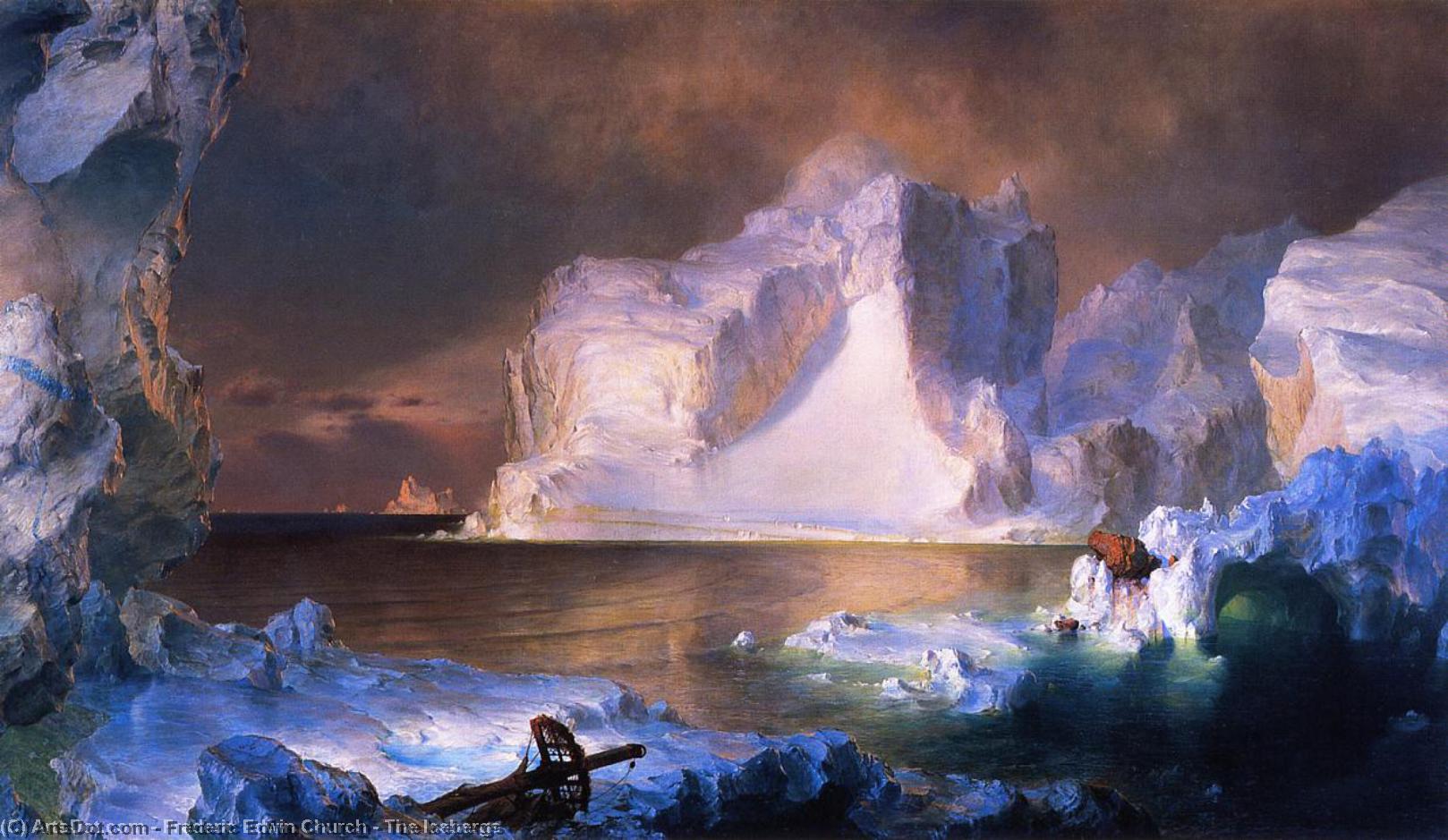
The Icebergs


 Weiterlesen
Giclée / Kunstdruck
Giclée- oder Leinwanddruck in Museumsqualität mit schneller Produktion und flexiblen Veredelungsoptionen. ( Handgemalte Reproduktion bestellen Bild kaufen)




P118B $10

P118H $10

P118W $10

P438Z $10

P508JH $12

P508YH $12

P805H $10

P805Z $10

P919BZ $10

P919G $10

P919XJ $10

P959ZH $10

P968JZ $12

W106C $8

W218G $10

W218JH $8

W218Y $10

W307PJ $10

W316G $10

W316PJ $8

W316Y $10

W398PJ $8

W4111J $10

W500HY $15

W500JH $15

W692G $12

W849H $8

W940BG $15

W953PJ $8




Wählen Sie aus unseren vordefinierten Formaten, die den ursprünglichen Proportionen des Kunstwerks entsprechen.

Sie können Ihre eigenen Maße eingeben, um ein bestimmtes Format oder einen speziellen Platz einzupassen. Wenn das von Ihnen gewählte Format nicht den Proportionen des Originalbildes entspricht, werden wir das Kunstwerk entweder beschneiden oder das Bild mit einem gespiegelten oder einfarbigen Rand erweitern. Ein digitaler Entwurf wird Ihnen zur Genehmigung zugesandt, bevor die Produktion beginnt.
Bitte beachten Sie, dass die Vorschau auf dem Bildschirm nicht den tatsächlichen Zuschnitt oder die Erweiterung widerspiegelt. Nur der Entwurf zeigt die endgültige Komposition präzise an.
Obwohl Sondermaße verfügbar sind, empfehlen wir die Auswahl eines Maßes aus der vordefinierten Liste, um die ursprünglichen Proportionen zu bewahren.
Weltweiter Versand () innerhalb von 2 Wochen statt der üblichen 4/5 Wochen. (19 August)

Kostenloser weltweiter Expressversand

Hochwertige Leinenleinwand

Umfassender Versicherungsschutz beim Versand

Zollgebühren-Rückerstattungsgarantie

Garantie für exakte Farbtreue

60 Tage Rückgaberecht (nur bei Mängeln)

100% Geld-zurück-Garantie

Mengenrabatt verfügbar
 Die Glasoption ist nur für Größen unter 110 cm verfügbar.

The Icebergs
Giclée / Kunstdruck
Format der Reproduktion
-


Gesamtpreis
$ 80
Sammlerstück-Beschreibung
A Frozen Symphony: Frederic Edwin Church’s “The Icebergs”
Frederic Edwin Church's "The Icebergs," painted in 1861, isn't merely a landscape; it’s an immersive experience—a journey into the heart of the Arctic wilderness. More than just a depiction of ice and water, this monumental canvas embodies the burgeoning American fascination with exploration, scientific discovery, and the sublime beauty of nature during a pivotal moment in the nation’s history. Church, a leading figure of the Hudson River School, sought to capture not simply what he saw, but also the *feeling* of being confronted by such immense, primordial power – a sentiment deeply influenced by his friend and mentor, Thomas Cole, and further shaped by the writings of Alexander von Humboldt.
The painting’s genesis lies in Church's own expedition to Newfoundland and Labrador in 1859. He meticulously documented the journey through hundreds of pencil sketches, capturing the subtle shifts in light, texture, and atmosphere on the ice floes. This painstaking observation informed his final masterpiece, a testament to his commitment to realism and scientific accuracy. Unlike many Romantic artists who idealized nature, Church sought to represent it with astonishing detail—the crystalline structure of the ice, the play of light on its surface, the subtle gradations of blue and white. He wasn’t simply painting a scene; he was rendering an environment, striving for a level of fidelity that bordered on scientific illustration.
The Language of Light and Shadow
Church's masterful use of color is central to the painting’s impact. He employs a carefully orchestrated palette of blues, whites, and greys—not in flat, uniform tones, but with an astonishing range of subtle variations. The dominant hues are those of the Arctic – icy blues, turquoise greens, and shimmering whites—but he introduces hints of ochre and grey to suggest the distant mountains and the darkening sky. The light itself is crucial; it’s not a bright, cheerful sun, but rather a diffused, almost ethereal glow that seems to emanate from within the ice itself. This creates an atmosphere of profound stillness and isolation.
Technically, Church employed a technique known as “atmospheric perspective,” or *sfumato*, which he learned from studying the works of Leonardo da Vinci. He layered thin washes of paint to create a sense of depth and distance, blurring details in the background and emphasizing the sharpness of objects closer to the viewer. The brushstrokes are remarkably delicate—almost invisible—contributing to the painting’s smooth, luminous surface. He used a glazing technique, applying multiple layers of translucent color over dried underlayers, building up the image gradually until it achieved its final richness and complexity.
A Symbol of Isolation and Wonder
“The Icebergs” is more than just a beautiful landscape; it’s laden with symbolic meaning. The vastness of the Arctic expanse evokes a sense of isolation—a feeling of being utterly alone in the face of nature's immense power. The towering icebergs, sculpted by wind and water over millennia, represent the enduring strength and resilience of the natural world. Yet, despite this sense of solitude, there’s also an undeniable feeling of wonder and awe. The painting captures a moment of sublime beauty—a glimpse into a realm that is both terrifying and enchanting.
The inclusion of a small boat in the foreground provides a human element within this vast wilderness, subtly reminding us of our own vulnerability and insignificance when confronted with such overwhelming natural forces. It’s a deliberate juxtaposition – a tiny vessel dwarfed by the immensity of the Arctic landscape. The painting reflects the anxieties and aspirations of 19th-century America—a nation grappling with its identity as it expanded westward, seeking to conquer new frontiers while simultaneously recognizing the power and majesty of the natural world.
A Legacy of Romantic Grandeur
“The Icebergs” remains one of Frederic Edwin Church’s most celebrated works, and a cornerstone of American landscape painting. Its influence can be seen in the work of later artists, including Albert Bierstadt and Thomas Moran, who continued to explore the themes of wilderness and exploration. Today, reproductions of this iconic painting continue to captivate audiences with its dramatic scale, luminous colors, and profound sense of atmosphere. It’s a powerful reminder of the beauty and fragility of our planet—and the enduring allure of the unknown.
Über den Künstler
Frühes Leben und Ausbildung
Frederic Edwin Church, eine bedeutende Figur der amerikanischen Landschaftsmaler des Hudson River School, wurde am 4. Mai 1826 in Hartford, Connecticut, geboren. Er war ein direkter Nachkomme von Richard Church, einem puritanischen Pionier aus England, der Thomas Hooker auf der ursprünglichen Reise durch die Wildnis zu dem führte, was später als Hartford, Connecticut, bekannt werden sollte. Churches familiärer Wohlstand ermöglichte es ihm, sich schon in jungen Jahren für Kunst zu interessieren. Im Alter von achtzehn Jahren wurde Church Schüler von Thomas Cole, einem britisch-amerikanischen Künstler und Gründer des Hudson River School, in Catskill, New York. Diese zweijährige Lehrzeit legte den Grundstein für Churches späteren Erfolg als Landschaftsmaler.Künstlerischer Stil und Einflüsse
Churches Gemälde zeichnen sich durch ihren Schwerpunkt auf realistischem Detailreichtum, dramatischem Licht und Panoramablicken aus. Er wurde von Alexander von Humboldt, einem preußischen Entdecker und Wissenschaftler, beeinflusst, und seine Arbeit spiegelt den Romantik des Zeitalters wider. Churches Stil ist durch die Verwendung von niedrigen horizontalen Linien, eine Überfülle von Himmel und "versteckte" Pinselstriche gekennzeichnet, die eine glatte und realistische Maloberfläche erzeugen. Besonders hervorzuheben ist seine Fähigkeit, Licht und Atmosphäre einzufangen, was seinen Werken eine fast meditative Qualität verleiht.Wichtige Werke und Ausstellungen
- The Oxbow (1836), eine romantische Landschaftsdarstellung einer kleinen Figur in einer weiten, atmosphärischen Umgebung. Dieses Werk zeigt Churches frühe Beherrschung der Perspektive und seines Verständnisses für die Kraft der Natur.
- View from Mount Holyoke, Northampton, Massachusetts, eine Reihe von Skizzen und Gemälden, die Churches Fähigkeit demonstrieren, die Schönheit der amerikanischen Wildnis einzufangen. Diese Serie gilt als eines seiner Meisterwerke und zeigt seine beeindruckende Detailgenauigkeit.
- Ausstellungen im New York Historical Society und der National Gallery in Washington, D.C. Diese Ausstellungen trugen maßgeblich zur Anerkennung Churches als einer der führenden Landschaftsmaler seiner Zeit bei.
Entwicklung und Vermächtnis
Church war ein produktiver Künstler, der einige seiner wichtigsten Werke in Einzelausstellungen präsentierte, um ein zahlendes und oft begeistertes Publikum in New York City anzuziehen. Sein Engagement für die Darstellung der amerikanischen Landschaft, insbesondere der unberührten Wildnis, trug dazu bei, das Bewusstsein für den Wert des Naturschutzes zu schärfen. Churches Einfluss auf die amerikanische Landschaftsmalerei ist unbestreitbar, und seine Arbeit wird weiterhin für ihre Schönheit und historische Bedeutung gefeiert. Er gilt als einer der wichtigsten Vertreter des Hudson River School und hat Generationen von Künstlern inspiriert.Historische Bedeutung
Churches Gemälde sind nicht nur künstlerisch wertvoll, sondern auch wichtige Dokumente seiner Zeit. Sie spiegeln das wachsende Interesse an der Erforschung und Besiedlung Amerikas wider und zeigen die Romantik des amerikanischen Westens. Seine Werke trugen dazu bei, ein nationales Bewusstsein für die Schönheit und den Reichtum der amerikanischen Landschaft zu schaffen und spielten eine wichtige Rolle in der Entwicklung einer einzigartigen amerikanischen Kunstidentität.
Frederic Edwin Church
1826 - 1900 , Vereinigte Staaten von Amerika
Kurzinfos
- Bemerkenswerte Kunstwerke:
- The Oxbow
- View from Mount Holyoke
- Das Herz der Anden
- Dämmerung im Wilden Westen
- Geburtsdatum: 4. Mai 1826
- Geburtsort (Stadt, Land): Hartford, Vereinigte Staaten
- Künstler Oder Bewegungen, Die Von Diesem Künstler Beeinflusst Wurden: ['Amerikanische Landschaftsmalerei']
- Künstler, Die Diesen Künstler Beeinflussten:
- Thomas Cole
- Alexander von Humboldt
- Künstlerische Bewegung/Stil: Hudson River School
- Nationalität: Amerikanisch
- Sterbedatum: 1900
- Vollständiger Name: Frederic Edwin Church
Ähnliche Artikel

Frederic Edwin Church und die Erhabenheit der amerikanischen Landschaft: Eine bahnbrechende Vision des Luminismus
Entdecken Sie das Werk von Frederic Edwin Church und die Erhabenheit der amerikanischen Landschaftsmalerei. Eine tiefgehende Analyse des Luminismus, seiner Wurzeln im Hudson River School und Churches bahnbrechenden Vision.
Die 10 Meisterwerke der Hudson River School: Kunst für Ihr Zuhause | OriginalUniqueArt
Entdecken Sie die 10 prägendsten Meisterwerke der Hudson River School! Erfahren Sie mehr über Thomas Cole, Frederic Church & Co. und ihre atemberaubenden Landschaftsbilder. Hochwertige Kunstdrucke für Ihr Zuhause – jetzt auf OriginalUniqueArt.com!
Die schönsten Landschaftsbilder: 10 Meisterwerke für Ihr Zuhause | OriginalUniqueArt.com
Entdecken Sie die 10 schönsten Landschaftsbilder der Kunstgeschichte! Von Monet bis Van Gogh – erfahren Sie die Geschichten hinter Meisterwerken & finden Sie Inspiration für Ihr Zuhause. Hochwertige Kunstdrucke auf OriginalUniqueArt.com.
The Sublime Landscape: Exploring the Hudson River School Movement
Explore the captivating world of the Hudson River School! Discover the history, artists, and defining characteristics of this iconic American art movement. Learn about Romanticism's influence & find inspiration for your collection.

Echoes of Arcadia: Nostalgia & Transformation in Vintage Landscape Art
Explore the evocative world of vintage landscape art! Discover the history, artists & emotional power behind masterpieces from the Hudson River School & beyond. Expert insights for collectors & enthusiasts.