In echtem Maßstab anzeigen
 Versenden als Grußkarte
 Teilen
 Details anzeigen
 Leitfaden öffnen

 Herunterladen
 Ähnliche Objekte
 Röntgenaufnahme
 Diashow
 Besucherstatistiken
Katzen
 Öl auf Leinwand
- Wandkunst
- Post-Impressionism
 1910
1910- Hochmittelalter
 61.0 x 50.0 cm
 Mehr anzeigen
Giclée / Kunstdruck
Giclée- oder Leinwanddruck in Museumsqualität mit schneller Produktion und flexiblen Veredelungsoptionen. ( Handgemalte Reproduktion kaufen Zum digitalen Bild wechseln)




P118B €10

P118H €10

P118W €10

P438Z €10

P508JH €12

P508YH €12

P805H €10

P805Z €10

P919BZ €10

P919G €10

P919XJ €10

P959ZH €10

P968JZ €12

W106C €8

W218G €10

W218JH €8

W218Y €10

W307PJ €10

W316G €10

W316PJ €8

W316Y €10

W398PJ €8

W4111J €10

W500HY €15

W500JH €15

W692G €12

W849H €8

W940BG €15

W953PJ €8




Wählen Sie aus unseren vordefinierten Formaten, die den ursprünglichen Proportionen des Kunstwerks entsprechen.

Geben Sie die Breite und die Höhe an, die Sie benötigen, damit der Druck perfekt in Ihren Rahmen oder an Ihre Wand passt. Ein Druck kann nur beschnitten werden und niemals größer als das Originalbild gemacht werden; daher verliert ein Format mit einer anderen Proportion einen Teil des Bildes. Wir senden Ihnen ein digitales Mockup zur Freigabe, bevor wir den Druck ausführen. Das auf dieser Seite gezeigte Bild zeigt nicht den tatsächlichen Beschnitt – dies ist nur im Mockup ersichtlich.
Weltweiter Versand () innerhalb von 2 Wochen statt der üblichen 4/5 Wochen. (22 Oktober)

Kostenloser weltweiter Expressversand

Hochwertige Leinenleinwand

Vollständiger Versicherungsschutz beim Versand

Zollgebühren-Rückerstattungsgarantie

Garantie für exakte Farbtreue

100-tägiges Rückgaberecht (nur bei Mängeln)

100% Geld-zurück-Garantie

Angebot für Mengenrabatt
 Die Glasoption ist nur für Größen unter 110 cm verfügbar.

Katzen
Giclée / Kunstdruck
Format der Reproduktion
-


Gesamtpreis
€ 70
Franz Marc’s “Cats”: A Symphony of Color and Spiritual Seeking
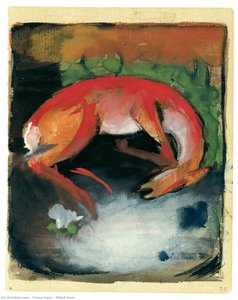
Franz Marc's "Cats" (1910), an oil on canvas measuring 61 x 50 cm, is more than just a charming depiction of feline companionship; it’s a profound meditation on the essence of life, rendered through the vibrant lens of Post-Impressionism and deeply rooted in the artist's spiritual quest. Marc, a pivotal figure in the development of Expressionism, sought to transcend mere representation, aiming instead to capture the very soul of his subjects – in this case, two cats embodying a quiet harmony and an unspoken connection.
The painting immediately draws the eye with its bold palette—a masterful blend of blues, greens, ochres, and subtle pinks. Marc eschews photographic realism, favoring simplified forms and flattened planes reminiscent of Van Gogh’s expressive brushstrokes. The cats themselves are not meticulously detailed; rather, they are suggested through blocks of color and gestural marks, conveying a sense of relaxed contentment and shared tranquility. Notice how the left cat, positioned slightly to the viewer's left, is rendered with a deeper blue hue, perhaps suggesting introspection or a contemplative mood, while its counterpart on the right radiates a warmer, more inviting glow.
The Human Element: Depth and Context
Adding layers of complexity to this intimate scene are two human figures subtly placed in the background. These aren’t dramatic portraits but rather understated presences—one on the left, another near the center-right—that serve to contextualize the feline drama. They represent a connection between the natural world and humanity, hinting at a shared experience of life's simple pleasures. Marc was deeply interested in exploring the relationship between humans and animals, often portraying them as kindred spirits, sharing a similar vulnerability and sensitivity to the rhythms of nature.
The inclusion of these figures also speaks to the broader artistic currents of the early 20th century. Marc’s work aligns with a growing desire to move beyond purely representational art, embracing subjective experience and emotional truth. The rise of Expressionism, Cubism, and Surrealism—movements that Marc significantly influenced—challenged traditional notions of beauty and form, paving the way for radically new approaches to artistic expression.
Symbolism and Spiritual Resonance
Beyond its aesthetic qualities, “Cats” is rich in symbolic meaning. Animals, particularly cats, held a special significance for Marc, representing innocence, mystery, and a connection to the primal forces of nature. He frequently depicted them as embodiments of spiritual values—a reflection of his belief that art could serve as a conduit for accessing deeper truths about existence. The painting’s serene atmosphere evokes a sense of quiet contemplation, inviting viewers to pause and consider the beauty and simplicity of the natural world.
Marc's work was deeply influenced by his early interest in theology, which he carried through his artistic career. He sought to capture not just what he saw but also what he *felt*—the underlying spiritual essence of his subjects. “Cats” is a testament to this ambition, offering a glimpse into the artist’s inner world and his profound connection to the natural realm.
A Legacy of Color and Emotion
Franz Marc's influence extends far beyond his own lifetime. Artists like Paul Klee, who shared Marc’s fascination with color theory and abstract forms, built upon his innovations. “Cats” stands as a pivotal work in the development of modern art, demonstrating Marc’s pioneering use of color to convey emotion and spiritual insight. Reproductions of this captivating painting offer a unique opportunity to experience the power and beauty of Marc's vision—a timeless celebration of feline grace and the enduring quest for meaning in life.
Fragen & Antworten
Wie alt war Franz Marc, als „Katzen“ geschaffen wurde?
Franz Marc schuf „Katzen“ im Alter von 30. Der Künstler wurde 1880 geboren, und das Werk datiert auf 1910.
Ist "Katzen" typisch für das, was Franz Marc üblicherweise geschaffen hat?
Unter den dokumentierten Themen von Franz Marc – spiritual seeking, animal symbolism, expressionist spirit, emotional depth, early 20th-century art trends, color theory, abstract forms, blue rider movement influence – legt „Katzen“ einen ganz eigenen Fokus auf cats, harmony, companionship, figures, animals, color, expressionism.
Zeigt "Katzen" starke Hell-Dunkel-Kontraste?
Der Hell-Dunkel-Kontrast von „Katzen“ wird mit Sanft angegeben. Der Kontrast beschreibt, wie stark sich helle und dunkle Bereiche voneinander unterscheiden.
Biografie des Künstlers
Franz Marc: Ein Pionier des Deutschen Expressionismus
Frühes Leben und Ausbildung
- Franz Moritz Wilhelm Marc wurde am 8. Februar 1880 in München, Deutschland, geboren.
- Sein Vater, Wilhelm Marc, war Landschaftsmaler und beeinflusste seinen Sohn zunächst durch seine künstlerischen Neigungen.
- Marc erwog kurz Theologie, bevor er sich der Kunst widmete und nach dem Besuch der Universität München an der Akademie der Bildenden Künste in München studierte.
- Zu den frühen Studien gehörten das Kopieren von Meistern und die Erforschung verschiedener künstlerischer Techniken.
Künstlerische Entwicklung und Einflüsse
- Anfangs wurden Marcs Werke von Impressionismus und akademischen Malstilen beeinflusst.
- Ein entscheidender Moment war seine Besuche in Paris, wo er die Werke von Vincent van Gogh entdeckte und seine Verwendung von Farbe und emotionaler Ausdruck maßgeblich prägte.
- Er experimentierte mit verschiedenen künstlerischen Gruppen wie der Neuen Künstlervereinigung München, bevor er Der Blaue Reiter gemeinsam gründete.
- Auch Robert Delaunays Werk beeinflusste Marcs Erkundung abstrakter Formen und lebendiger Farben.
Der Blaue Reiter und Schlüsselwerke
- Im Jahr 1911 gründete Marc gemeinsam mit Wassily Kandinsky Der Blaue Reiter (Der Blaue Reiter), eine Zeitschrift und Künstlergruppe, die für den deutschen Expressionismus von zentraler Bedeutung wurde.
- Diese Gruppe suchte nach spiritueller Bedeutung in der Kunst und lehnte traditionelle künstlerische Konventionen ab.
- Bekannte Werke aus dieser Zeit sind:
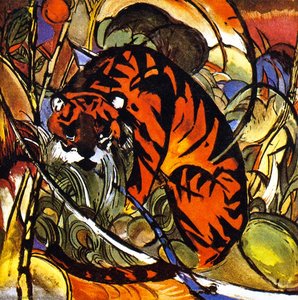
- Der Tiger (1912) – zeigend seinen sich entwickelnden Stil und seine symbolische Verwendung von Tieren.
- Rehdamee (1912) - demonstrierend eine wachsende Konzentration auf Tierdarstellungen.
- Der Turm der blauen Pferde, Die Füchse und das Schicksal der Tiere (1913) – repräsentierend die Culmination seiner künstlerischen Vision.
Themen und Künstlerischer Stil
- Marcs Kunst ist durch ihre lebendigen Farben, vereinfachte Formen und symbolische Darstellung von Tieren gekennzeichnet.
- Er glaubte, dass Tiere eine Reinheit und eine spirituelle Verbindung zur Natur besaßen, die der Mensch verloren hatte.
- Seine Verwendung von Farbe diente nicht nur der Beschreibung, sondern auch dem Ausdruck, Emotionen und innere Zustände zu vermitteln.
- Er versuchte, die Essenz seiner Motive darzustellen, anstatt realistische Darstellungen.
Erster Weltkrieg und tragisches Ende
- Mit dem Ausbruch des Ersten Weltkriegs im Jahr 1914 wurde Marc in die deutsche Armee eingezogen.
- Trotz seines Versuchs, aufgrund seiner künstlerischen Tätigkeit von der Dienstpflicht freigestellt zu werden, diente er als Kavallerieoffizier.
- Er starb am 4. März 1916 im Verlauf der Schlacht an der Verdun tragisch.
- Sein Tod beendete eine vielversprechende Karriere, festigte aber gleichzeitig seinen Platz in der Kunstgeschichte.
Vermächtnis und historische Bedeutung
- Marcs Werk bleibt hoch einflussreich für seine expressive Verwendung von Farbe, symbolische Bilder und spirituelle Tiefe.
- Er gilt als eine Schlüsselgestalt bei der Entwicklung des Deutschen Expressionismus und als Vorläufer der abstrakten Kunst.
- Seine Gemälde werden in großen Museen auf der ganzen Welt ausgestellt, darunter das Lenbachhaus in München, das eine umfangreiche Sammlung seiner Werke beherbergt.
- Marcs künstlerische Vision inspiriert weiterhin Künstler und fesselt das Publikum bis heute.

Franz Marc
1880 - 1916 , Deutschland
Eckdaten zum Künstler
- Beeinflusste Kunstrichtungen: ['Abstrakte Kunst']
- Beeinflusste Künstler: ['Vincent van Gogh']
- Bekannte Werke:
- Der Tiger (1912)
- Rehdamee (1912)
- Turm der blauen Pferde (1913)
- Die Füchse und das Schicksal
- Geburtsdatum: 08. Februar 1880
- Geburtsort: München, Deutschland
- Künstlerische Richtung: Deutscher Expressionismus
- Nationalität: Deutsch
- Todatum: 4. März 1916
- Vollständiger Name: Franz Marc
Verwandte Artikel

Impressionismus und Postimpressionismus: Eine vergleichende Analyse
Entdecken Sie die Welt des Impressionismus und Postimpressionismus! Expertenwissen über Künstler wie Monet, Van Gogh & Cézanne. Jetzt lesen!

Deutsche Expressionismus Meisterwerke: Die 10 wichtigsten Kunstwerke für Ihr Zuhause
Entdecken Sie die 10 bedeutendsten Werke des Deutschen Expressionismus! Kirchner, Nolde & Co. – ihre Geschichten, Techniken und zeitlose Schönheit. Hochwertige Kunstdrucke auf OriginalUniqueArt.com kaufen und Ihr Zuhause mit emotionaler Kunst bereichern. Jetzt entdecken!

Postimpressionismus: Die 10 Meisterwerke, die eine Ära prägten –
Entdecken Sie die 10 Meisterwerke des Postimpressionismus! Van Gogh, Cézanne & Co. – ihre Geschichten, Techniken und zeitlose Schönheit. Kunstdrucke in Museumsqualiät auf . Jetzt entdecken!
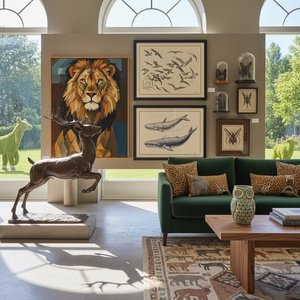
Animalia: Die bleibende Präsenz von Tieren in Kunst und Innenarchitektur
Entdecken Sie die faszinierende Welt der Animalia! Von historischen Tierdarstellungen bis zur modernen Innenarchitektur – wir bieten Expertise, hochwertige Reproduktionen & Kunstberatung.

Franz Marc: Expressionismus, Spiritualität und die Tier-Symbolik eines modernen Meisters
Entdecken Sie das faszinierende Werk von Franz Marc! Erfahren Sie mehr über seine spirituelle Kunst, die Tierdarstellungen und seinen Einfluss auf den Expressionismus. Expertenanalyse & Hintergrundinformationen.