In echtem Maßstab anzeigen
 Versenden als Grußkarte
 Teilen
 Details anzeigen
 Leitfaden öffnen

 Herunterladen
 Ähnliche Objekte
 Röntgenaufnahme
 Diashow
 Besucherstatistiken
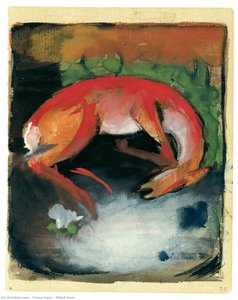
Drei Katzen


 Mehr anzeigen
Handgefertigte Ölreproduktion
Handgemaltes Ölgemälde auf Leinwand in Ihrer Wunschgröße und mit Rahmen, auf Bestellung von unseren Künstlern angefertigt. ( Zum Druck wechseln Zum digitalen Bild wechseln)




P118B €10

P118H €10

P118W €10

P438Z €10

P508JH €12

P508YH €12

P805H €10

P805Z €10

P919BZ €10

P919G €10

P919XJ €10

P959ZH €10

P968JZ €12

W106C €8

W218G €10

W218JH €8

W218Y €10

W307PJ €10

W316G €10

W316PJ €8

W316Y €10

W398PJ €8

W4111J €10

W500HY €15

W500JH €15

W692G €12

W849H €8

W940BG €15

W953PJ €8




Wählen Sie aus unseren vordefinierten Formaten, die den ursprünglichen Proportionen des Kunstwerks entsprechen.

Geben Sie die Breite und die Höhe an, die Sie für Ihren Rahmen oder Ihre Wand benötigen. Da dieses Werk handgemalt ist, kann der Künstler bei einer anderen Form etwas mehr um das Bild herum malen oder etwas abschneiden – Sie entscheiden. Wir senden Ihnen ein digitales Mockup zur Freigabe, bevor mit dem Malen begonnen wird. Das auf dieser Seite gezeigte Bild stellt nicht das tatsächliche Ergebnis dar – dies tut nur das Mockup.
Nach der Bestellung wird das OriginalUniqueArt.com-Team dem Kunden Anweisungen per E-Mail zusenden und eine Mockup-Vorschau bereitstellen.
Weltweiter Versand () in nur 3 bis 4 Wochen statt der üblichen 5 Wochen. (22 Oktober). Keine Kompromisse bei der Qualität.

Kostenloser weltweiter Expressversand

Hochwertige Leinenleinwand

Vollständiger Versicherungsschutz beim Versand

Zollgebühren-Rückerstattungsgarantie

Garantie für exakte Farbtreue

100-tägiges Rückgaberecht (nur bei Mängeln)

100% Geld-zurück-Garantie

Angebot für Mengenrabatt
 Die Glasoption ist nur für Größen unter 110 cm verfügbar.

Drei Katzen
Reproduktionsmedium
Format der Reproduktion
-


Gesamtpreis
€ 263
Franz Marc’s “Drei Katzen”: A Symphony of Color and Spiritual Seeking
Franz Marc's "Drei Katzen" – Three Cats – painted in 1913, is more than simply a depiction of feline forms; it’s a profound meditation on life, spirituality, and the interconnectedness of nature. This vibrant work, currently housed at the Kunstsammlung Nordrhein-Westfalen in Düsseldorf, embodies the core tenets of Expressionism while simultaneously revealing Marc's deeply personal artistic vision. Born in Munich in 1880, Marc’s early life was marked by a contemplative spirit, initially drawn to theology before ultimately finding his voice and purpose within the realm of art. This intellectual curiosity, combined with an intense sensitivity to the natural world – particularly animals – fueled his unique approach to painting, seeking to capture not just appearances but also the underlying essence of existence.
The painting immediately captivates with its bold palette: a harmonious blend of deep blues, radiant yellows, and passionate reds. These colors aren’t merely decorative; they are imbued with symbolic weight. Blue often represents spirituality and introspection, while yellow embodies joy and vitality. Red, in Marc's hands, signifies passion and the life force itself. The careful orchestration of these hues creates a dynamic tension within the composition, mirroring the complex interplay between earthly existence and spiritual longing that characterized Marc’s artistic philosophy. The artist deliberately avoided realistic representation, instead opting for simplified forms and flattened perspectives – a hallmark of Expressionism – to heighten the emotional impact of the work.
Deconstructing the Composition: Movement and Harmony
“Drei Katzen” is defined by its dynamic composition. The three cats are arranged in a carefully considered manner, each positioned at a distinct angle, suggesting movement and energy. The central cat, slightly further forward, appears to be engaged in an active pose, while the others observe with a quiet intensity. This deliberate arrangement isn’t haphazard; it's designed to draw the viewer into the scene, inviting them to contemplate the cats’ individual personalities and their relationship to one another. The background, a lush tapestry of plants and flowers rendered in soft, blurred tones, provides a harmonious counterpoint to the bolder colors and forms of the animals. This juxtaposition creates a sense of balance – a visual representation of the equilibrium between the natural world and the inner life.
Marc’s technique is characterized by loose brushstrokes and a deliberate lack of detail. He prioritized conveying feeling over precise rendering, allowing the colors and shapes to speak for themselves. The application of paint is often thick and textured, adding a tactile quality to the work. This expressive approach aligns perfectly with the Expressionist movement's rejection of academic conventions and its focus on subjective experience. The artist’s use of color fields – large areas of unbroken hue – further enhances the painting’s emotional resonance, creating a sense of immersion for the viewer.
Symbolism and Spiritual Resonance
Beyond their aesthetic qualities, “Drei Katzen” is rich in symbolism. Cats have long held significant meaning across cultures, often representing independence, intuition, and mystery. In Marc's work, they transcend their literal form to embody a deeper spiritual truth. Some art historians interpret the painting as an allegory for the human soul – each cat representing a different aspect of consciousness striving towards unity. The lush background can be seen as a metaphor for the boundless potential of nature, mirroring the infinite possibilities within the human spirit.
Furthermore, Marc’s interest in animals stemmed from his belief that they possessed a purity and innocence untouched by the complexities of human society. He sought to capture their essential qualities – their vulnerability, their instinctual wisdom – believing that through them he could gain insight into the fundamental truths of existence. “Drei Katzen” is therefore not simply a painting of cats; it’s an invitation to contemplate our own place within the natural world and to embrace the spiritual dimensions of life.
A Timeless Masterpiece: Reproduction Possibilities
OriginalUniqueArt offers meticulously crafted, hand-painted reproductions of Franz Marc's “Drei Katzen,” ensuring that this iconic artwork can be enjoyed in any setting. Our skilled artisans replicate Marc’s distinctive style with the utmost care, capturing the vibrancy of his colors and the emotional depth of his composition. Whether you are an art collector, a design enthusiast, or simply someone seeking to bring beauty into your home, our reproductions provide a faithful representation of this remarkable masterpiece. Experience the profound impact of “Drei Katzen” – a timeless testament to the power of color, symbolism, and spiritual seeking.
Fragen & Antworten
Unter welchen Pseudonymen oder Alternativnamen ist Franz Marc bekannt?
Franz Marc ist auch unter dem Namen Franz Moritz Wilhelm Marc bekannt.
Woher kommen die Besucher von "Drei Katzen" von Franz Marc?
Statistiken zu "Drei Katzen" von Franz Marc finden Sie auf der Statistiken-Seite des Kunstwerks: monatliche Aufrufe des Kunstwerks, Aufrufe der Werke des Künstlers sowie eine Aufschlüsselung der jüngsten Besucher nach Land und Sprache.
Welches Format hat "Drei Katzen"?
Das Format von „Drei Katzen“ ist Querformat. Dies ist hilfreich bei der Planung, wo eine Reproduktion platziert werden soll.
Biografie des Künstlers
Franz Marc: Ein Pionier des Deutschen Expressionismus
Frühes Leben und Ausbildung
- Franz Moritz Wilhelm Marc wurde am 8. Februar 1880 in München, Deutschland, geboren.
- Sein Vater, Wilhelm Marc, war Landschaftsmaler und beeinflusste seinen Sohn zunächst durch seine künstlerischen Neigungen.
- Marc erwog kurz Theologie, bevor er sich der Kunst widmete und nach dem Besuch der Universität München an der Akademie der Bildenden Künste in München studierte.
- Zu den frühen Studien gehörten das Kopieren von Meistern und die Erforschung verschiedener künstlerischer Techniken.
Künstlerische Entwicklung und Einflüsse
- Anfangs wurden Marcs Werke von Impressionismus und akademischen Malstilen beeinflusst.
- Ein entscheidender Moment war seine Besuche in Paris, wo er die Werke von Vincent van Gogh entdeckte und seine Verwendung von Farbe und emotionaler Ausdruck maßgeblich prägte.
- Er experimentierte mit verschiedenen künstlerischen Gruppen wie der Neuen Künstlervereinigung München, bevor er Der Blaue Reiter gemeinsam gründete.
- Auch Robert Delaunays Werk beeinflusste Marcs Erkundung abstrakter Formen und lebendiger Farben.
Der Blaue Reiter und Schlüsselwerke
- Im Jahr 1911 gründete Marc gemeinsam mit Wassily Kandinsky Der Blaue Reiter (Der Blaue Reiter), eine Zeitschrift und Künstlergruppe, die für den deutschen Expressionismus von zentraler Bedeutung wurde.
- Diese Gruppe suchte nach spiritueller Bedeutung in der Kunst und lehnte traditionelle künstlerische Konventionen ab.
- Bekannte Werke aus dieser Zeit sind:
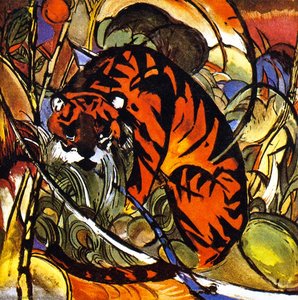
- Der Tiger (1912) – zeigend seinen sich entwickelnden Stil und seine symbolische Verwendung von Tieren.
- Rehdamee (1912) - demonstrierend eine wachsende Konzentration auf Tierdarstellungen.
- Der Turm der blauen Pferde, Die Füchse und das Schicksal der Tiere (1913) – repräsentierend die Culmination seiner künstlerischen Vision.
Themen und Künstlerischer Stil
- Marcs Kunst ist durch ihre lebendigen Farben, vereinfachte Formen und symbolische Darstellung von Tieren gekennzeichnet.
- Er glaubte, dass Tiere eine Reinheit und eine spirituelle Verbindung zur Natur besaßen, die der Mensch verloren hatte.
- Seine Verwendung von Farbe diente nicht nur der Beschreibung, sondern auch dem Ausdruck, Emotionen und innere Zustände zu vermitteln.
- Er versuchte, die Essenz seiner Motive darzustellen, anstatt realistische Darstellungen.
Erster Weltkrieg und tragisches Ende
- Mit dem Ausbruch des Ersten Weltkriegs im Jahr 1914 wurde Marc in die deutsche Armee eingezogen.
- Trotz seines Versuchs, aufgrund seiner künstlerischen Tätigkeit von der Dienstpflicht freigestellt zu werden, diente er als Kavallerieoffizier.
- Er starb am 4. März 1916 im Verlauf der Schlacht an der Verdun tragisch.
- Sein Tod beendete eine vielversprechende Karriere, festigte aber gleichzeitig seinen Platz in der Kunstgeschichte.
Vermächtnis und historische Bedeutung
- Marcs Werk bleibt hoch einflussreich für seine expressive Verwendung von Farbe, symbolische Bilder und spirituelle Tiefe.
- Er gilt als eine Schlüsselgestalt bei der Entwicklung des Deutschen Expressionismus und als Vorläufer der abstrakten Kunst.
- Seine Gemälde werden in großen Museen auf der ganzen Welt ausgestellt, darunter das Lenbachhaus in München, das eine umfangreiche Sammlung seiner Werke beherbergt.
- Marcs künstlerische Vision inspiriert weiterhin Künstler und fesselt das Publikum bis heute.

Franz Marc
1880 - 1916 , Deutschland
Eckdaten zum Künstler
- Beeinflusste Kunstrichtungen: ['Abstrakte Kunst']
- Beeinflusste Künstler: ['Vincent van Gogh']
- Bekannte Werke:
- Der Tiger (1912)
- Rehdamee (1912)
- Turm der blauen Pferde (1913)
- Die Füchse und das Schicksal
- Geburtsdatum: 08. Februar 1880
- Geburtsort: München, Deutschland
- Künstlerische Richtung: Deutscher Expressionismus
- Nationalität: Deutsch
- Todatum: 4. März 1916
- Vollständiger Name: Franz Marc
Verwandte Artikel

Deine Fotos als Anime-Meisterwerk: Verwandle flüchtige Erinnerungen in zeitlose, handgemalte Kunstwerke für dein Zuhause
Verwandle deine liebsten Fotos in exklusive Anime-Meisterwerke. Unsere professionellen Künstler erschaffen handgemalte Ölgemälde auf Leinwand, die digitale Momente in zeitlose Kunst verwandeln. Erlebe höchste Qualität und emotionale Tiefe für dein Zuhause. Jetzt entdecken!

Franz Marc: Expressionismus, Spiritualität und die Tier-Symbolik eines modernen Meisters
Entdecken Sie das faszinierende Werk von Franz Marc! Erfahren Sie mehr über seine spirituelle Kunst, die Tierdarstellungen und seinen Einfluss auf den Expressionismus. Expertenanalyse & Hintergrundinformationen.
Beastly Brushstrokes: A Historical Journey Through Animal Painting & Aesthetic Movements
Explore the rich history of animal painting across cultures & movements. Discover iconic artists, symbolism, collecting trends & expert art consultation at OriginalUniqueArt.com.
Animalia: Die bleibende Präsenz von Tieren in Kunst und Innenarchitektur
Entdecken Sie die faszinierende Welt der Animalia! Von historischen Tierdarstellungen bis zur modernen Innenarchitektur – wir bieten Expertise, hochwertige Reproduktionen & Kunstberatung.

Deutsche Expressionismus Meisterwerke: Die 10 wichtigsten Kunstwerke für Ihr Zuhause
Entdecken Sie die 10 bedeutendsten Werke des Deutschen Expressionismus! Kirchner, Nolde & Co. – ihre Geschichten, Techniken und zeitlose Schönheit. Hochwertige Kunstdrucke auf OriginalUniqueArt.com kaufen und Ihr Zuhause mit emotionaler Kunst bereichern. Jetzt entdecken!