In echtem Maßstab anzeigen
 Versenden als Grußkarte
 Teilen
 Details anzeigen
 Leitfaden öffnen

 Herunterladen
 Ähnliche Objekte
 Röntgenaufnahme
 Diashow
 Besucherstatistiken
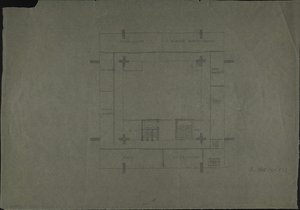
CONSTRUCTION SCHEDULE FOR THE MOST FAVOURABLE IMPLEMENTATION OF AN INVESTMENT PROJECT TV STUDIOS FOR 4-HOUR PER WEEK PROGRAM
 Ink On Paper
- Bauhaus
 1959
1959- Modern
 49.0 x 84.0 cm
 Bauhaus Dessau Foundation
 Mehr anzeigen
Giclée / Kunstdruck
Giclée- oder Leinwanddruck in Museumsqualität mit schneller Produktion und flexiblen Veredelungsoptionen. ( Handgemalte Reproduktion kaufen Zum digitalen Bild wechseln)




P118B $10

P118H $10

P118W $10

P438Z $10

P508JH $12

P508YH $12

P805H $10

P805Z $10

P919BZ $10

P919G $10

P919XJ $10

P959ZH $10

P968JZ $12

W106C $8

W218G $10

W218JH $8

W218Y $10

W307PJ $10

W316G $10

W316PJ $8

W316Y $10

W398PJ $8

W4111J $10

W500HY $15

W500JH $15

W692G $12

W849H $8

W940BG $15

W953PJ $8




Wählen Sie aus unseren vordefinierten Formaten, die den ursprünglichen Proportionen des Kunstwerks entsprechen.

Sie können Ihre eigenen Maße eingeben, um ein bestimmtes Format oder einen speziellen Platz einzupassen. Wenn das von Ihnen gewählte Format nicht den Proportionen des Originalbildes entspricht, werden wir das Kunstwerk entweder beschneiden oder das Bild mit einem gespiegelten oder einfarbigen Rand erweitern. Ein digitaler Entwurf wird Ihnen zur Genehmigung zugesandt, bevor die Produktion beginnt.
Bitte beachten Sie, dass die Vorschau auf dem Bildschirm nicht den tatsächlichen Zuschnitt oder die Erweiterung widerspiegelt. Nur der Entwurf zeigt die endgültige Komposition präzise an.
Obwohl Sondermaße verfügbar sind, empfehlen wir die Auswahl eines Maßes aus der vordefinierten Liste, um die ursprünglichen Proportionen zu bewahren.
Weltweiter Versand () innerhalb von 2 Wochen statt der üblichen 4/5 Wochen. (26 September)

Kostenloser weltweiter Expressversand

Hochwertige Leinenleinwand

Vollständiger Versicherungsschutz beim Versand

Zollgebühren-Rückerstattungsgarantie

Garantie für exakte Farbtreue

100-tägiges Rückgaberecht (nur bei Mängeln)

100% Geld-zurück-Garantie

Angebot für Mengenrabatt
 Die Glasoption ist nur für Größen unter 110 cm verfügbar.

CONSTRUCTION SCHEDULE FOR THE MOST FAVOURABLE IMPLEMENTATION OF AN INVESTMENT PROJECT TV STUDIOS FOR 4-HOUR PER WEEK PROGRAM
Giclée / Kunstdruck
Format der Reproduktion
-


Gesamtpreis
$ 80
The Precision of Progress: A Blueprint of Visionary Intent
In the intersection of architectural rigor and graphic artistry lies a remarkable piece of mid-century documentation: CONSTRUCTION SCHEDULE FOR THE MOST FAVOURABLE IMPLEMENTATION OF AN INVESTMENT PROJECT TV STUDIOS FOR 4-HOUR PER WEEK PROGRAM. Created in 1959 by the master of form, Franz Ehrlich, this work transcends its utilitarian origins to become a captivating study of order and anticipation. At first glance, the viewer is met with an intricate tapestry of tables, diagrams, and charts that map out the birth of a media space. It is not merely a schedule; it is a visual manifesto of structural possibility, where every line and cell serves as a heartbeat in the rhythm of industrial progress.
The painting, executed on paper with a delicate yet commanding presence, measures 49 x 84 cm, offering a panoramic view into the meticulous mind of its creator. Ehrlich utilizes a technique that blends the precision of technical drafting with the expressive soul of graphic design. The composition is dense with information, yet it maintains a rhythmic balance that guides the eye through a labyrinth of data. For the collector or interior designer, this piece offers a sophisticated geometric complexity that serves as a stunning focal point in modern, minimalist, or industrial-themed spaces, providing a sense of intellectual depth and structured elegance.
A Legacy Forged in Bauhaus Discipline
To understand the soul of this work, one must look to the hands that held the pen. Franz Ehrlich was a product of the legendary Bauhaus Dessau, an institution that redefined the relationship between art, craft, and industry. Having studied there between 1927 and 1930, Ehrlich carried the avant-garde principles of functionalism and clarity into his later works. This specific piece, created decades after his formative years, reflects a matured mastery of the Bauhaus ethos—the idea that beauty is found in the most efficient and logical arrangement of elements.
The historical context of 1959 adds a layer of profound gravity to the work. Living through the turbulent shifts of mid-century Germany, Ehrlich’s work often mirrored the tension between individual creativity and the collective necessity of reconstruction and planning. The subject matter—the implementation of TV studios—speaks to an era of burgeoning communication and the technological optimism of the post-war period. There is a quiet heroism in these charts; they represent the blueprint for a new way of seeing the world through the lens of emerging mass media.
The Aesthetic of Order and Emotional Resonance
Beyond its technical merits, the artwork possesses an evocative emotional impact that resonates with anyone moved by the beauty of logic. There is a certain serenity found in its absolute organization. The repetition of tables and the structured flow of diagrams create a meditative quality, inviting the viewer to lose themselves in the details of the project's timeline. It evokes a sense of nostalgia for an era when progress was measured in tangible, meticulously planned steps.
For those seeking to adorn a curated collection or a professional studio, this reproduction offers more than just decoration; it offers a conversation piece that bridges the gap between historical documentation and fine art. The interplay of light and shadow within the intricate linework provides a tactile richness that makes every viewing a new discovery. It is a celebration of the architect's vision—a moment frozen in time where the future was being carefully, beautifully constructed.
Biografie des Künstlers
Early Life and Education
Franz Ehrlich, a name synonymous with both architectural innovation and profound political engagement, was born in Reuth, Germany, in 1907. From his earliest years, a deep-seated passion for the arts ignited within him—a desire to translate vision into tangible form. This innate inclination led him to enroll at the prestigious Bauhaus school in Dessau, beginning in 1927. The Bauhaus represented more than just an educational institution; it was a crucible of artistic experimentation, a breeding ground for avant-garde movements that sought to redefine aesthetics and functionality. Under the tutelage of masters like Walter Gropius, László Moholy-Nagy, Paul Klee, and Joost Schmidt, Ehrlich immersed himself in the principles of modernism, exploring typography, design, and sculpture with an unwavering commitment to innovation. The Bauhaus experience fundamentally shaped his artistic perspective, instilling within him a belief in the power of art to transform society and a deep appreciation for collaborative creativity.Artistic Career and Communist Affiliation
Ehrlich’s career trajectory was inextricably linked to his political convictions. A fervent supporter of the communist party, he became deeply involved in the resistance against the rising tide of Nazism. This commitment ultimately led to his arrest and imprisonment in 1935, a harrowing experience that profoundly altered the course of his life. Despite facing immense hardship and persecution, Ehrlich refused to abandon his artistic pursuits. He continued to contribute significantly to the world of art, leaving behind a legacy marked by resilience, integrity, and a steadfast belief in social justice. His work during this period reflects both the constraints imposed upon him and his unwavering determination to express himself creatively within those limitations.Notable Works
Ehrlich’s artistic output encompassed a diverse range of projects, each demonstrating his unique approach to design and architecture. Among his most celebrated achievements are: “800 YRS. FRAMEWORK WALL 3” (Leipzig Trade Fair), an ambitious exhibition display that showcased his innovative use of space and materials; the meticulously planned foundation drawings for Professor Dr. Baumann’s house, a testament to his architectural expertise; and "1933" – a groundbreaking photo-sculptural advertising project—a daring experiment that seamlessly blended photography and sculpture, revealing Ehrlich's experimental nature and willingness to push artistic boundaries. These projects, along with numerous others, collectively illuminate the breadth of his creative vision and his ability to translate complex ideas into compelling visual forms.Museums and Collections Featuring Ehrlich’s Work
Ehrlich’s work has been preserved in several key institutions, offering visitors a valuable opportunity to engage with his artistic legacy. The OriginalUniqueArt.com website features an extensive collection of his works, including the aforementioned projects. Furthermore, the Bauhaus Dessau Foundation (Dessau-Roßlau, Germany) serves as a vital repository for his artistic endeavors, housing original drawings, models, and other artifacts that provide insights into his creative process. The preservation and exhibition of these works ensure that Ehrlich’s contributions to art history will continue to be appreciated by future generations.Legacy and Impact
Franz Ehrlich's impact extends far beyond the confines of his individual creations. His life story—a narrative interwoven with artistic brilliance, political activism, and personal hardship—offers a poignant reflection on the intersection of art and politics during a tumultuous period in German history. He stands as a symbol of resistance against oppression and a testament to the enduring power of creativity to inspire hope and challenge convention. His work continues to resonate today, prompting us to consider the role of art in shaping our understanding of the world and advocating for social justice.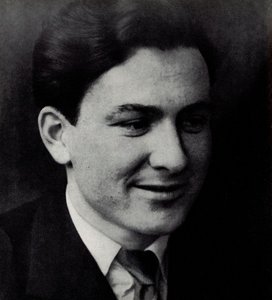
Franz Ehrlich
1907 - 1984 , Deutschland
Eckdaten zum Künstler
- Artistic Movement Or Style: Bauhaus, Expressionismus
- Artists Or Movements Influenced By This Artist: ['Young Communist League']
- Artists Who Influenced This Artist:
- Gropius
- Moholy-Nagy
- Klee
- Schmidt
- Date Of Birth: 1907
- Date Of Death: 1984
- Full Name: Franz Ehrlich
- Nationality: Deutsch
- Notable Artworks:
- 800 YRS. FRAMEWORK WALL 3
- Das Buch
- Haus Bauman
- 1933
- Place Of Birth: Reuth, Deutschland
Verwandte Artikel
Frederick Bridgman: Anatomische Meisterschaft und die Evolution des Figurenzeichens
Entdecken Sie die revolutionäre Anatomie-Lehre von George B. Bridgman! Lernen Sie die Grundlagen der Figurenzeichnung und verbessern Sie Ihre künstlerischen Fähigkeiten mit unseren detaillierten Anleitungen und Übungen.
The Nuances of Graphite: Exploring Emotional Depth & Technical Mastery in Pencil Drawing
Explore the captivating world of graphite drawing! Discover its rich history, master essential techniques like chiaroscuro, and learn how artists evoke emotion through this timeless medium. Expert insights for art enthusiasts.
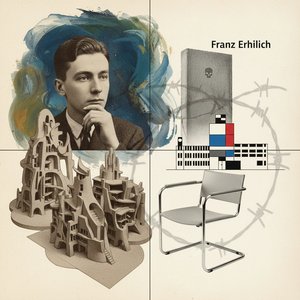
Franz Ehrlich: Bridging Expressionism, Bauhaus & the Shadows of History
Explore the life of Franz Ehrlich, a pivotal Bauhaus architect whose career spanned Expressionism, resistance during Nazi Germany, and GDR reconstruction. Discover his complex legacy & view museum-quality reproductions at OriginalUniqueArt.

Mastering the Line: A Comprehensive Expert Guide to Technical Precision and Expressive Depth in Drawing
Elevate your artistic practice with this expert guide to mastering the line. Discover advanced techniques in graphite, charcoal, and contour drawing designed for art students seeking technical precision and expressive depth in their fine art studies.
The Power of Graphite: Mastering Depth, Texture, and Detail in the Art of Pencil Drawing
Explore the profound artistry of graphite drawing. Discover professional techniques for mastering depth, texture, and detail through a lens of art history, from classical sketches to modern masterpieces. Elevate your understanding of the pencil medium with our expert guide.